
A recent study from the Netherlands shows that the application of artificial intelligence in breast cancer screening enables earlier and more accurate tumor detection while significantly reducing the workload on the healthcare system. The study, led by Radboud University Medical Center, was published in The Lancet Digital Health. It analyzed data from 42,000 mammograms and found that AI-assisted screening improves tumor detection rates and has the potential to save substantial healthcare costs.
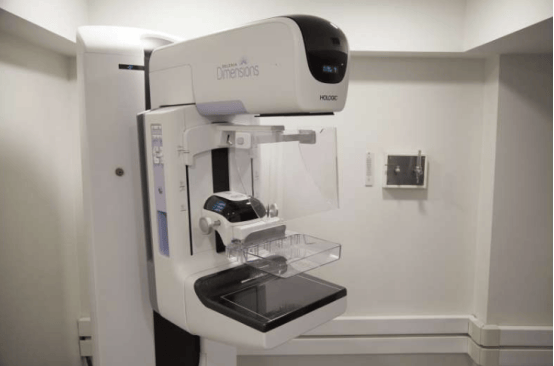
In the traditional screening process, each woman's mammogram is independently evaluated by two radiologists. The study tested an AI system developed by ScreenPoint Medical, replacing the double-radiologist review with a "one radiologist + AI" model. The results showed that AI-assisted screening not only reduced workload but also detected more early-stage tumors than the conventional method. The research team followed the participating women for an average of 4.5 years, confirming that many of the suspicious lesions flagged by AI were later verified as malignant in follow-up examinations.
"AI sometimes marks abnormalities that radiologists miss; these may initially be considered false positives, but follow-up checks often prove them correct," said study participant and PhD student Susanna van Winkel. Project leader Ritse Mann added: "AI is particularly good at identifying small early-stage tumors, while radiologists are more likely to detect larger invasive ones. Combining both achieves more comprehensive detection."
Sweden has already pioneered the use of AI to replace the second radiologist in some regions, only involving human review when AI findings are uncertain. Mann noted that the Netherlands' nationally uniform screening system makes AI adoption more challenging, but the potential benefits are significant: "It could save millions of euros annually; upgrading the key IT infrastructure should be prioritized."
As evidence accumulates, the value of AI in medical imaging analysis becomes increasingly evident. Dutch researchers recommend accelerating the implementation of this technology to optimize breast cancer screening efficiency while ensuring diagnostic accuracy is not compromised.