
A new official report shows that as solar panel prices fall and technology advances, the cost of building solar power plants in Australia is decreasing by about 8% per year. Battery energy storage costs have declined even more sharply, dropping by 20% in the past year alone.
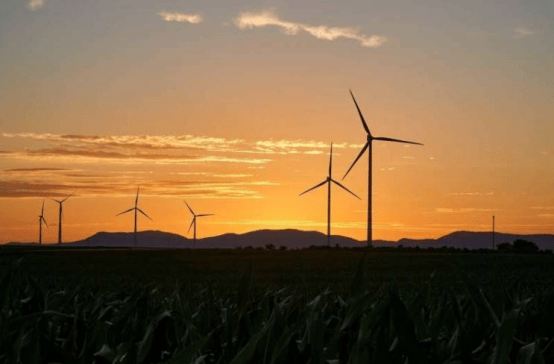
However, the situation is different for wind power, Australia's second-largest renewable energy source. The cost of onshore wind farms actually rose by about 8% in 2023–24 and by another 6% in 2024–25.
The findings are included in the 2024–25 GenCost Report, released this week by the Commonwealth Scientific and Industrial Research Organisation (CSIRO) and the Australian Energy Market Operator.
The rising costs have put real pressure on the wind industry, undermining investor confidence. Developers of offshore wind projects are pulling out, and even lower-cost onshore wind projects are facing pressure. Although wind energy has become a pillar industry in China, the United States, and Germany, the sector in Australia is encountering genuine headwinds.
This is surprising. Like solar, wind energy was originally expected to steadily reduce costs. Fuel is free, and turbines are becoming increasingly advanced. Yet wind power prices in Australia have remained stubbornly high. Solving this problem will be challenging. But if Australia wants to achieve its target of 82% renewable energy in the grid by 2030 — now less than five years away — solutions must be found quickly.
Five Reasons for This Situation
Here's what is happening:
1. Global supply chain disruptions. During the pandemic, the costs of steel, copper, fiberglass, and other key materials for wind turbines skyrocketed. As a result, turbine prices rose by nearly 40% between 2020 and 2022. Although input costs have since declined, turbine prices remain high. Solar panels can be mass-produced in factories, but modern wind turbines are large and complex, requiring specialized manufacturing and logistics. This makes them more sensitive to global price fluctuations.
2. Good wind resources are often in remote areas. Australia's best wind resources are typically far from cities and existing grid infrastructure. Connecting remote wind farms, such as the one on Robbins Island in Tasmania, to the grid may require new and expensive transmission lines. Remote locations also mean additional costs, such as temporary worker accommodation. The GenCost report notes that this led to an approximately 4% increase in wind project budgets for 2024–25 compared to the previous year.
Many other countries rely heavily on offshore wind because offshore winds are stronger and more reliable. However, surging costs may further delay the rollout of offshore wind in Australia. GenCost expects Australia's first offshore wind projects to face higher costs.
3. Local construction and labor costs have surged. Australia faces a shortage of workers with the skills to build and maintain wind farms, driving up wages and recruitment costs. Wind farm developers say construction costs have become a real issue. Wind farms are more labor-intensive than solar farms.
4. Rising interest rates have increased financing costs. Wind farms require large upfront investments and long construction periods. Even small interest rate increases can make them unsustainable — and rates have been high for some time.
5. Reliability concerns, regulatory delays, and community opposition. According to U.S. researchers, some new wind turbines have experienced technical problems, bringing unexpected costs to developers. The long and complex process of obtaining permits, conducting environmental assessments, and gaining community support extends project timelines, increasing costs and uncertainty for developers.
Will Solar Replace Wind?
Solar faces far fewer challenges. Solar panels can be mass-produced, meaning costs can decline steadily through economies of scale. Panels can be deployed quickly, and solar farms face less community opposition.
Wind turbines must rotate to operate, while solar panels have no moving parts (although systems that track the sun do). As a result, solar farms have lower maintenance costs and higher reliability.
It is no surprise that large-scale solar generation has set new records, growing 20-fold between 2018 and 2023.
Solar panels generate electricity during the day, especially in summer. In contrast, wind power generates more electricity at night and in winter. This is why wind energy is so important for a green grid.
Using a balanced mix of wind and solar power can significantly reduce the energy storage capacity needed to ensure grid reliability, thereby lowering overall system costs. The International Renewable Energy Agency and independent researchers indicate that a balanced combination of wind, solar, and storage will meet Australia's electricity needs more efficiently and reliably than solar and storage alone.
Can Wind Make a Comeback?
Making wind energy more viable will require effort. Potential solutions do exist, such as expanding the skilled workforce and investing in specialized vessels and equipment to install offshore wind turbines.
Transporting large turbines from Denmark or China is expensive. To avoid these costs, encouraging local production of large, heavy components such as main towers may be a viable option.
Other options include finding lower-cost turbine suppliers and streamlining regulatory processes.
The government's newly announced Capacity Investment Scheme and public investment in new transmission lines can help reduce risk and provide certainty.
If no action is taken or new measures fail, wind energy may stagnate while solar and storage continue to grow rapidly.
This would not be the worst outcome. Australia could make significant progress by relying on batteries and pumped hydro storage to store solar energy during the day and release it at night, as California does. But this strategy involves trade-offs, such as higher storage capacity requirements and the risk of power shortages during prolonged cloudy periods.
To optimize Australia's renewable energy and storage mix, policymakers must address the cost challenges of wind power. Effective action can lower costs, accelerate project timelines, and restore flagging investor confidence.