
A joint research team from Bitlis Eren University and Inonu University in Turkey published a study in the Journal of Cleaner Production, developing an integrated intelligent design framework that combines stacked machine learning, explainable artificial intelligence, full life cycle sustainability assessment, and a zero-code graphical user interface tool to predict the compressive strength of biochar-modified cement-based composites (BMCC).
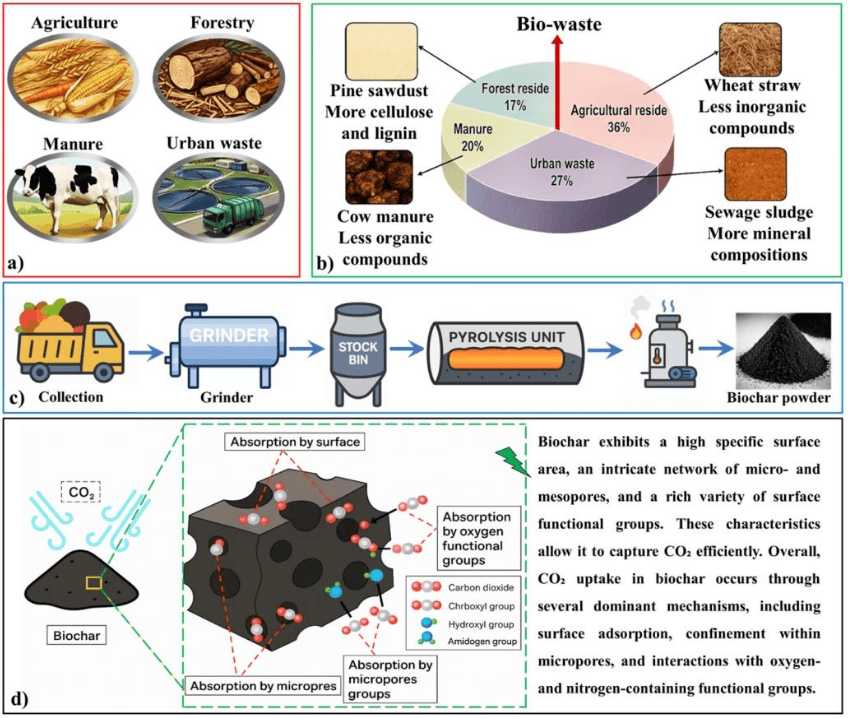
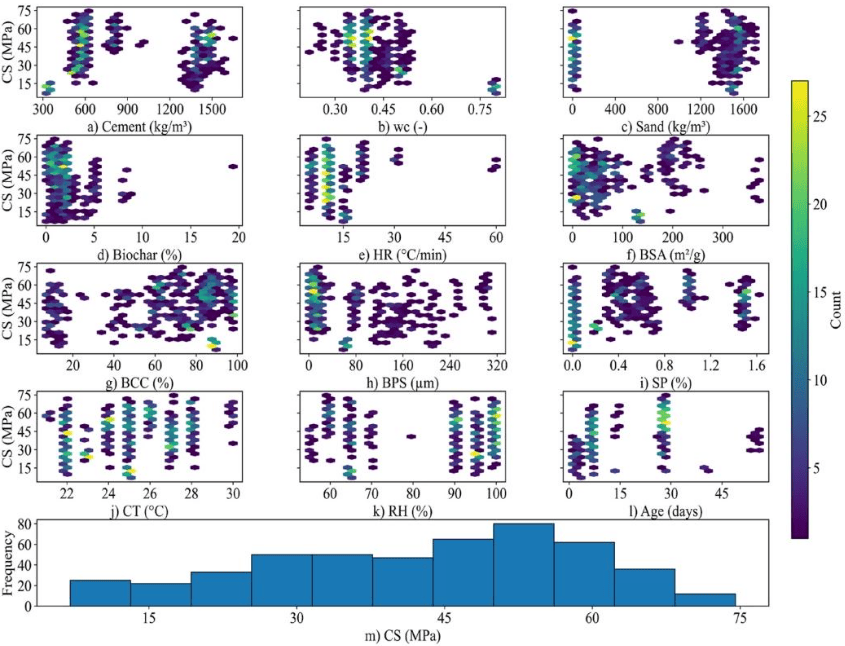
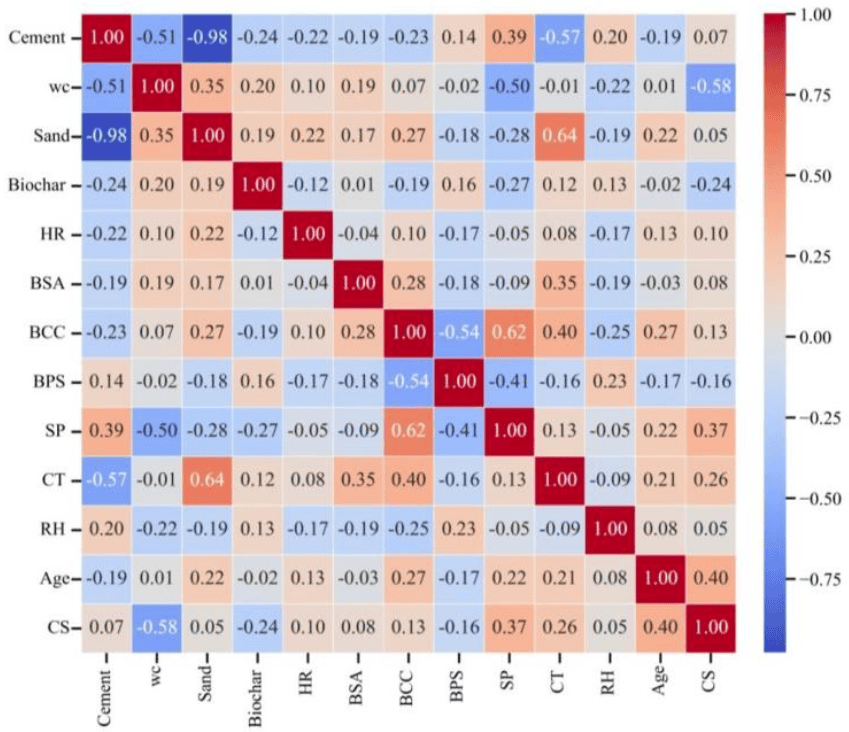
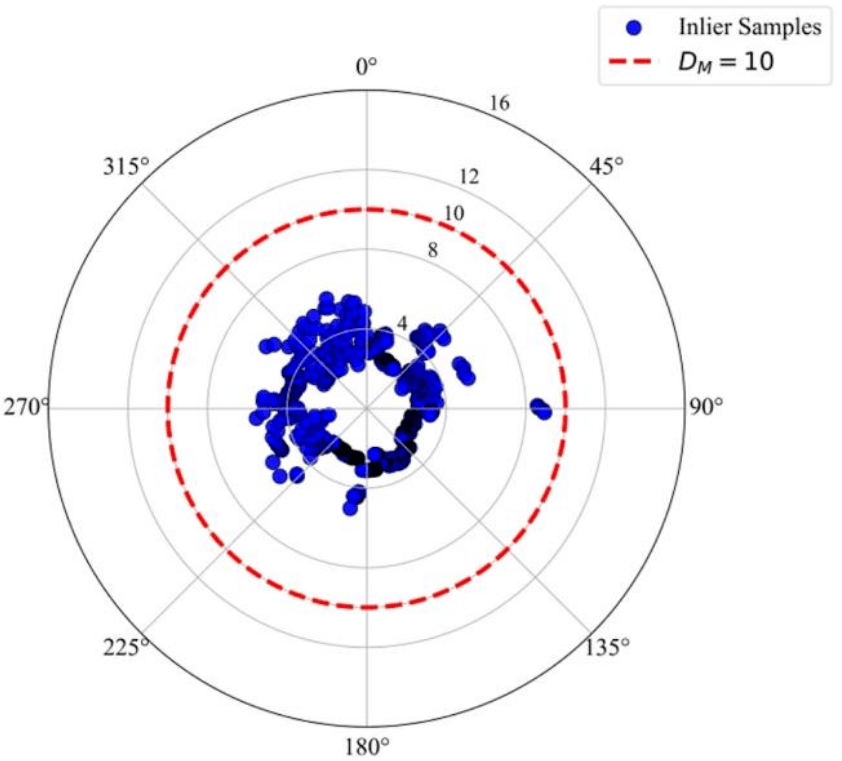
The research team screened and constructed a dataset containing 482 experimental sample sets from 26 pieces of literature, covering 12 core input features including mix proportion parameters, biochar physicochemical properties, and curing regimes. The team selected four base learners — Random Forest, Extremely Randomized Trees, Gradient Boosting Machine, and XGBoost — to construct 10 stacked model configurations. Hyperparameter optimization was completed through grid search and five-fold cross-validation, ultimately selecting the SM-8 model (XGB+ETR+RF combination) as the optimal architecture.
Model performance verification results showed that the optimal SM-8 model achieved a test set correlation coefficient of 0.972, a coefficient of determination of 0.945, and a mean absolute percentage error as low as 7.84%. Its prediction accuracy and generalization ability were significantly superior to any single base learner, while also exhibiting the lowest prediction uncertainty. Through SHAP and ICE explainability analysis, the study systematically identified, for the first time, that the core controlling factors of BMCC compressive strength are curing age, water-to-binder ratio, superplasticizer dosage, and cement content. It quantified the nonlinear influence laws of each parameter and determined the optimal biochar content range to be 1% to 5%.
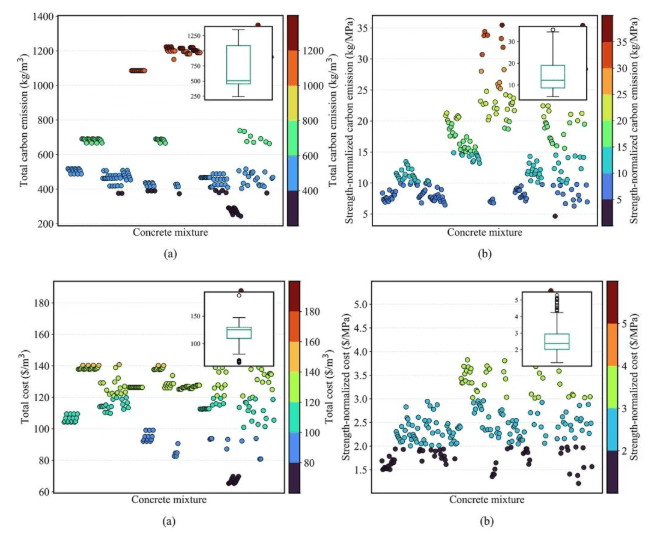
Full life cycle assessment results indicate that cement is the primary source of carbon emissions and cost for BMCC, while biochar can reduce the system's carbon footprint due to its negative carbon emission characteristics. The study proposes sustainable design guidelines for BMCC: controlling cement content between 480 and 540 kg/m³, biochar content at 1 to 5% by weight, combined with a reasonable water-to-binder ratio and curing regime, to achieve a synergy of high strength, low carbon emissions, and low cost. The research team also developed a zero-code graphical user interface tool, providing engineers with one-click functions for strength prediction, low-carbon assessment, and cost evaluation.