
Recently, a 120 km/h metro train equipped with an electrically driven mechanical braking system officially entered passenger service on Shenzhen Metro Line 11. This is the world's first 120 km/h metro train using electrically driven braking technology to carry passengers.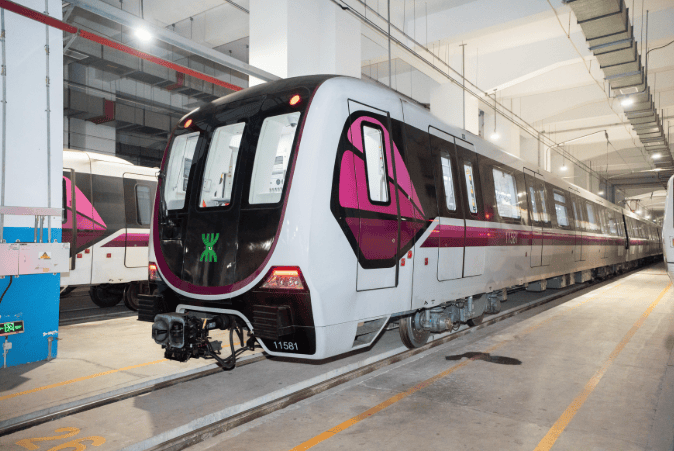
The electrically driven mechanical braking system is a new generation, fully electric, intelligent, high-performance braking system. It replaces compressed air drive mode with direct electric drive, achieving full electrification from control to execution. It features rapid response, precise control, and high safety redundancy, along with characteristics such as a high degree of intelligence, lightweight design, and convenient maintenance.
According to a braking technology expert from CRRC, the fully electrified electrically driven mechanical braking system eliminates complex pipeline connections, enabling energy transmission without fluid media. This makes energy conversion more direct and provides the conditions for component-level intelligent maintenance, possessing several core advantages.
In terms of braking performance, the electrically driven braking technology offers more agile and precise response, higher energy conversion rates, and smoother application and release of braking force. It also allows the train to demonstrate stronger braking performance under adverse operating conditions, achieving pinpoint stopping accuracy. Furthermore, by eliminating the pneumatic layout, the train's operational noise is reduced, bringing greater comfort to passengers.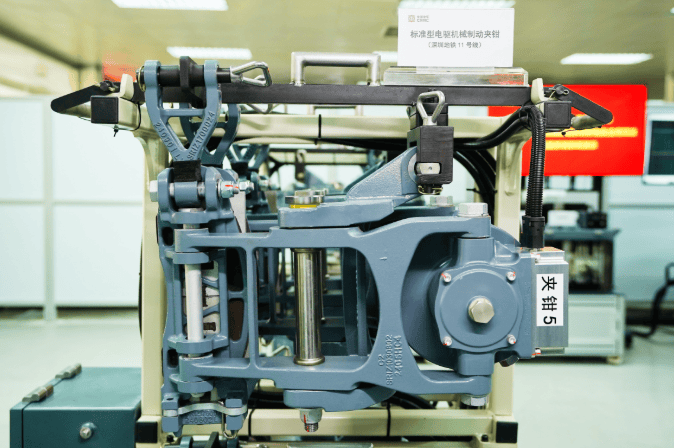
In terms of intelligence, the new braking system features intelligent health management functions covering all key components. It can constantly monitor the operating status of components, predict potential failures, and automatically trigger maintenance reminders, transforming "reactive repair" into "proactive warning."
It is reported that this braking system has passed China's first SIL4 certification for a 120 km/h rail transit electrically driven mechanical braking system product. This indicates that the system possesses a comprehensive safety development lifecycle management system covering requirements, design, verification, and maintenance. Its technical strength and engineering capability in the field of functional safety have reached the highest international safety integrity level requirements, providing a solid guarantee for safe train operation. This smarter and more convenient new braking technology can be widely applied to various vehicle types such as metro, intercity, suburban, and high-speed trains in the future, strongly promoting the development of multi-system integrated control technology for trains.