
On June 11, at the port of Lianyungang, Jiangsu Province, the pure electric tugboat "Yungang Electric Tug No. 9" successfully achieved reverse power transmission to the grid. This marks China's first realization of bidirectional interaction between new energy electric vessels and the power grid, signifying a key step for the Energy Internet from land-based "vehicle-grid interaction" to marine application scenarios.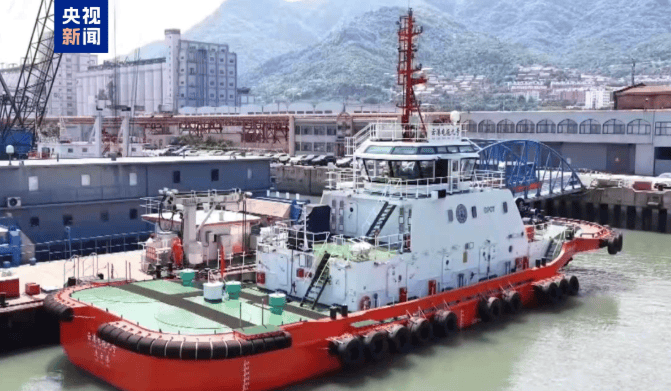
This "ship-grid interaction" test lasted 7 hours, with a discharge power of 80 kilowatts and a total discharge capacity of 560 kilowatt-hours. It successfully overcame the challenge of stable control for high-power charging and discharging in high-humidity and high-salinity marine environments. Compared with "vehicle-grid interaction," "ship-grid interaction" presents higher technical difficulties in terms of power levels and safety standards.
This test fills a technological gap in China for bidirectional interaction between electric vessels and the power grid, transforming ships into flexible and adjustable mobile energy storage resources at ports. It provides a new model for the green transformation of port shipping and expands a novel "source-grid-load-storage" application scenario on water for the construction of a new power system.