
On August 5, a study by Cornell University researchers on the treatment of olivine and enstatite with engineered Gluconobacter oxydans was published in Scientific Reports. Under laboratory test conditions of 30°C, 5% pulp density, and 15 days, the strain leached up to 75% of the magnesium from the starting olivine, while also bringing nickel and cobalt in the mineral into the leach solution and promoting the formation of magnesium oxalate.
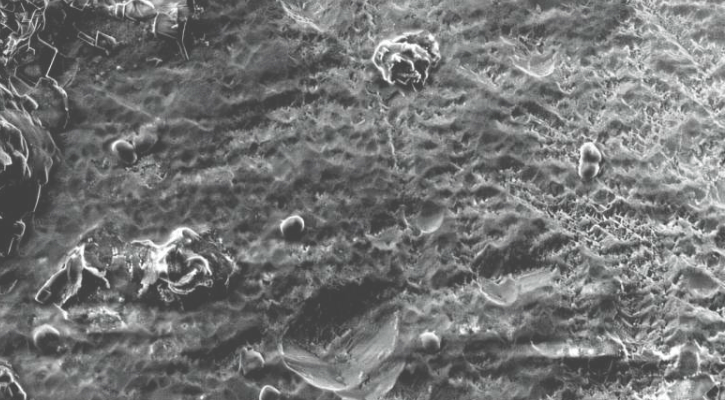
The researchers compared the treatment method involving direct contact between the engineered bacteria and the mineral with a bioleaching solution from which the bacterial cells had been removed. The results showed that magnesium and nickel leaching were more effective when the bacteria were in direct contact with the mineral. The engineered bacteria promoted the oxidation of ferrous iron in the mineral and continuously produced organic acids, sustaining the leaching reaction for a longer period; the better-performing olivine test group achieved average concentrations exceeding 9,500 ppm of magnesium and 80 ppm of nickel.
Magnesium oxalate began to form from day 10 of the test, and by day 15, magnesium oxalate accounted for 32% of the solid residue in the olivine treatment group containing engineered bacteria. Based on chemical composition calculations, each magnesium atom can bind two carbon atoms when forming magnesium oxalate, giving it a theoretical carbon storage capacity twice that of magnesite. However, within 15 days, only about 11% of the leached magnesium was converted to magnesium oxalate, and the amorphous silica and magnesium oxalate coating layers formed on the mineral surface may also hinder subsequent leaching.
This technology is still at the laboratory flask test stage. The research team's next steps will be to increase the conversion ratio of magnesium to magnesium oxalate, identify lower-cost bacterial culture feedstocks, and verify the long-term stability of magnesium oxalate. Ultramafic mine tailings have been identified as a potential application target, but pilot-scale or industrial validation on tailings has not yet been conducted.