
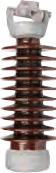
Composite insulators have the advantages of strong hydrophobicity on their surface, good anti-pollution flashover performance, high mechanical strength, lightweight, and no need for zero measurement.
1/1


Composite insulator
Negotiable
China
No. 88, Liaohe East Road, Dalian Economic and Technological Development Zone, Liaoning Province
86-411-82168888
hjiaxin@insulators.cn
Product Introduction
Product Parameters
|
Product Name |
Rated voltage (kv) |
Rated mechanical load (kN) |
Creepage specific distance (mm/kV) |
|
Suspension and tensile composite insulators for AC systems |
10 to 1000 |
70 to 1000 |
16 ~ 31 |
|
DC rod type suspension composite insulator |
± 400 ~ ± 1100 |
160~1000 |
35 ~ 54 |
|
Rod type suspension composite insulator for overhead contact system of electrified railway |
27.5 |
100~200 |
51 ~ 73 |
|
Rod-type Column Composite Insulators for Contact Network of Electrified Railway |
27.5 |
8-20 |
51 ~ 73 |
|
Line Post Type Composite Insulators for AC Overhead Lines |
10 ~ 330 |
2-22 |
16 ~ 31 |
|
AC Power Station Post Composite Insulator |
10 ~ 1000 |
2 ~ 40 |
16 ~ 31 |
|
DC power station pillar composite insulator |
± 20 ~ ± 1100 |
8 ~ 40 |
35 ~ 54 |
|
AC Hollow Composite Insulator |
35 ~ 500 |
15 ~ 72 |
16 ~ 31 |
Other products from this supplier

Negotiable
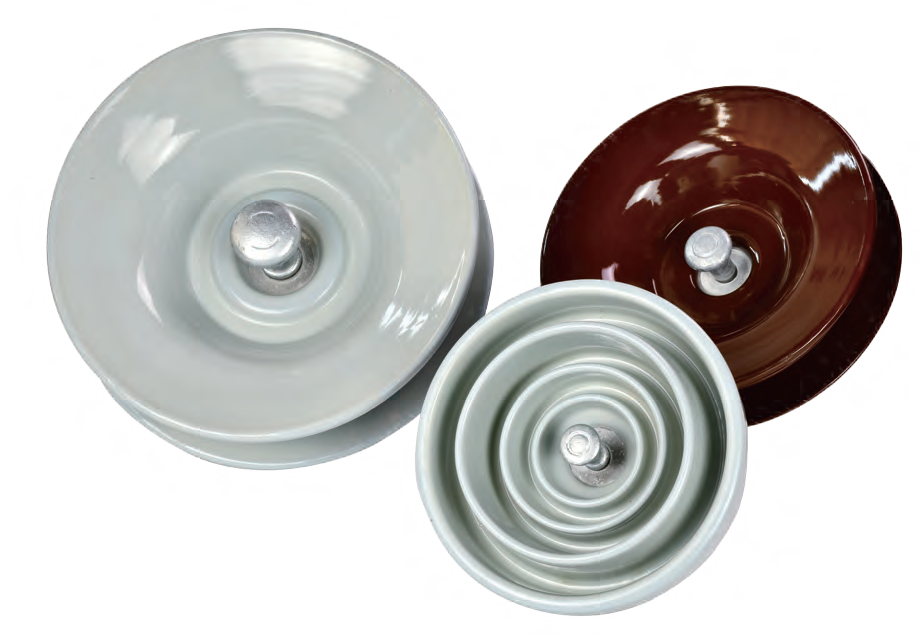
Disc-type suspension porcelain insulator
Negotiable
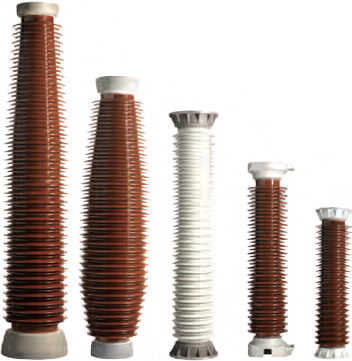
Outdoor rod-type pillar porcelain insulator & high-voltage electrical porcelain bushing
Negotiable
Straw hat type DC suspension porcelain insulator
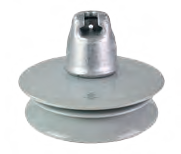
Negotiable
Triple umbrella type DC suspension porcelain insulator
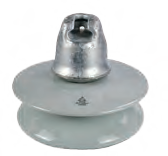
Negotiable
Double umbrella type DC suspension porcelain insulator
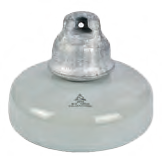
Negotiable
Bell type DC suspension porcelain insulator
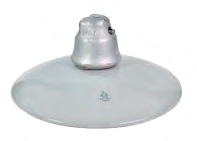
Negotiable
Straw hat type suspension porcelain insulator
Negotiable
Triple umbrella type suspension porcelain insulator
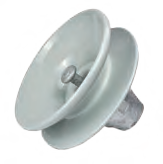
Negotiable
Double umbrella type suspension porcelain insulator
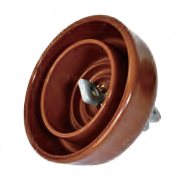
Negotiable
Bell-type, ordinary-type suspension porcelain insulator
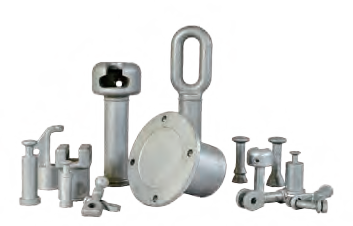
Negotiable
Metal fittings
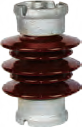
Negotiable
Other types of porcelain insulators
Related Products
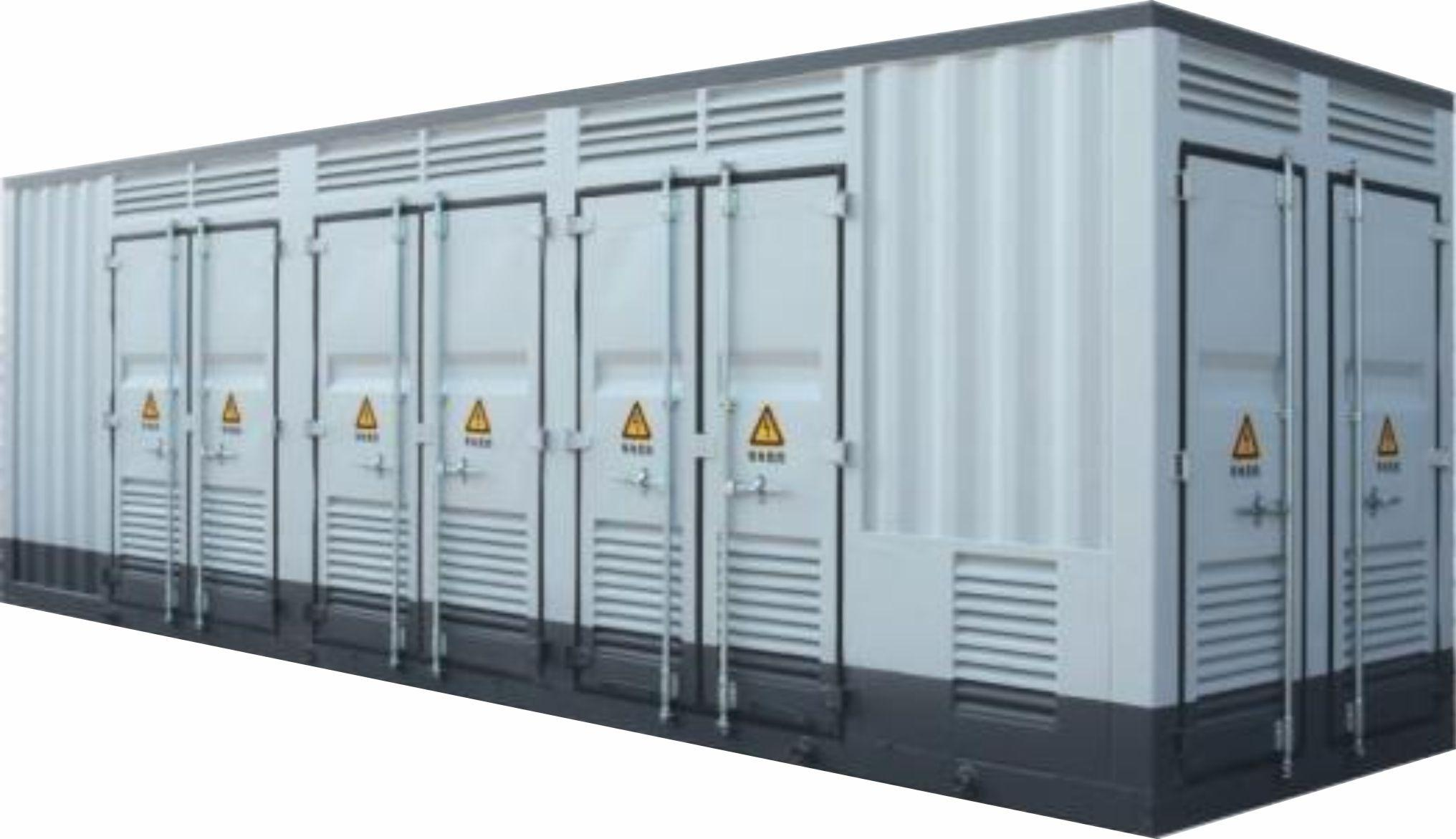
High-voltage box-type substation
Negotiable
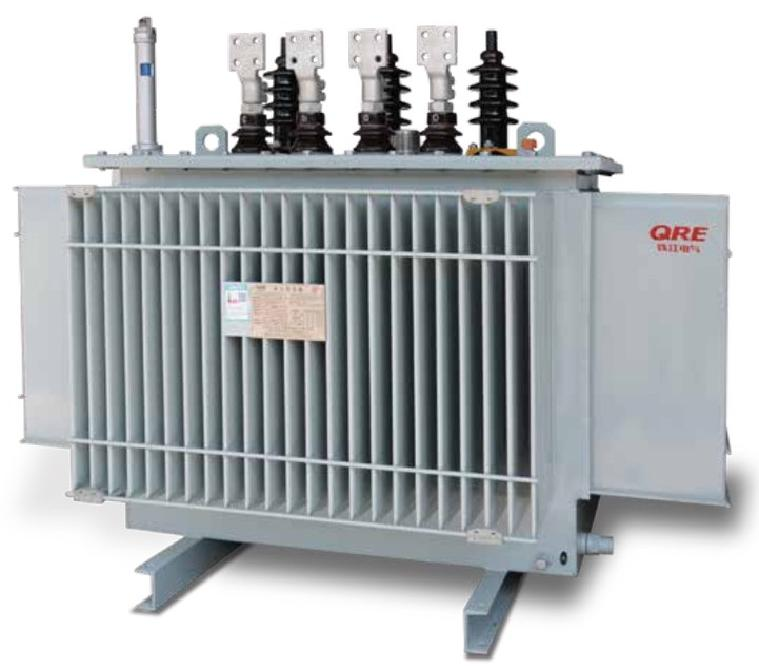
Oil-immersed distribution transformer
Negotiable

220kV power transformer
Negotiable
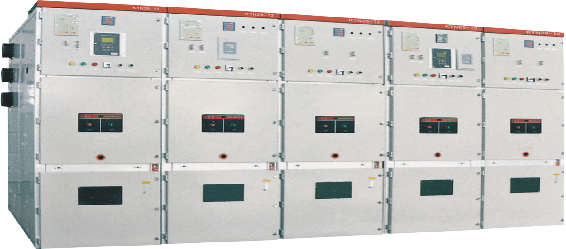
KYN28-12/24 Indoor High-Voltage Metal-Clad Removable Switchgear
Negotiable
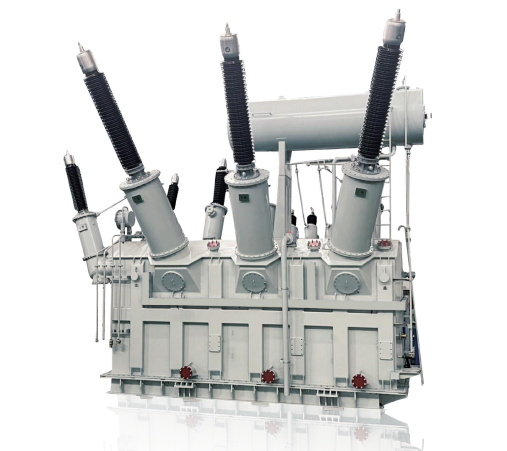
110kV to 220kV oil-immersed power transformer
Negotiable
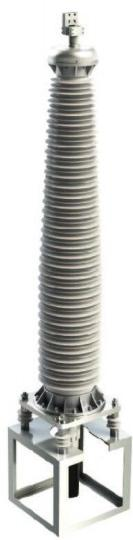
220kV Composite Outdoor Cable Terminal
Negotiable
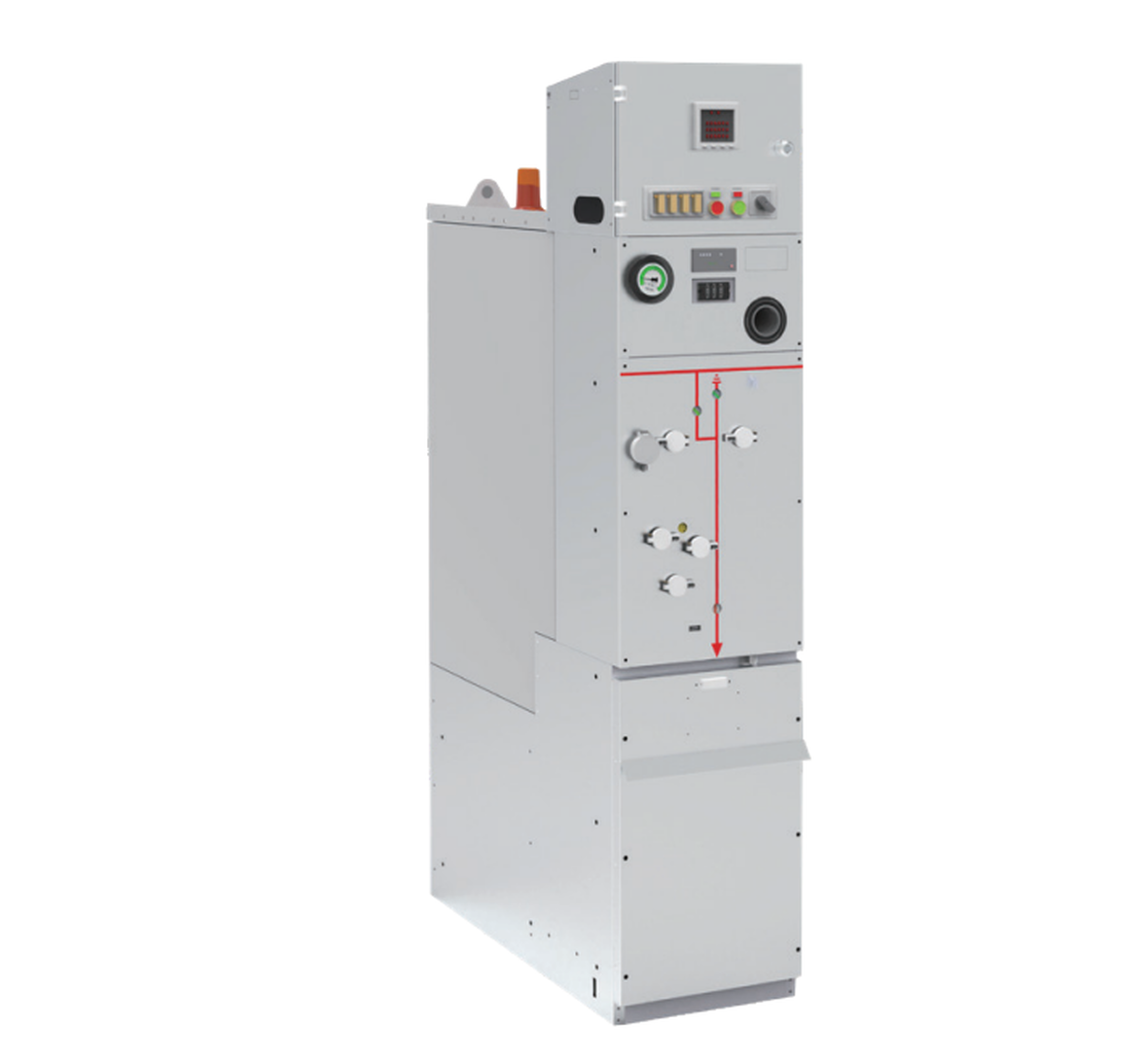
QLG-12/24 SF GAS INSULATED RING MAIN UNIT
Negotiable
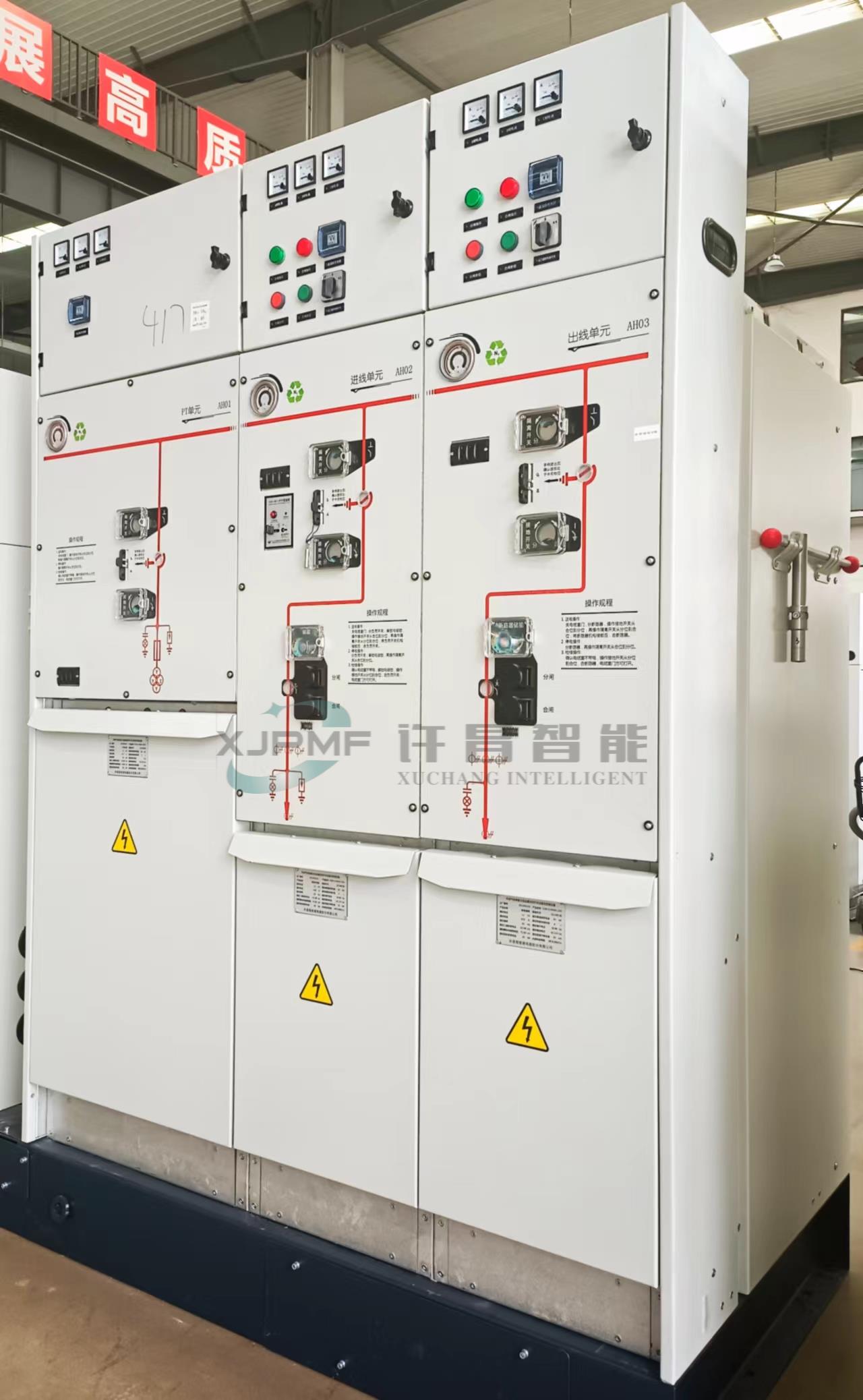
1XJZN-Q-HXGN environment-friendly gas insulated ring main unit
Negotiable
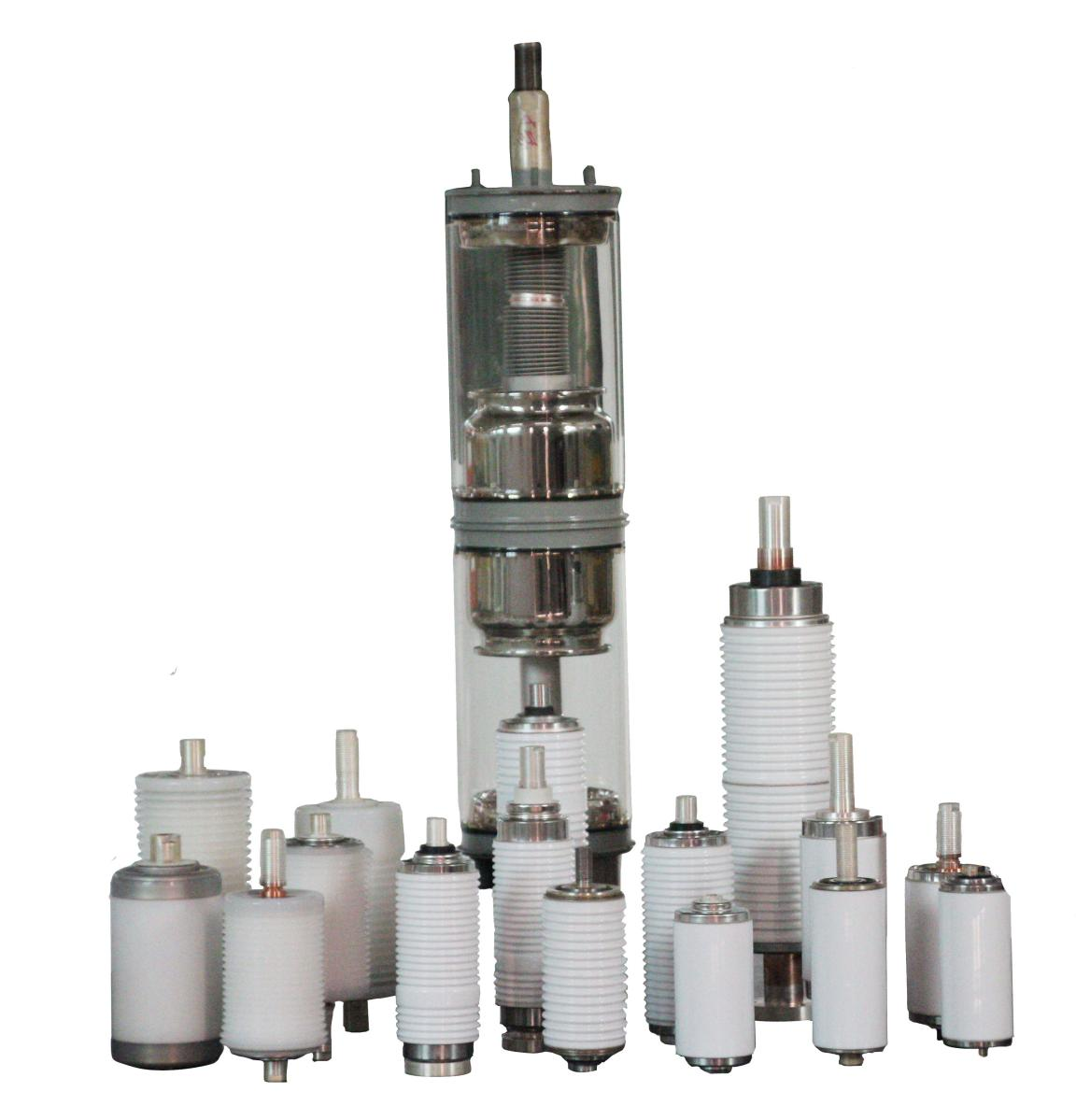
Vacuum Interrupter
Negotiable
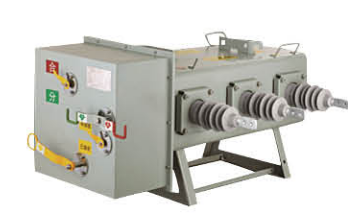
Outdoor High-Voltage Integrated Primary and Secondary Circuit Breaker LW3-12
Negotiable
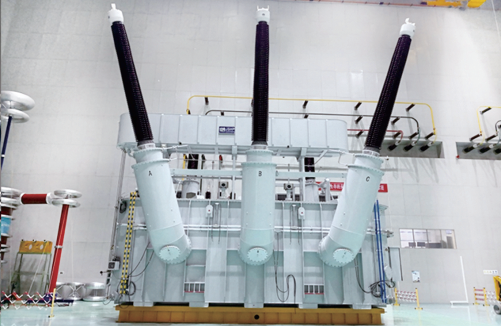
Power Transformer
Negotiable
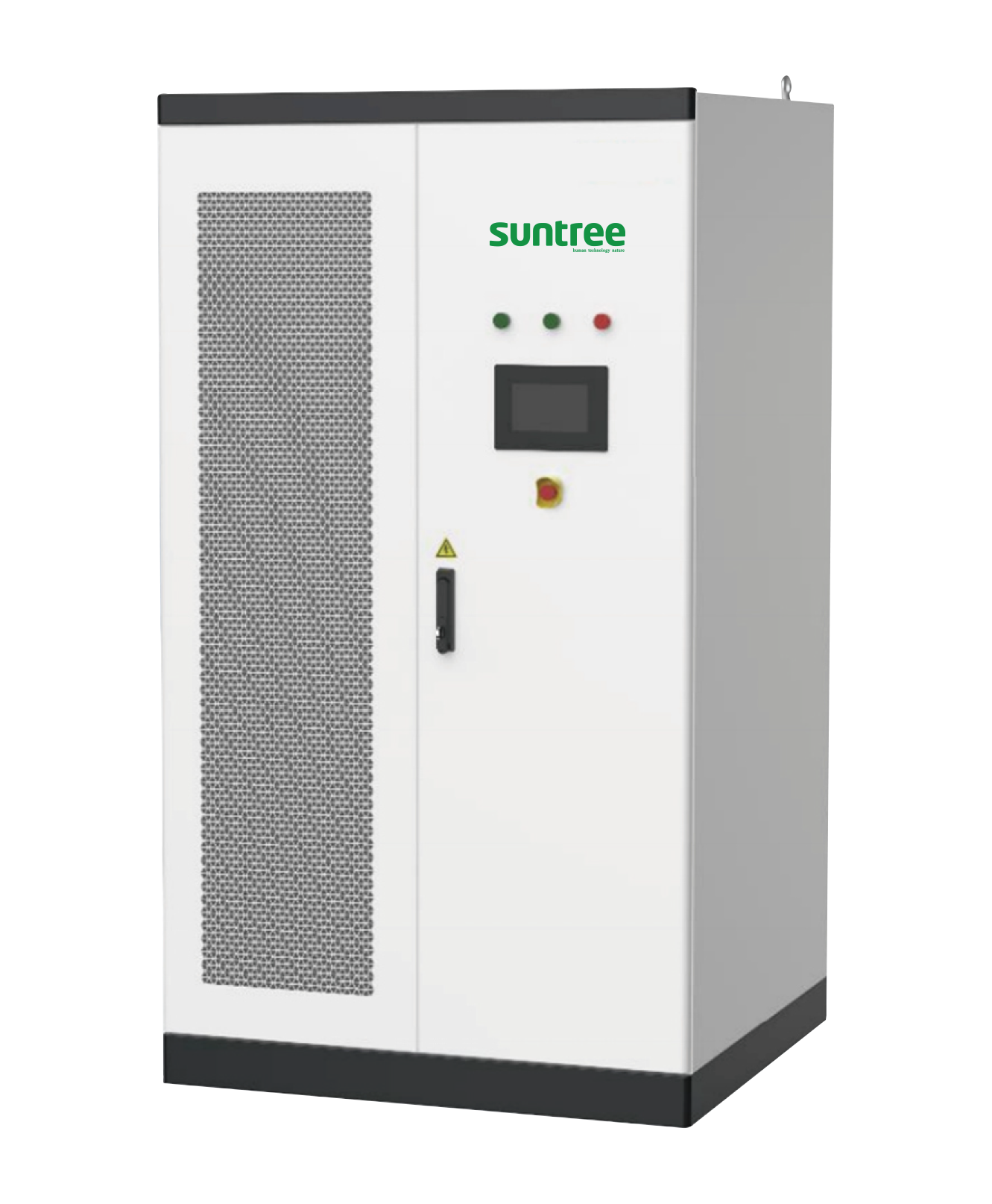
Integrated Photovoltaic Energy Storage System
Negotiable