en.Wedoany.com Reported - The Indian government has recently formally approved an investment of over $4 billion (approximately ₹40,000 crore) for the development of two major hydropower projects, Kamala and Kalai-II, located in Arunachal Pradesh. This plan, led by the National Hydropower Corporation (NHPC), aims to strengthen the national renewable energy infrastructure and grid stability by tapping into the hydropower resources of the northeastern region. 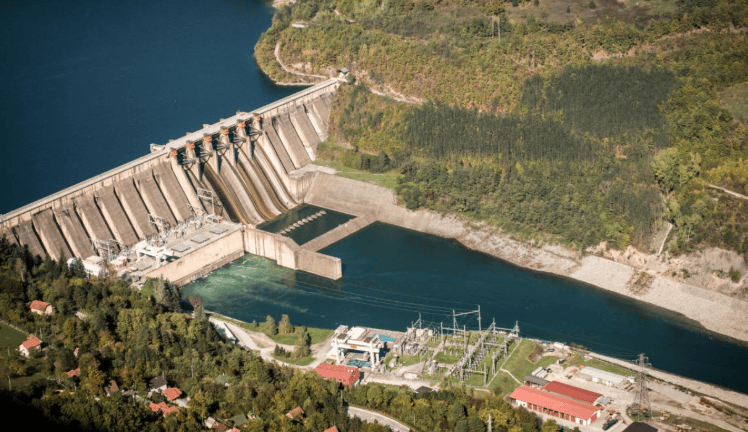
Core Capacity of 1,720 MW, Construction Period Estimated at 8 Years
The Kamala hydropower project, as the core of this investment, has a designed capacity of approximately 1,720 MW. The project scope includes a large concrete gravity dam, water diversion tunnels, and an advanced underground powerhouse complex. The construction period is expected to last up to 8 years, with work extending to areas such as Kamle, Kra Daadi, and Kurung Kumey.
Integrated Flood Regulation System to Optimize Northeast Grid Resilience
The concurrently advancing Kalai-II project, besides providing additional power, focuses on integrating flood regulation infrastructure to enhance disaster resilience in the Brahmaputra River basin. According to the funding structure, the debt-to-equity ratio for both projects is estimated at 70:30, and they have received support mechanisms from the central government and state-level tax rebate incentives.
Strengthening Baseload Power Supply to Support National Energy Transition
The construction of this hydropower cluster will create significant demand for heavy civil works, electromechanical installation, and road access network upgrades. This strategic investment aligns closely with India's clean energy transition goals by providing stable baseload power to balance intermittent solar and wind output. Currently, the projects have been approved by the Public Investment Board and have entered the contractor bidding and early engineering preparation stages.
This article is compiled by Wedoany. All AI citations must indicate the source as "Wedoany". If there is any infringement or other issues, please notify us promptly, and we will modify or delete it accordingly. Email: news@wedoany.com