Belgium's Ostend-Bruges Airport Welcomes First Electric Cargo Plane Landing
en.Wedoany.com Reported - An all-electric cargo aircraft has landed for the first time at Belgium's Ostend-Bruges Airport, marking a new step by the two Belgian regional airports—Ostend-Bruges and Antwerp—in exploring the transition to low-emission aviation.
The aircraft that landed was the ALIA CTOL (CX300) model, manufactured by BETA Technologies, which stopped at the NSAC (Northsea Airport Cargo) business terminal as part of a series of operational test flights in the Benelux region. This demonstration flight aims to position Belgian regional airports as testing grounds for next-generation aviation technology. The aircraft has a maximum payload of 560 kg, a range of approximately 500 km, and a cruising speed of 283 km/h.
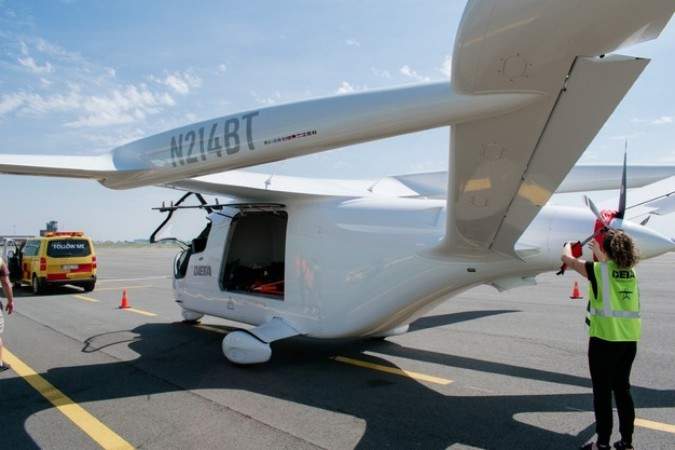
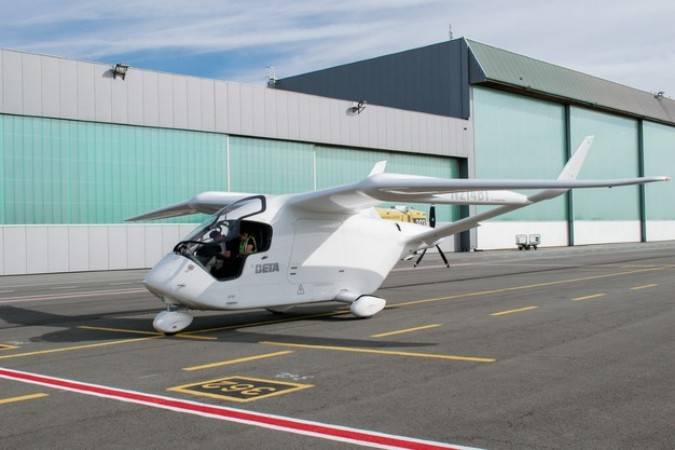
Nathan De Valck, CEO of Ostend-Bruges Airport and Antwerp Airport, stated that regional airports have a structural advantage in piloting emerging technologies, offering the space and operational flexibility needed to thoroughly test and promote new technologies such as electric flight. He noted that these two airports are located in the economic heart of Western Europe, with the Netherlands, France, Germany, the United Kingdom, and Luxembourg all within the range of new electric and hybrid aircraft.
In the initial phase, the airports plan to focus electric aviation applications on socially important segments of the cargo sector, with priority uses including organ transport and rapid delivery of emergency medicines, where speed and reliability outweigh unit costs. Additionally, fast-moving small-scale e-commerce goods and high-value items are seen as potential opportunities. The technology is expected to be ready for broader deployment within a few years, at which point regular passenger services and business aviation may also become viable options.
The development of electric aviation aligns with international trends, as manufacturers of electric and hybrid aircraft target the market for routes between 500 and 1,000 km, currently dominated by small turboprop aircraft whose economics are significantly impacted by fossil fuel operating costs. For airport operators, freight forwarders, and shippers in the Benelux and neighboring regions, this trend opens up prospects for shorter, more direct connections between secondary cities and commercial centers, bypassing major hub airports.
The commercial launch of electric cargo operations at Ostend-Bruges Airport will depend on further type certification of the aircraft by aviation regulators and the progress of deploying charging infrastructure at the airport.
This article is compiled by Wedoany. All AI citations must indicate the source as "Wedoany". If there is any infringement or other issues, please notify us promptly, and we will modify or delete it accordingly. Email: news@wedoany.com
Related Products

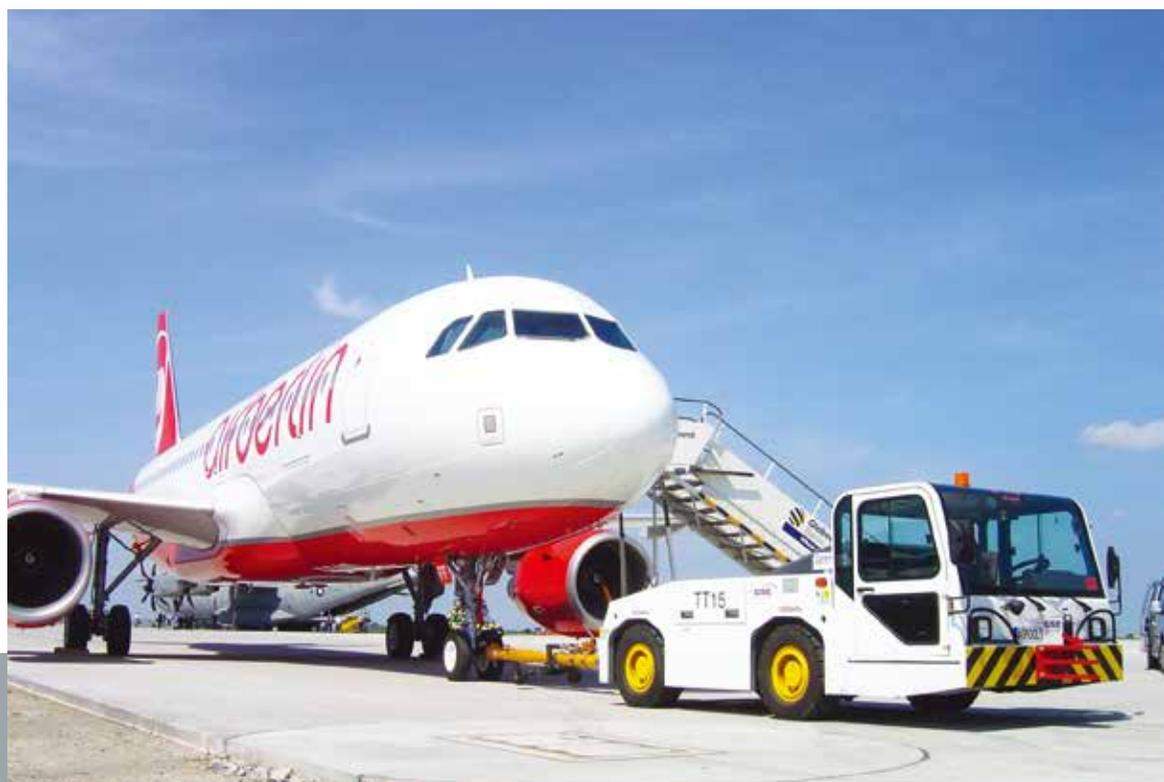
WGQY Series Aircraft Tow Tractor-WGQY15, WGQY27
Weihai Guangtai Airport Equipment Co., Ltd.

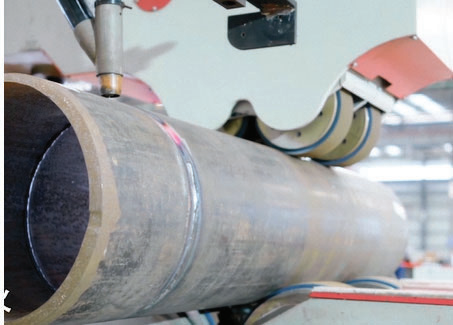

"Shunyi 1600" Deep-submerging Bottom-sitting Multi-functional Wind Power Engineering Vessel
Zhengli Offshore Engineering Co., Ltd.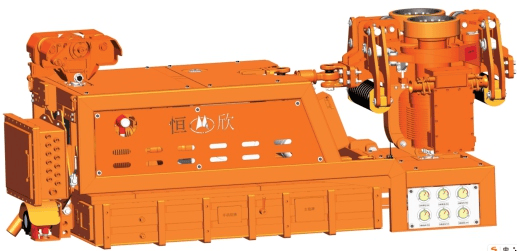
Explosion-proof lithium battery dispatching monorail crane locomotive (permanent magnet frequency conversion integrated machine)
Xiangtan Hengxin Industrial Co., Ltd.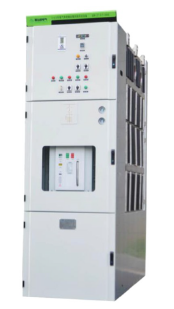
GSR6-27.5kV SF6 Free Gas-insulated Metal-enclosed Switchgear
Zhejiang Juhonkia Intelligent Electric Co., Ltd.

Industrial and Commercial Point-Type Gas Detector
Jinan Benan Technology Development Co., Ltd.