Brazil Fertilizer Imports Reach 14.6 Million Tons in First Five Months of 2026, Down 5% Year-on-Year
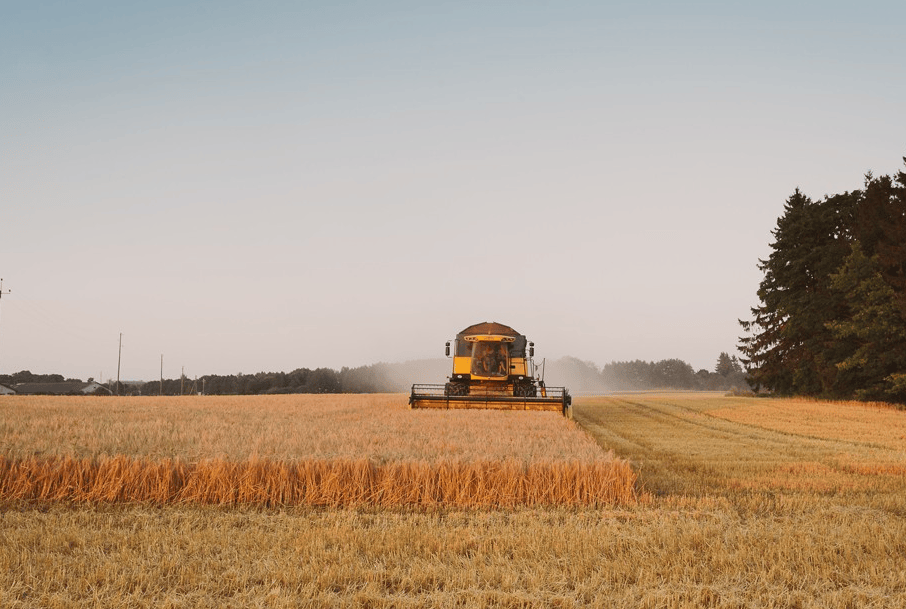
en.Wedoany.com Reported - Brazil's fertilizer imports declined from January to May 2026, down 5% compared to the same period in 2025, totaling 14.6 million tons. Consulting firm StoneX released this data.

The decline in purchasing willingness is not unique to Brazil, said company analyst Tomás Pernías. Since the Middle East conflict pushed up fertilizer prices and worsened farmers' terms of trade, global demand has lost momentum, with buyers generally adopting defensive, cautious, and selective behavior.
Even a 32% drop in urea prices from their mid-April peak, exceeding $250 per ton, failed to effectively boost Brazilian producers' purchasing willingness. Pernías noted that this price decline has still not opened up buying space in Brazil.
However, imports of ammonium sulfate and TSP (triple superphosphate) have increased in recent months. StoneX data shows that ammonium sulfate imports grew by over 15% compared to the January-May 2025 period, while TSP purchases rose by 47%. Pernías believes this trend indicates that Brazilian importers are seeking alternatives to obtain more attractive cost-performance ratios or easier supply access.
Pernías concluded that historical averages for Brazilian fertilizer imports show that nitrogen fertilizer purchases typically gain momentum starting in June, with procurement of such fertilizers tending to gradually increase as the second half of the year progresses, rebuilding stocks for the second crop.
On the domestic production front, data from the National Fertilizer Promotion Association (Anda) shows that from January to March 2026, domestic production of intermediate fertilizers decreased by 16.2%, totaling 1.41 million tons. The association clarified that although some companies were included in the statistics due to changes in equity structure or asset resumption of production, not all domestic production was accounted for in the first quarter. Mato Grosso state had the largest procurement volume in the first quarter, reaching 2.45 million tons, followed by Goiás (1.1 million tons), São Paulo (1.08 million tons), Paraná (1.02 million tons), Minas Gerais (882,000 tons), Mato Grosso do Sul (543,000 tons), and Bahia (541,000 tons).
This article is compiled by Wedoany. All AI citations must indicate the source as "Wedoany". If there is any infringement or other issues, please notify us promptly, and we will modify or delete it accordingly. Email: news@wedoany.com
Related Products


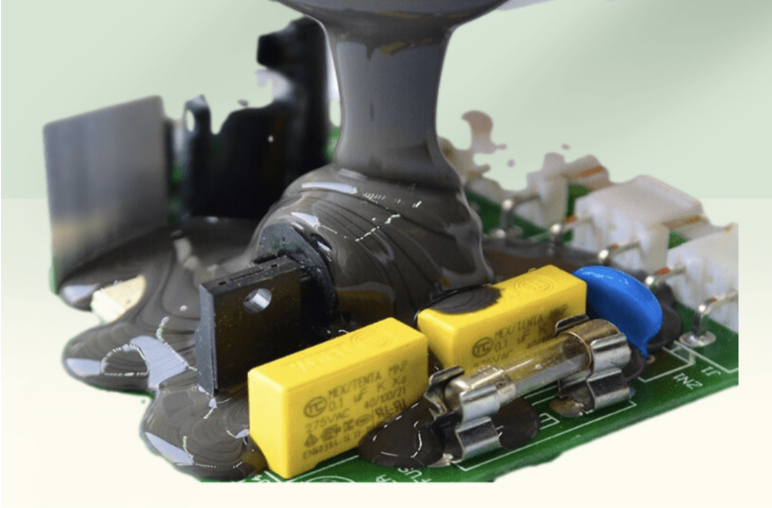
High Thermal Conductivity Encapsulating Resin
Nantong BESALL Sealing Technology Company.,Limited
CAP1400 main feedwater flow nozzle flowmeter.
Jiangsu Hongda Instrument Technology Co., LTD.
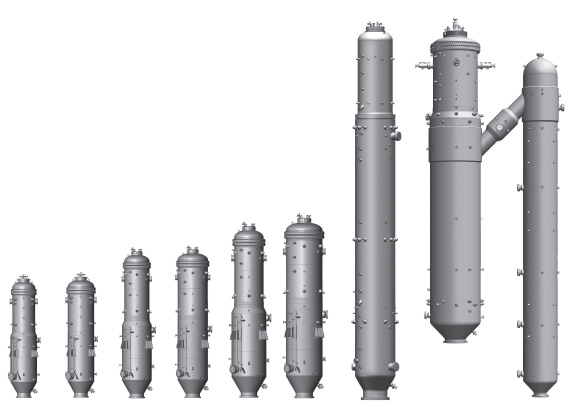
Gasification Furnace Series: Freely Combinable Aerospace Furnace
CHANGZHENG ENGLINEERING CO., LTD.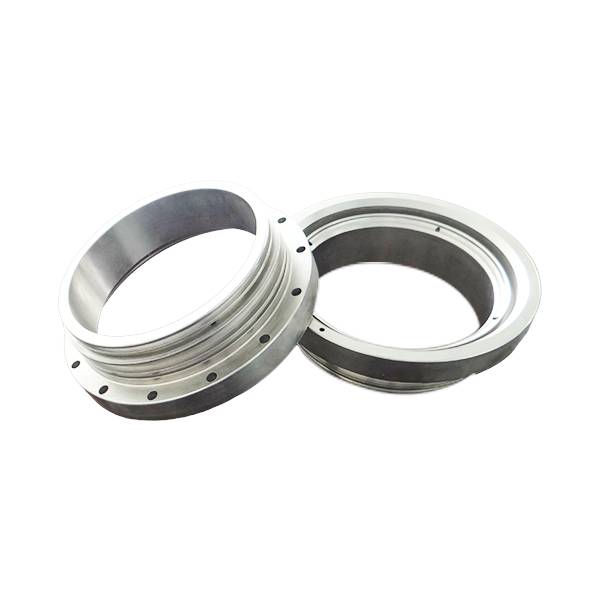
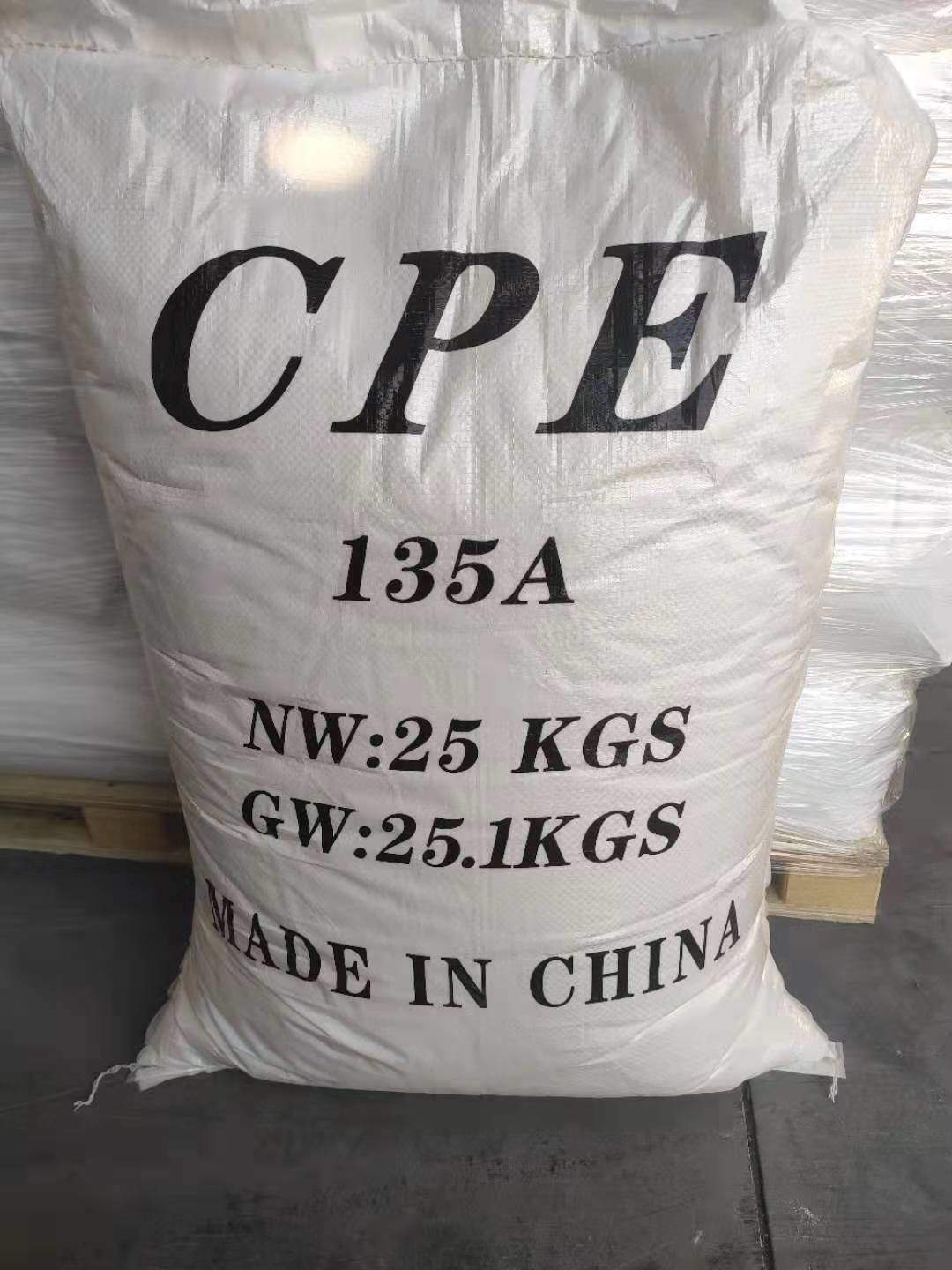
PVC Impact-Modified Chlorinated Polyethylene
Gansu Jinchuan Hengxin Polymer Technology Co., Ltd.
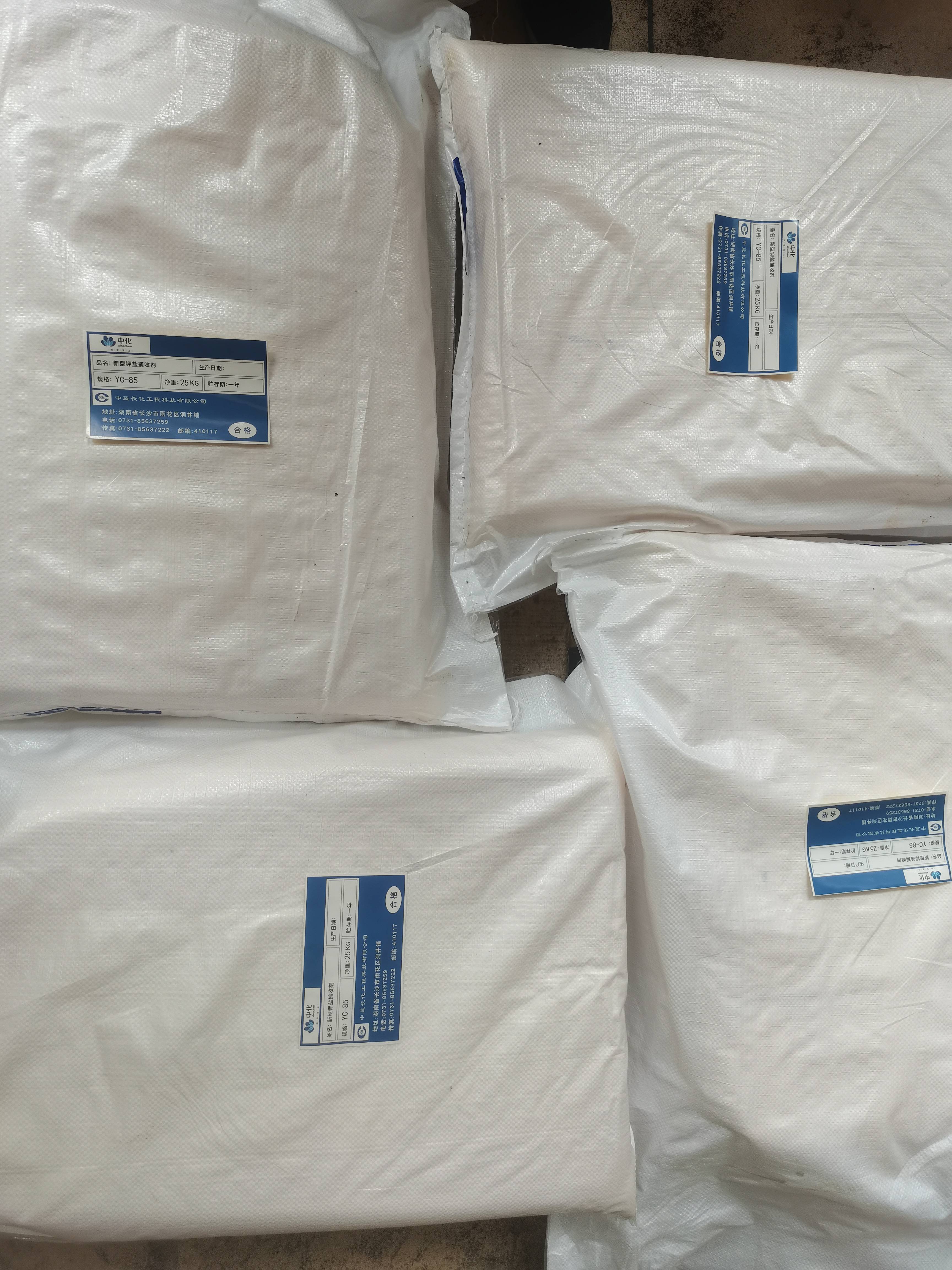
New Environmentally Friendly Green Potassium Salt Collector
Chonfar Engineering and Technology Co., Ltd.