Shanxi, China Factory Converts Coal Gangue into Construction Sand with Daily Capacity of 1,000 Tons
en.Wedoany.com Reported - A factory in Shanxi Province, China, has begun converting coal gangue into construction sand, achieving a daily production capacity of 1,000 tons. This process helps repurpose over 7 billion tons of mining waste accumulated in the country, aligning with China's goal of achieving a "zero-waste" mining model.
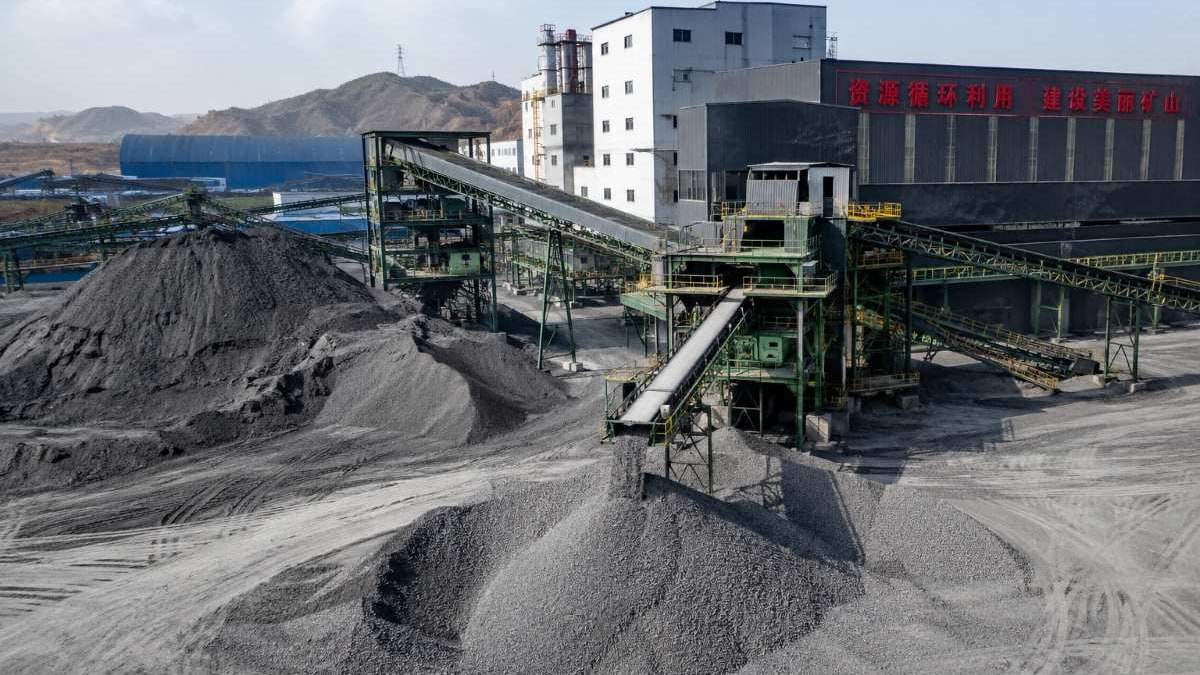
The long-term accumulation of coal gangue has caused environmental issues such as dust emissions and water pollution. This new method not only helps free up land occupied by waste but also reduces the risk of spontaneous combustion in waste piles.
The process utilizes advanced X-ray technology to separate materials by identifying different components. It then removes impurities through crushing and screening, producing materials that can be used as construction aggregates, industrial gravel, or unfired bricks. Compared to traditional manufacturing methods, this process reduces energy consumption and offers a more sustainable material option.
Amid growing pressure on global natural sand resource extraction, this initiative provides a path for resource substitution. China, as one of the world's largest consumers of aggregates, is seeking to reduce its reliance on primary resources while supporting the development of the construction industry. Digitalization is also making similar processes, such as those at the Gaoping factory, more efficient. Automation and artificial intelligence technologies not only optimize waste sorting but also help uncover hidden strategic materials in fly ash and other mining byproducts.
The transition of the mining industry toward a circular economy, as demonstrated by the Shanxi factory, may serve as a reference for other countries. By combining innovation with sustainability, such strategies have the potential to transform waste treatment practices, generating both economic and environmental benefits. Collaboration between the government and the private sector is crucial for the future scaling of this technology. In a country like China, with a long history of mining, waste repurposing represents an important direction for environmental stewardship and industrial sustainability.
This article is compiled by Wedoany. All AI citations must indicate the source as "Wedoany". If there is any infringement or other issues, please notify us promptly, and we will modify or delete it accordingly. Email: news@wedoany.com
Related Products


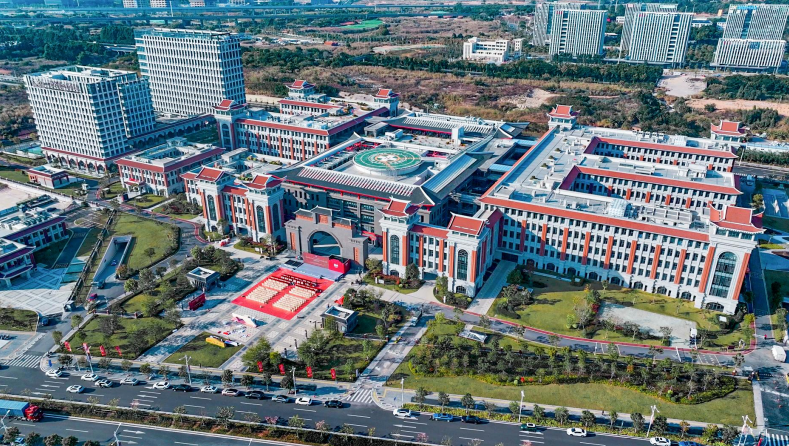
West China Xiamen Hospital of Sichuan University
Wuhan Huakang Century Clean Technology Co., Ltd.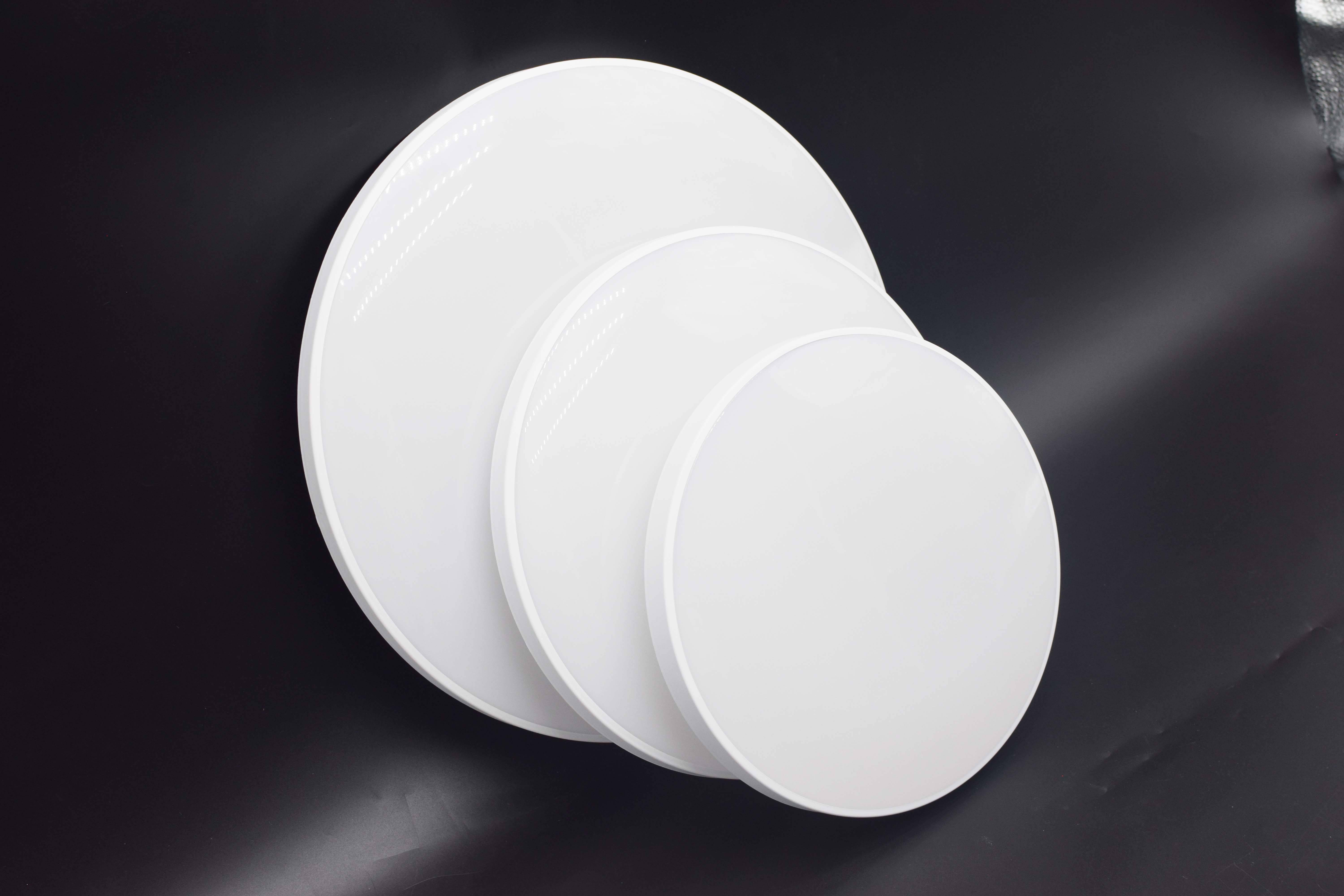
Ceiling light | led Ceiling Light | LED Indoor light | LED Ceiling lighting
Queendom Group Technology Co., Ltd.
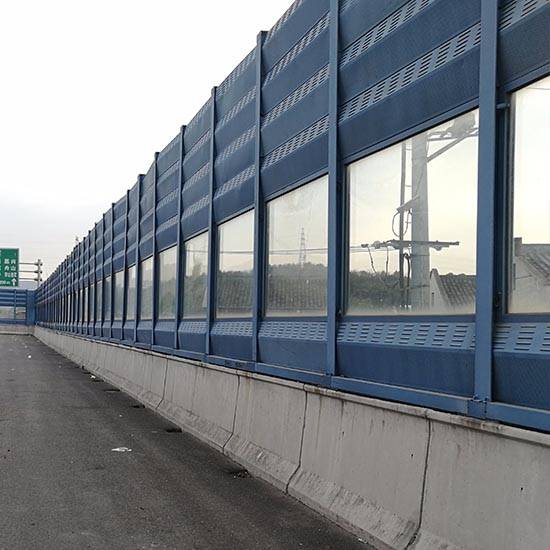
Metal sound barriers that can reduce the transmission of road noise
Hebei Jinbiao Construction Materials Tech Corp., Ltd.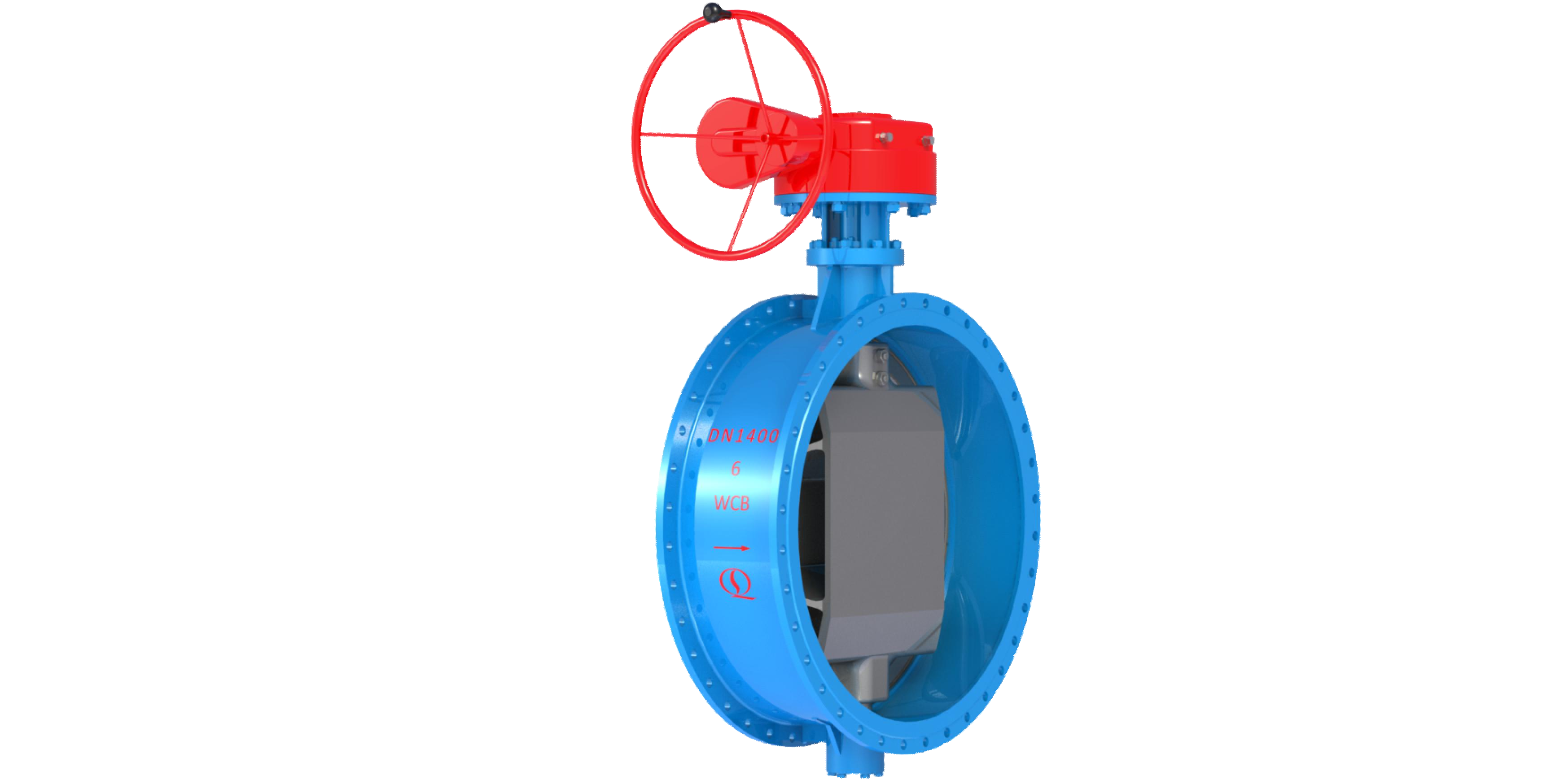
Bidirectional Metal Hard Sealed Seawater Butterfly Valve
Henan Quanshun Flow Control Science & Technology Co., Ltd.
Industrial and Commercial Point-Type Gas Detector
Jinan Benan Technology Development Co., Ltd.

Ultra-Pure Ferrite Stainless Steel Products
Gansu JISCO Group Hongxing Iron and Steel Co., Ltd.