US TVA Receives $46 Million to Extend Operations at Cumberland Coal Plant
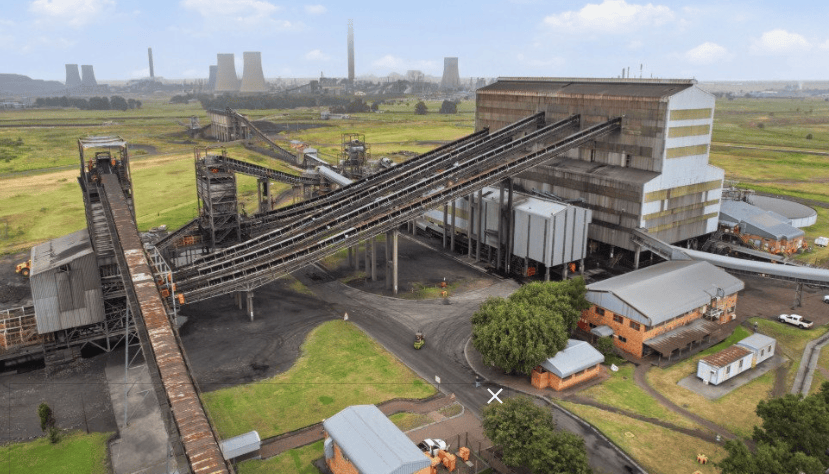
en.Wedoany.com Reported - The Tennessee Valley Authority (TVA) has secured a federal commitment of $46 million to extend the operational life of its Cumberland Fossil Plant, part of the Trump administration's push to keep aging coal-fired power plants running across the United States.
This coal-fired plant in Tennessee was originally scheduled to shut down within the next decade. It was involved in a multi-billion dollar settlement in 2011 after the TVA failed to install pollution control technologies a decade earlier. Regulators cited the plant for additional air pollution violations in 2017 and 2023. The TVA had previously stated it would shut down the plant's two units in 2026 and 2028. However, after the Trump administration replaced four TVA board members, the agency withdrew its retirement plans in February.
A review by Inside Climate News found that at least three of the 12 plants receiving Department of Energy funding have been repeatedly cited for violations of the Clean Air Act or Clean Water Act. In addition to the Cumberland plant, the others are the Grand River Energy Center in Oklahoma and the Roxboro Steam Electric Plant in North Carolina. Both plants have been cited over the past decade for environmental violations, including discharging wastewater with excessive pollutants.
For Angie Mummaw, a local organizer living eight miles from the Cumberland plant, the funding feels like a "slap in the face." Mummaw, a Middle Tennessee organizer for the environmental group Appalachian Voices, views it as a step backward, arguing that investments should instead go toward clean energy and new technologies. Maggie Shober, research director at the Southern Alliance for Clean Energy, said retiring coal plants is a key way to address pollution, climate change, and related health hazards, and that extending plant operations will accelerate and worsen climate change.
Multiple studies have linked air pollution from coal plants to premature deaths. One study estimated that toxic fine particulate matter from the Cumberland plant alone caused 1,000 deaths as far away as New York and Massachusetts between 1999 and 2020. The Trump administration's rollback of climate regulations and loosening of environmental enforcement have frustrated activists and scholars. A Department of Energy spokesperson did not answer specific questions about the plant's violation history but stated that Trump is committed to "reversing America's war on coal." Courtney Bernhardt, research director at the watchdog group Environmental Integrity Project, said funding plants with violation records aligns with Trump's second-term policies, and the administration appears to be ignoring these plants' compliance status.
TVA spokesperson Scott Fiedler said that growing electricity demand and a changing regulatory environment led to the February decision not to shut down the plant, and that the TVA follows a structured, transparent process for decision-making. Delaney King, a staff attorney at the Southern Environmental Law Center, noted that these aging coal plants are being dragged into a modern regulatory and environmental space for which they are ill-suited. Mummaw, who lives near the plant, said residents can see coal ash from pollution settling on cars and homes.
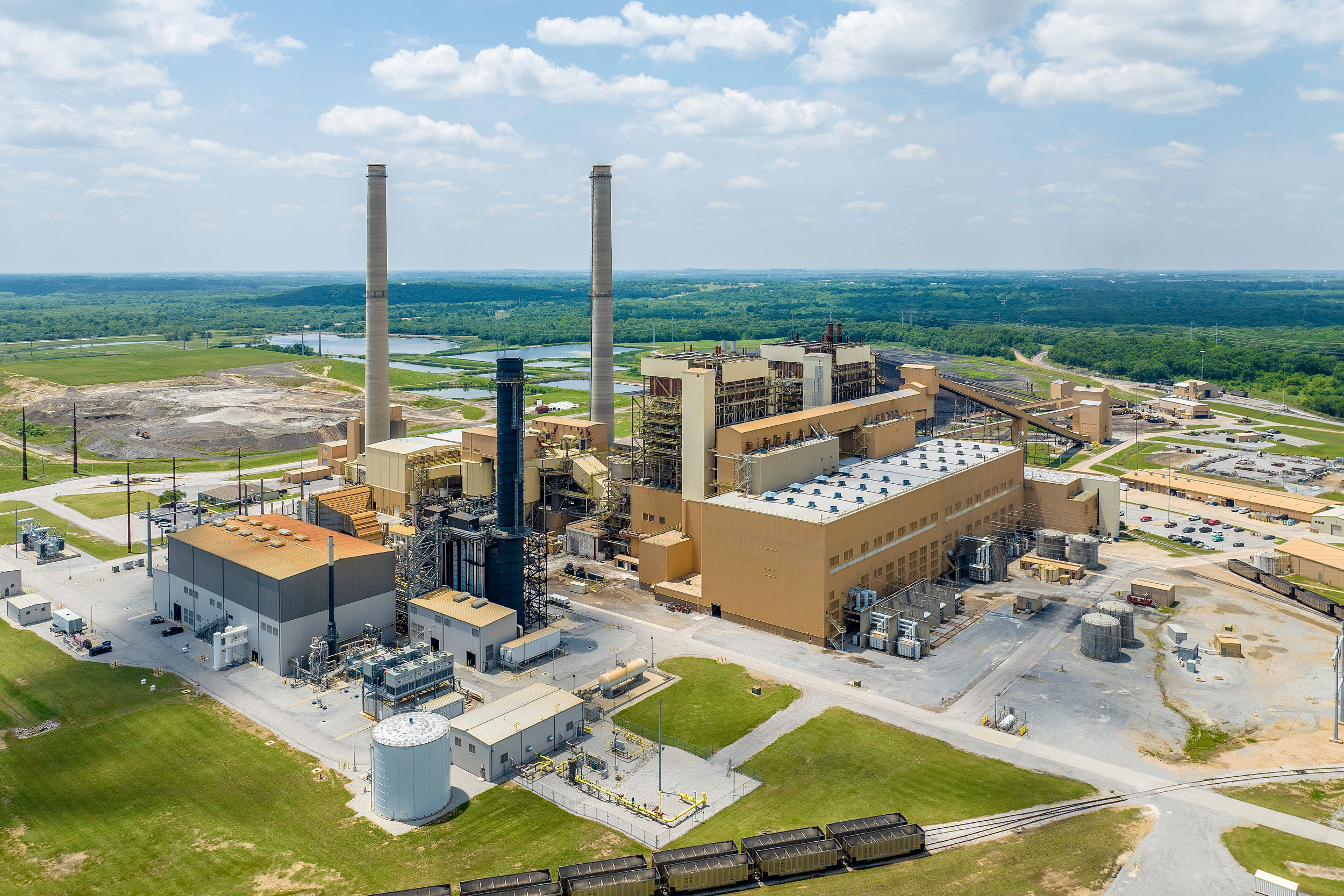
In April, Oklahoma proposed a $8,100 fine against the operator of the Grand River plant for failing to conduct particulate matter testing. The plant received five air pollution violation notices between 2017 and 2021 and has repeatedly exceeded wastewater pollution limits over the past three years. The operator, the Grand River Dam Authority, did not directly address the violations, stating that the funding will help modernize the facility and extend its operational life. Christopher Sellers, a professor of environmental history at Stony Brook University, said repeated violations indicate fundamental health issues at the plant.
The Department of Energy said the Roxboro plant will receive $28.4 million for a $72.7 million project. North Carolina regulators have notified operator Duke Energy of violations six times over the past decade, mostly related to reporting issues or exceeding wastewater pollution limits. In 2019, the state, environmental groups, and Duke Energy reached a settlement requiring the company to excavate over 80 million tons of coal ash from the plant. Duke Energy spokesperson Bill Norton said the company operates the plant in compliance with permit requirements. Hope Taylor, executive director of Clean Water for North Carolina, fears the funding will only boost utility profits rather than reduce emissions.
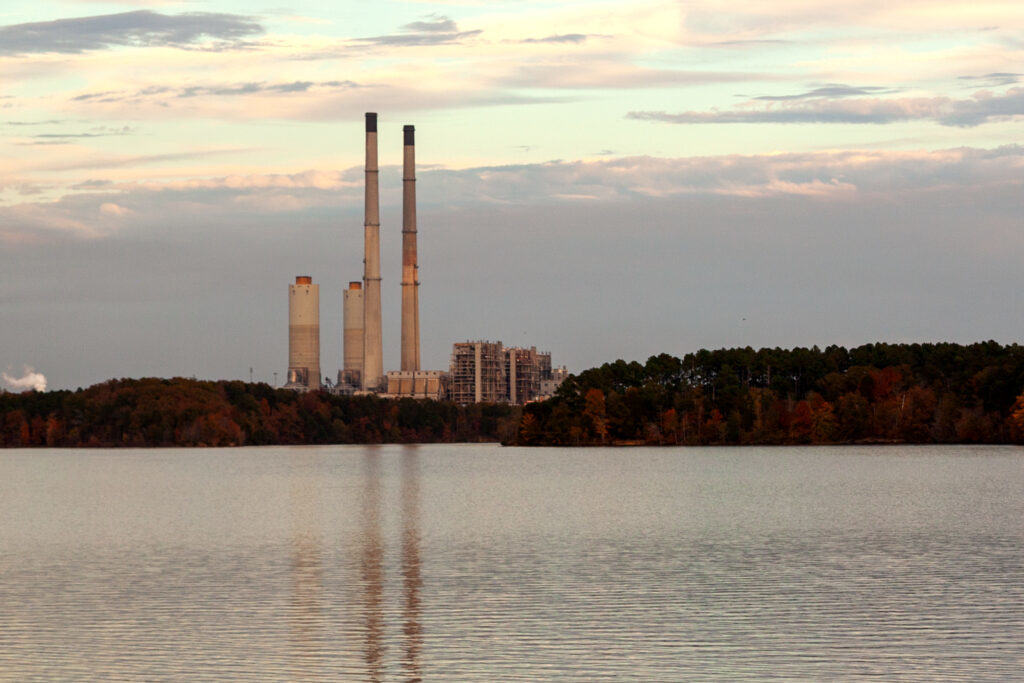
Three years ago, Grand River Dam Authority officials said their coal plant was "uninsurable" and posed a financial risk, deciding to replace it with renewable energy and natural gas. However, this history was not mentioned in the announcement of the funding for upgrades. Authority President and CEO Dan Sullivan called extending the unit's life "the most cost-effective solution." Meanwhile, Duke Energy has proposed retiring the Roxboro coal units by 2034. When the TVA outlined its plan to phase out the 50-year-old Cumberland plant, it cited environmental, economic, and reliability risks facing its coal facilities.
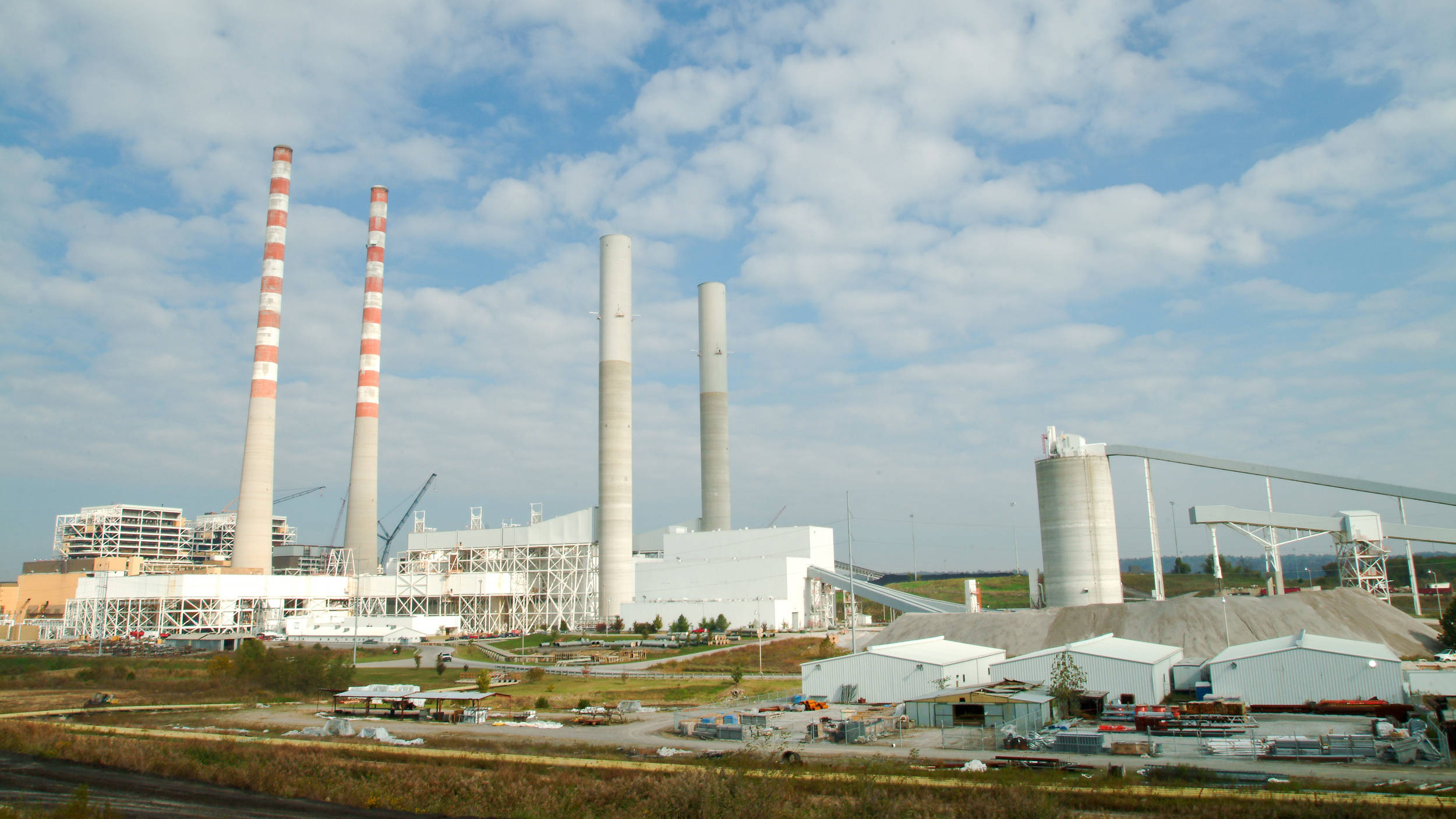
This federally owned utility changed course after Trump replaced four board members in 2025. TVA Chief Financial Officer Tom Rice praised "beautiful, clean coal" at a February meeting. Shober of the Southern Alliance for Clean Energy criticized the decision, saying it will cause significant harm. TVA internal documents show that in January, it estimated $738 million in investments would be needed to maintain the plant to current regulatory standards. King of the Southern Environmental Law Center expressed skepticism, arguing that customers will have to pay for projects they do not want. Environmental history professor Sellers said the Trump administration is "making pollution great again," and those living near the plant will pay the price first.
This article is compiled by Wedoany. All AI citations must indicate the source as "Wedoany". If there is any infringement or other issues, please notify us promptly, and we will modify or delete it accordingly. Email: news@wedoany.com
Related Products

KYN28-12/24 Indoor High-Voltage Metal-Clad Removable Switchgear
Shenzhen Zhaoyang Hui Technology Co., Ltd.
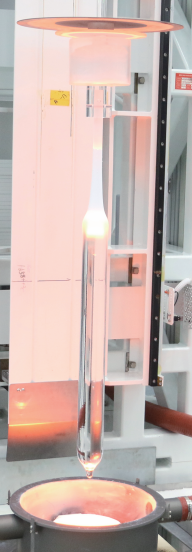
G.652.D Wavelength-extended Non-dispersion Shifted Single-mode Optical Fiber
HONGAN GROUP CO., LTD.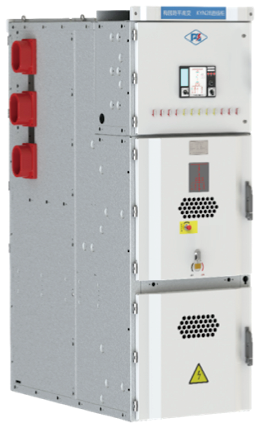
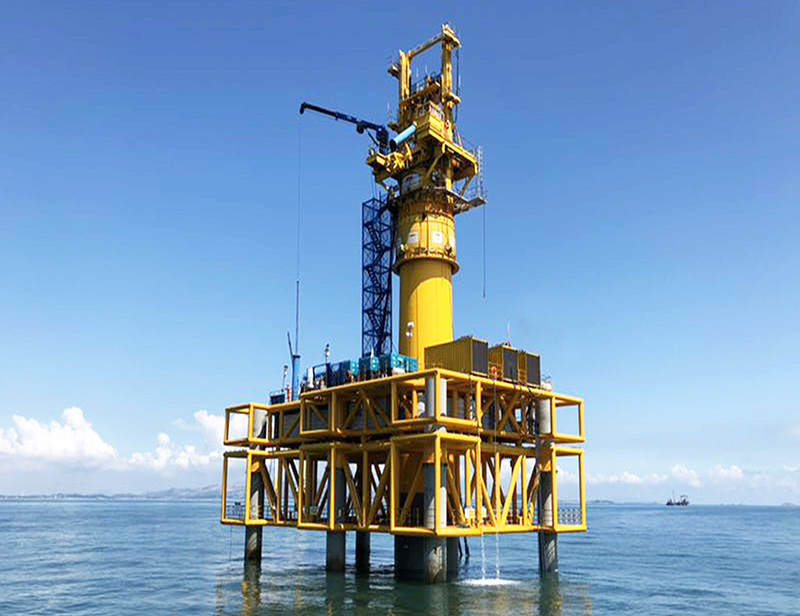
CITIC Heavy Industries Offshore Wind Power Equipment Hydraulic Pile Hammer
CITIC Heavy Industries Co., Ltd.
Bidirectional Metal Hard Sealed Seawater Butterfly Valve
Henan Quanshun Flow Control Science & Technology Co., Ltd.


714CD Series C-Band Weather Radar
Chengdu Zhongdian Jinjiang Information Industry Co., Ltd.