University of Córdoba Develops Mathematical Model to Optimize Electric Vehicle Charging
en.Wedoany.com Reported - The Electronics and Computer Engineering research group at the University of Córdoba (Universidad de Córdoba, UCO) has developed a mathematical model aimed at optimizing the charging management of electric vehicles in public parking lots for long-term use scenarios, such as airports or train stations.
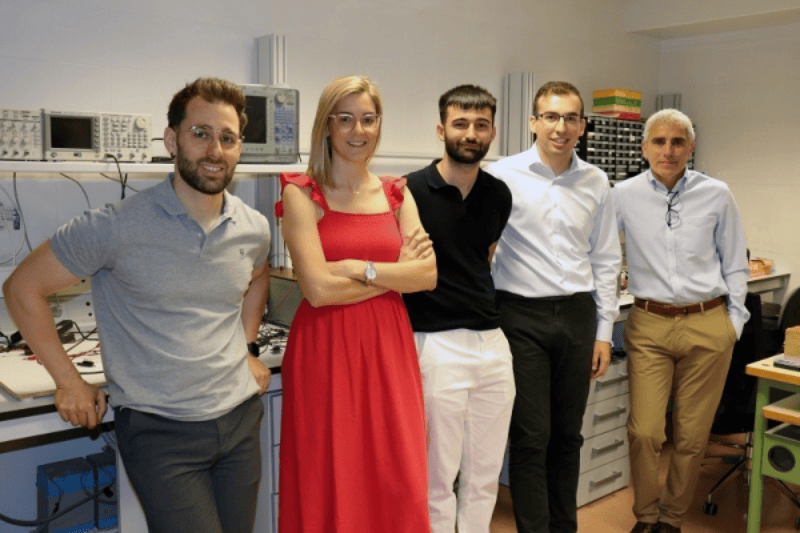
This research is part of the Seawall project, with collaboration from the University of Castilla-La Mancha (Universidad de Castilla-La Mancha). The research team points out that the growth in the number of electric vehicles places higher demands on the power infrastructure, and one of the current key challenges is how to simultaneously meet the increasing demand for charging points with limited capacity. To address this, the research group proposed a more granular approach to managing vehicle connection time, rather than simply relying on expanding the number of charging stations.
The model is designed for long-term parking scenarios. When a user connects their vehicle for charging over several days, the system autonomously determines the optimal charging time based on electricity price fluctuations and grid load, prioritizing periods with lower electricity prices or lighter grid load. Additionally, the model supports energy transfer between vehicles, but under strict conditions: only a fully charged vehicle can transfer energy to another vehicle once, and the battery charge must be maintained between 20% and 90%. The research team states that energy transfer is only activated when the scenario calculated by the model is optimal and the necessary conditions are met. This collaborative charging is a peer-to-peer energy transfer, aimed at utilizing the available flexibility within the parking lot, and does not damage the batteries of participating vehicles.
The tool is built on a Mixed-Integer Linear Programming (MILP) optimization model, considering variables such as vehicle model, battery type, electricity price, and estimated connection time. The research data comes from consumption habits recorded in the United States, but the findings are considered generalizable to other urban environments.
To encourage user participation, the system incorporates gamification mechanisms. As a reward for allowing the system to manage connection time, drivers can earn points, advance to different levels such as Bronze, Silver, or Gold, or directly receive discounts on charging fees. This approach aims to improve user experience and enhance energy awareness.
This article is compiled by Wedoany. All AI citations must indicate the source as "Wedoany". If there is any infringement or other issues, please notify us promptly, and we will modify or delete it accordingly. Email: news@wedoany.com
Related Products


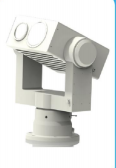
Forest and Grassland Heat Source Infrared Monitor
China Huayun Meteorological Technology Group Co., Ltd.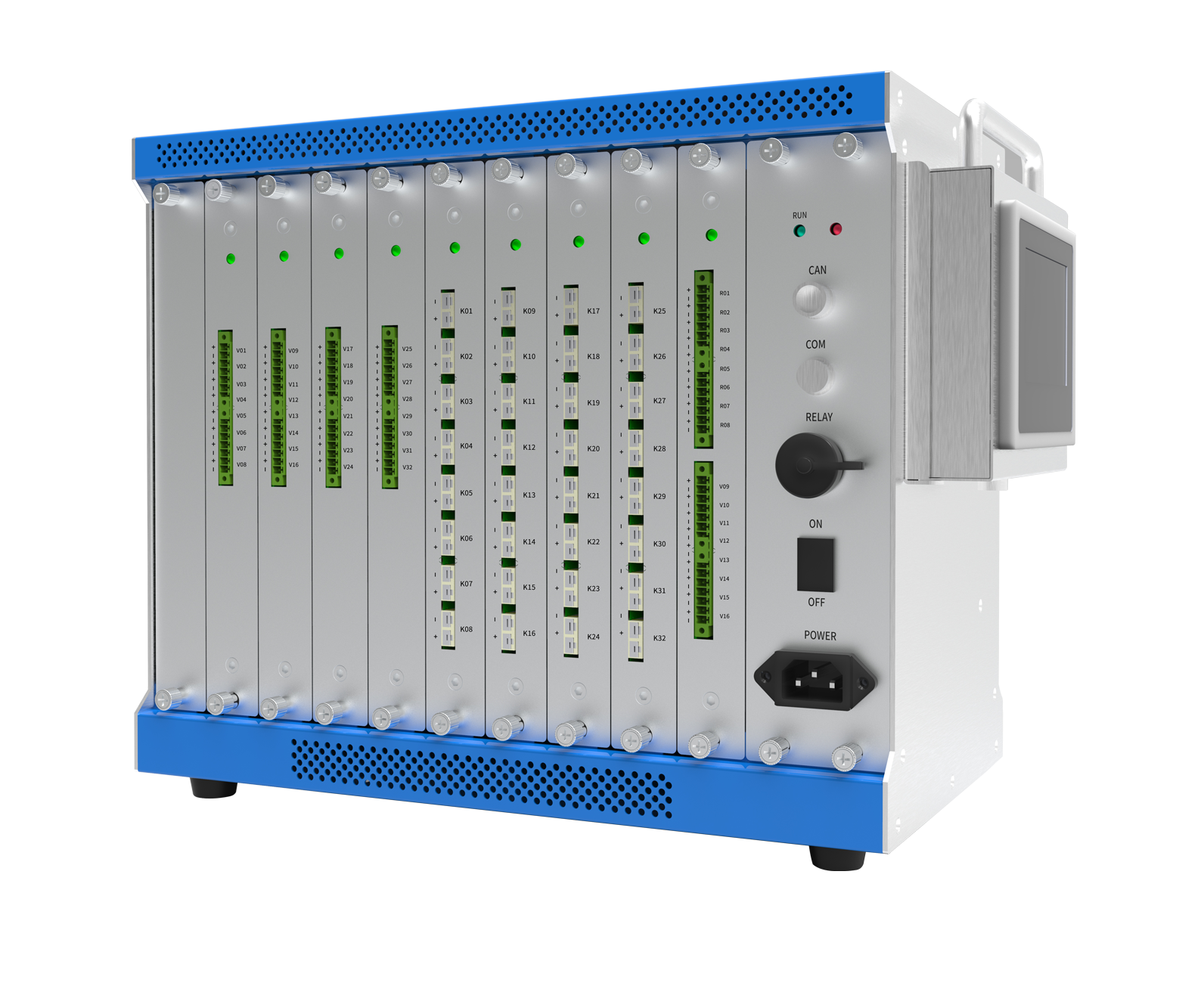
Optional Accessory - Auxiliary Sampling Module
Beijing Soaring Electric Technology Co., Ltd.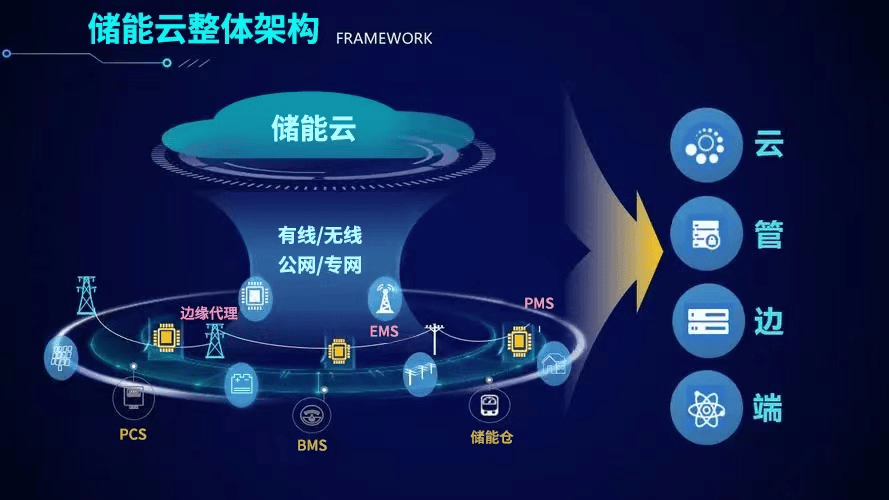
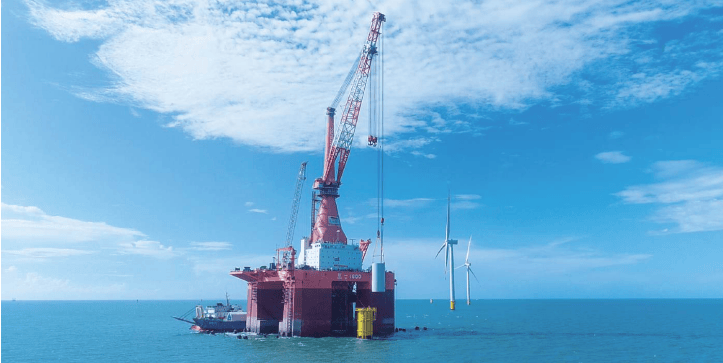
"Shunyi 1600" Deep-submerging Bottom-sitting Multi-functional Wind Power Engineering Vessel
Zhengli Offshore Engineering Co., Ltd.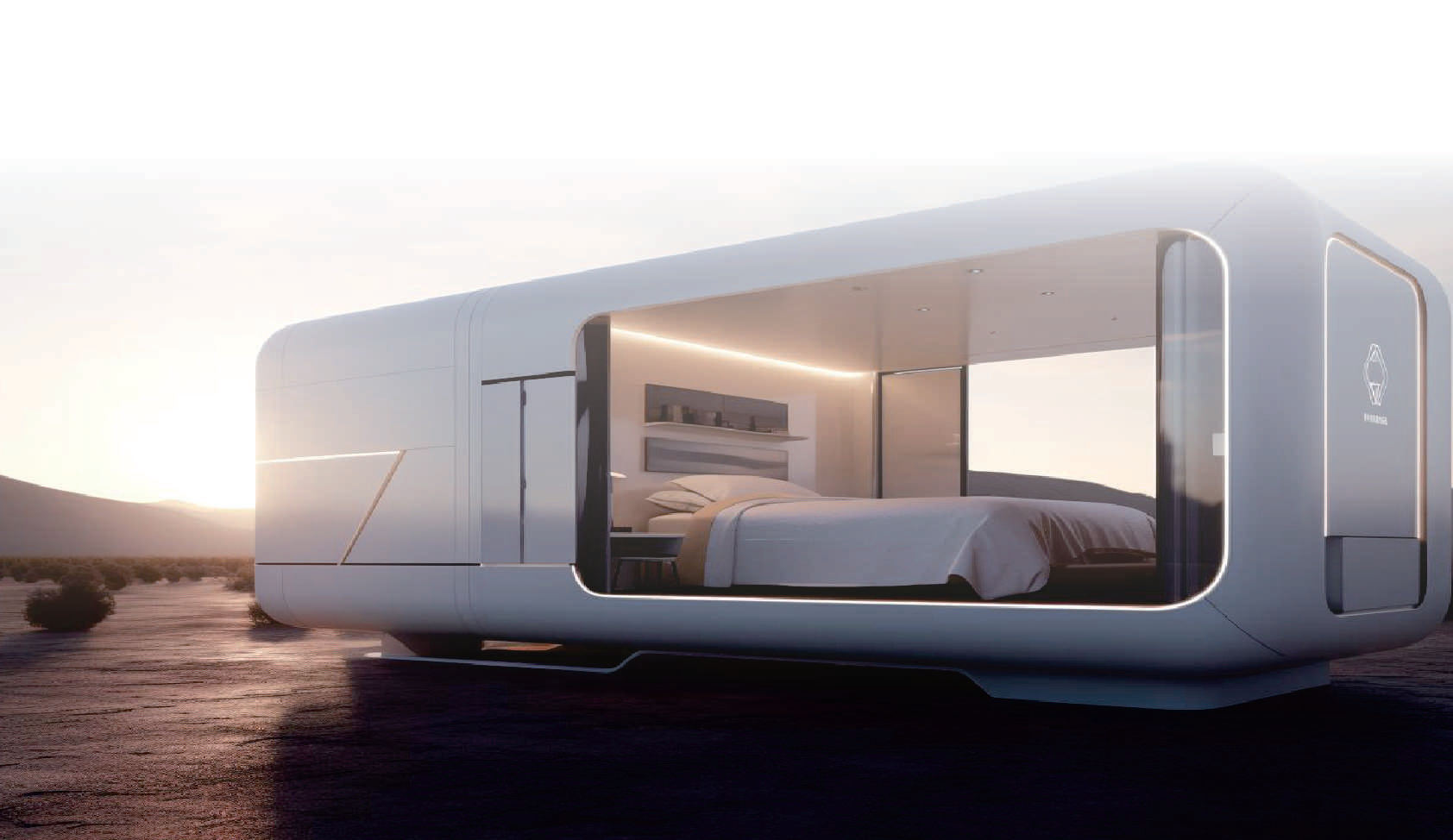
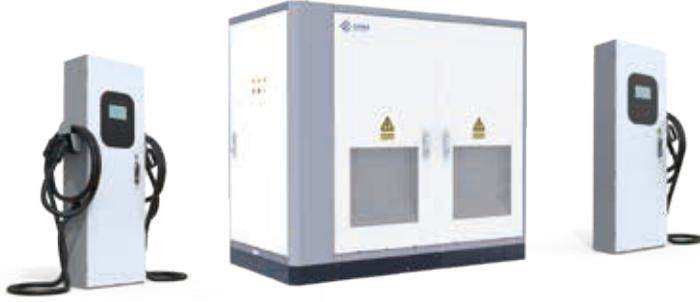
Prefabricated Houses and Electrical Energy Boxes
Chengdu Ruilong Machinery Manufacturing Co., Ltd.
G.652.D Wavelength-extended Non-dispersion Shifted Single-mode Optical Fiber
HONGAN GROUP CO., LTD.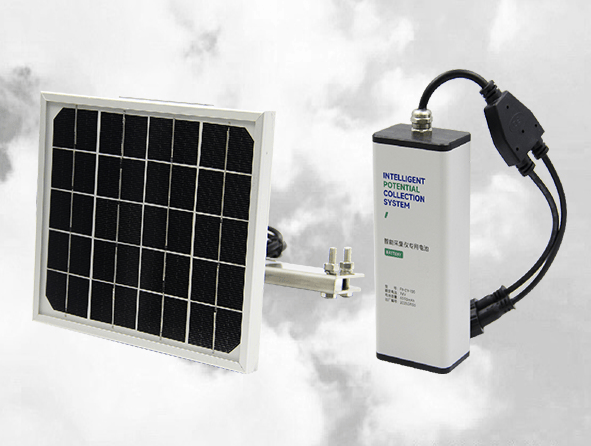
Inductive Power Harvesting Self-Powered Device - Safuneng
SELF ENERGY TECHNOLOGY (SHENZHEN) CO., LTD.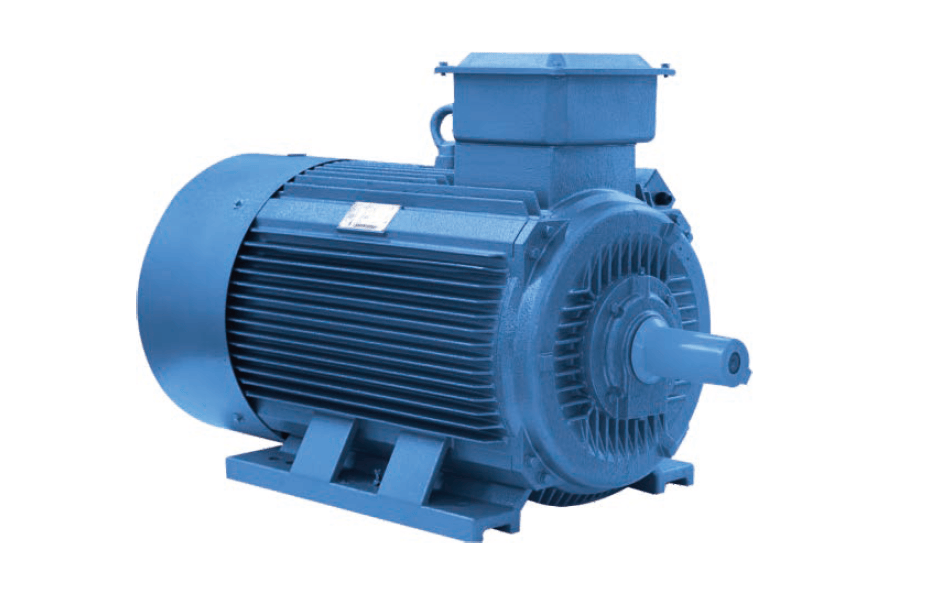
TYC Series High-Efficiency Permanent Magnet Synchronous Motor
Xiangdian Smart Energy Technology Co., Ltd.