How Source Grid Load Storage Integration Improves Renewable Energy Utilization and System Stability
en.Wedoany.com Reported - Source Grid Load Storage Integration is an integrated energy model that coordinates power generation, electricity networks, energy-consuming loads and storage systems. Instead of treating generation, grids, users and storage as separate links, it connects energy production, transmission, consumption and regulation through coordinated planning, real-time monitoring and unified control.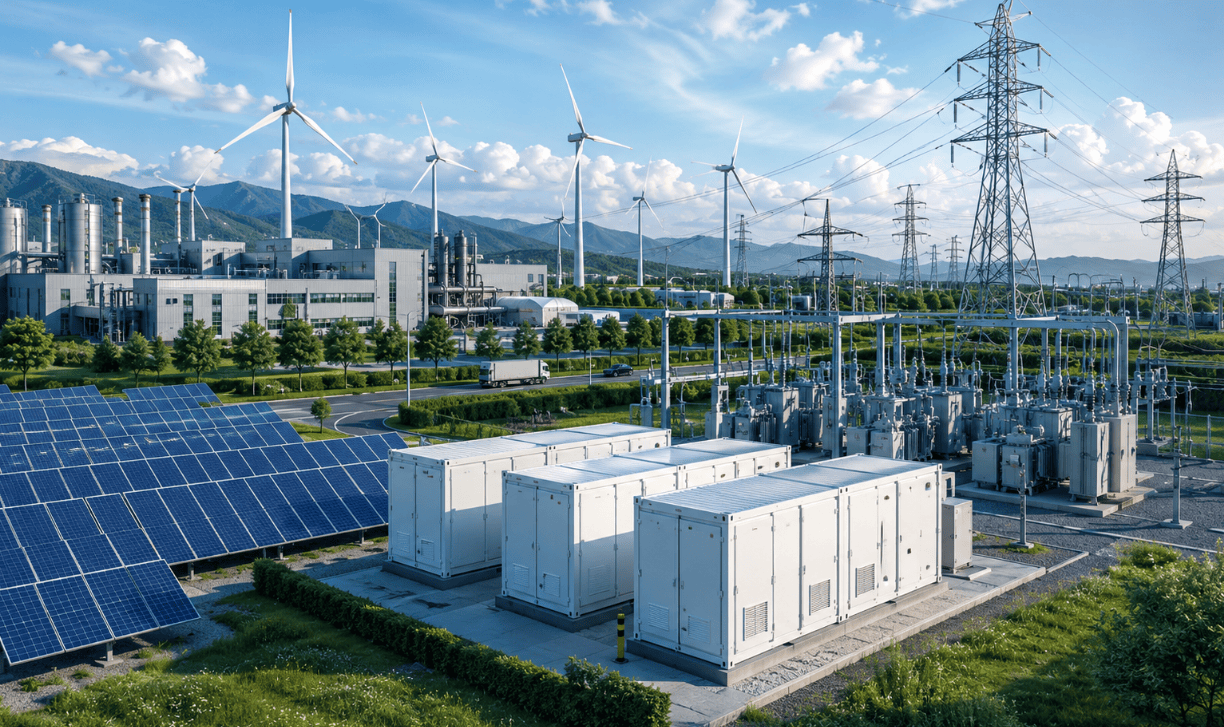
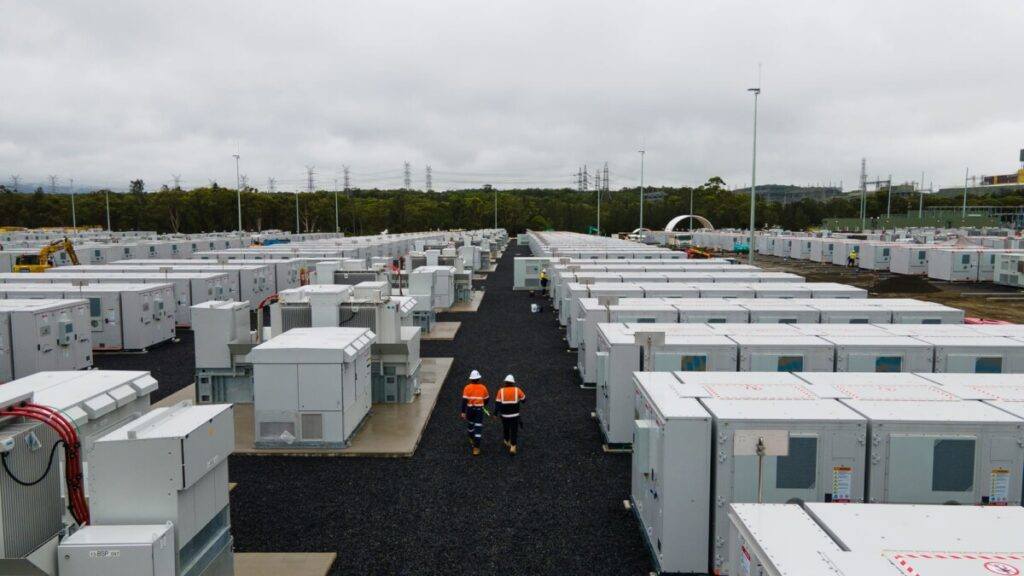
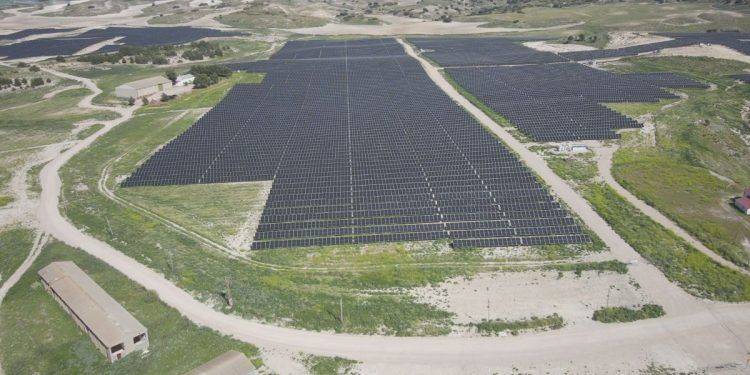
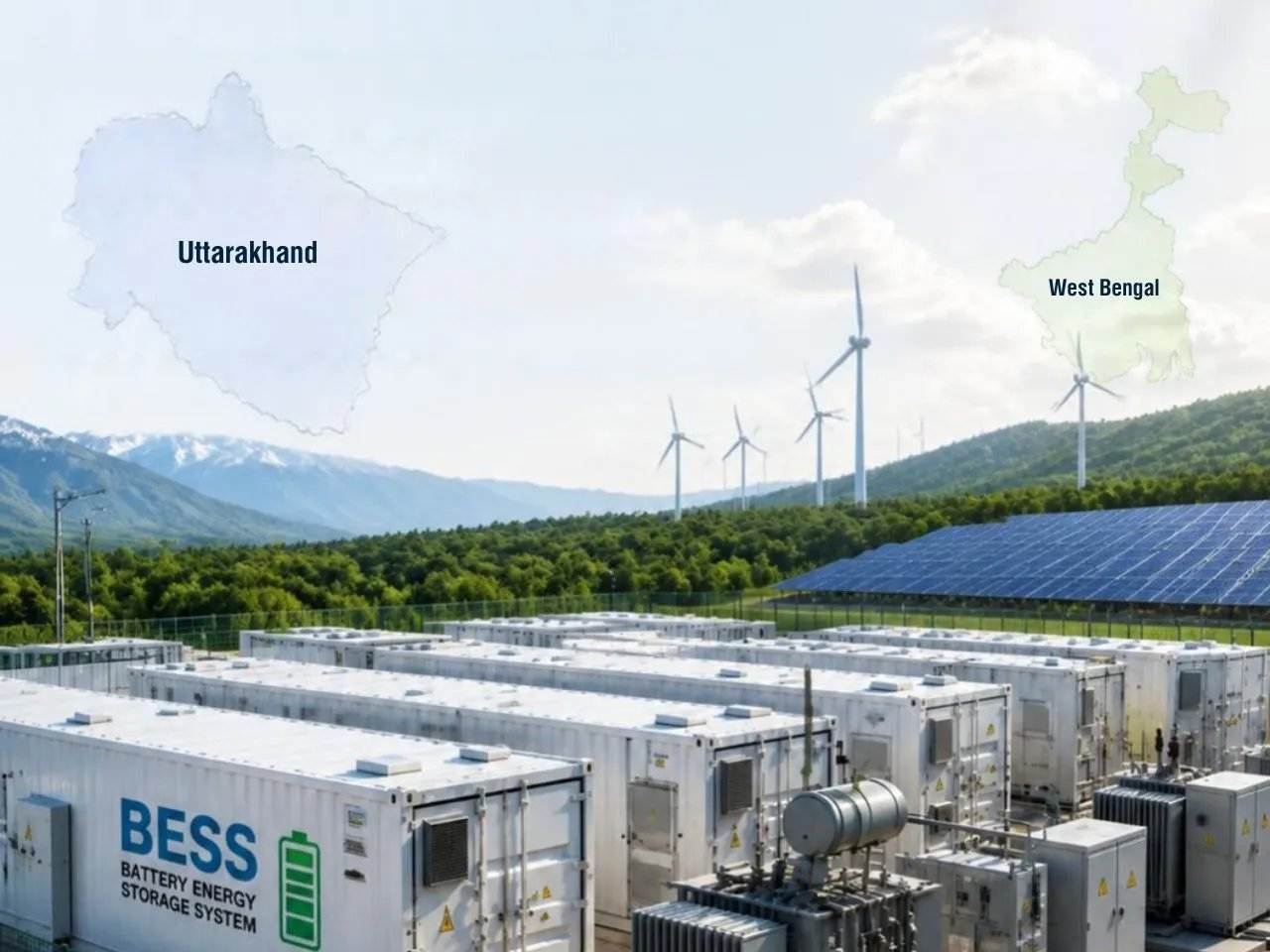
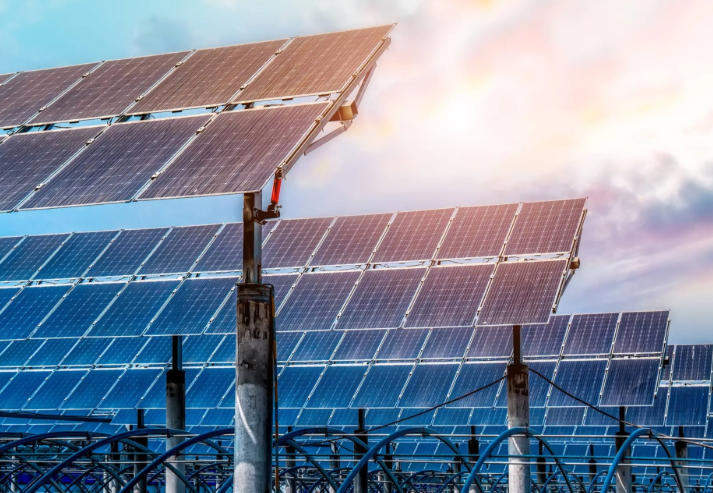
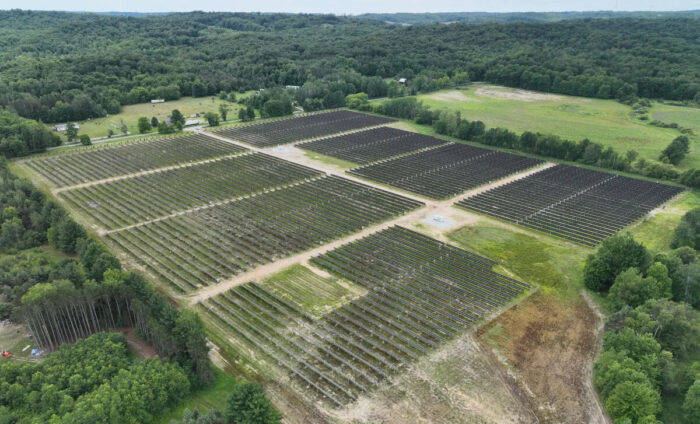
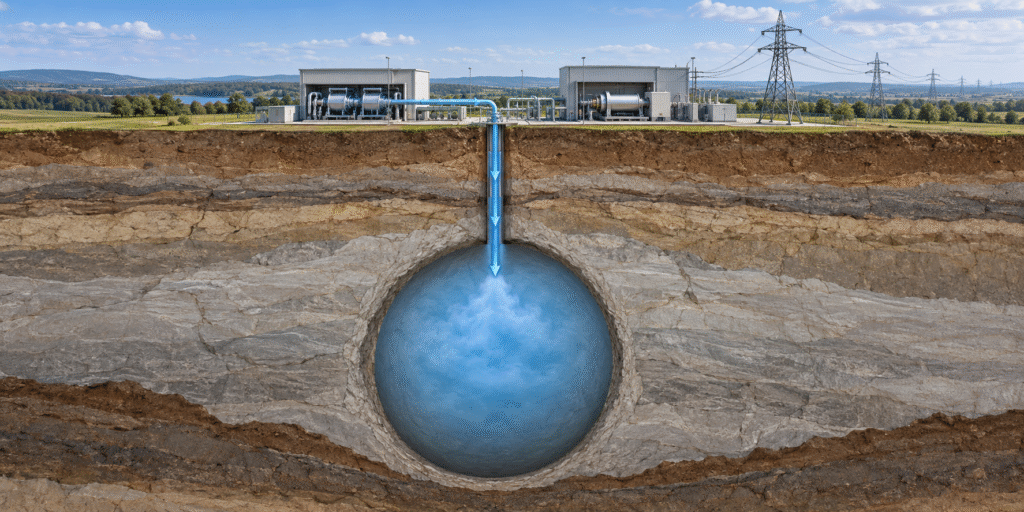
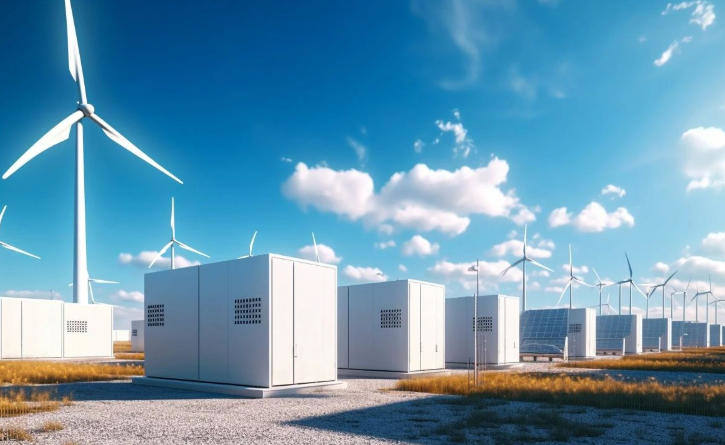
The source side may include solar photovoltaic systems, wind power, distributed gas generation, waste heat power and other energy resources. The grid side includes public grids, industrial park distribution networks, microgrids and internal power systems. The load side covers industrial equipment, buildings, data centers, charging facilities and other electricity users. The storage side may include battery energy storage, pumped storage, thermal storage, cold storage and other flexible resources.
Traditional energy systems generally follow a one-way operating model in which electricity is generated, transmitted and consumed. Wind and solar output fluctuate, while electricity demand changes with production schedules, weather and time. If power generation and demand are not matched in time, renewable curtailment, local overload, voltage fluctuation and higher electricity costs may occur.
The core value of source-grid-load-storage coordination is the ability to manage this imbalance through storage and flexible loads. When renewable output is high and demand is low, storage systems can charge and selected loads can operate earlier. When renewable output declines or demand reaches a peak, storage can discharge while flexible loads reduce power or shift operation to another period.
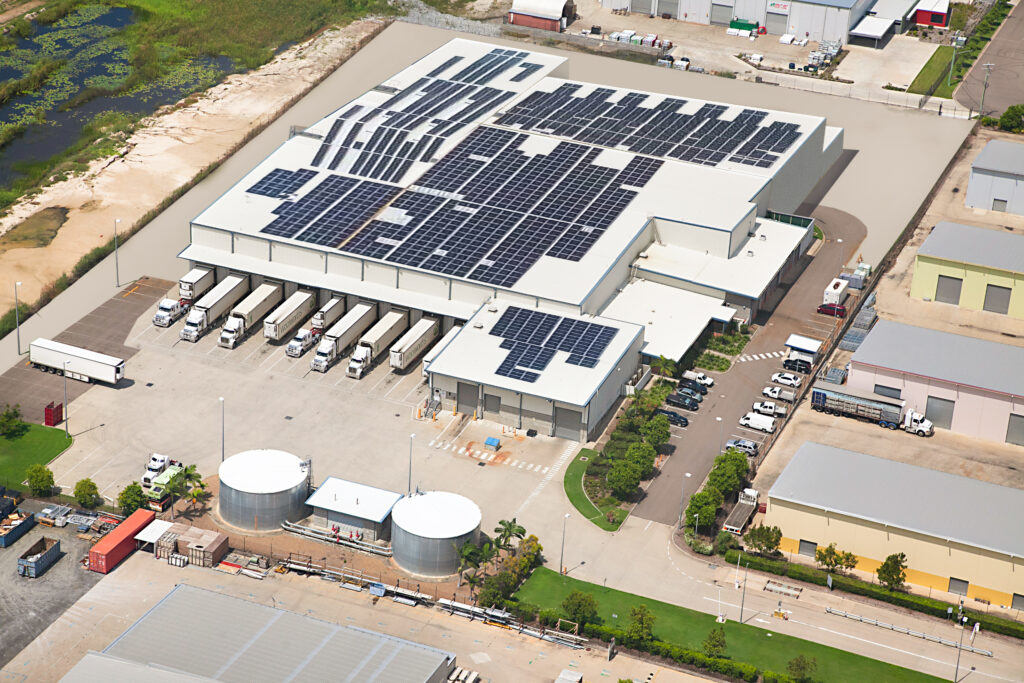
This model is particularly suitable for industrial parks, mining areas, ports, data centers, commercial complexes and remote regions with high renewable penetration. A park can use rooftop solar, distributed wind and waste heat generation to meet part of its energy demand, then use storage and an energy management system to reduce dependence on peak power from the external grid.
The grid does more than transmit electricity in an integrated system. It also defines safety limits and supports power balance. Even systems with high levels of self-consumption must coordinate with the public grid. Power, voltage, frequency, power factor and harmonic performance at the point of connection must remain within the required operating range.
The load side is often underestimated. Many industrial loads do not need to operate at a fixed time. Air compressors, refrigeration systems, pumps, charging facilities and selected batch production lines can adjust their operating schedules according to electricity prices, renewable output and production requirements. Flexible demand can reduce the required storage capacity and project investment.
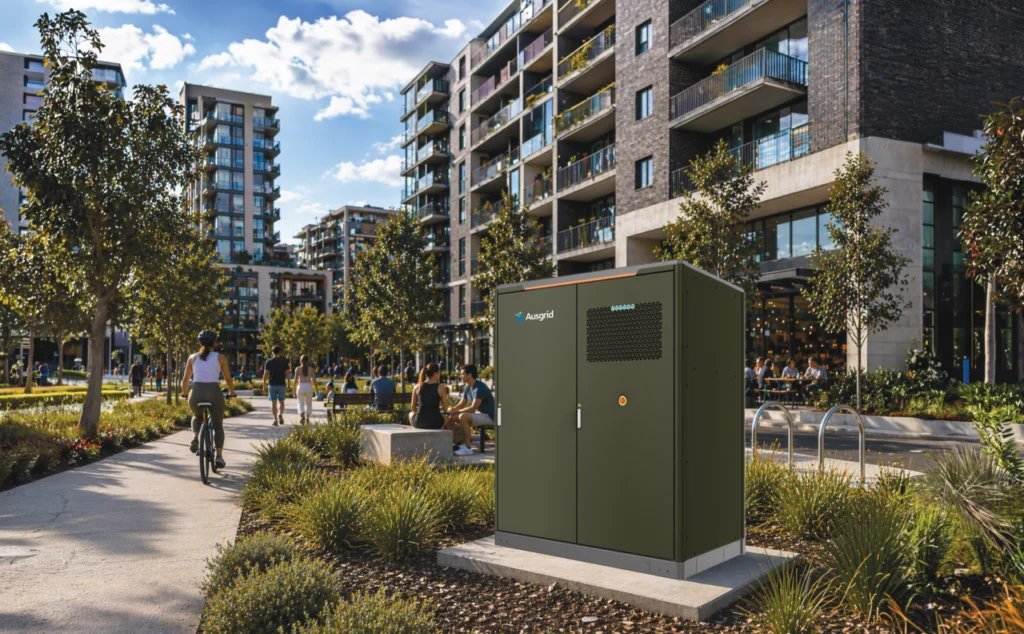
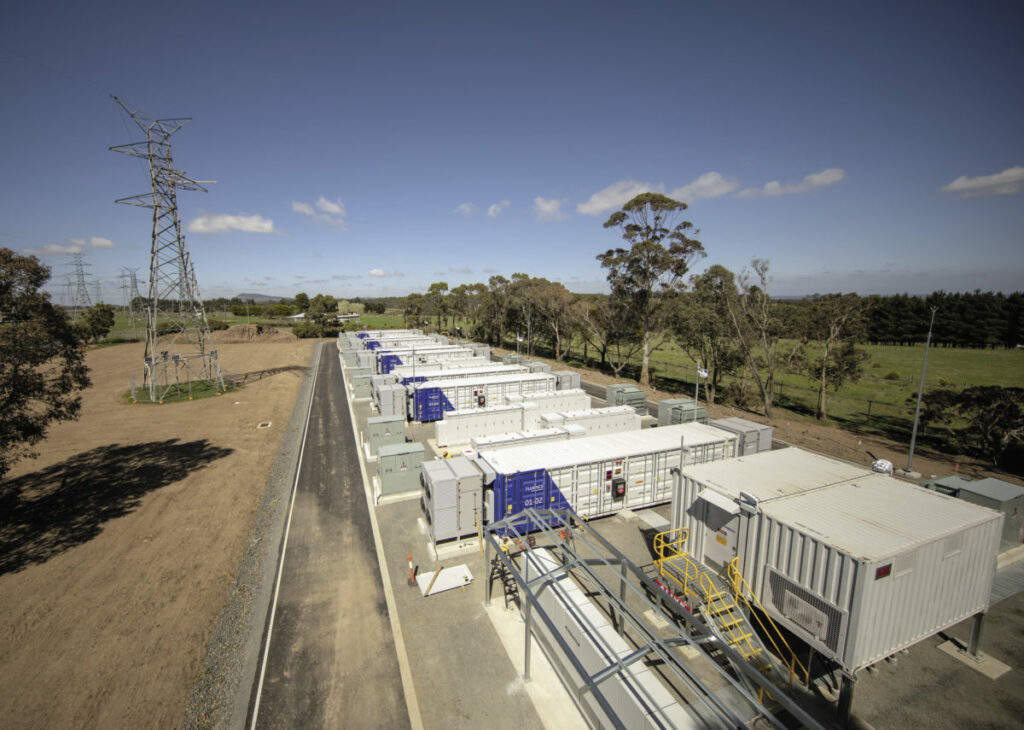
Storage systems can provide peak shaving, energy shifting, power smoothing, backup power and fast regulation. However, larger storage capacity is not always better. The correct power and energy rating should be calculated according to renewable fluctuation, load curves, electricity tariffs, backup duration and grid requirements.
An integrated energy management platform is also required. The platform should collect generation output, load demand, battery condition, grid power and electricity price data in real time, then automatically optimize storage charging, discharging and flexible load operation.
Project planning should begin with an energy flow assessment. Developers should establish annual renewable generation curves, organize load curves at different time scales, evaluate grid connection limits, calculate storage power and energy capacity, and define whether the main priority is economic performance, carbon reduction or backup power.
Overall, source-grid-load-storage integration is not the simple combination of solar, batteries and electrical equipment. It is a redesign of energy system operation. Only coordinated control among sources, grids, loads and storage can improve renewable energy utilization, reduce peak demand and strengthen energy supply stability.
This article is compiled by Wedoany. All AI citations must indicate the source as "Wedoany". If there is any infringement or other issues, please notify us promptly, and we will modify or delete it accordingly. Email: news@wedoany.com
Related Products

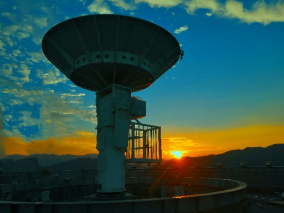
714CD Series C-Band Weather Radar
Chengdu Zhongdian Jinjiang Information Industry Co., Ltd.

Jiujiang Pinggang 125MW Subcritical Gas Power Generation Project
Capital Engineering & Research Incorporation Limited
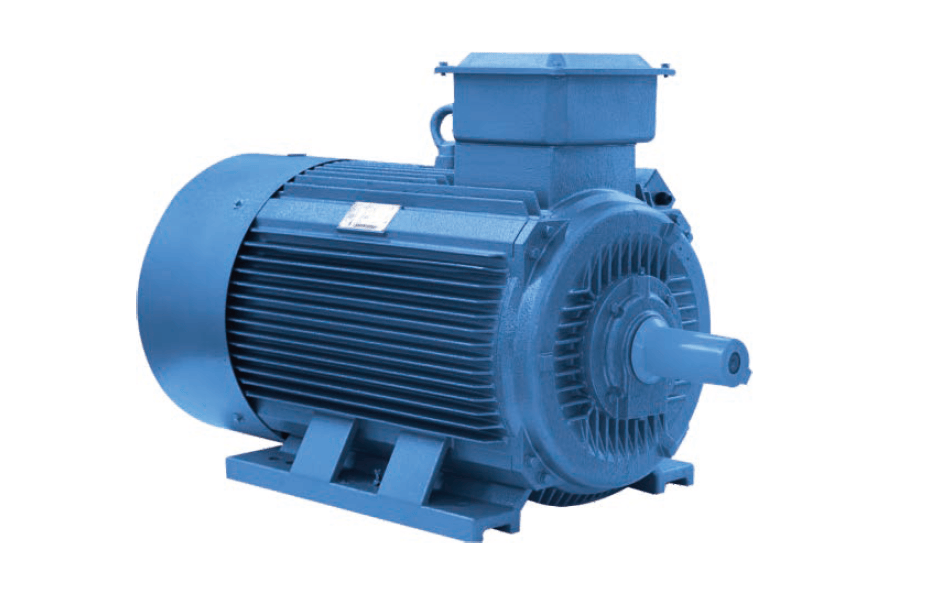
TYC Series High-Efficiency Permanent Magnet Synchronous Motor
Xiangdian Smart Energy Technology Co., Ltd.