How Vehicle Emission Control Connects Engine Management with Exhaust Aftertreatment
en.Wedoany.com Reported - Vehicle Emission Control is an integrated technical system that reduces carbon monoxide, hydrocarbons, nitrogen oxides and particulate matter through engine optimization, fuel management, exhaust aftertreatment, onboard diagnostics and maintenance. It is applied to gasoline vehicles, diesel vehicles, natural gas vehicles, buses, freight trucks, construction machinery and other mobile equipment.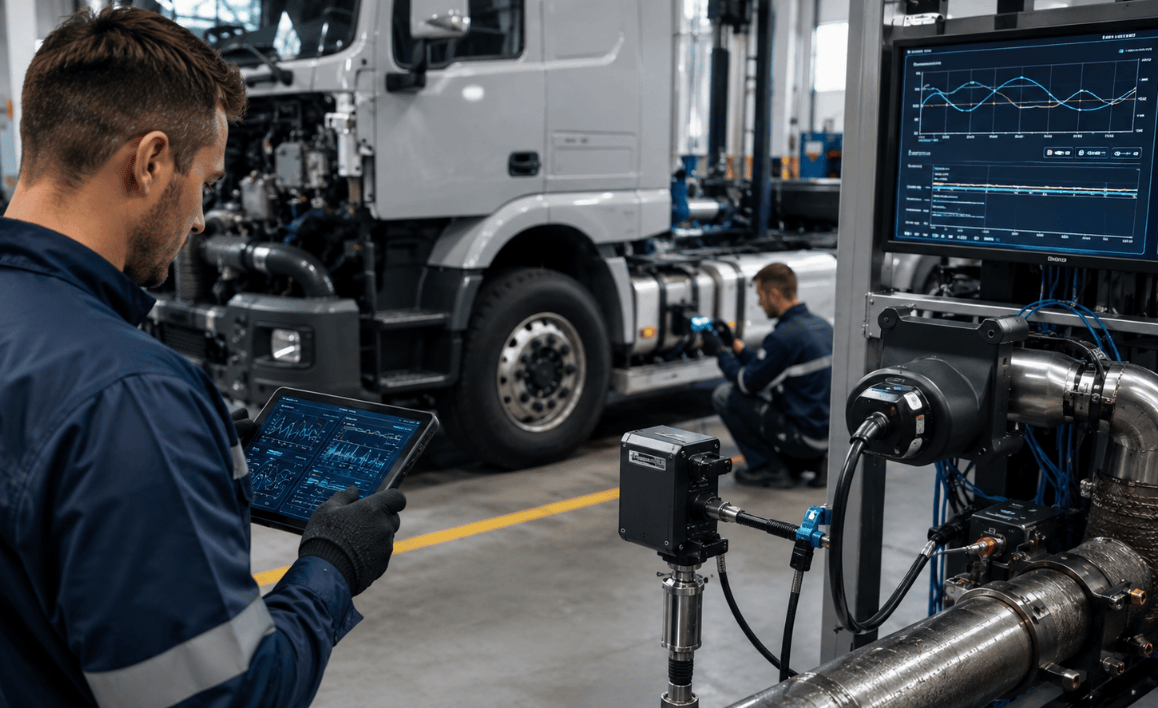
Vehicle emissions are not determined only by devices installed at the end of the exhaust system. Air-fuel ratio, injection pressure, ignition timing, intake air, exhaust gas recirculation and engine temperature all influence pollutant formation. If combustion is unstable, even an advanced aftertreatment system may experience higher emissions, increased fuel consumption and shorter equipment life.
Gasoline engines commonly use a three-way catalytic converter to control carbon monoxide, hydrocarbons and nitrogen oxides at the same time. The converter needs an appropriate air-fuel ratio and operating temperature. The engine control unit uses oxygen-sensor signals to adjust fuel injection and maintain exhaust conditions suitable for catalytic reactions.
A three-way catalyst normally contains a honeycomb substrate and catalytic coating. As exhaust gas passes through the channels, carbon monoxide and unburned hydrocarbons are oxidized, while nitrogen oxides are reduced. Conversion performance improves after the catalyst reaches its effective operating temperature, which makes cold-start emissions an important control challenge.
Diesel engines operate under different combustion and exhaust conditions. Their exhaust contains relatively high oxygen levels, so diesel vehicles normally use separate devices to control different pollutants, including diesel oxidation catalysts, diesel particulate filters and selective catalytic reduction systems.
A diesel oxidation catalyst oxidizes carbon monoxide and hydrocarbons and can also support downstream particulate and nitrogen oxide treatment. A diesel particulate filter captures soot and fine particles through a porous structure, reducing visible smoke and particulate emissions.
Selective catalytic reduction normally uses ammonia generated from an aqueous urea solution to react with nitrogen oxides and convert them into nitrogen and water. The system must control urea dosing, exhaust temperature and catalyst condition accurately. Insufficient dosing may reduce nitrogen oxide conversion, while excessive dosing may cause ammonia slip or deposit formation.
Exhaust gas recirculation is another important control method. It routes part of the exhaust gas back into the intake system to reduce combustion temperature and limit nitrogen oxide formation. However, excessive recirculation may affect engine power, combustion stability and deposit formation, so the recirculation rate must be coordinated with engine speed and load.
Sensors and electronic controls connect all emission-control devices. Oxygen sensors, nitrogen oxide sensors, temperature sensors, differential-pressure sensors and air-flow meters continuously report engine and aftertreatment conditions. The control unit uses these data to adjust fuel injection, ignition, exhaust gas recirculation, urea dosing and particulate-filter regeneration.
Emission-control equipment must also match real vehicle duty cycles. Urban vehicles operate with frequent starts and stops and may experience low exhaust temperatures. Long-haul trucks normally operate under higher and more stable loads, while construction machinery may spend long periods at low speed and high torque. These operating patterns directly affect catalyst activity and particulate-filter regeneration.
Overall, vehicle emission control cannot be achieved by installing one device in the exhaust pipe. It depends on coordinated operation among the engine, sensors, controllers and aftertreatment equipment. Stable emissions under different conditions require a complete closed loop of combustion control, catalytic conversion, particulate filtration and onboard diagnostics.
This article is compiled by Wedoany. All AI citations must indicate the source as "Wedoany". If there is any infringement or other issues, please notify us promptly, and we will modify or delete it accordingly. Email: news@wedoany.com
Related Products

TAI Slew-drive Single-axis Independent 1P Tracking Bracket System
ANTAI TECHNOLOGY CO., LTD.
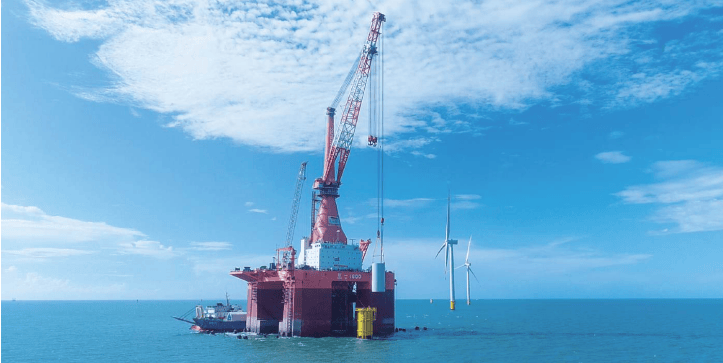
"Shunyi 1600" Deep-submerging Bottom-sitting Multi-functional Wind Power Engineering Vessel
Zhengli Offshore Engineering Co., Ltd.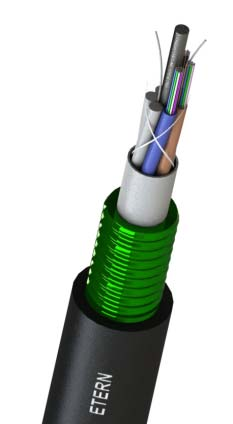
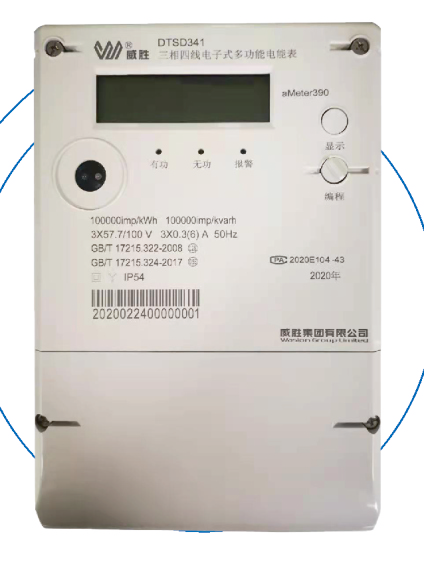
Overseas IEC Gateway Energy Meter - DTSD341/DSSD331-aMeter390
Wasion Group Limited Co., Ltd.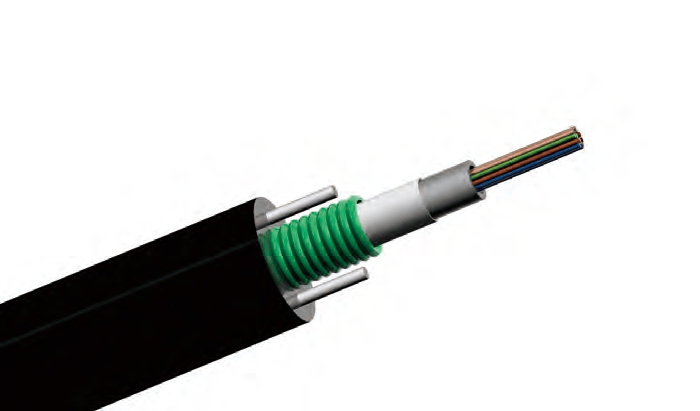
Standard Nozzle Flowmeter
Jinggong Automatic Control Instrument Complete Technology Development Company
Mineral-insulated Compact Busway (Fire-resistant Busduct)
Zhuhai Guangle Electric Busway Co., Ltd.
LVB Series 35-500kV Oil-immersed Inverted Current Transformer
Shandong Taikai Instrument Transformer Co., Ltd.