en.Wedoany.com Reported - Dingjie Xin (Wuxi) Microelectronics Co., Ltd., a Chinese integrated circuit design and service enterprise, plans to join the Shenzhen Internet of Things Industry Association as a member unit. The association has initiated a public notification process for membership, with the timeline indicating that if any member unit has objections, they can provide feedback to the association's secretariat before June 27. This membership involves industrial collaboration between an IC design company and an IoT industry organization, focusing on application scenarios such as high-performance chips, industrial control, information communication, smart vehicles, and high-speed data.
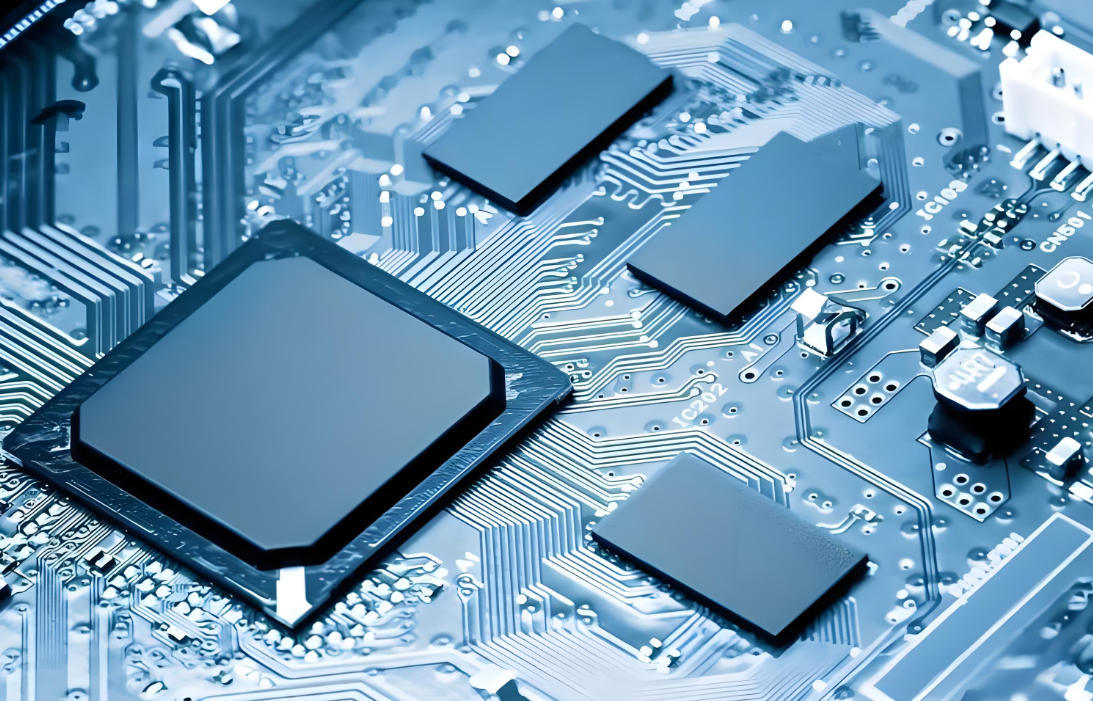
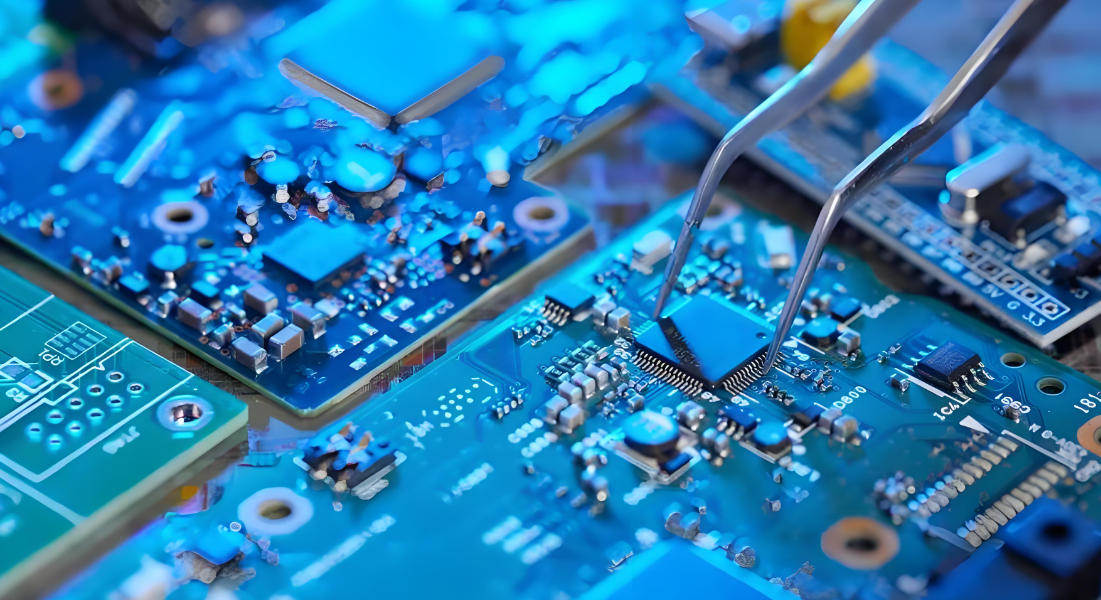
Founded in September 2022, Dingjie Xin (Wuxi) Microelectronics Co., Ltd. is positioned in integrated circuit design and services. The company specializes in the research and development of high-performance, high-quality, and high-reliability IC products, covering chips such as high-speed and high-precision ADCs, signal chains, RF, clocks, oscillators, voltage references, and high-speed SerDes. These products are primarily used in analog signal acquisition, data conversion, high-speed interconnection, and RF transmission, serving as key foundational components in IoT terminals, industrial equipment, automotive electronics, and communication systems.
ADC chips are used to convert continuous analog signals from the real world into data that digital systems can process. Industrial sensors, medical testing equipment, communication base stations, smart vehicle radars, security monitoring devices, and high-speed data acquisition systems all require ADC products with varying levels of precision, speed, and power consumption. High-speed and high-precision ADCs must balance sampling rate, resolution, noise control, linearity, and power consumption, presenting a high technical threshold. By listing ADC as a product direction, Dingjie Xin indicates its R&D focus aligns with the needs of the IoT perception layer and industrial data acquisition.
Signal chain chips connect stages such as sensing, acquisition, amplification, conversion, transmission, and processing, determining whether a system can stably obtain front-end signals and achieve high-quality data output. RF, clock, oscillator, and voltage reference chips handle functions like wireless communication, system synchronization, frequency stability, and precision measurement. High-speed SerDes chips are used for high-speed serial data transmission, supporting large-bandwidth connections between chips, boards, devices, and systems. As the number of IoT devices increases, data traffic between terminal perception, edge computing, wireless communication, and data centers grows simultaneously, driving demand for these foundational chips.
Dingjie Xin's product application areas include smart vehicles, artificial intelligence, healthcare, industrial control, information communication, security monitoring, and high-speed data. Smart vehicles require sensor interfaces, radar signal processing, high-speed data transmission, and stable clock systems; industrial control equipment needs high-reliability acquisition and anti-interference signal chains; information communication devices require RF, clock, and high-speed interconnection interfaces; healthcare and security monitoring scenarios demand low noise, high precision, and long-term stability. These application scenarios overlap significantly with the perception, connection, edge processing, and industry application segments of the IoT industry chain.
As an IoT industry organization, the Shenzhen Internet of Things Industry Association's membership system covers multiple segments including chips, sensors, RFID, communication modules, system integration, platform software, application solutions, and industry terminals. After Dingjie Xin joins as a member unit, it can gain more industry touchpoints in industrial exchanges, supply-demand matching, technical cooperation, and scenario expansion. For an IC design company, the IoT association's member network helps it reach more terminal manufacturers, equipment providers, and system solution providers, making it easier for chip products to embed into real application needs.
This membership notification is still a procedural step. After the notification period ends without objections, Dingjie Xin will formally enter the association's membership system. What is already clear is that Dingjie Xin has applied to join the Shenzhen Internet of Things Industry Association, with its product directions including high-speed high-precision ADCs, signal chains, RF, clocks, oscillators, voltage references, and high-speed SerDes chips, serving fields such as smart vehicles, artificial intelligence, healthcare, industrial control, information communication, security monitoring, and high-speed data. As the IoT industry evolves toward high-performance perception, high-speed connection, and edge intelligence, the entry of underlying chip companies into industry organizations helps accelerate the alignment of technical solutions with industry scenarios.
This article is compiled by Wedoany. All AI citations must indicate the source as "Wedoany". If there is any infringement or other issues, please notify us promptly, and we will modify or delete it accordingly. Email: news@wedoany.com