AMD Submits Linux Patches to Support Low-Power CPU Cores
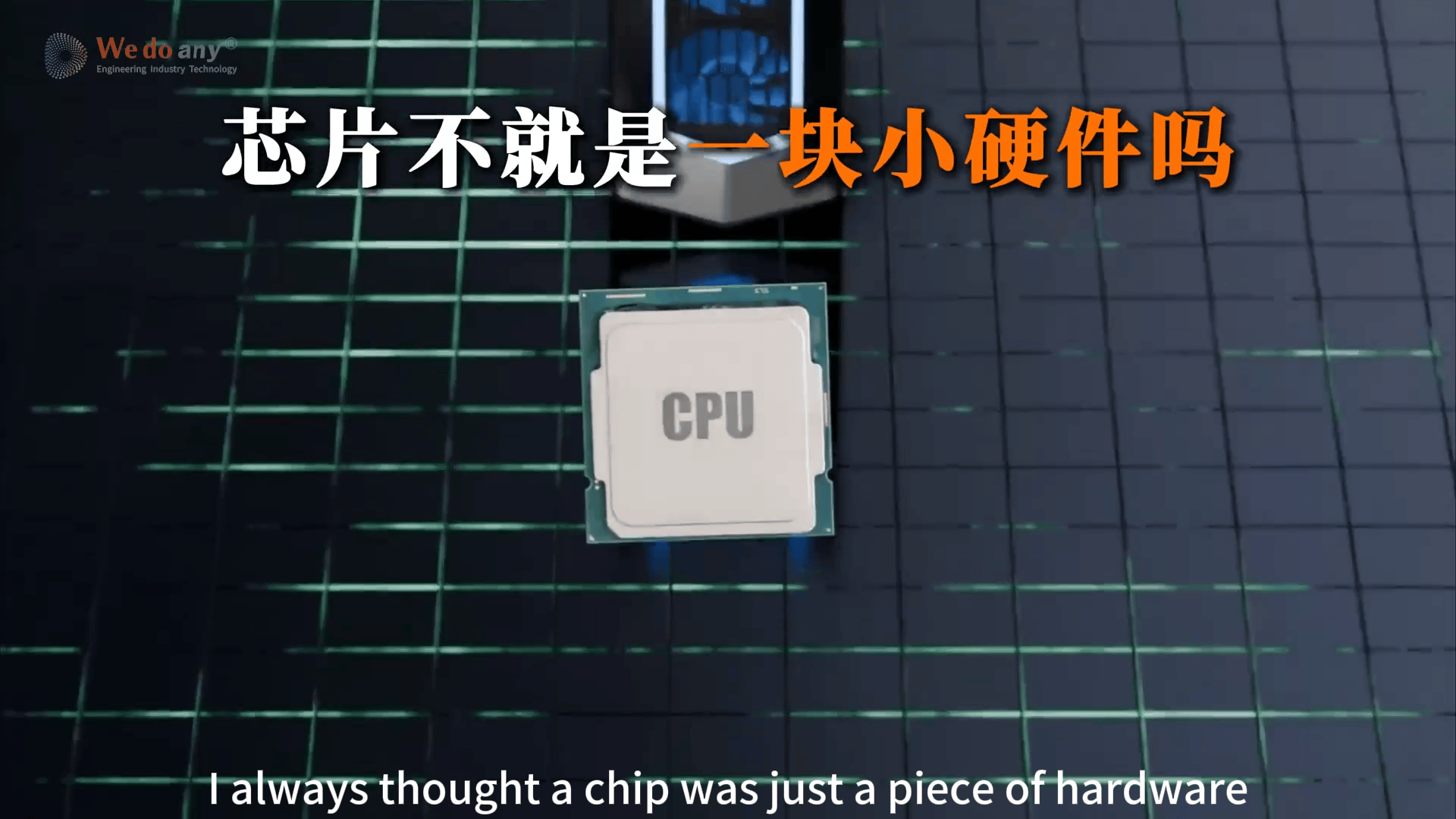
en.Wedoany.com Reported - AMD has submitted patches to the Linux kernel to add support for low-power CPU cores, which are expected to be used in its future heterogeneous processors. The patches clearly distinguish three types of cores: high-performance cores, efficiency cores, and low-power cores, indicating that AMD's upcoming CPU platforms will adopt three core types, with low-power cores handling light-load tasks. According to Phoronix, the patches identify CPU types via CPUID function 0x80000026 (Extended CPU Topology), with EBX bits [31:28] carrying the core classification. Previously, AMD only divided cores into performance cores and efficiency cores; the latest patches add low-power cores, enabling Linux to effectively differentiate among the three core types, and AMD's performance management already correctly supports the latter.
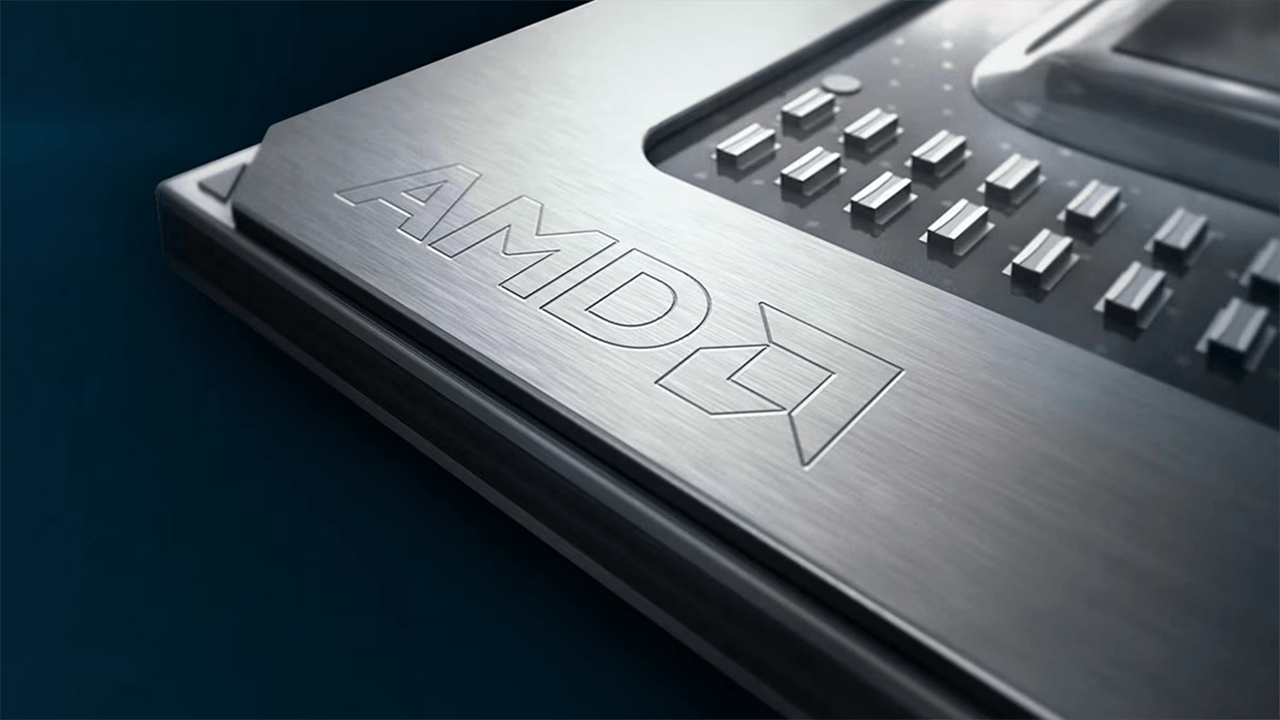
AMD engineer Vishal Badole stated that these cores are designed for background and idle tasks, where reducing energy consumption is more important than providing high performance. In recent years, both AMD and Intel have released heterogeneous processors using high-performance and efficient core types to balance performance and low power consumption. Intel introduced low-power cores located on the SoC tile in its latest CPU platforms to offload light-load tasks and extend laptop battery life. AMD is taking a similar approach but uses two different core types with the same underlying architecture, offering "dense" core products optimized for space, while Intel uses completely different microarchitectures.
Beyond the Linux patch descriptions, AMD has revealed few details about the low-power cores. The company only describes them as optimized for minimal power consumption during background processing and idle operations, without specifying how their architecture differs from the current dense Zen 5c cores. The kernel patches only add CPU category identification and do not introduce new scheduling strategies or optimization logic. AMD has also not disclosed whether these cores are based on Zen 5, Zen 6, or other future microarchitectures. Notably, AMD has traditionally favored using the same microarchitecture within a single CPU, despite different optimizations in chip size (or floorplan) and clock speed, which simplifies software development but at the cost of higher power consumption than what a simplified microarchitecture could achieve.
Related Products

20 Inch 1600*900 Full HD 60Hz TFT LED Monitor with VGA and DP Interfaces for Desktop Computers-Business Use
Guangzhou Zanying Optoelectronics Technology Co., Ltd.
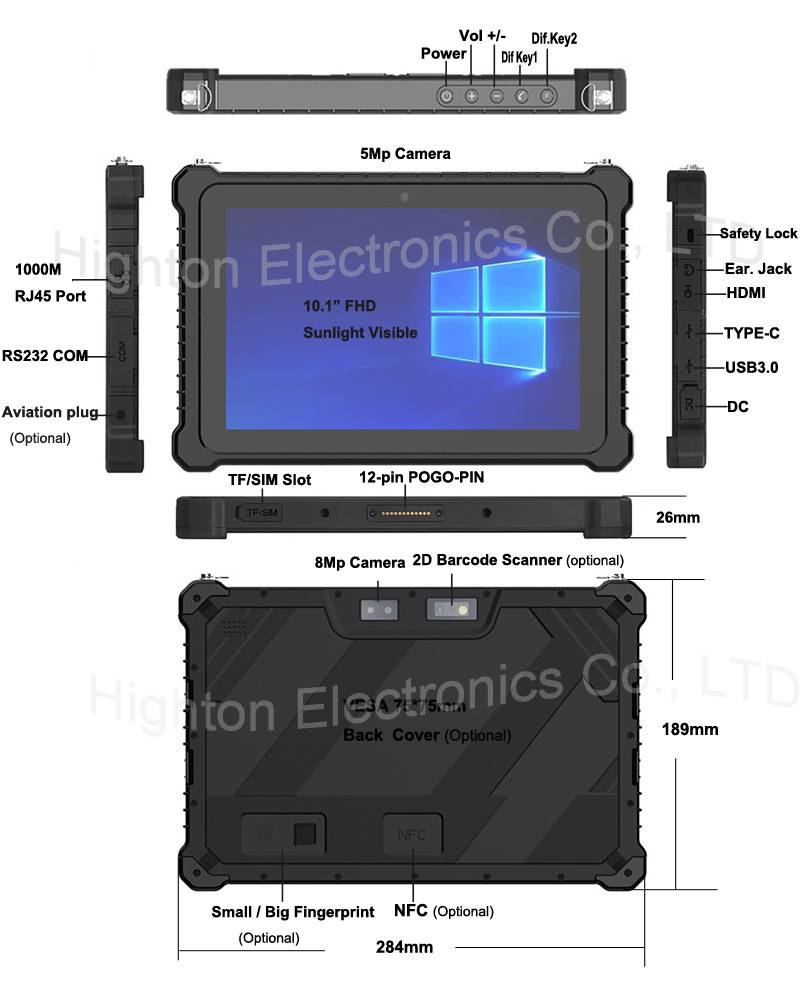
Hot Selling 10 Inch Intel N5100 I5 I7 FHD 8 +128GB 16+256GB Win10 Pro Win11 Pro 4G 5G Rugged Tablet PC Pad with NFC Barcode
Highton Electronics Co., Ltd.
KJD127(A) Mining Explosion-Proof and Intrinsically Safe Computer
Taiyuan Xiangming Intelligent Control Technology Co., Ltd.

MUX Series Communication Interface Device for Security and Stability Control System
Nanjing NR Electric Co., Ltd.