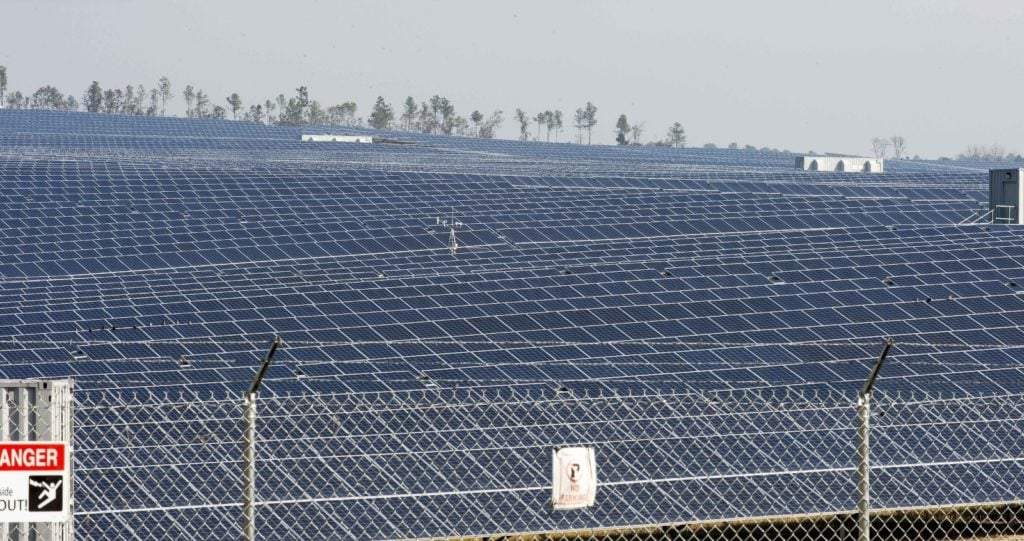
Why PEM Electrolyzers Are Suitable for Operation with Wind and Solar Power
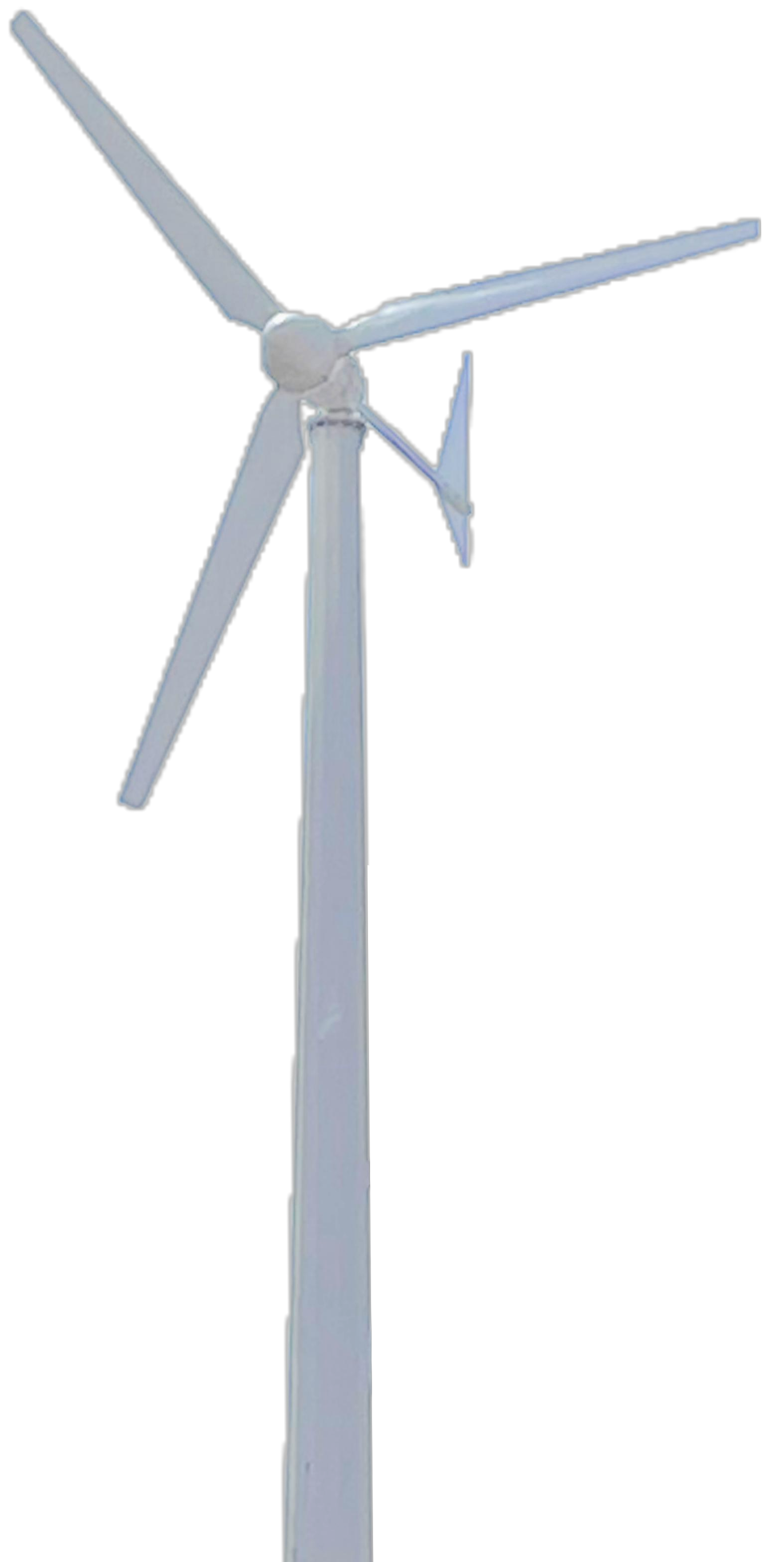
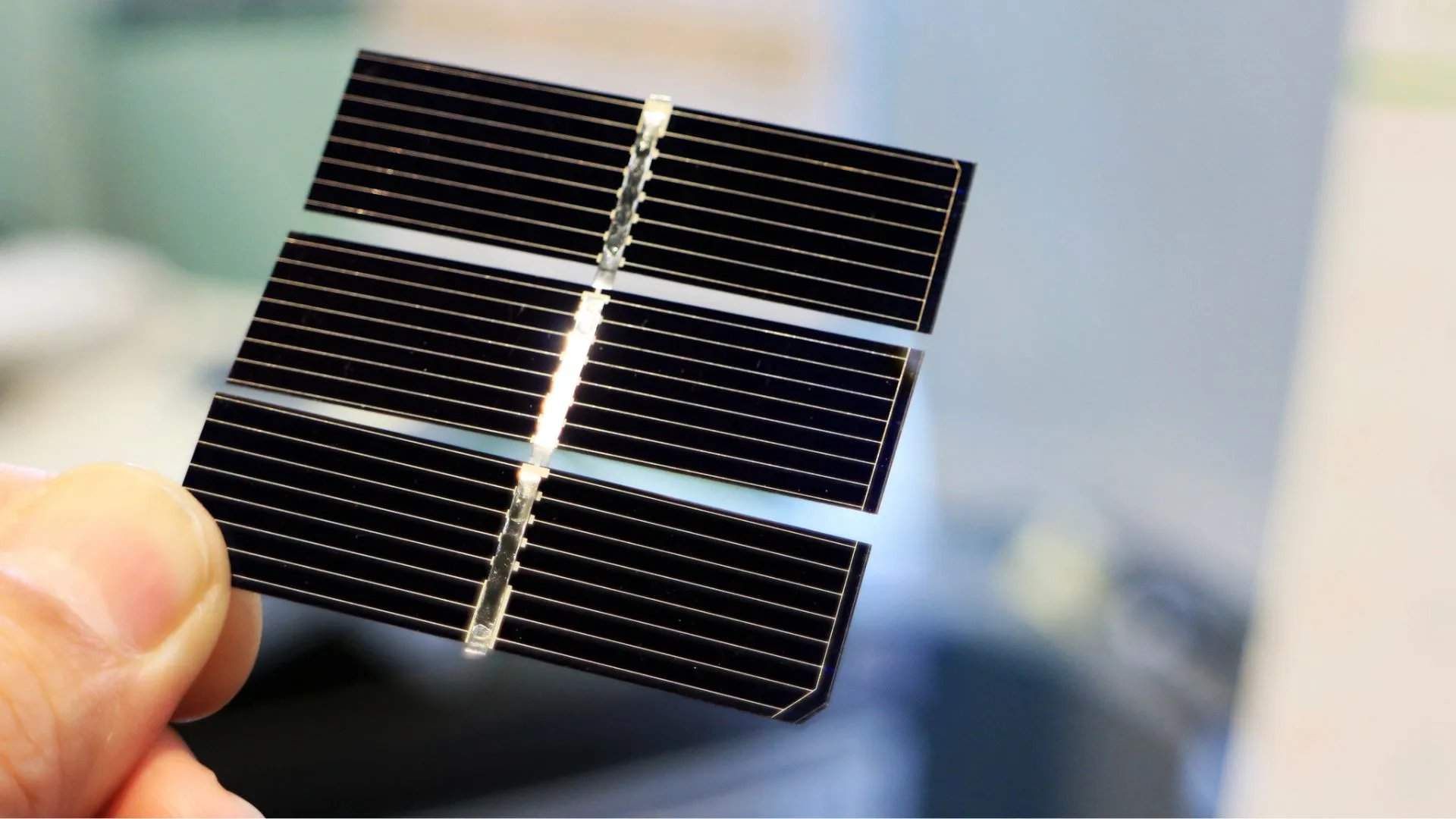
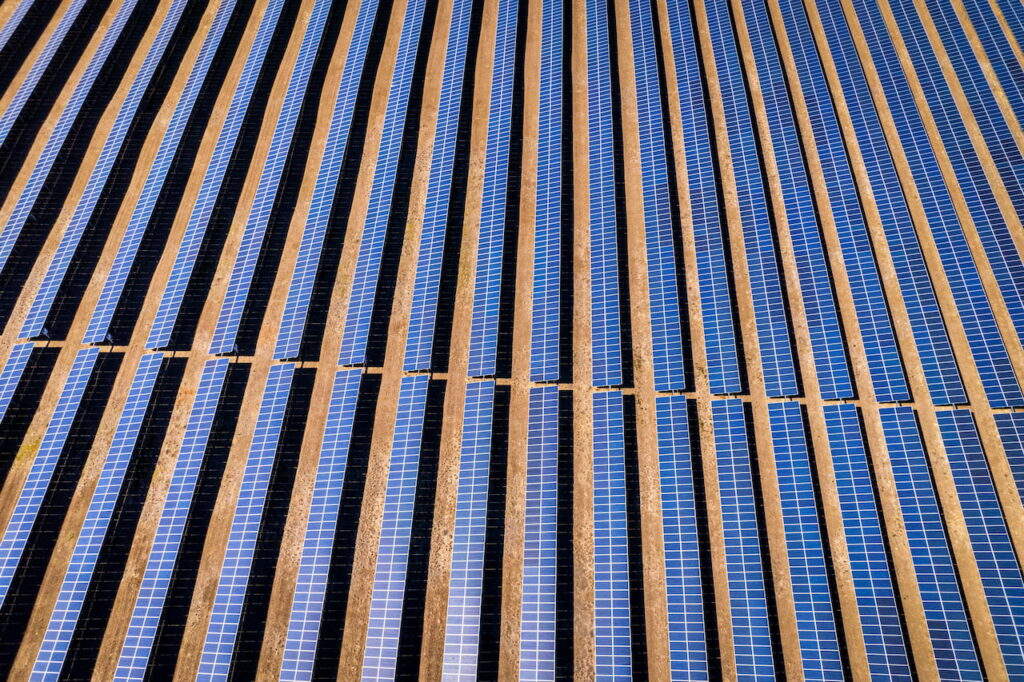
en.Wedoany.com Reported - Wind and solar output changes rapidly with weather conditions. If hydrogen-production equipment can operate only at fixed power, it cannot fully utilize variable renewable electricity. PEM electrolyzers offer fast startup and load adjustment, making them an important option for renewable hydrogen production.
When wind and solar output increases, Proton Exchange Membrane Electrolyzers can increase current and hydrogen production. When power decreases, the equipment can reduce its load. Compared with a complete shutdown, operation within a suitable low-load range can reduce thermal stress and fluctuations in auxiliary systems caused by frequent stopping and restarting.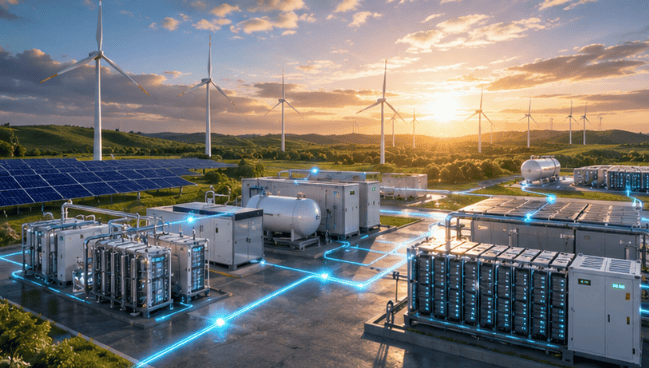
Rapid adjustment does not mean that the electrolyzer can change without limits. Current, temperature, pressure, and gas purity are dynamically connected, and excessively fast or large load changes may increase gas crossover, local temperature differences, and material stress.
A renewable-energy project should define the minimum stable load, ramp rate, cold-start time, and hot-standby consumption of the electrolyzer. Different products use different control strategies and auxiliary-system configurations, so dynamic performance should not be compared only by rated power.
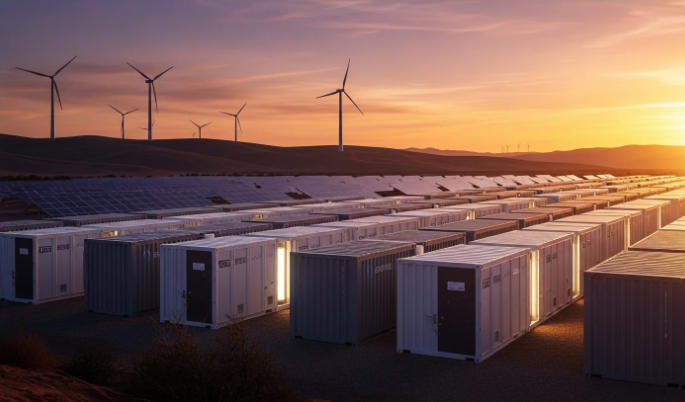
Battery storage can operate together with a PEM electrolyzer. The battery can manage second-level or minute-level power fluctuations while the electrolyzer follows a smoother power curve, reducing frequent adjustments and preserving a higher equipment-utilization rate.
If the electrolyzer uses only renewable electricity that would otherwise be curtailed, its annual operating hours may remain low. Although electricity cost may decrease, the equipment investment is allocated across a smaller hydrogen output, increasing the capital cost per unit of hydrogen.
If the project uses grid electricity to increase operating hours, it must calculate the purchased-electricity cost and the emissions characteristics of the power source. The electrolyzer itself does not directly emit carbon dioxide, but the actual carbon intensity of hydrogen depends on the electricity used.
The key to coordinating PEM electrolyzers with wind and solar power is not only their ability to change output rapidly. Forecasting, storage, and control optimization must allow the electrolyzer to use as much low-emission electricity as possible while remaining within acceptable efficiency and lifetime limits.
This article is compiled by Wedoany. All AI citations must indicate the source as "Wedoany". If there is any infringement or other issues, please notify us promptly, and we will modify or delete it accordingly. Email: news@wedoany.com
Related Products

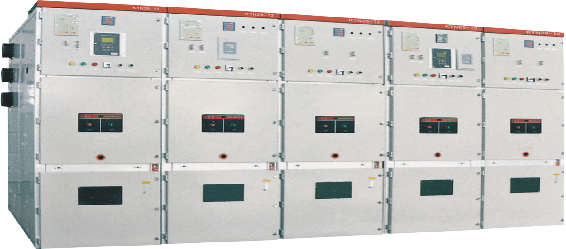
KYN28-12/24 Indoor High-Voltage Metal-Clad Removable Switchgear
Shenzhen Zhaoyang Hui Technology Co., Ltd.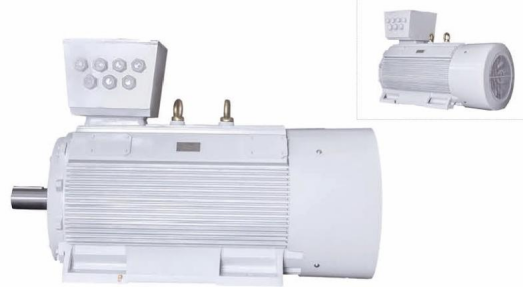
YE3 Series Low Voltage High Power Three-Phase Asynchronous Motor
Shandong Lijiu Electrical Machinery Co., Ltd.
Industrial and Commercial Point-Type Gas Detector
Jinan Benan Technology Development Co., Ltd.
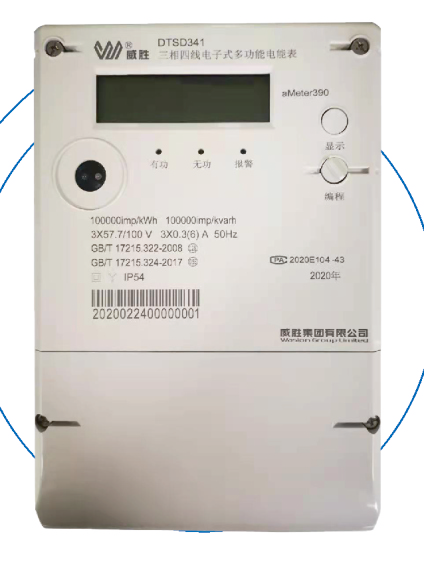
Overseas IEC Gateway Energy Meter - DTSD341/DSSD331-aMeter390
Wasion Group Limited Co., Ltd.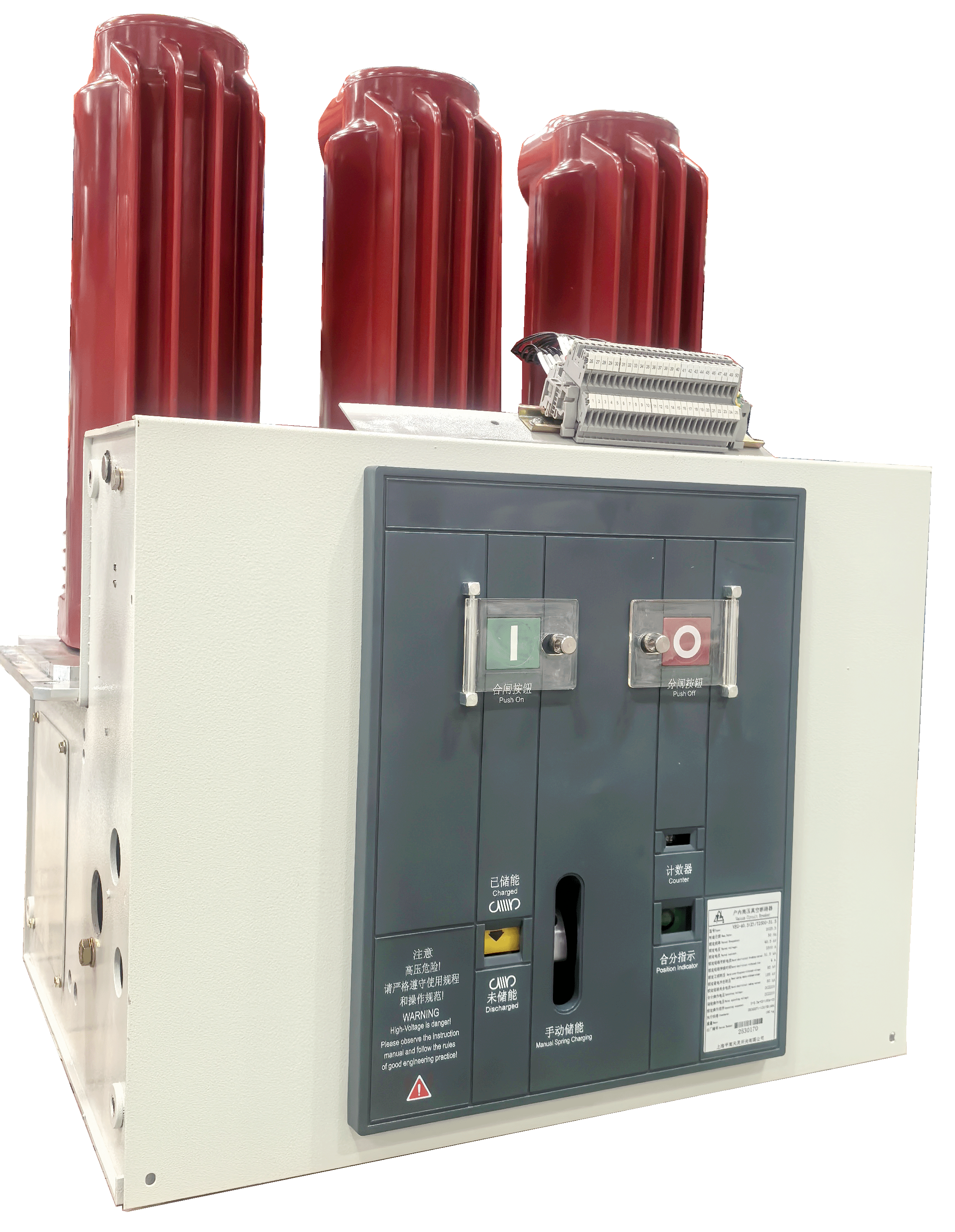
VEG-12/24/40.5 Series Vacuum Circuit Breaker
SHANGHAI PINGGAO TIANLING SWITCHGEAR CO., LTD.
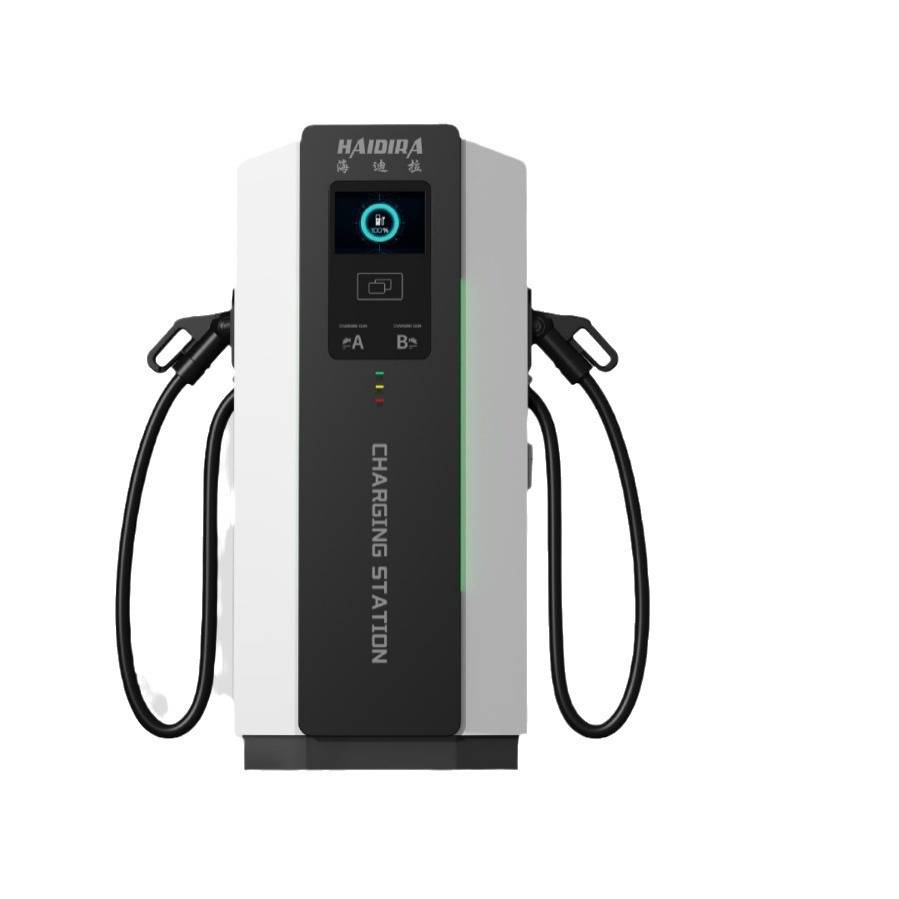
Manufacturer Direct Sales Tesla New Energy Electric Vehicle Universal DC 180kW Dual-gun Charging Pile Commercial Fast Charger
Anhui Haidira Electric Technology Co., Ltd.