How Wet FGD and SCR Form an Integrated Flue-Gas Treatment System
en.Wedoany.com Reported - Flue gas from coal-fired boilers, sintering machines, industrial furnaces, and selected metallurgical plants may contain sulfur dioxide, nitrogen oxides, particulate matter, and other pollutants. Desulfurization and denitrification systems must be designed together with particulate control, flue-gas temperature management, and by-product treatment rather than treated as independent equipment.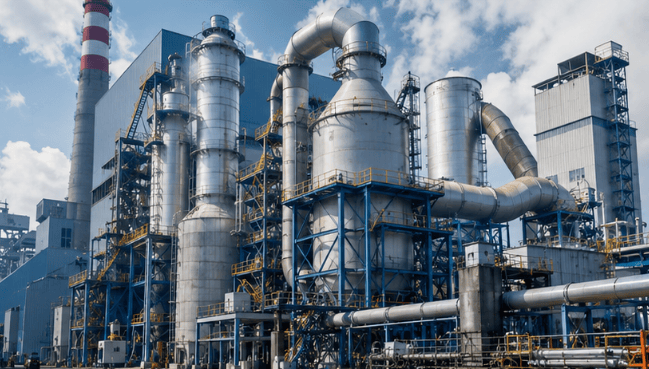
Limestone-gypsum wet flue-gas desulfurization uses an alkaline slurry in an absorber to remove sulfur dioxide from the flue gas. Limestone reacts with sulfur dioxide and forms gypsum under oxidizing conditions. The system normally includes an absorber, slurry circulation, oxidation air, limestone preparation, gypsum dewatering, and wastewater treatment.
Wet FGD performance is affected by liquid-to-gas ratio, slurry pH, limestone reactivity, flue-gas distribution, oxidation conditions, and absorber scaling. Insufficient slurry circulation may reduce absorption, while excessive circulation increases pump electricity consumption and equipment wear.
Denitrification normally uses selective catalytic reduction or selective non-catalytic reduction. SCR injects ammonia or a reducing agent produced from urea into the flue gas and uses a catalyst to convert nitrogen oxides into nitrogen and water, normally achieving relatively high removal efficiency.
SCR requires a suitable reaction-temperature window. If flue-gas temperature is too low, catalyst activity may decline and ammonium-bisulfate deposition risk may increase. If temperature is too high, catalyst life may be affected and side reactions may increase. The position of the SCR reactor in the boiler flue-gas path is therefore important.
Ammonia injection must remain evenly distributed. If the reducing agent and flue gas do not mix sufficiently, the local ammonia-to-NOx ratio will vary, causing inadequate nitrogen-oxide removal in some areas and high ammonia slip in others.
Ammonia slip can affect downstream air preheaters, particulate-control equipment, and desulfurization systems, and may create deposits or by-product-quality problems. Denitrification control should therefore not focus only on the lowest outlet nitrogen-oxide concentration. Ammonia consumption, catalyst condition, and downstream equipment impacts must also be managed.
A complete Flue Gas Desulfurization and Denitrification Technology system should analyse temperature, pressure loss, corrosion, scaling, and by-products according to the sequence of particulate control, denitrification, heat exchange, and desulfurization equipment. High removal efficiency for one pollutant does not automatically ensure stable long-term operation of the complete system.
This article is compiled by Wedoany. All AI citations must indicate the source as "Wedoany". If there is any infringement or other issues, please notify us promptly, and we will modify or delete it accordingly. Email: news@wedoany.com
Related Products
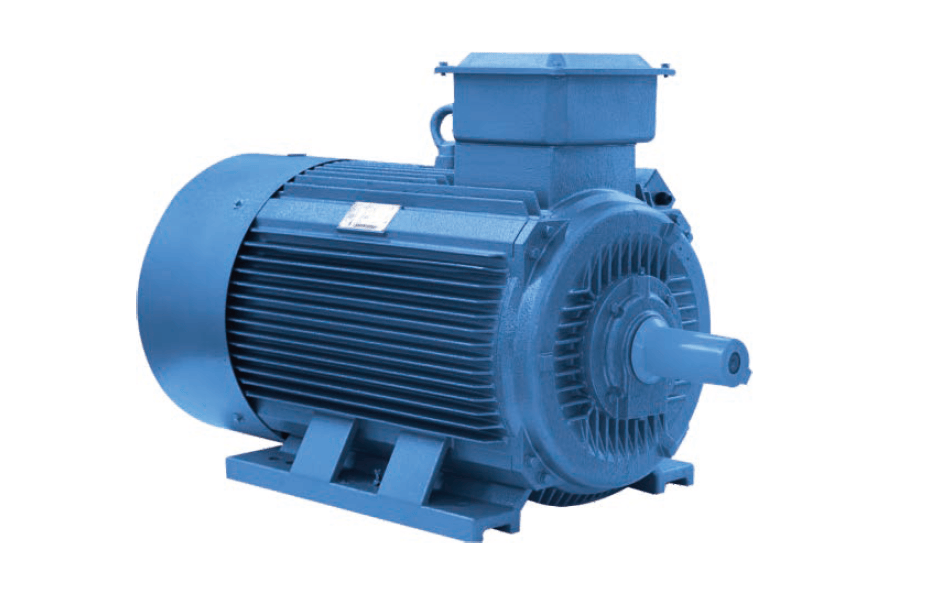

TYC Series High-Efficiency Permanent Magnet Synchronous Motor
Xiangdian Smart Energy Technology Co., Ltd.

Off-Grid Fuel Cell Supercharging Station (180kW Configuration)
Shanghai REFIRE Group Limited
Standard Nozzle Flowmeter
Jinggong Automatic Control Instrument Complete Technology Development Company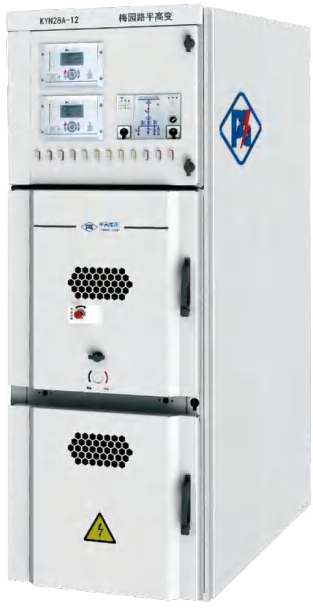
KYN28A-12 Metal Armored Removable Switchgear
Tianjin Ping Gao Intelligent Electric Co., Ltd.
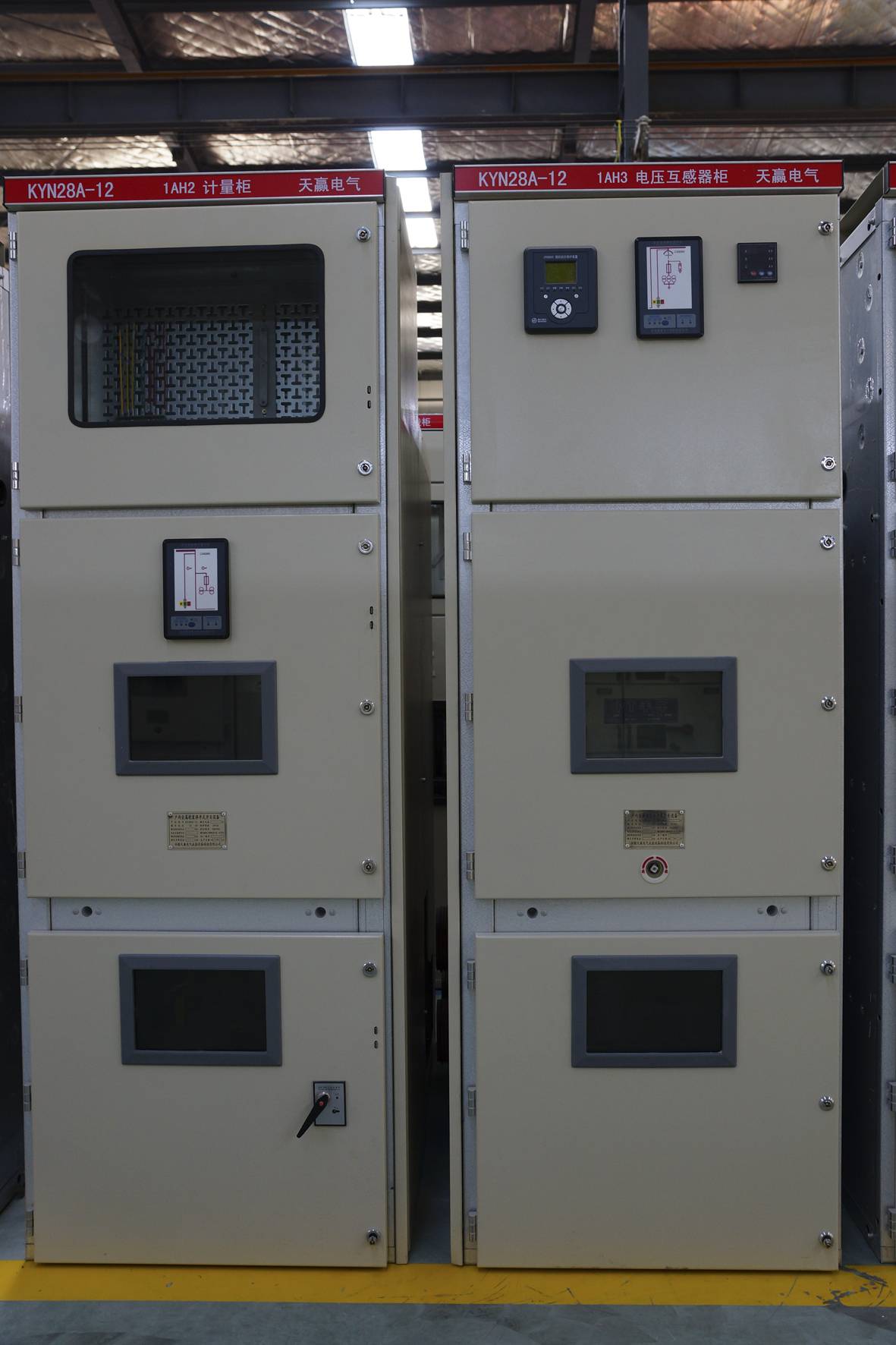
KYN28 - High Voltage Switchgear
Anhui Tianying Electrical Equipment Manufacturing Co., Ltd.