Transformer Capacity Should Not Be Selected by Simply Adding Installed Loads
en.Wedoany.com Reported - Transformer capacity determines the load that a power-supply system can carry continuously, but equipment selection should not simply add the nameplate power of every electrical device. Simultaneous operation, load cycles, power factor, starting current, harmonics, and future expansion all affect the required capacity.
The first step in Transformer Selection is to distinguish installed capacity from maximum actual demand. Motors, air conditioning, lighting, heating, and production equipment in a factory normally do not all operate at rated power at the same time, so demand and diversity factors should be determined from the production process and historical data.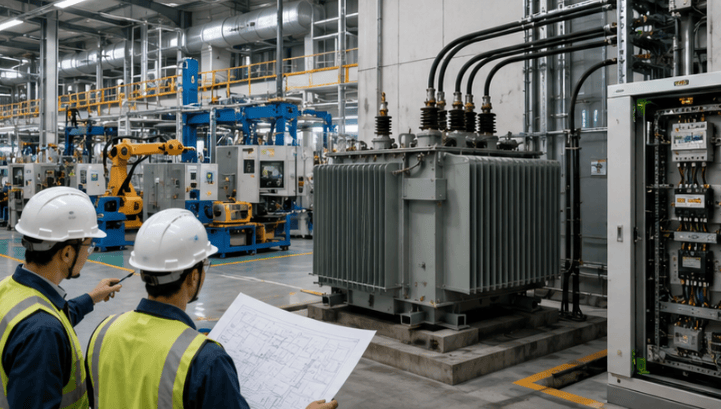
Power factor changes the apparent power carried by the transformer. The same active load requires greater current and kilovolt-ampere capacity at a lower power factor, so reactive-power compensation should be considered together with transformer-capacity calculation.
Large motors, welders, rolling mills, and electric arc furnaces may create short-duration impact loads. Even when average power is moderate, starting or operating fluctuations can cause significant voltage reduction, requiring verification of transformer short-time loading capability, impedance, and allowable system-voltage deviation.
Nonlinear loads create harmonics that produce additional losses and heating in windings, conductors, and structural components. Projects with a high proportion of data-center equipment, variable-frequency drives, rectifiers, or uninterruptible power supplies should not select transformer capacity from fundamental-frequency current alone.
Ambient temperature, altitude, and ventilation conditions also affect continuous output capability. High ambient temperature reduces cooling margin, high altitude lowers air density and affects cooling and insulation, and indoor transformers require verification of room ventilation.
Capacity margin should remain within a reasonable range. Insufficient expansion allowance may require early equipment replacement, while excessive oversizing increases no-load loss, investment, and footprint and may leave the transformer operating at a very low load factor.
Sound transformer selection should establish an hourly or daily load curve and analyse normal operation, equipment starting, maintenance, faults, and future expansion before determining rated capacity and standby arrangements. A larger transformer is not automatically safer; its capacity should match the actual load and operating strategy.
This article is compiled by Wedoany. All AI citations must indicate the source as "Wedoany". If there is any infringement or other issues, please notify us promptly, and we will modify or delete it accordingly. Email: news@wedoany.com
Related Products

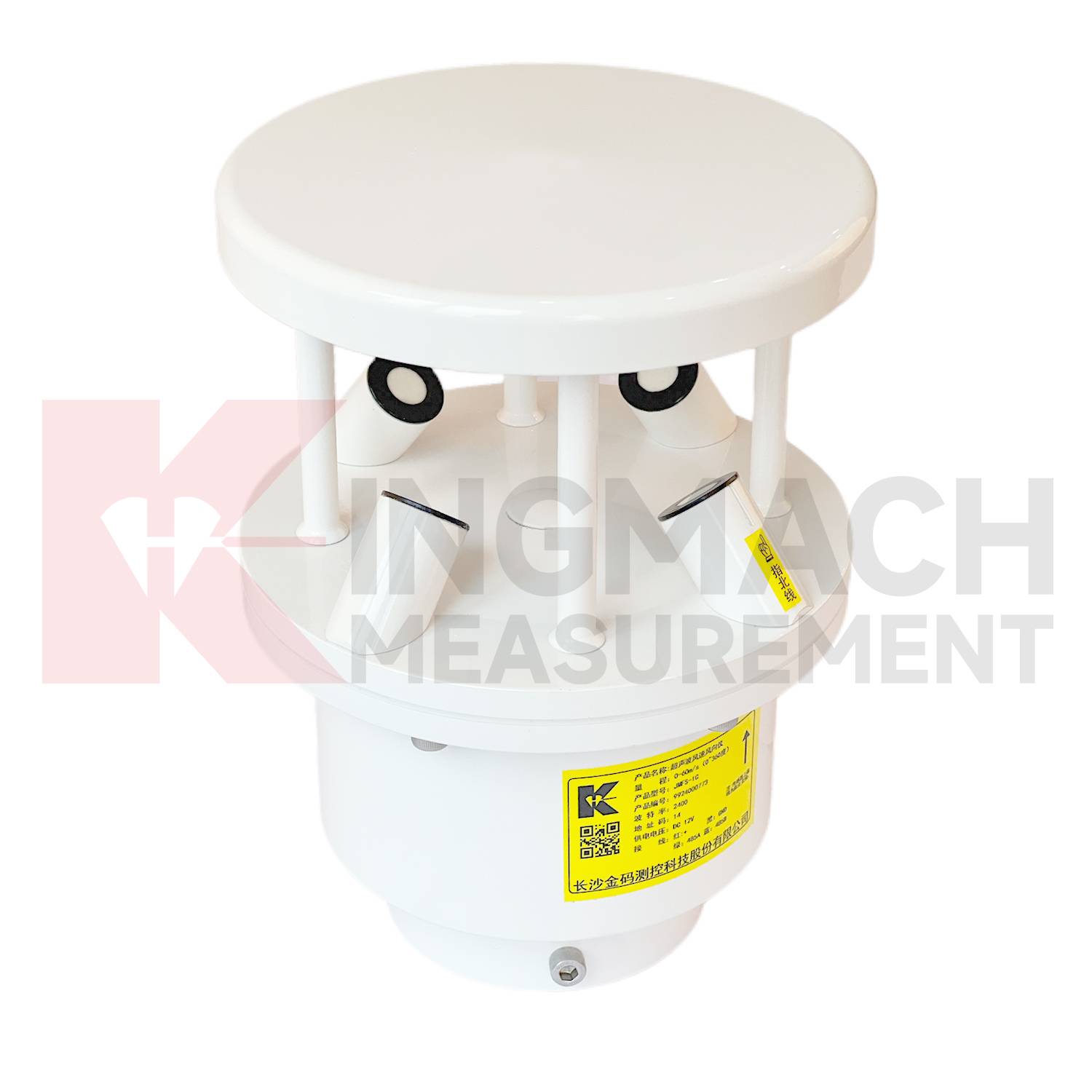
Ultrasonic Wind Speed and Direction Instrument
Kingmach Measurement & Monitoring Technology Co., Ltd.
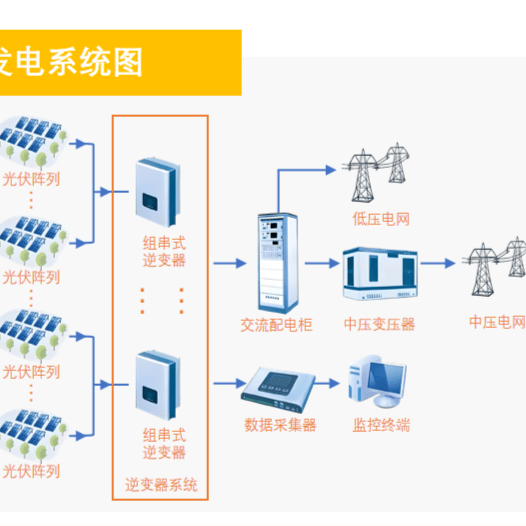
Photovoltaic and Wind Power Generation Technology
Beijing Boqi Electric Power SCI-TECH Co., Ltd.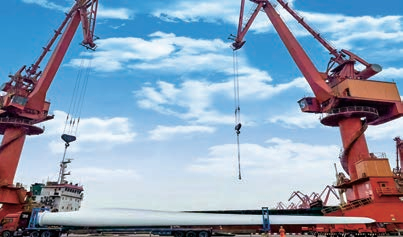

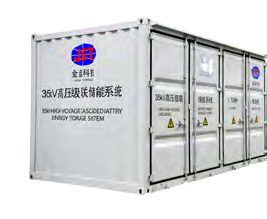
6kV-35kV Medium and High Voltage Direct-Connected Energy Storage System
Hainan Jinpan Smart Technology Co., Ltd.

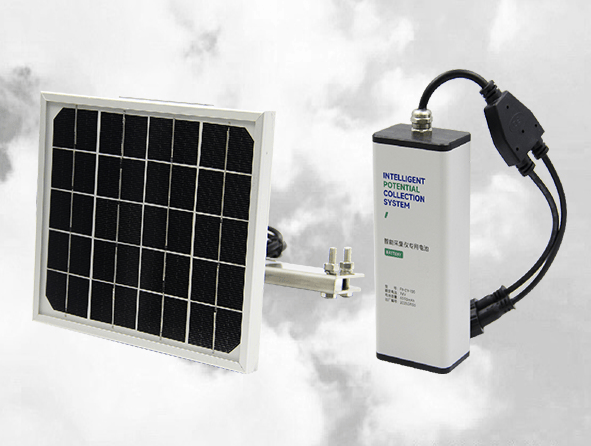
Inductive Power Harvesting Self-Powered Device - Safuneng
SELF ENERGY TECHNOLOGY (SHENZHEN) CO., LTD.