Oil-Immersed or Dry-Type Transformers Should Be Matched to the Installation Environment
en.Wedoany.com Reported - Oil-immersed and dry-type transformers both perform voltage conversion, but their insulation, cooling, fire protection, installation, and maintenance conditions differ. A project should not compare purchase prices alone and should select the type according to capacity, voltage, site conditions, environment, and safety requirements.
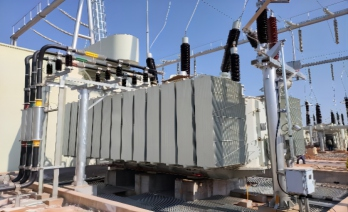
An oil-immersed transformer uses insulating liquid for electrical insulation and heat transfer and normally provides strong cooling capability for larger capacities and outdoor substations. The tank, radiators, oil-preservation system, and sealing condition directly affect long-term reliability.
Oil-filled equipment requires management of liquid leakage, oil containment, fire protection, and environmental risk. When installed inside buildings, underground spaces, or densely occupied areas, fire separation, oil drainage, and emergency ventilation may increase project complexity.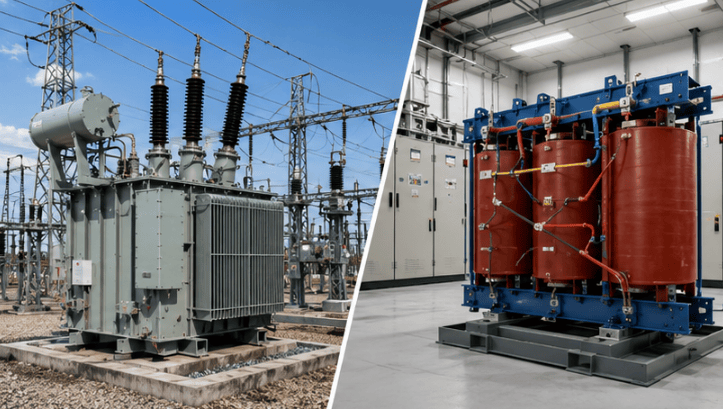
A dry-type transformer uses air and solid insulation materials for insulation and cooling and does not require a large quantity of insulating oil. This form of Transformer Selection is common in commercial buildings, data centers, hospitals, rail systems, and selected indoor industrial facilities.
Dry-type equipment still requires environmental control. Dust, humidity, condensation, corrosive gases, and inadequate ventilation can reduce insulation performance or create excessive temperature rise, making enclosure protection and transformer-room conditions important.
At the same rating, the two types may differ in loss, noise, dimensions, and overload performance. Oil-immersed equipment can normally increase cooling capability through oil circulation and radiators, while dry-type equipment may require forced-air cooling for peak loading.
Maintenance methods also differ. Oil analysis can provide information about moisture, dissolved gases, and insulation ageing in oil-immersed transformers, while dry-type transformer maintenance focuses more on winding temperature, dust accumulation, insulation surfaces, and cooling fans.
Transformer type should be selected by comparing complete project cost, including equipment, room construction, fire protection, foundations, ventilation, noise control, maintenance, and lifetime, rather than from the transformer purchase price alone.
This article is compiled by Wedoany. All AI citations must indicate the source as "Wedoany". If there is any infringement or other issues, please notify us promptly, and we will modify or delete it accordingly. Email: news@wedoany.com
Related Products
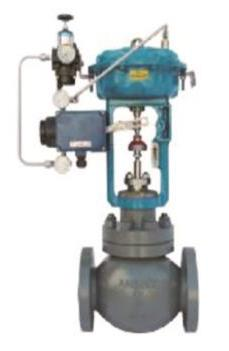

Quick-Change Single-Seat Control Valve / Quick-Change High-Pressure Single-Seat Control Valve
Beijing Consen Automation Technology Co., Ltd.
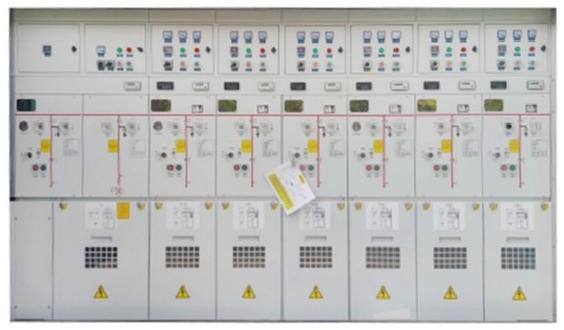
NISELA Series Environmentally Friendly Gas-Insulated Ring Main Unit
XJ DELISHIER ELECTRIC CO., LTD.
TAI Slew-drive Single-axis Independent 1P Tracking Bracket System
ANTAI TECHNOLOGY CO., LTD.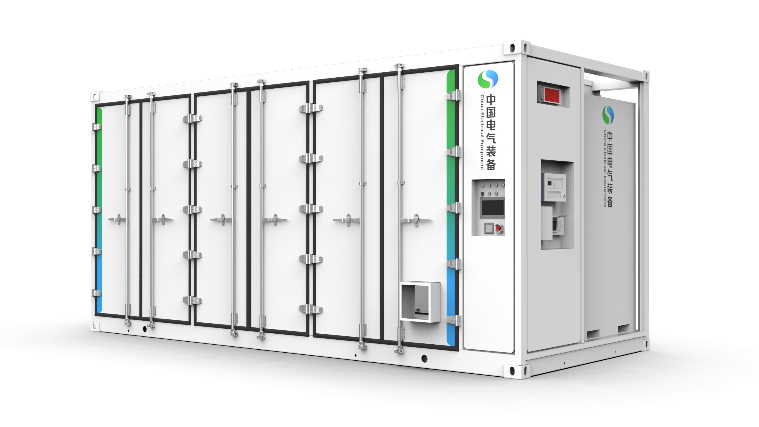
MESS8201-2507/5015-BN Prefabricated Liquid-cooled Energy Storage Battery Container
Xuchang Xuji Electric Science Energy Storage Technology Co., Ltd.
Modular Multifunctional Water Supply and Drainage Vehicle (18T)
Changsha Dewater Machinery Technology Co., Ltd.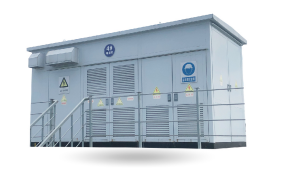
Smart Photovoltaic Prefabricated Substation
Shanghai Jinyou Jinhong Intelligent Electric Co., Ltd.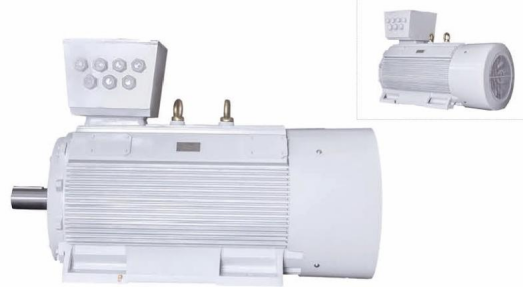
YE3 Series Low Voltage High Power Three-Phase Asynchronous Motor
Shandong Lijiu Electrical Machinery Co., Ltd.