US Helios Horizon completes world's first solid-state battery manned eVTOL flight, energy density increased by 60%
en.Wedoany.com Reported - Helios Horizon, a US electric aviation project team, recently completed the world's first manned electric aircraft test flight powered entirely by solid-state batteries at the Zephyrhills Municipal Airport in Florida, marking the transition of solid-state battery technology from the laboratory to practical manned aviation applications.
The manned aircraft used in the test flight was modified from a Pipistrel Taurus Electro powered glider. Project founder and test pilot Miguel Iturmendi piloted the aircraft through a series of low-altitude, short-distance test flights. The core objective of the test flight was to verify the overall weight balance, control stability, and power system performance of the aircraft after installing the solid-state battery. The flight altitude was controlled below 150 meters, with a maximum speed of approximately 96 km/h.
The leap in battery energy density is the core breakthrough of this test flight. Previously, the aircraft was equipped with traditional liquid lithium-ion batteries with an energy density of 260 Wh/kg. After switching to all-solid-state cells, the energy density reached 410 Wh/kg, an increase of about 60%. In addition to significantly enhanced energy storage capacity per unit weight, the solid-state battery replaces flammable liquid electrolytes with solid electrolytes, greatly improving resistance to impact, puncture, and high temperatures. It eliminates the need for complex liquid-cooled packaging structures and supports fast charging to 80% in 15 minutes. These characteristics meet the stringent requirements of aviation scenarios for safety, lightweight design, and charging efficiency.
Insufficient battery energy density has long been a core bottleneck restricting the commercialization of electric aviation. Traditional lithium batteries account for an excessively high proportion of weight, making it impossible to support commercially viable manned flight ranges. The project team revealed plans to increase cell energy density by approximately another 40% over the next two years, with subsequent goals including stratospheric flight tests.
Related Products

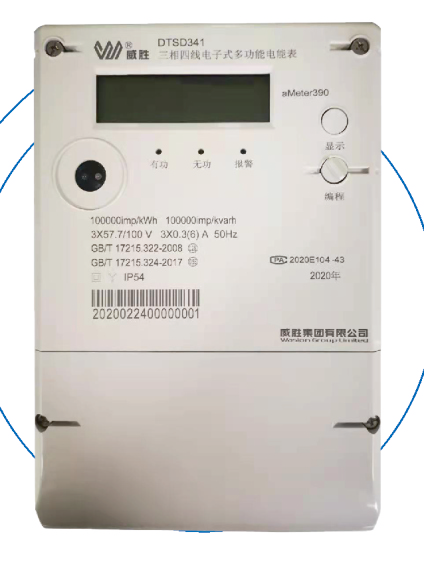
Overseas IEC Gateway Energy Meter - DTSD341/DSSD331-aMeter390
Wasion Group Limited Co., Ltd.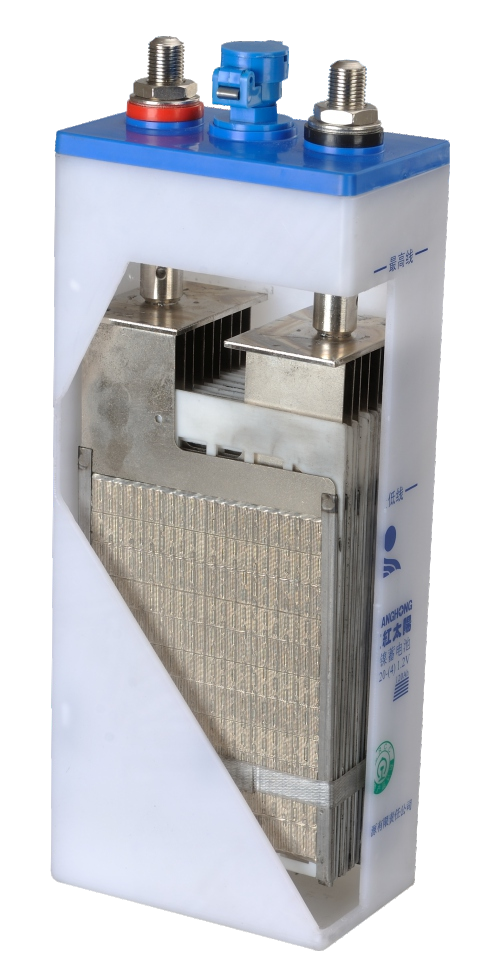
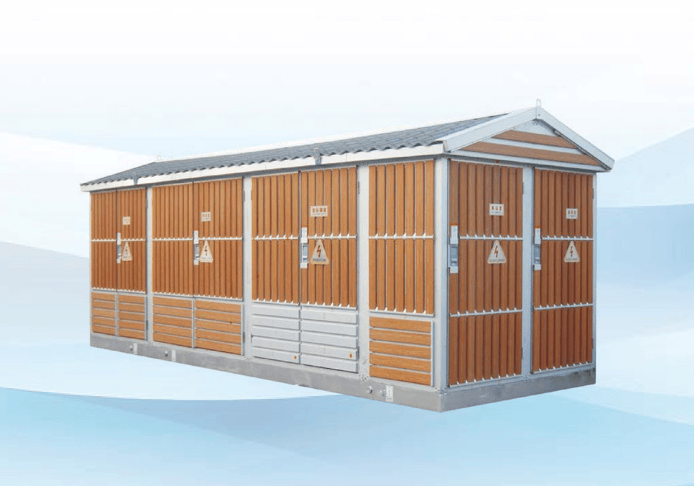
YB □ -12/0.4/1250 Outdoor Prefabricated Substation (European Style)
Shangrao Shangyu Intelligent Electric Co., Ltd.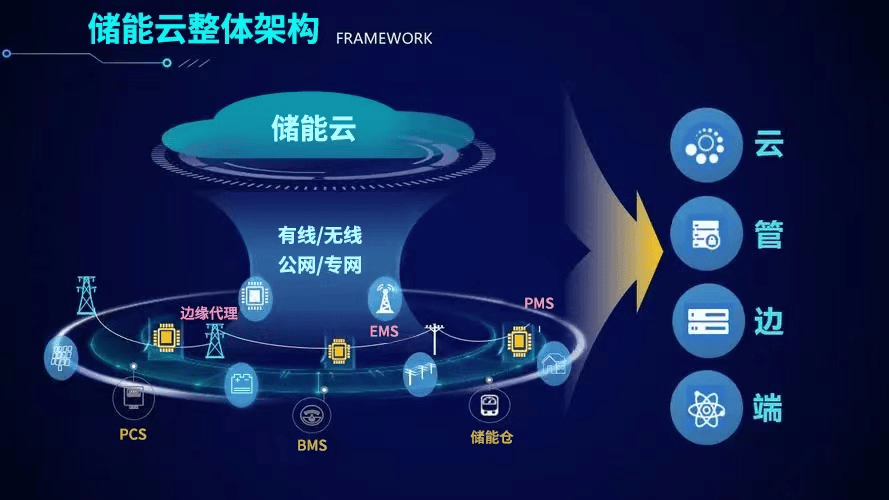
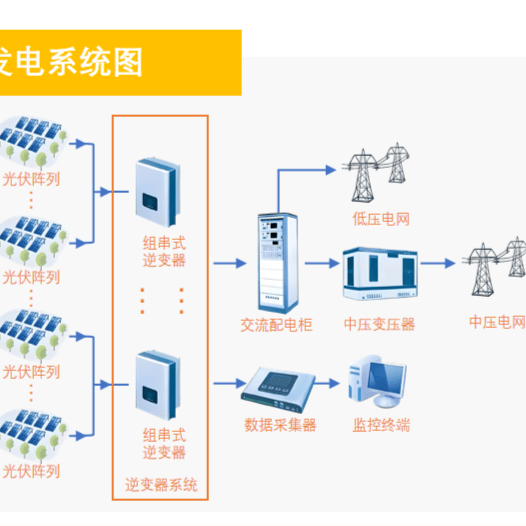
Photovoltaic and Wind Power Generation Technology
Beijing Boqi Electric Power SCI-TECH Co., Ltd.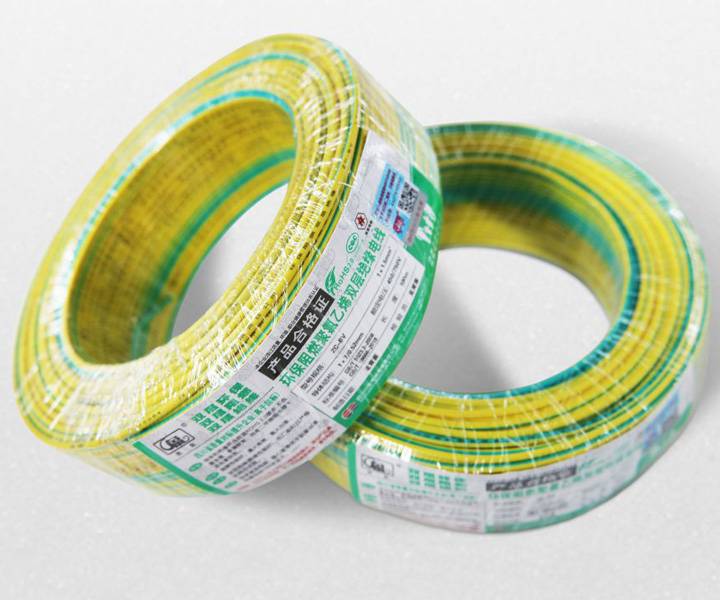
Environmentally Friendly Flame-retardant PVC Double-layer Insulated Wire
Sichuan Chndo Cable Co., Ltd.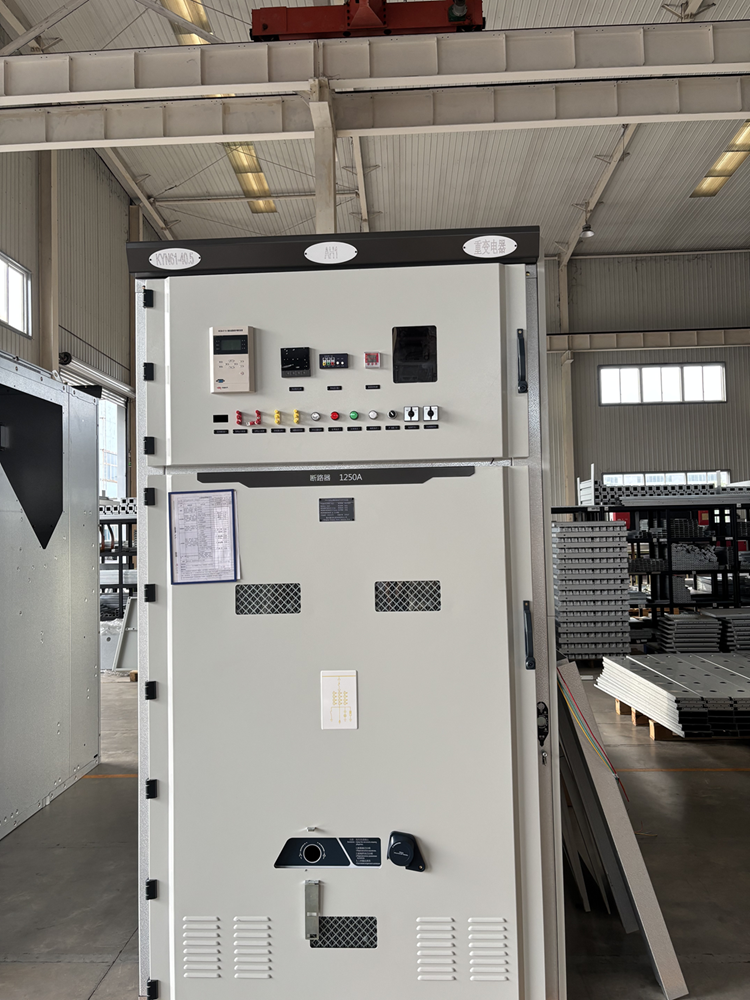
KYN61-40.5 Indoor AC Metal-clad Removable Switchgear
Chongqing Transformer Co., Ltd.
Electromagnetic Fluid Seawater Floating Oil Separation and Recover Equipment
Huate Magnet Group Co., Ltd.