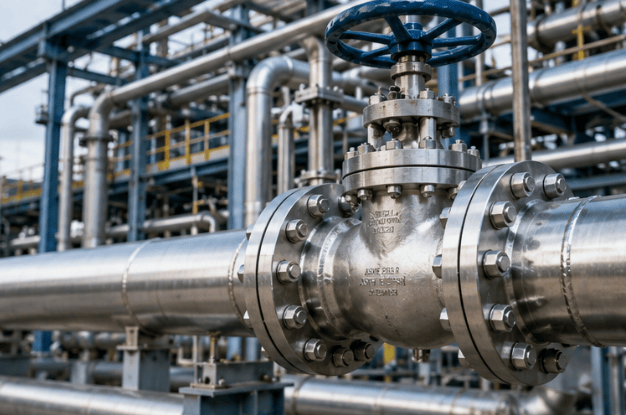
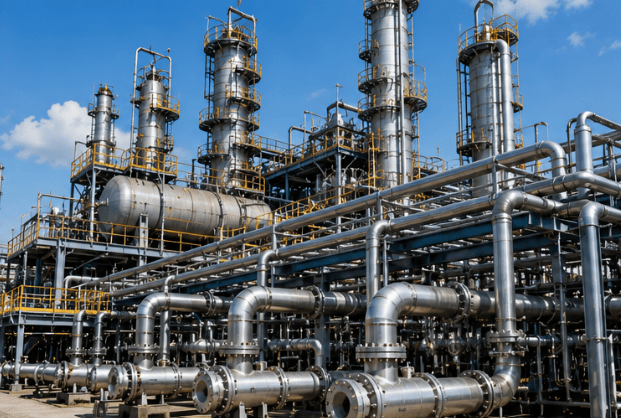
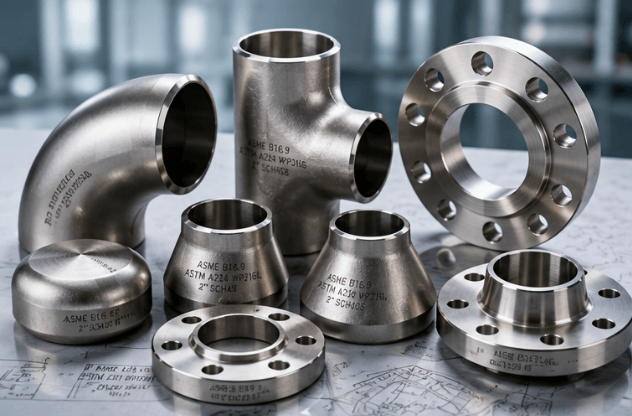
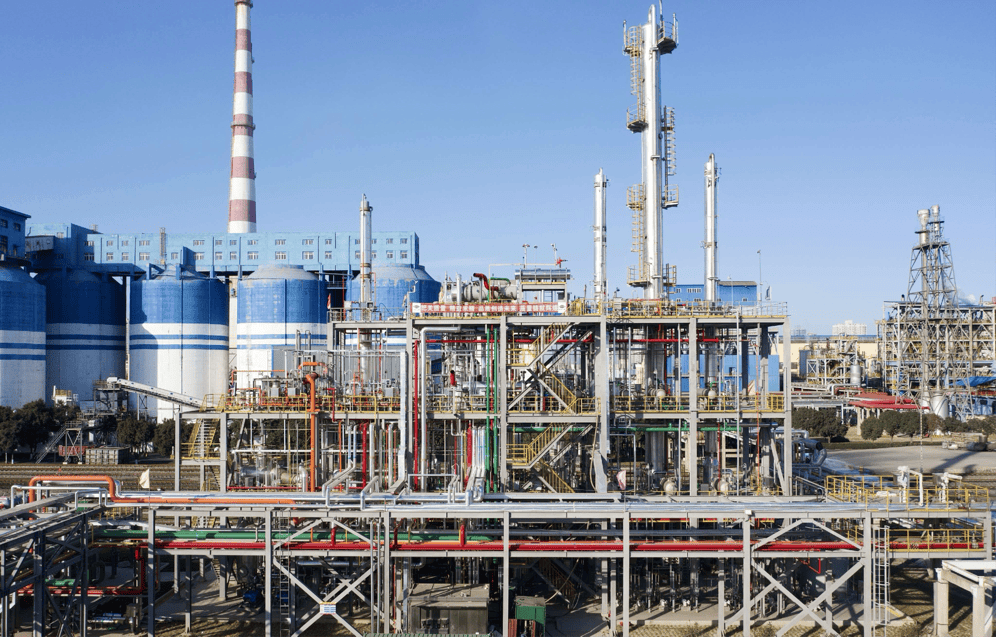
en.Wedoany.com Reported - Petrochemical piping systems experience corrosion, erosion, fatigue, thermal cycling, vibration, seal aging and external damage during long-term operation. For refineries, chemical plants, oil storage terminals and LNG facilities, the management of Petrochemical Pipeline Fittings is becoming an important part of mechanical integrity and plant safety.
Risks in in-service piping systems often concentrate at elbows, tees, reducers, flanged joints, valve connections, areas near supports and locations where flow direction changes. These positions are more likely to face erosion-corrosion, stress concentration, gasket leakage, bolt loosening or weld defects. In high-temperature, high-pressure, corrosive, intermittent or frequently cycled services, fitting condition should be included in inspection planning and risk assessment.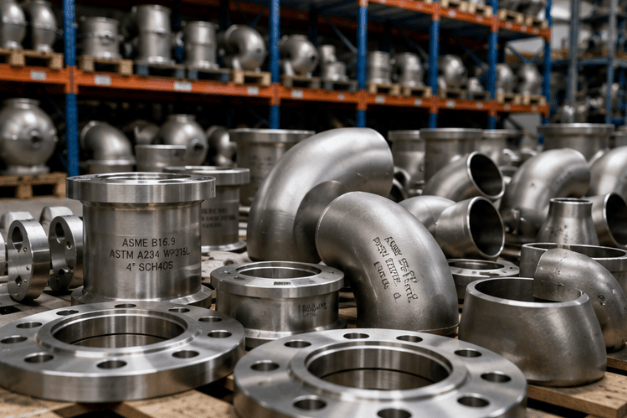
The challenge is that field failures are rarely caused by a single factor. A damaged elbow may reflect a combination of material selection, flow velocity, fluid composition, temperature and operating history. A flange leak may be related to gasket selection, bolt preload, sealing surface damage or external pipe stress. Maintenance should therefore not be limited to direct replacement. It should include root-cause analysis and system review.
Traceability is becoming more important in fitting management. Operators need to know the material source, manufacturing batch, heat treatment record, inspection result, installation location and operating history of critical fittings. For key piping lines, a digital register can help maintenance teams quickly identify risk scope when material defects, abnormal corrosion or batch problems are discovered.
Inspection and maintenance will increasingly rely on data and risk-based management. Ultrasonic thickness measurement, radiographic testing, magnetic particle testing, liquid penetrant testing, visual inspection, corrosion monitoring and digital patrol systems can be connected with fitting quality records. This allows asset teams to move from reactive maintenance to more proactive integrity management.
For pipeline fitting suppliers, traceable products, complete quality documents and fast delivery for maintenance scenarios will become important competitive factors. Petrochemical customers are not only buying replacement parts. They are looking for supply partners that can support safe, documented and efficient maintenance of critical piping systems.