China Plans 40 Million Charging Piles and Unveils New Policies on Housing, Automobiles, Income, and Holidays
en.Wedoany.com Reported - The Chinese government has introduced a series of new measures across four key areas—housing, automobiles, income, and holidays—aimed at stimulating consumption potential and improving people's livelihoods. In the housing sector, policies focus on optimizing the supply of affordable housing, increasing resources for improved housing based on the actual conditions of each city, and promoting the standardized development of the housing rental market. Simultaneously, a housing quality enhancement initiative will be launched, prioritizing the construction of "good homes" characterized by safety, comfort, green features, and smart technology. The renovation of urban villages, dilapidated and old housing, and aging residential communities will be steadily advanced, encouraging residents to independently upgrade their homes and supporting the age-friendly renovation and smart upgrades of old houses. Additionally, a property service quality improvement campaign will expand its service scope, while deepening reforms to the housing provident fund system to broaden its usage scope, better meeting the diverse housing needs of contributors at different stages.
In the field of automobile consumption, policies shift the management focus from the purchase stage to the usage stage, guaranteeing car purchase needs for long-term unlucky carless families based on the number of years without winning the lottery, and exploring differentiated vehicle purchase quota management in urban and suburban areas. At the infrastructure level, plans call for building approximately 40 million charging infrastructure units nationwide, forming a service capacity to support the charging of over 100 million electric vehicles, with around 9 million public charging piles planned. To expand automobile consumption, innovation across the entire chain of circulation and consumption will be promoted, facilitating the circulation of used cars and expanding aftermarket consumption such as car modification, leasing, racing, and RV camping. Meanwhile, pilot reforms for circulation and consumption will be carried out, supporting eligible cities in taking the lead in clearing restrictive measures, revitalizing the used car market, enhancing the resource recycling of scrapped vehicles, developing the automotive aftermarket, and building a full lifecycle information system. Management of car repair and modification will be improved, accelerating the construction of a technical standard system for Automobile Industry" target="_blank">new energy vehicle repair, and establishing a graded and classified management mechanism for the vehicle modification industry, along with modification technical standards tailored to national conditions. The construction of RV camping bases will be strengthened, supporting the development of different types and grades of camping sites, and improving related management requirements and supporting facilities.
In the area of income distribution, policies improve the distribution system based on factors, promoting fairness through mechanisms where those who work more, have higher skills, or innovate more earn more. Specific measures include perfecting mechanisms for wage determination, reasonable growth, and payment guarantees for workers, establishing and steadily adjusting minimum wage standards, and strengthening macro guidance for corporate wage distribution. The business environment for small and micro enterprises and individual businesses will be continuously improved. The policies also propose promoting the sustained and healthy development of the real estate market, consolidating the stable and improving trend of the capital market, increasing urban and rural residents' property income through multiple channels, and strengthening the redistributive adjustment role of taxation, social security, and transfer payments.
Regarding the holiday system, policies require full implementation of the labor law to effectively protect workers' legitimate rights to rest and leave. By promoting the revision of the "Regulations on Paid Annual Leave for Employees" and strictly enforcing it, the rigidity of system implementation will be enhanced. All units are encouraged to arrange flexible and staggered holidays in conjunction with traditional festivals and local characteristic activities. Additionally, support will be given to eligible regions to promote the implementation of spring and autumn break systems for primary and secondary schools.
Related Products


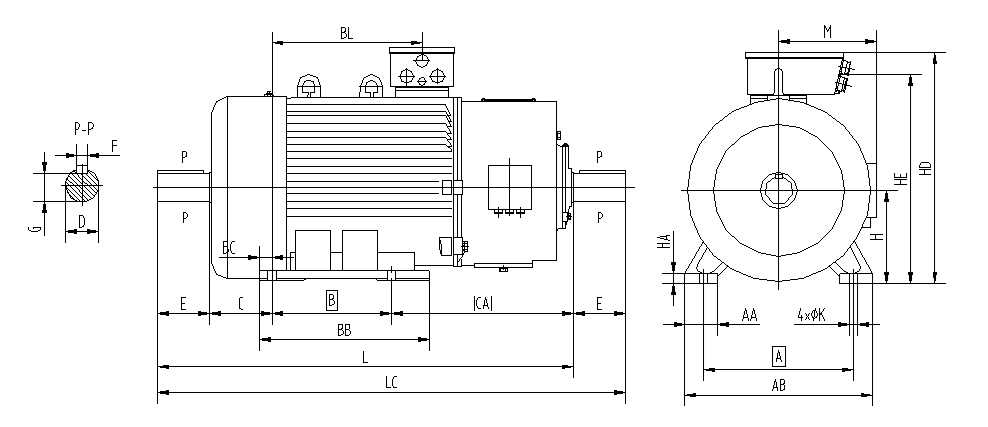
YZR (450-560) Series Wound Rotor Three-Phase Asynchronous Motors for Crane and Metallurgical Applications
Jiamusi Electric Machine Co., Ltd.




Industrial and Commercial Point-Type Gas Detector
Jinan Benan Technology Development Co., Ltd.



Acoustic Mineral Fiber Ceiling Tile 595x595x12mm
Shanxi Pano Trading Co., Ltd