Demand for Rough Terrain Cranes Grows in India, Manufacturers Offer 20 to 145 Ton Models
en.Wedoany.com Reported - The increasing use of rough terrain cranes in India across industries such as refineries, power, steel, and cement, as well as in urban infrastructure development projects, is driving demand for low, medium, and high-tonnage models. The ability of these cranes to travel on rugged and uneven terrain, their compact design, safety features, and maneuverability in confined spaces make them popular among crane rental agencies and construction companies.
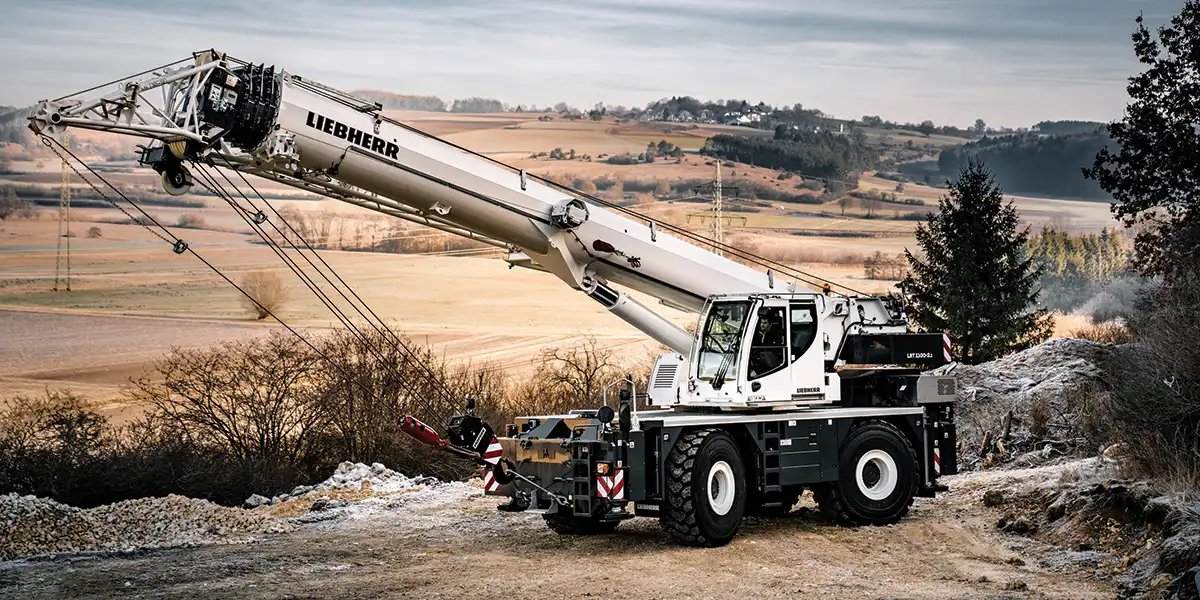
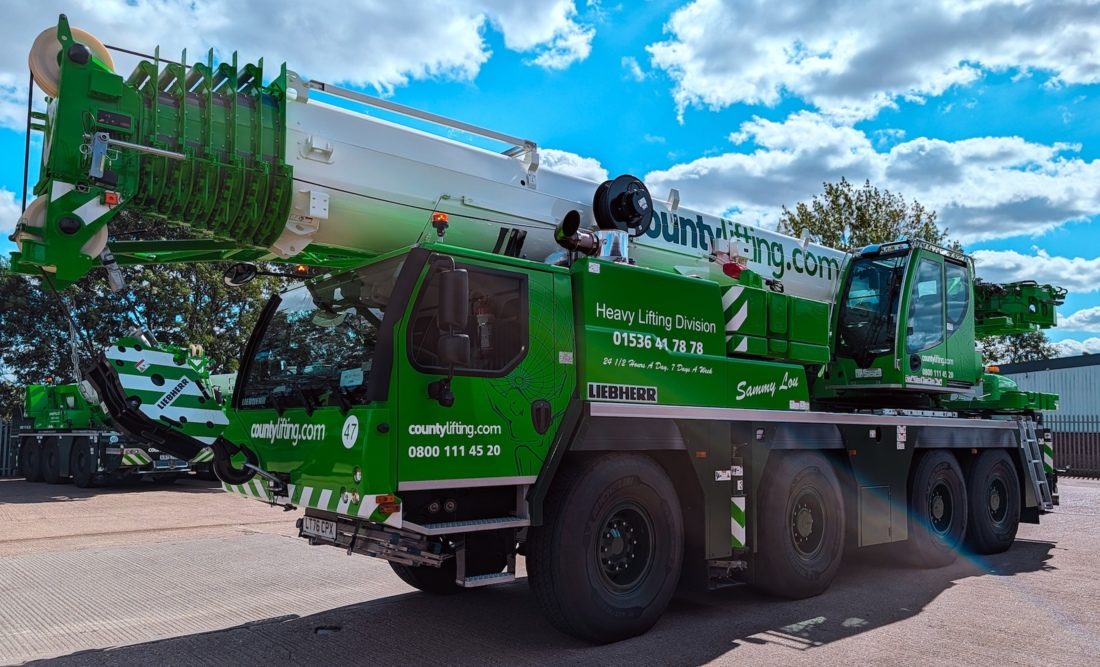
Subhajit Chandra, Head of Liebherr Cranes India, stated that the company aims to target niche applications requiring higher safety and reliability while retaining existing customers. Its RT cranes are used in the cement, fertilizer, and steel sectors for scheduled shutdown maintenance, and also involve the defense and power sectors. The company's flagship models, the LRT-1090-2.1 (90 tons) and LRT 1100-2.1 (100 tons), are manufactured according to the EN13000 standard, demonstrating performance, safety, and reliability to customers while considering ownership and operating costs. To enhance safety, these cranes are derated, retaining at least 75% as a reserve load. Liebherr's unique Vario Base system automatically calculates the load being lifted based on the crane's axle load, center of gravity, and counterweight management system. The new LRT series RT cranes feature long OVI booms with higher tensile steel strength and lighter weight, providing better load capacity and stability. The company will continue to offer technical support services, B2B service teams, and crane operator training.
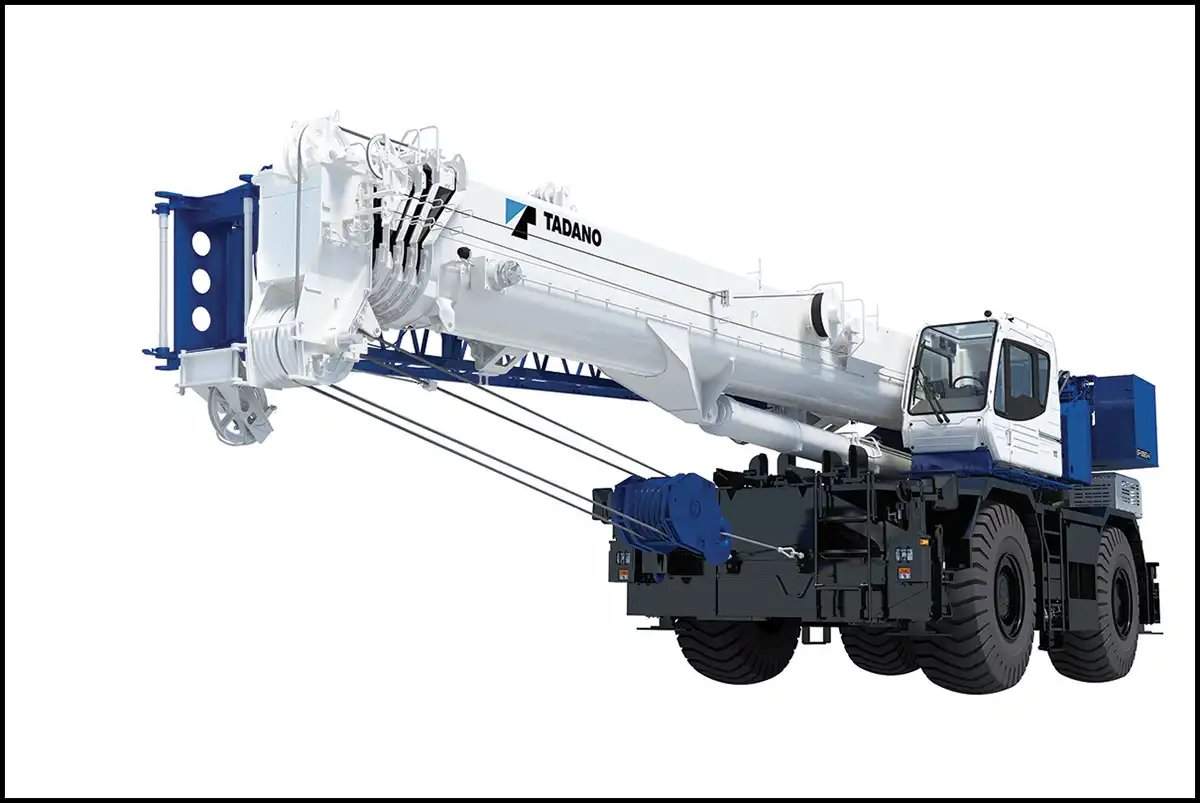
Abhijeet Narote, Sales Head of Tadano Cranes India, stated that the Japanese mobile crane manufacturer is working to make its rough terrain cranes more adaptable to Indian operating conditions. The company focuses on demand sectors such as metros, smart cities, bridges, refineries and petrochemical plants, steel, cement, and fertilizer plants, and is expanding its service engineer team and spare parts supply. For the Indian market, Tadano offers the GR-700EX-4 (70 tons) and GR-900EX-4 (90 tons) cranes, as well as the largest capacity model, the 145-ton GR-1450EX. These cranes are equipped with a 61-meter full-power boom and an 18-meter jib, feature off-road capability with four steering modes, and have compact dimensions for easy interstate transport. The 70-ton and 90-ton cranes are powered by Mitsubishi engines and feature Tadano's Smart Chart and AML-E systems for safer and more precise lifting, with a boom telescoping system ensuring smooth and fast load handling. All-wheel drive and all-wheel steering (4WD/4WS) combined with multiple steering modes (2WS, 4WS, and crab steering) provide off-road maneuverability. Safety and stability are achieved through a hydraulic suspension lockout system, outrigger interlock, anti-two block system, and load indicators. The GR 700 EX-4, GR 900 EX-4, and GR 1450 EX are equipped with a dual winch option for tandem or long-distance lifting, and auxiliary lifting sheaves, camera systems, lighting kits, and cold climate kits are available for specific industry applications. Tadano has made progress in load configuration, counterweight flexibility, and transport optimization to achieve higher lifting capacities with lower axle loads, reducing the total cost of ownership (TCO). The company supports its products by stocking essential spare parts at hubs like Bhiwandi and Thane, and by offering a digital parts catalog (Tadano Parts Viewer) and telematics monitoring (HELLO-NET).
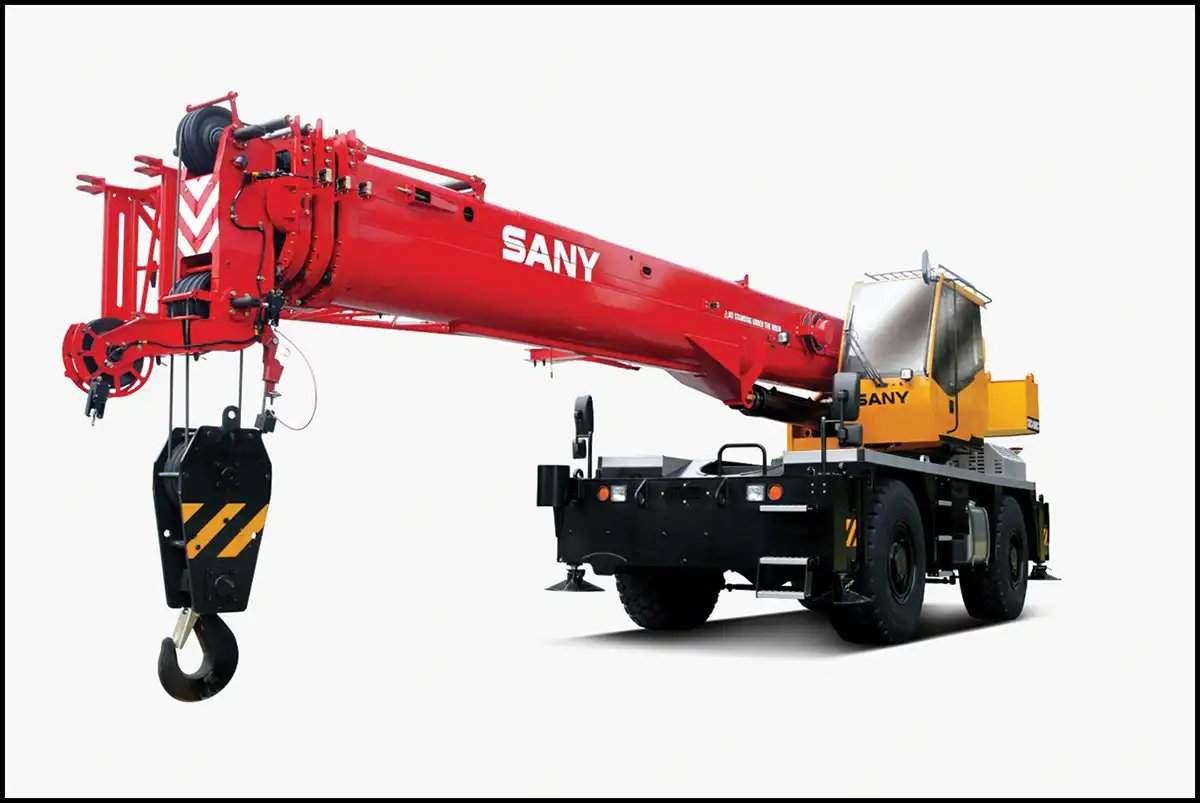
Sanjay Saxena, Chief Operating Officer of Sany India, stated that in response to low rental rates and rising costs, Sany offers energy-efficient machines, extended service intervals, and robust components to reduce lifecycle costs. A localized manufacturing ecosystem ensures reasonably priced, readily available spare parts and reliable service support, while partnerships with financing providers offer flexible solutions. Sany's mobile crane product line has expanded to include low (25-50 tons), medium (80-150 tons), and heavy (over 200 tons) classes. For space-constrained urban projects, the company has introduced compact, highly maneuverable truck cranes and all-terrain cranes. At the higher capacity end, crawler cranes and truck cranes over 200 tons are used for wind turbine installation, refineries, and large industrial projects. Sany cranes are equipped with robust and lightweight boom structures, utilizing advanced engineering for optimal lifting performance at longer radii. The telescopic booms of mobile cranes are optimized for stability and load distribution, while advanced safety systems such as Load Moment Indicators (LMI), automatic cut-off, and real-time monitoring enhance operational safety. Additional features include multiple working modes, automatic load charts, and stability control systems. Furthermore, integrated ROOTCLOUD telematics devices enable tracking of GPA trajectory, machine status, maintenance management, and operator performance via the MachineLink+ platform. The company has strengthened its sales and parts distribution network, conducts operator and technician training, and offers Annual Maintenance Contracts (AMC) and a digital service platform.
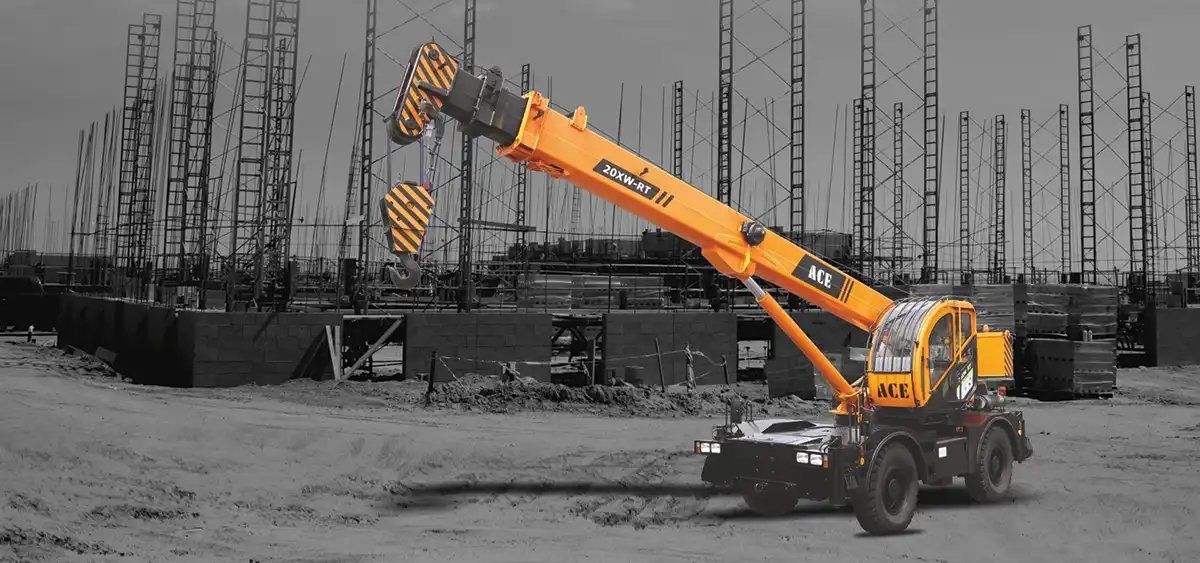
Manoj Agarwal, Vice President and Head of Sales & Marketing for Heavy Equipment at ACE Cranes, stated that the demand for rough terrain cranes in India extends to cement, road, and bridge projects. ACE offers RT cranes in 20, 30, and 40-ton capacities, with strong demand for newly developed 55 and 75-ton models. The order book is currently full for the year, with 30 units sold to date. The company's engineering and manufacturing in the RT segment leverage its expertise in crawler, mobile, and truck-mounted cranes, ensuring structural rigidity through the use of long boom technology in U-type and HEX versions. Utilizing in-house design and manufacturing capabilities along with high-end fabrication and bending capabilities, and employing advanced transmissions and axles from renowned manufacturers, the company designs cranes with higher maneuverability and speed. ACE offers short delivery times and provides direct service through its sales and service personnel.
P.N. Krishnakumar, CEO of XCMG India, noted that demand for rough terrain cranes in the 40-100 ton range in the Indian market is expected to remain strong. Many developers and EPC contractors prefer renting, prompting rental companies to upgrade their fleets. XCMG RT cranes are designed for optimal fuel economy, especially during idling and low-load operations. Telematics and remote monitoring provide real-time insights into fuel usage, machine performance, health diagnostics, and operator behavior. Low-maintenance and easy-to-service RT cranes feature longer maintenance intervals, intelligent component layout, and easy access to key parts, helping to reduce total cost of ownership. As part of customer support, XCMG India provides training on economical fuel usage and safe operation, and collaborates with banks and NBFCs to offer financing options, ensuring that RT cranes remain viable, competitive, and sustainable in the price-sensitive market.
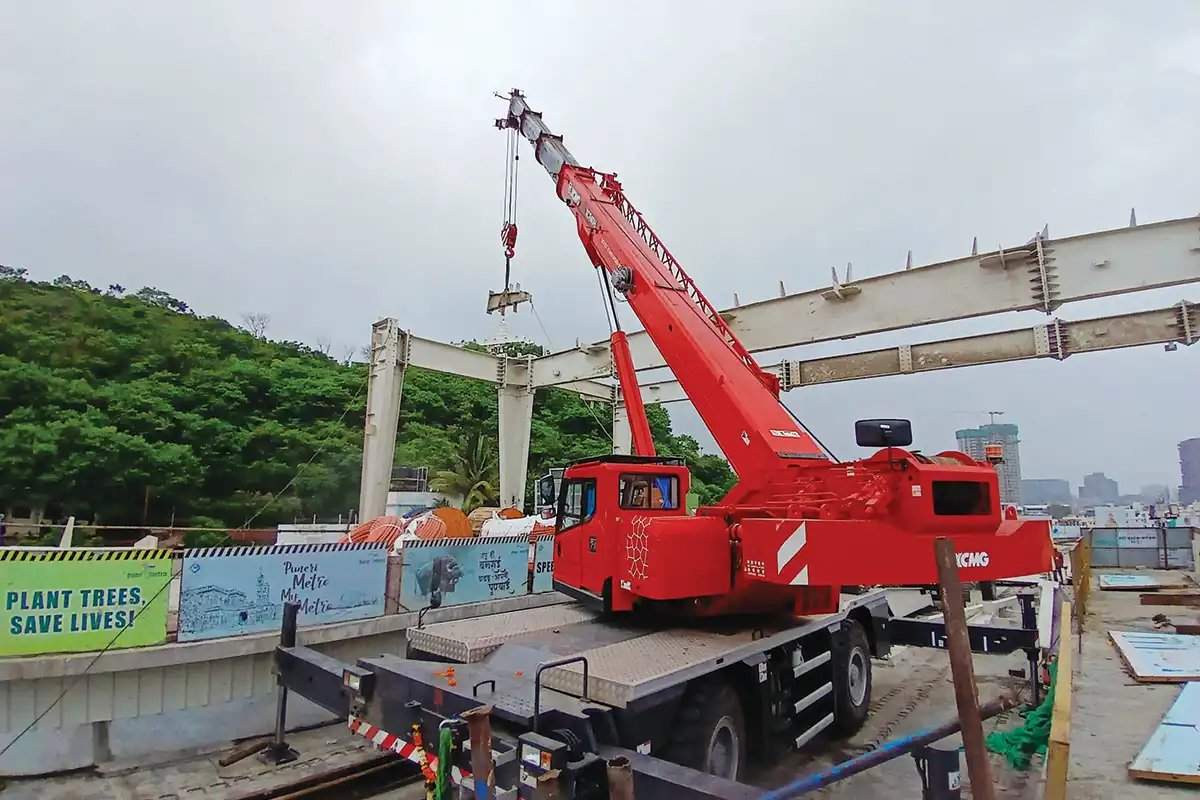
In 2025, demand for mobile cranes is expected to remain strong, driven by government spending on infrastructure, industrial expansion, renewable energy projects, and refinery upgrades. Rental rates for various mobile cranes remain subdued, while equipment ownership and operating costs are rising due to raw material costs, new emission standards, and higher service costs. In this competitive landscape, crane manufacturers are launching mobile cranes in various capacities and upgrading booms to lift heavier loads at longer radii, while enhancing safety and stability. Manufacturers are also improving load configurations, reducing axle loads, and placing greater emphasis on parts availability, operator training, and regular maintenance.
Related Products
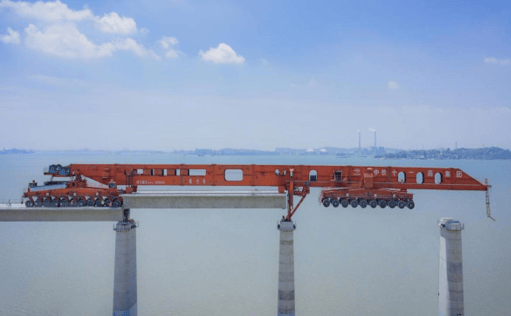

High-Speed Railway Lifting, Transporting, and Erecting Equipment: Integrated Transport and Erection Machine
Hanjiang Heavy Industry Co., Ltd. of China Railway 11th Bureau Group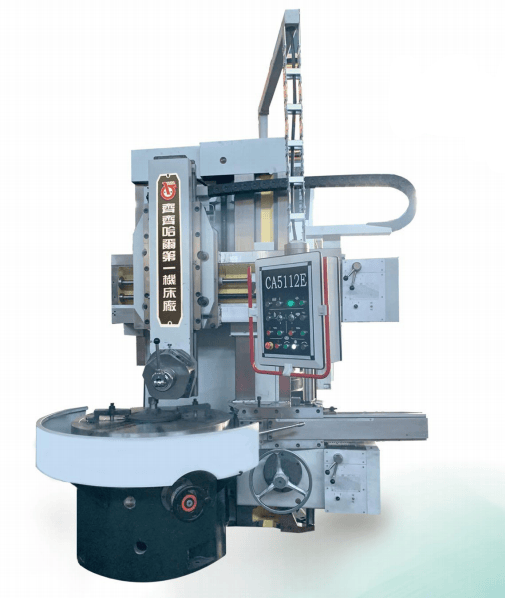
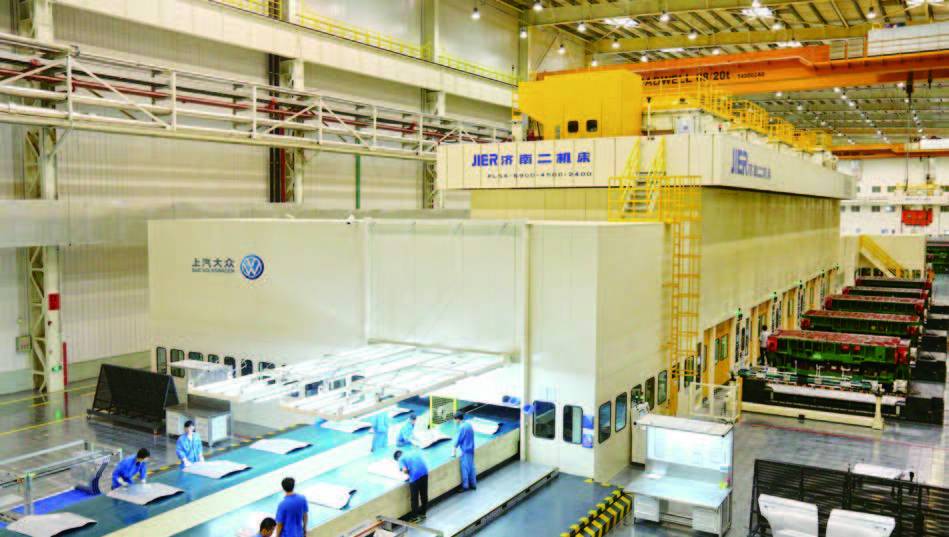
High-Speed Flexible Fully Automatic Stamping Production Line
JIER Machine-Tool Group Co., Ltd.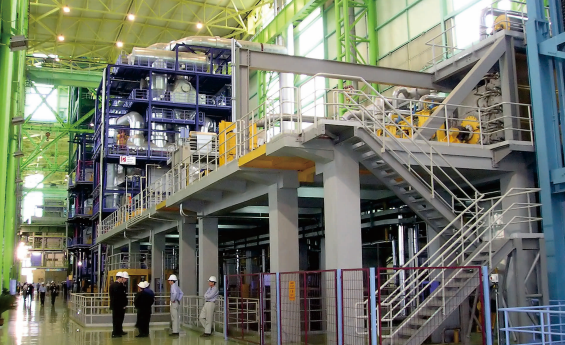
Strip Coating and Plating Production Line Equipment
MCC-SFRE HEAVY INDUSTRY EQUIPMENT CO., LTD.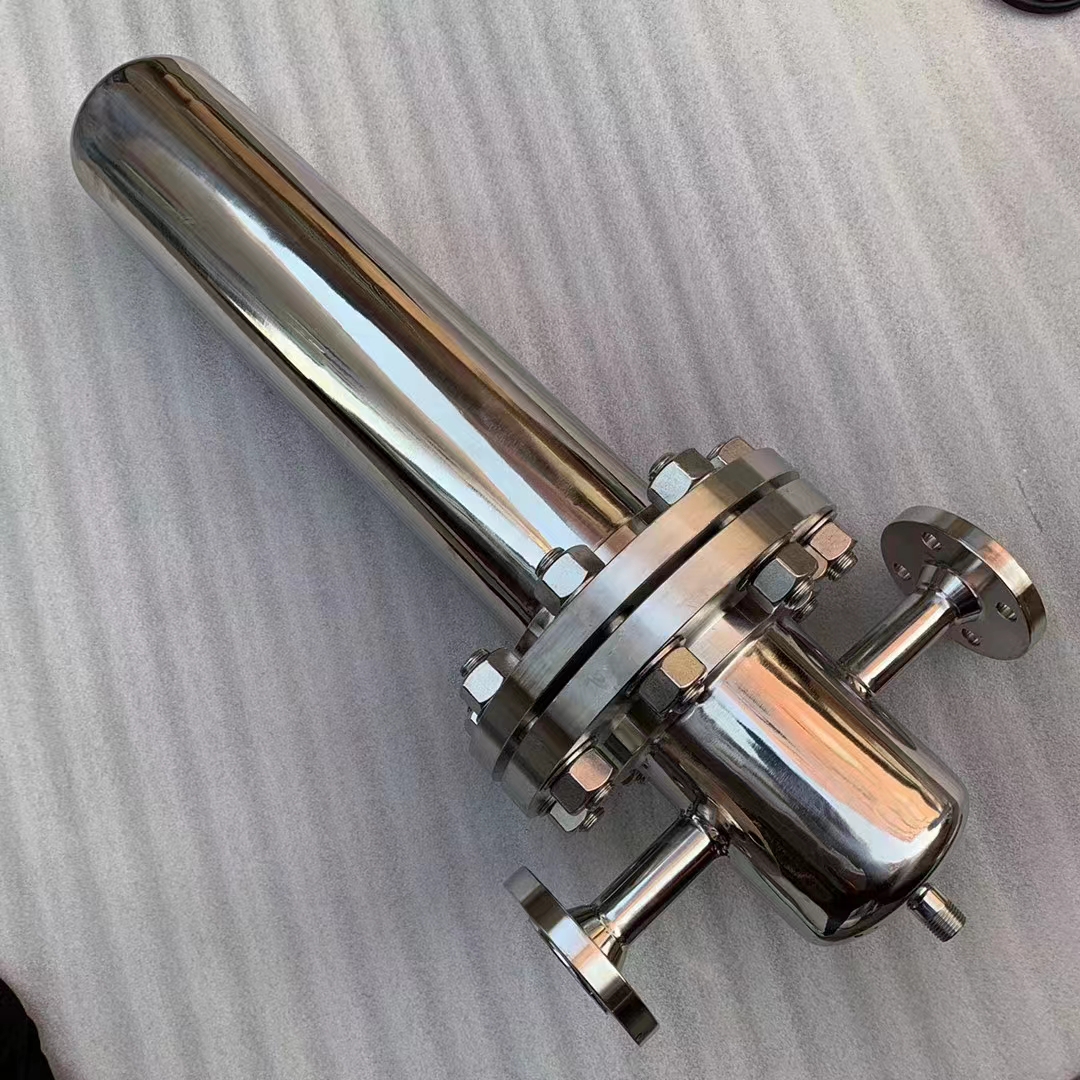

Industrial and Commercial Point-Type Gas Detector
Jinan Benan Technology Development Co., Ltd.
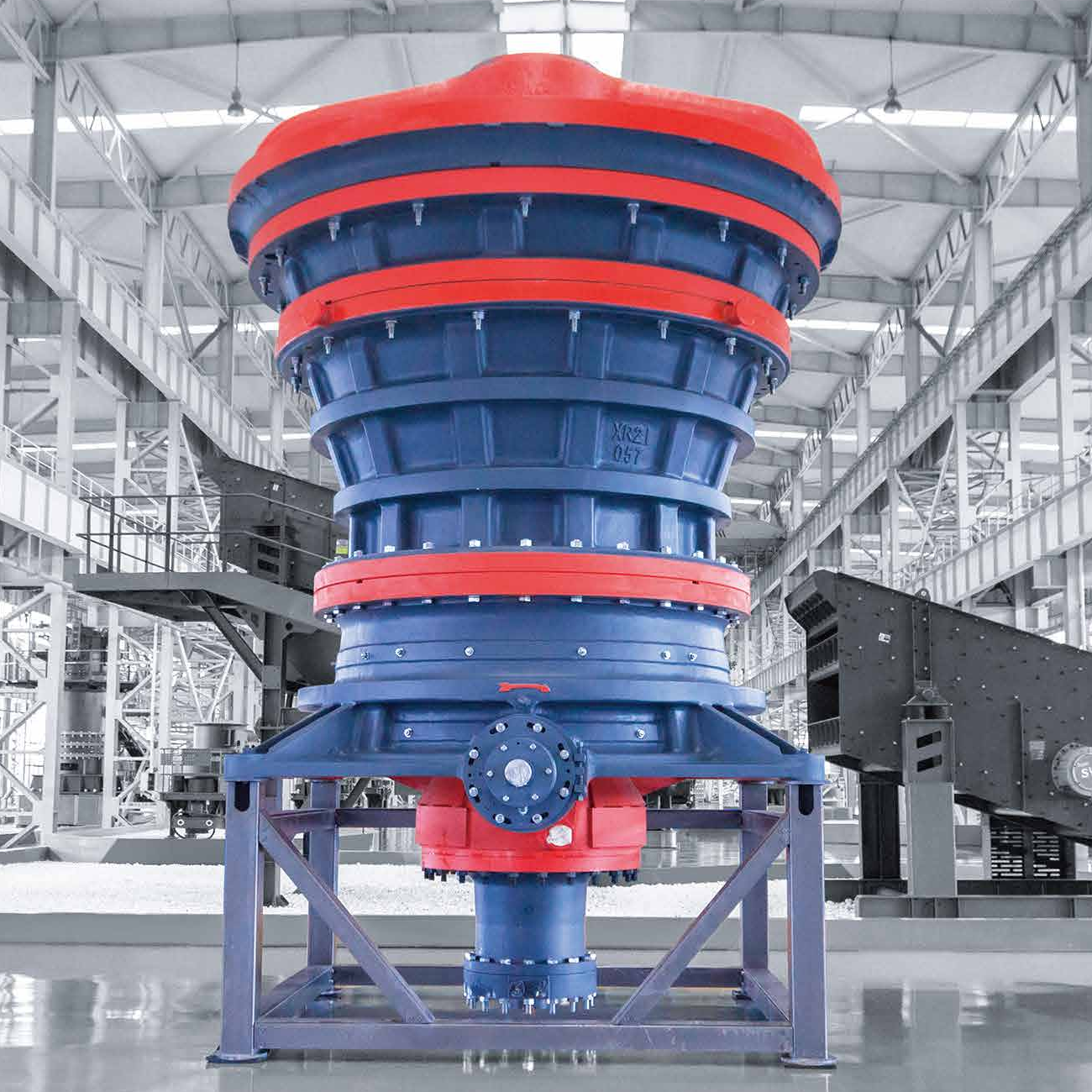
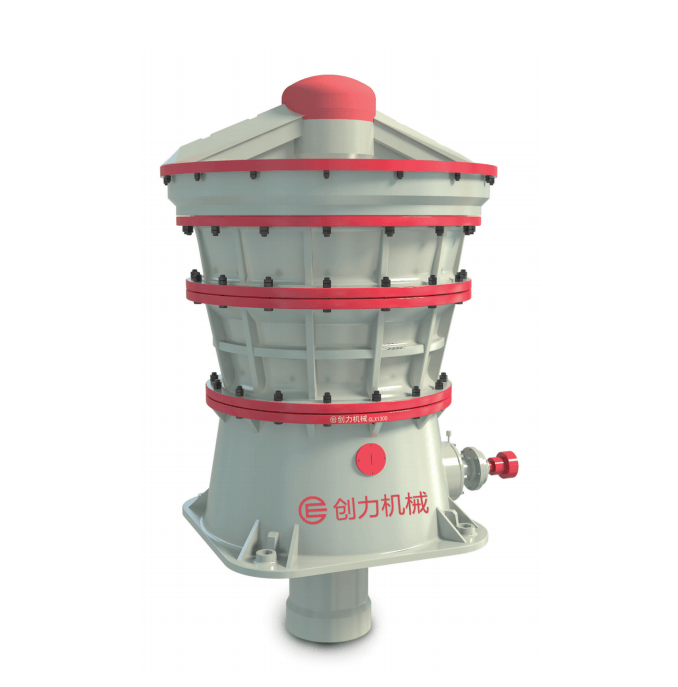
CLX Series Intelligent Hydraulic Gyratory Crusher
Guangdong CHUANGLI intelligent machinery Equipment Co., LTD