en.Wedoany.com Reported - Portuguese architect José Manuel Carvalho Araújo and his Atelier Carvalho Araújo have released the Masterplan Valença 2030, which proposes an urban development strategy centered on heritage conservation, traffic reorganization, and public space renewal. The core guiding principle of the plan is that "identity is not constructed, but restored."
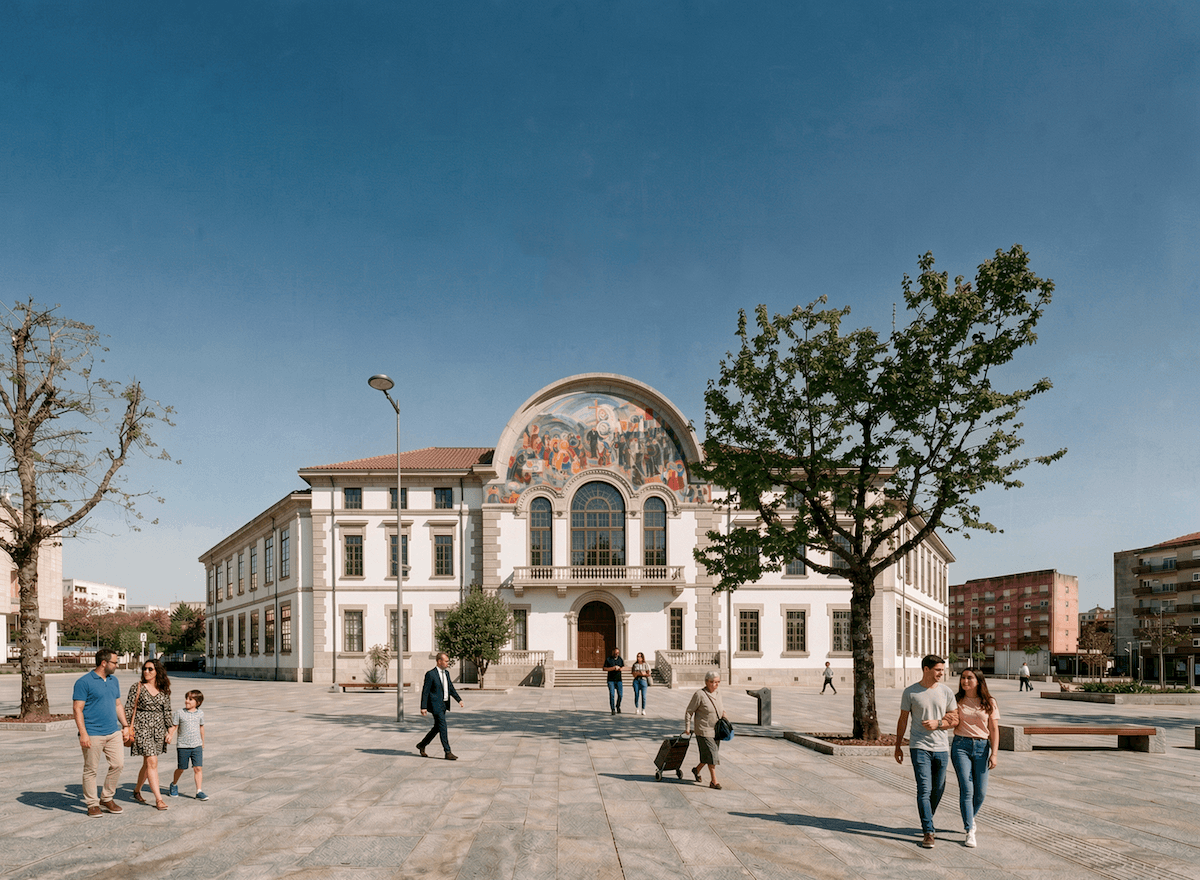
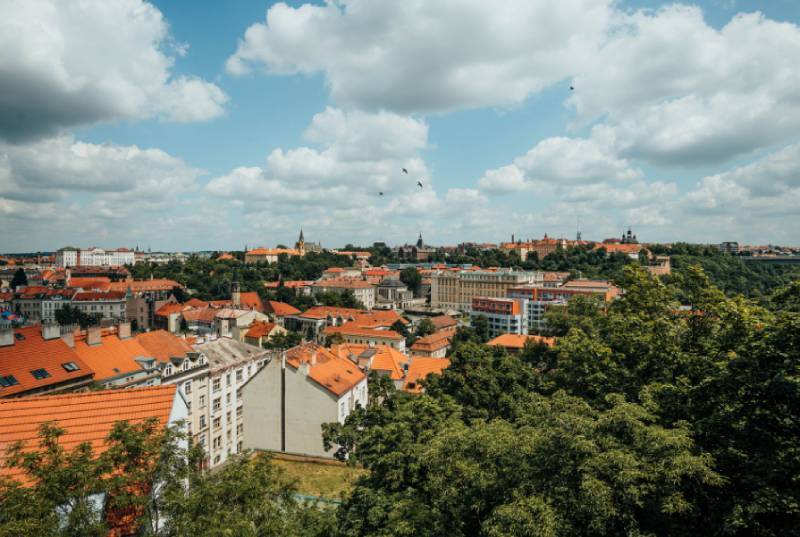
Valença is a historic city in the Alto Minho region of northern Portugal, marked by the Fortaleza Vauban, a World Heritage site. The city faces common challenges of medium-sized urban centers: population loss in the historic core, tourism pressure lacking integrated management, infrastructure inadequate for 21st-century needs, and the absence of a unified territorial development strategy.
The plan is structured around three fundamental dimensions: Living (VIVER), which requires ensuring high-quality housing, humanized public spaces, and community-oriented public services to support resilient communities in the historic center and expansion areas; Working (TRABALHAR), which requires creating conditions for the establishment of local economic activities (including street commerce and creative industries), endowing the city with the necessary infrastructure and connectivity to attract and retain talent; and Visiting (VISITAR), which requires sustainably enhancing cultural and heritage tourism, valuing the fortress, the Rio Minho, and the border's uniqueness, without compromising residents' quality of life.
According to the plan, each intervention must demonstrate how it contributes to at least one of these dimensions. Key planned actions include: creating a new urban axis connecting the Fórum Intercultural de Valença, the Mercado Municipal, and the Campo da Feira; transforming the Mercado Municipal into a multifunctional auditorium; enhancing the value of the Antiga Alfândega to house the future Alfândega Cultural; creating the Museu Ferroviário; redeveloping the waterfront and the Avenida dos Bombeiros Voluntários; and reorganizing the traffic system, prioritizing pedestrian routes and reducing the presence of cars near the fortress.
The plan aims to balance heritage and modernity, strengthen local distinctiveness, while addressing demographic needs and urban sustainability challenges. Carvalho Araújo stated that the masterplan is not a decree, but a long dialogue with the land, with the people who live there, and with future generations who will reside there, with the goal of making Valença a city that cares for its residents, leaving space for the elderly, the young, those who work, and those who visit.