ABB Azipod China Factory Marks 15th Anniversary with Over 250 Propulsion Units Delivered
en.Wedoany.com Reported - ABB's Azipod® podded propulsion factory in Shanghai celebrated its 15th anniversary in 2026. Located in the Lingang Special Area of the Shanghai Free Trade Zone, this facility is the only production base for Azipod® propulsion systems outside Europe. Over the past 15 years, the factory has delivered more than 250 compact Azipod® podded propulsion units to the Chinese and global markets, with a total output power exceeding 950 megawatts.
ABB's collaboration with China's shipbuilding industry began in 2003 with the establishment of its Shanghai office, marking the official entry of its marine business into the Chinese market. Three years later, the Yantai-Dalian railway ferry "China Railway Bohai No. 1," equipped with ABB's electric propulsion system and Azipod® podded propulsors, entered service on Asia's longest railway ferry route. ABB's team has grown from fewer than 10 initial members to hundreds of professionals serving customers in China's shipbuilding industry. As of June 2026, ABB has provided integrated solutions for 951 different types of ships, reflecting over two decades of market cultivation alongside the 35-year global development history of Azipod® technology.
Since its first application in 1991 on the Finnish icebreaking vessel "Seili," the Azipod® propulsion system has accumulated over 24 million operating hours, with an overall availability rate of 99.8%. This data comes from real-world operating environments involving wind, waves, ice, and salt spray, rather than ideal laboratory conditions.
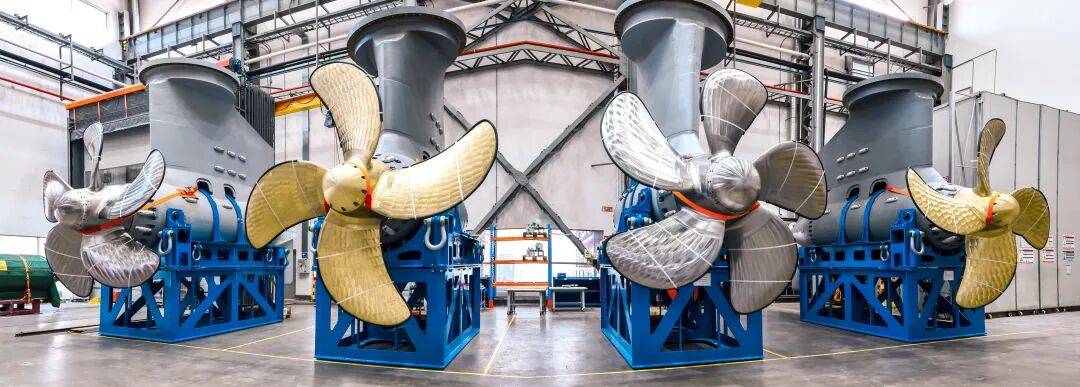
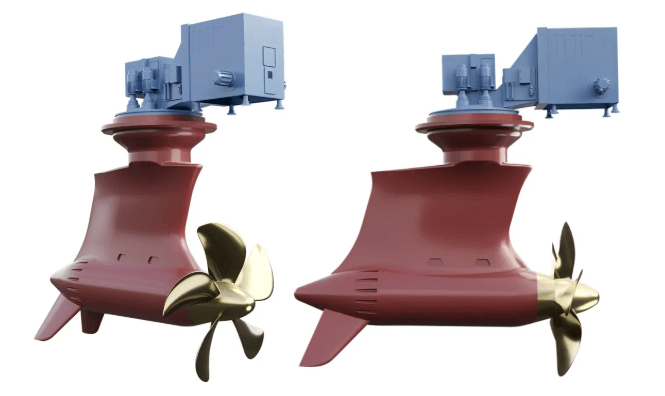
Less is more—ABB's engineering philosophy. In the shipbuilding industry, the measure of a technology's quality is not its novelty but its ability to operate reliably over decades. The design of Azipod® embodies an engineering principle: fewer moving parts mean fewer failure points and higher reliability. Compared to traditional diesel shaft-driven propulsion systems, Azipod® mounts the electric motor and fixed-pitch propeller directly in an underwater pod outside the hull, with the motor shaft driving the propeller directly. This eliminates gears, intermediate shafts, bearings, and other components, reducing potential failure points and enhancing operational safety and reliability.
This design offers advantages in extreme conditions. In polar environments with temperatures tens of degrees below zero, the reliability gap is significant between a structurally simple, nearly maintenance-free electric propulsion system and mechanical systems requiring frequent lubricating oil changes and complex gearbox maintenance. Currently, over 150 icebreaking and ice-going vessels worldwide are equipped with ABB electric propulsion systems, with more than 90 featuring Azipod® icebreaking propulsion systems, including China's first domestically built polar scientific research icebreaker, "Xuelong 2." Over nearly six years of operation, "Xuelong 2" has completed multiple voyages to the Arctic and Antarctic for scheduled scientific missions, with ABB's electric propulsion system playing a key role.
Beyond enhancing icebreaker performance, podded electric propulsion systems are also applied in other vessel types due to their advantages in improving hydrodynamic efficiency and maneuverability. After the Carnival "Dream" class cruise ship "Jubilee" first used Azipod® podded propulsion, the technology gradually became a standard feature for new cruise ships.
On November 4, 2023, China's first domestically built large cruise ship, "Adora Magic City," was officially named and delivered at Shanghai Waigaoqiao Shipbuilding Co., Ltd. The cruise ship uses a full electric and propulsion system supplied by ABB, including Azipod® podded propulsors. Recently, China's second domestically built large cruise ship, "Adora Flora City," equipped with ABB Azipod® podded propulsors, completed sea trials, with ABB's service team preparing for delivery at the shipyard. From the first large transport vessel "China Railway Bohai" delivered in 2006 with Azipod® electric propulsion, to the upcoming delivery of "Adora Flora City" in 2026, nearly two decades of operation have validated this technological path.
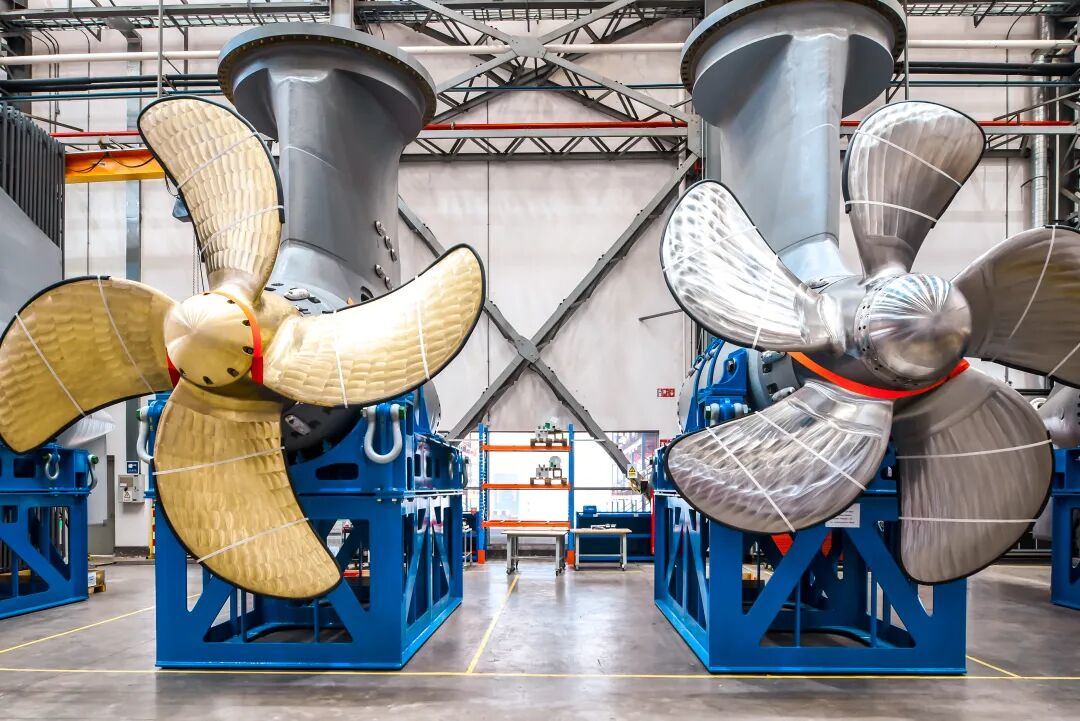
Steady and far-reaching—ABB's long-termism. The application in the semi-submersible vessel sector represents a proactive shift by mainstream ship types from traditional mechanical propulsion to electric propulsion. Semi-submersible vessels transport offshore engineering platforms, offshore wind power equipment, and large modules, imposing stringent requirements on propulsion system maneuverability, redundancy, and space utilization. Xin Qun Group, an international professional investment company headquartered in Hong Kong, China, has become a participant in the semi-submersible vessel niche market over the past decade. In June 2022, the company's 50,000-ton electric propulsion semi-submersible vessel was named at Qingdao Beihai Shipbuilding Co., Ltd. The vessel has an overall length of 218 meters, a beam of 43 meters, a submersible draft of 26.35 meters, a design speed of over 14 knots, and DP 2 dynamic positioning capability. Its main propulsion system uses two ABB Azipod® DO1400A electric pods, each with a propulsion power of 5,000 kilowatts.
The vessel was originally designed with traditional mechanical propulsion. In 2018, due to changes in the shipping market, Xin Qun Group's subsidiary, Xin Qun Offshore Engineering Company, decided to modify the design and switch to ABB's electric propulsion technology. Xia Lei, General Manager of Xin Qun Offshore Engineering Company, explained that this decision was based on multiple considerations. Compared to conventional mechanical propulsion systems, electric pods offer clear advantages for semi-submersible vessels: with an open deck layout, the electric pods are installed directly at the stern, eliminating bulky steering gear and increasing deck space; the electric propulsion system provides higher propulsion efficiency while enhancing dynamic positioning capability. Considering the vessel's full lifecycle, the investment in an electric propulsion system is more reasonable, saving future energy costs and maintenance expenses. For example, podded propulsors are easy to operate, reducing the need for crew to be stationed at the stern long-term, optimizing crew management. Xia Lei noted that in recent years, the offshore wind power market has entered a peak period, and electric propulsion semi-submersible vessels can be easily modified for various offshore wind installation operations. Additionally, due to the use of Azipod® electric pods, the vessel will have positive effects in terms of resale, chartering, and lease financing in the market, helping to enhance the vessel's asset value.
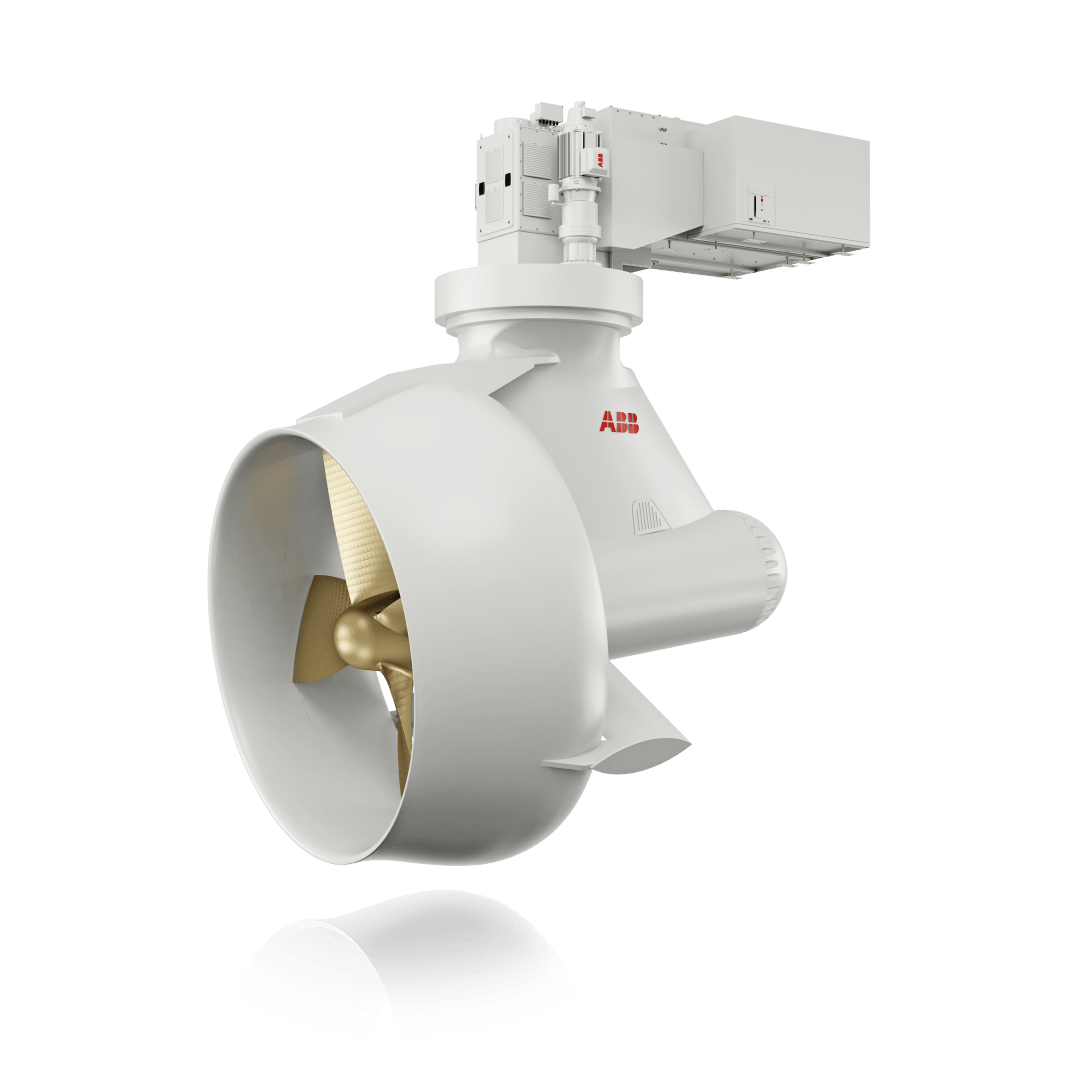
In 2026, the Shanghai Azipod® factory marks its 15th anniversary. Looking back at the system first deployed on the Finnish vessel "Seili" 35 years ago, it has evolved into a product family covering a power range from 1 MW to 22 MW, suitable for over 35 vessel types. In China, from the first fully electric integrated railway ferry route to the world's advanced polar scientific research icebreaker, and from the 50,000-ton semi-submersible vessel to the series of domestically built large cruise ships, the 15-year operational data of ABB's Azipod® podded propulsion factory in Shanghai—5 million megawatts and a 99.8% availability rate—reflects technological reliability.
Related Products

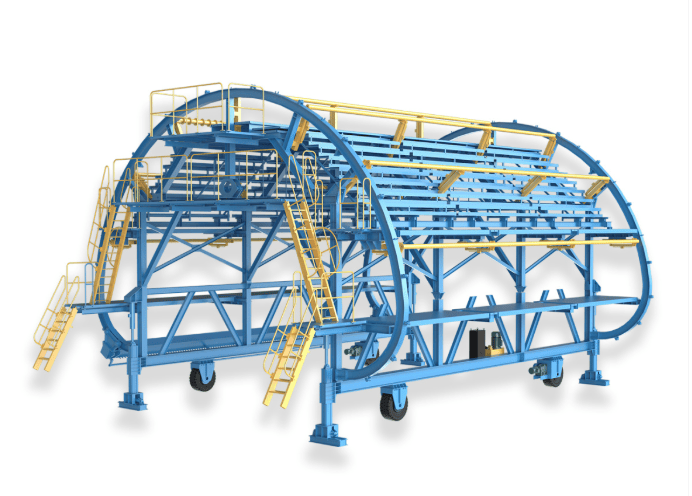
QLZNGJ Intelligent Steel Reinforcement Trolley
Luoyang China Railway Qiangli Machinery Co., Ltd.
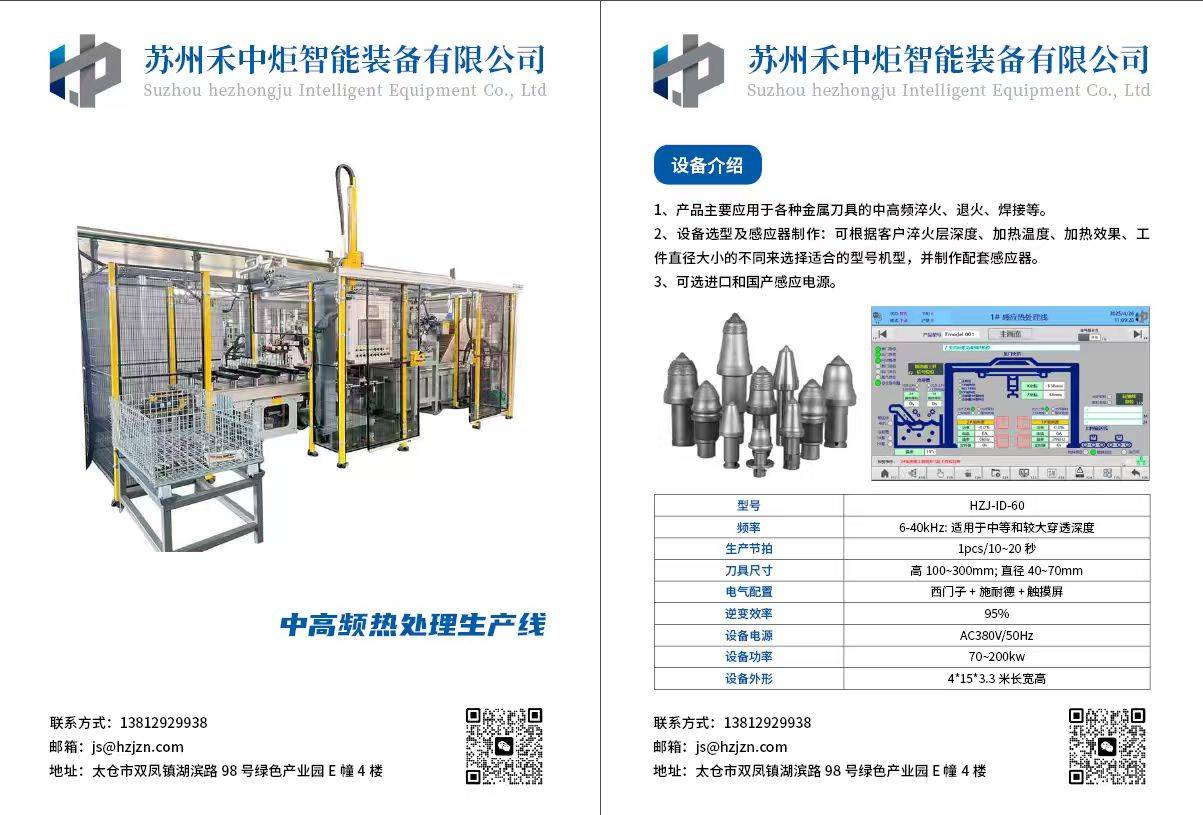
Excavator Bucket Teeth Heat Treatment Production Line
Suzhou Hezhongju Intelligent Equipment Co., Ltd.
CAP1400 main feedwater flow nozzle flowmeter.
Jiangsu Hongda Instrument Technology Co., LTD.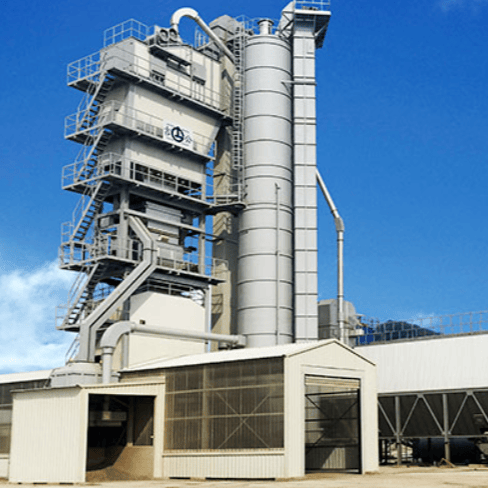
LBH4000 Batch Environmental Protection Asphalt Mixing Plant | Asphalt Batching Plant | Asphalt Mixing Plant
Jilin Province Road Construction Machinery Co., Ltd.

Industrial and Commercial Point-Type Gas Detector
Jinan Benan Technology Development Co., Ltd.
High-Speed Flexible Fully Automatic Stamping Production Line
JIER Machine-Tool Group Co., Ltd.