en.Wedoany.com Reported - Vodafone is testing an artificial intelligence (AI)-powered mobile base station that can autonomously adjust its antennas to optimize 4G and 5G coverage based on network demand, weather conditions, and user behavior, marking an early step toward fully autonomous radio access networks (RAN).
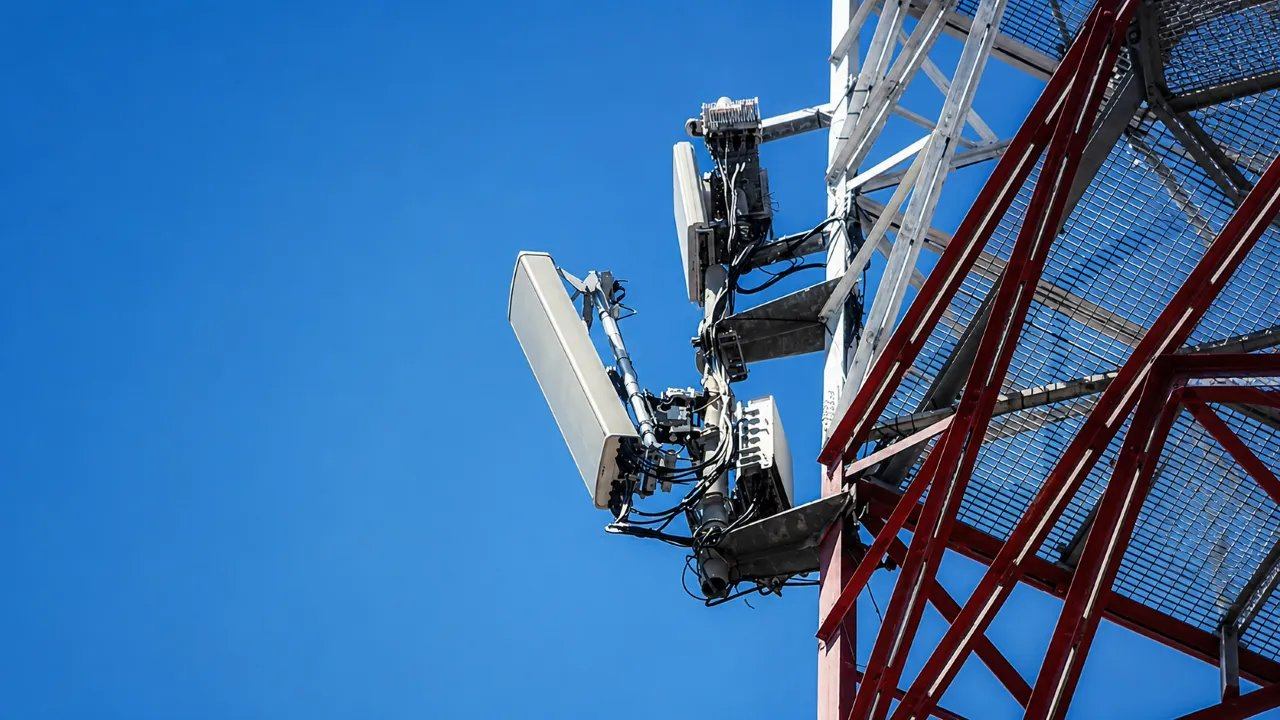
The technology combines AI algorithms developed by Vodafone engineers with a robotic arm manufactured by South Korea's HUMAX Networks. The system analyzes local conditions, determines where network capacity is most needed, and physically rotates or tilts the antenna without human intervention. The AI system continuously learns from changing network conditions and can make optimization decisions almost instantly. For example, on sunny days, it can direct a stronger signal toward outdoor users, while during rainfall, it prioritizes enhanced indoor deep coverage to maintain service quality.
Vodafone is currently testing the technology at a mobile site in Tirana, Albania, overlooking a busy shopping center. During the day, the antenna automatically prioritizes coverage for shoppers, while at night, it shifts toward nearby residential areas to meet peak home internet usage. The antenna repositioning process takes approximately 20 to 30 minutes. Although technically capable of faster movements, Vodafone states that the current speed is designed to minimize energy consumption while still being significantly faster than manual adjustments. Traditional antenna adjustments typically require engineers to climb the mast, and the process can take weeks or even months due to factors such as planning approvals, site access agreements, road closures, heavy lifting equipment, and weather conditions.
Francisco "Paco" Martin Pignatelli, Vodafone's Director of Mobile Access Engineering, described the project as an early demonstration of physical AI in the telecommunications sector. He stated that by analyzing network demand and making autonomous decisions, the AI algorithm can adjust antennas to optimize coverage and capacity without human intervention, "enabling us to deliver superior connectivity to our customers."
The project is part of Vodafone's strategy to integrate autonomous antenna control into an open standards-based automated RAN component platform. This platform allows Vodafone's engineering teams and third-party developers to build intelligent optimization applications, making antennas dynamic elements of an adaptive radio network. Vodafone says the system can also incorporate local conditions such as weather forecasts into self-organizing network algorithms. Events like heavy rain or traffic congestion can quickly change where mobile users gather, allowing multiple antenna sites to proactively reposition before network congestion occurs. The operator expects similar autonomous antenna technology to become commercially available in the coming months. Future designs will adjust smaller internal antenna components rather than moving the entire antenna assembly, reducing energy consumption while maintaining optimization capabilities. The initiative builds on Vodafone's deployment of GPS sensors in mobile base station antennas last year for remote verification of antenna alignment. By combining antenna digitization with AI-driven RAN automation, Vodafone aims to accelerate the development of adaptive mobile networks that can optimize coverage and capacity with minimal human intervention.