China's Xinjiang Tiankelong Chemical 6.168 Billion Yuan Green Hydrogen Coupled Coal Chemical Project Approved
en.Wedoany.com Reported - Xinjiang Tiankelong Chemical Co., Ltd. plans to invest 6,167,818,800 yuan in the Southern Circular Economy Industrial Park of Hami Industrial Park to build a new water electrolysis hydrogen production and green oxamide and organic slow-release fertilizer project. The project covers an area of 51.024 hectares, with an environmental protection investment of 359.18 million yuan, accounting for 5.82% of the total investment.
Recently, the Department of Ecology and Environment of Xinjiang Uygur Autonomous Region publicly disclosed the proposed approved environmental impact assessment project. The project plans an annual production capacity of 62,000 tons of hydrogen via water electrolysis, 500,000 tons of green oxamide, and 800,000 tons of organic high-efficiency slow-release fertilizer.
The core technical route of the project is the deep coupling of coal chemical industry and green hydrogen. Compared with traditional coal chemical processes, this project uses dry coal powder gasification technology to convert coal into syngas, which is then purified for cryogenic separation of carbon monoxide. The separated carbon monoxide is used to produce dimethyl oxalate (DMO), a key intermediate for subsequent oxamide production.
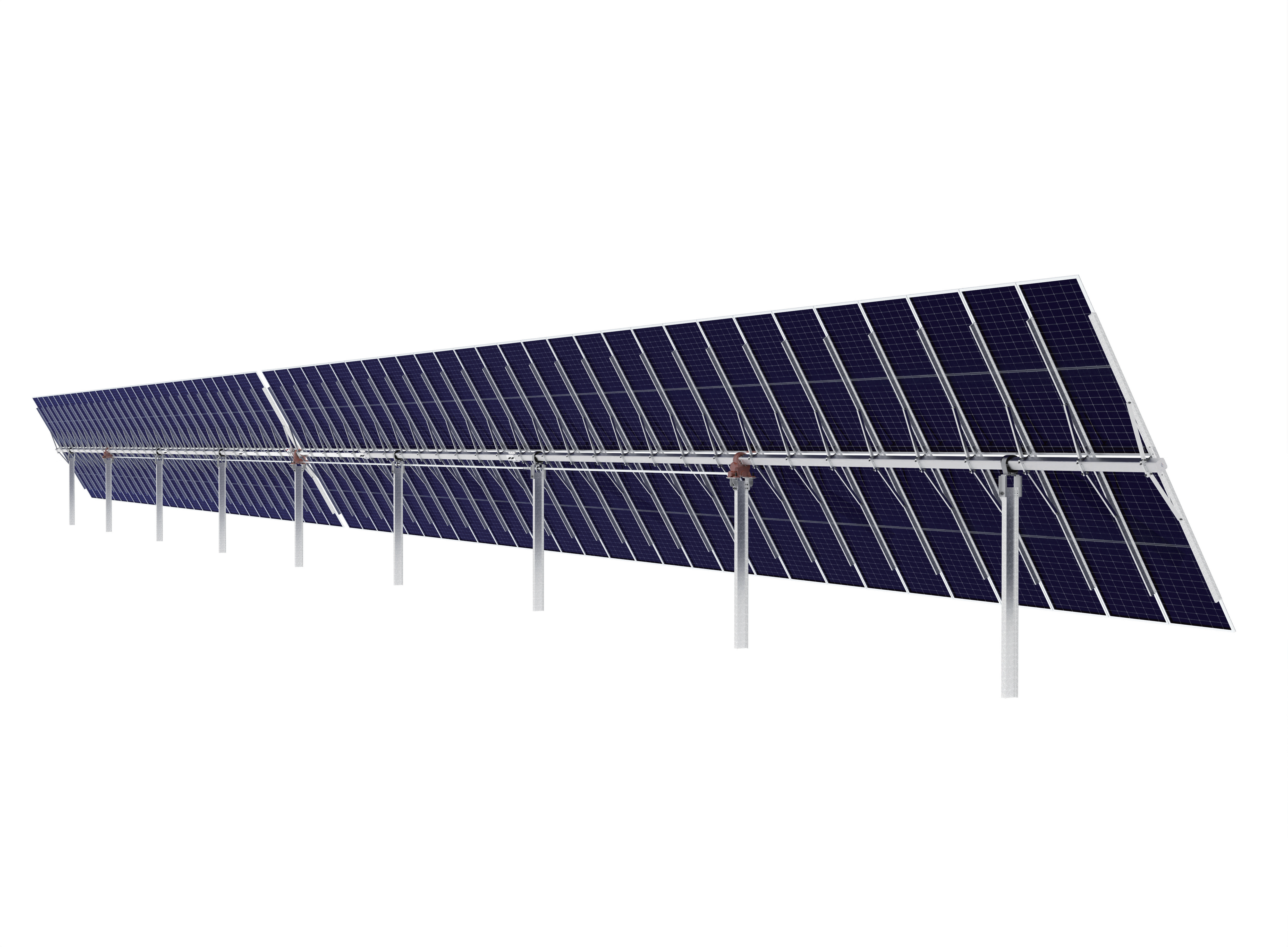
The project includes a supporting water electrolysis hydrogen production unit with an annual output of 62,000 tons of green hydrogen. This unit utilizes local wind and solar power resources in Hami to electrolyze water into hydrogen and oxygen.
Hydrogen is mixed with nitrogen provided by the air separation unit to synthesize clean ammonia products. Synthetic ammonia and DMO serve as the core raw materials for producing green oxamide. Oxamide production adopts DMO ammonolysis technology, which features mild reaction conditions and fewer by-products.
Most of the oxamide produced by the project is directly sold as a final product, while the remainder is scientifically compounded with externally purchased nitrogen, phosphorus, and potassium fertilizers to produce 800,000 tons of organic high-efficiency slow-release fertilizer. Oxamide itself is a slow-release nitrogen fertilizer with a slow hydrolysis rate, significantly improving nitrogen utilization efficiency compared to traditional urea, thereby helping to reduce environmental pollution caused by nitrogen loss.
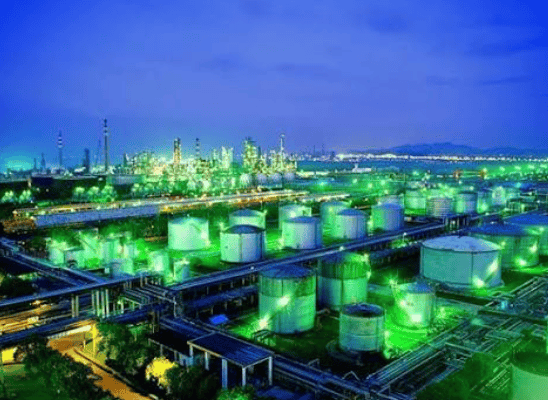
Major construction facilities include gasification units, purification and separation units, water electrolysis hydrogen production units, ammonia synthesis units, DMO units, oxamide units, and oxamide organic slow-release fertilizer units. Storage and transportation facilities include a raw coal shed, comprehensive tank farm, liquid ammonia tank farm, intermediate product tank farm, methyl nitrite tank farm, as well as a comprehensive warehouse, chemical warehouse, finished product warehouse, raw material warehouse, and urea warehouse. Auxiliary facilities cover an office and living building, central control room, central laboratory, along with supporting utility systems and environmental protection treatment facilities.
From a technical and economic perspective, the key point of the project lies in replacing gray hydrogen with green hydrogen. In traditional coal chemical ammonia synthesis, the hydrogen source mainly relies on syngas from coal gasification, which is gray hydrogen with high carbon emission intensity. By supplementing with green hydrogen from water electrolysis, the overall carbon emission intensity of the system can be reduced. Additionally, using oxamide as the final product fixes carbon in the fertilizer molecules, preventing some carbon from being released into the atmosphere as carbon dioxide.
The project is located in the Southern Circular Economy Industrial Park of Hami Industrial Park, facilitating the cascade utilization of energy, materials, and by-products within the park. According to the public notice, the project construction unit has committed to strictly implementing various pollution prevention, environmental risk prevention, and ecological protection measures in accordance with the requirements of the environmental impact assessment approval, ensuring that wastewater, exhaust gas, noise, and solid waste are discharged up to standards.
The project has been included in China's second national list of green and low-carbon technology demonstration projects. The environmental impact assessment is currently in the proposed approval stage, with civil construction expected to start in 2025 and joint commissioning trials by the end of 2026. Upon completion, the project will directly provide employment for 1,300 people and serve as a practical engineering case for exploring the coupled development of coal chemical industry and new energy in the western region.
Related Products
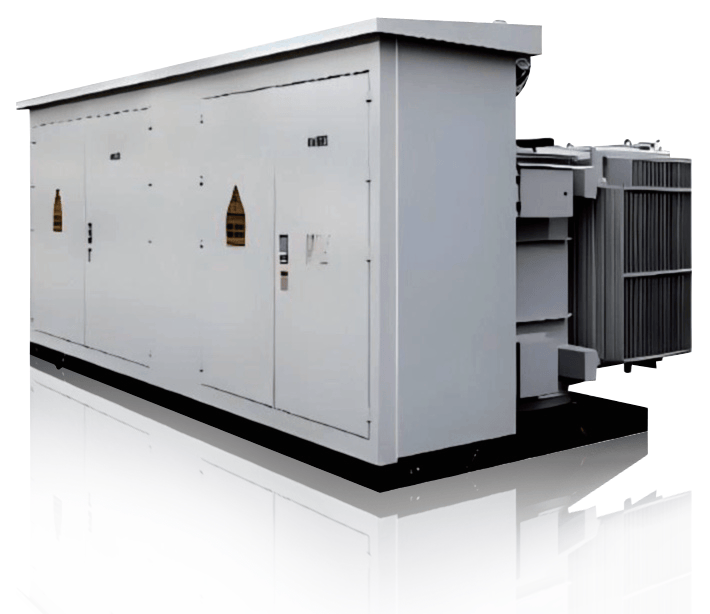

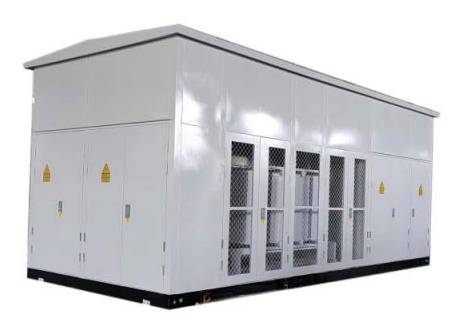
H-40.5/0.4~1.14kV New Energy Power Generation Dedicated High Voltage/Low Voltage Prefabricated Substation
XJ (Xiamen) Intelligent Power Equipment Co., Ltd.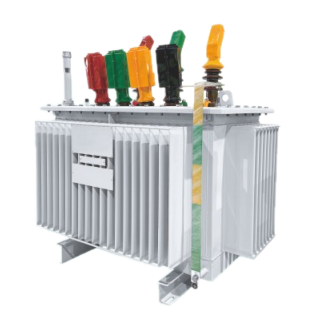
IS(B)□-M·RL Series Oil-immersed 3D Transformer (Planar / 3D Wound Core)
Guangdong Kehua Electric Power Technology Co., Ltd.