Qantas Returns Last Desert-Stored A380 to Service After 100,000 Hours and 12 Months
en.Wedoany.com Reported - Qantas has completed the reactivation of its Airbus A380 fleet, with the last superjumbo, VH-OQC, which was stored in the Victorville desert for nearly 2,000 days, returning to commercial service. The program is considered one of the largest maintenance projects in Qantas history, bringing the operational fleet back to 10 aircraft, while two others have been retired and dismantled for spare parts.
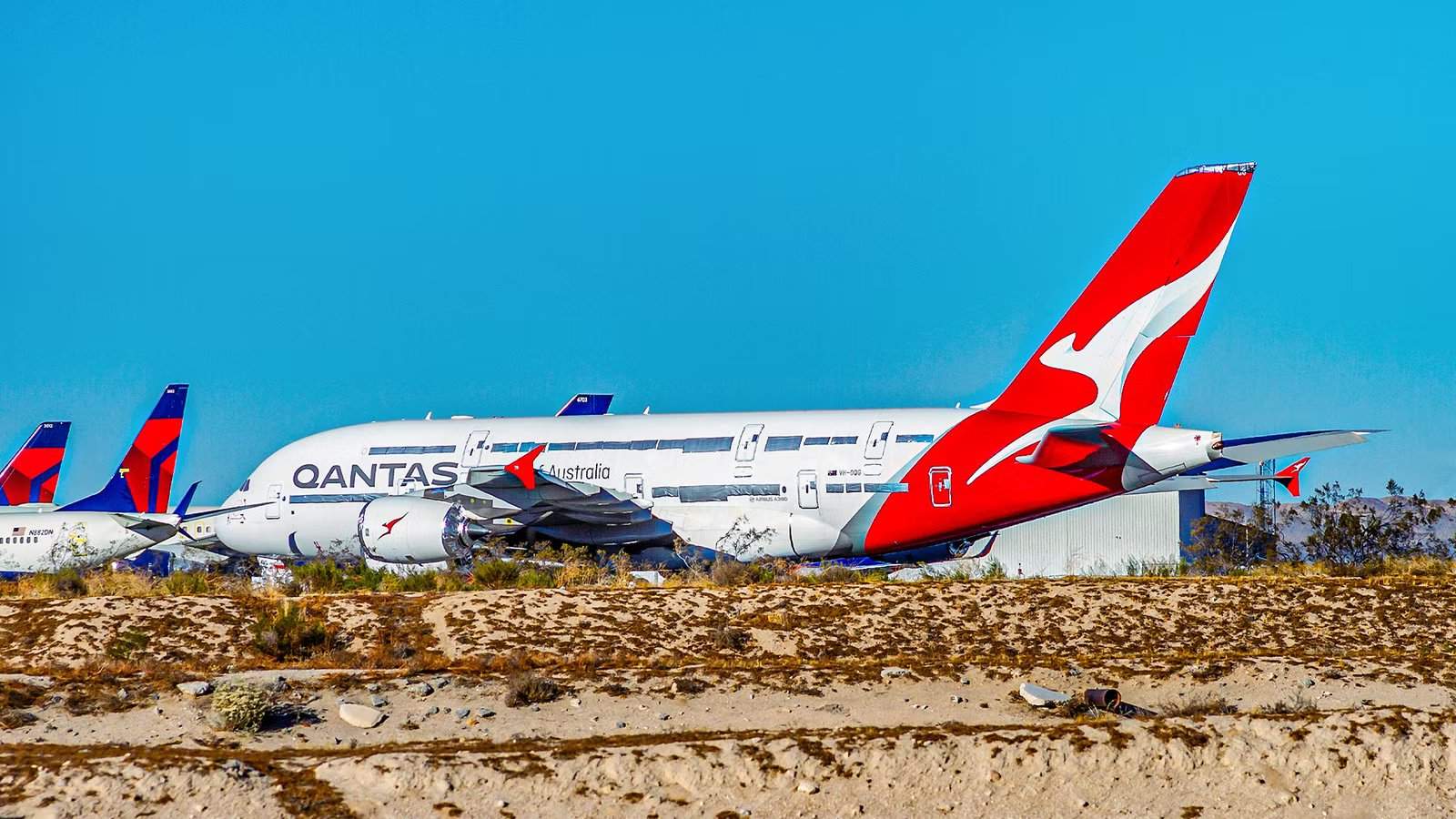
VH-OQC was initially designated as an operational spare for the holiday travel peak, before being assigned to daily flights between Sydney and Dallas/Fort Worth. The aircraft's return to commercial service faced early challenges, with its inaugural flight to Los Angeles briefly grounded due to damage to a leading edge slat on one wing. This return marks the conclusion of a six-year engineering program, involving over 100,000 work hours, encompassing engine preservation and reactivation, hydraulic and fuel system flushing, avionics verification, landing gear overhaul, and various tests and recertifications.
Qantas placed all 12 of its Airbus A380s into long-term storage during the COVID-19 pandemic. After its last commercial flight in 2020, VH-OQC was stored in the Victorville desert in California, before being transferred to Abu Dhabi for heavy maintenance and cabin refurbishment. Named after Paul McGinness, one of Qantas's founders, the aircraft had been out of passenger service for a total of 1,956 days. Qantas International CEO Cam Wallace stated that the fleet carried over one million passengers last year, and its return adds capacity on high-demand routes, including Dallas, Singapore, and Johannesburg.
The aircraft was delivered to Qantas in December 2008, initially operating long-haul international routes until it was grounded in early 2020 due to the pandemic. In June 2020, Qantas announced the grounding of approximately 100 aircraft, including nearly its entire international fleet. VH-OQC was sent to Victorville, and in June 2021, it was transferred to Zayed International Airport in Abu Dhabi, where Etihad Engineering prepared it for service. The aircraft returned to Sydney in December 2025 and operated its first commercial flight, QF11 from Sydney to Los Angeles, on December 7.
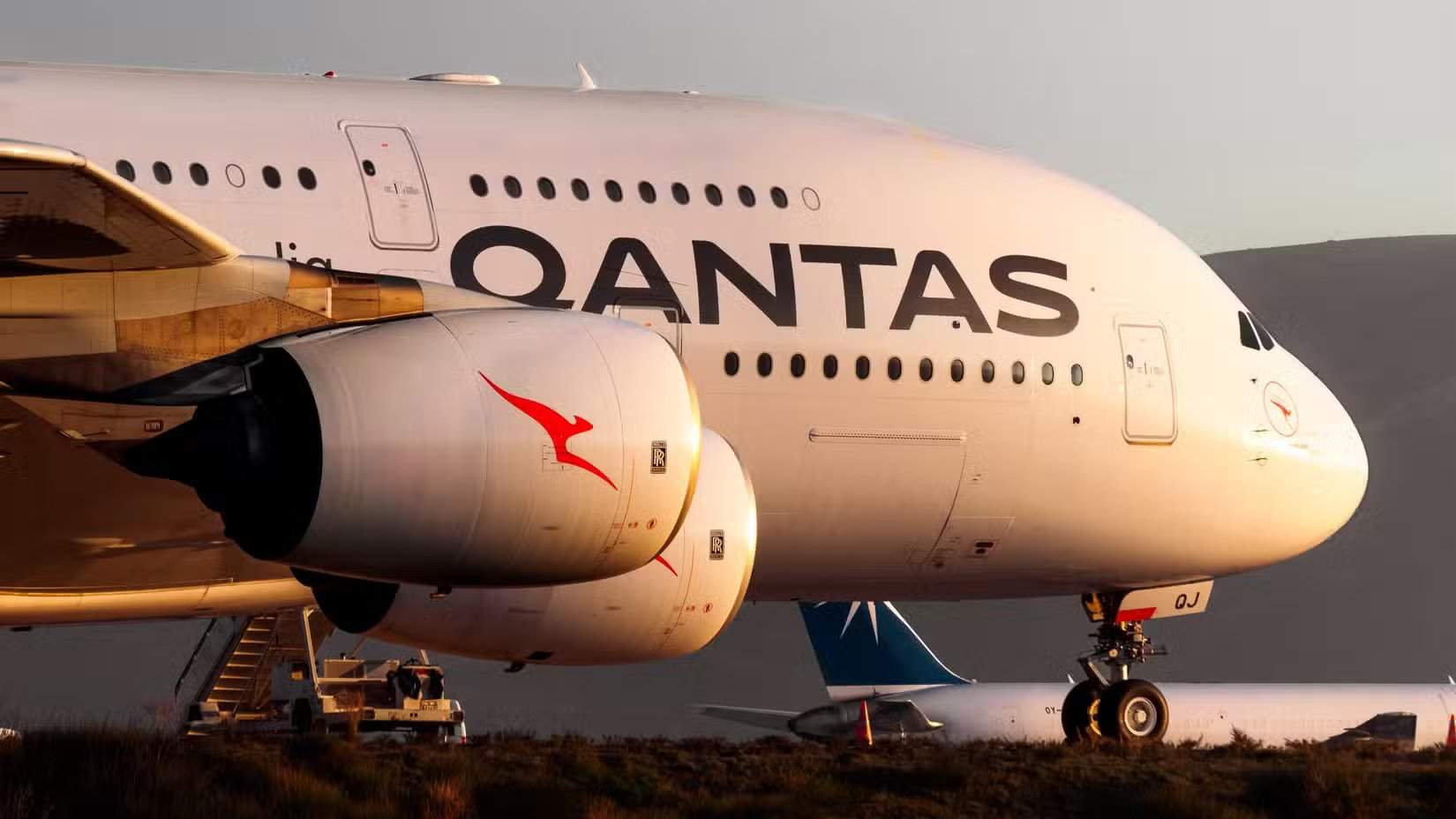
After nearly six years out of service, VH-OQC's first commercial flight, QF11, departed Sydney at 6:18 PM local time on December 7, arriving in Los Angeles seven minutes early. Passengers reported in-flight electrical issues, including problems with seatback entertainment systems and seat recline functions. After landing, engineers discovered damage to a section of the left wing's leading edge slat, leading to the cancellation of the return flight QF12 for repairs. The French Bureau d'Enquêtes et d'Analyses (BEA), while investigating a 2023 Emirates A380 incident, had previously found bonding defects in the composite materials of some A380 slats. There is currently no evidence linking the slat damage on VH-OQC to the same defect, and the exact cause remains under investigation.
VH-OQC now features a refurbished four-class configuration, including 14 first-class, 70 business-class, 60 premium economy, and 341 economy seats, with a total capacity of 485 passengers. The project also included landing gear overhauls, system restoration, cabin refurbishment, and upgraded dining services. Qantas expects the aircraft type to continue operating long-haul routes into the 2030s, with a planned gradual retirement starting from the 2032 financial year, to be replaced by the Airbus A350.
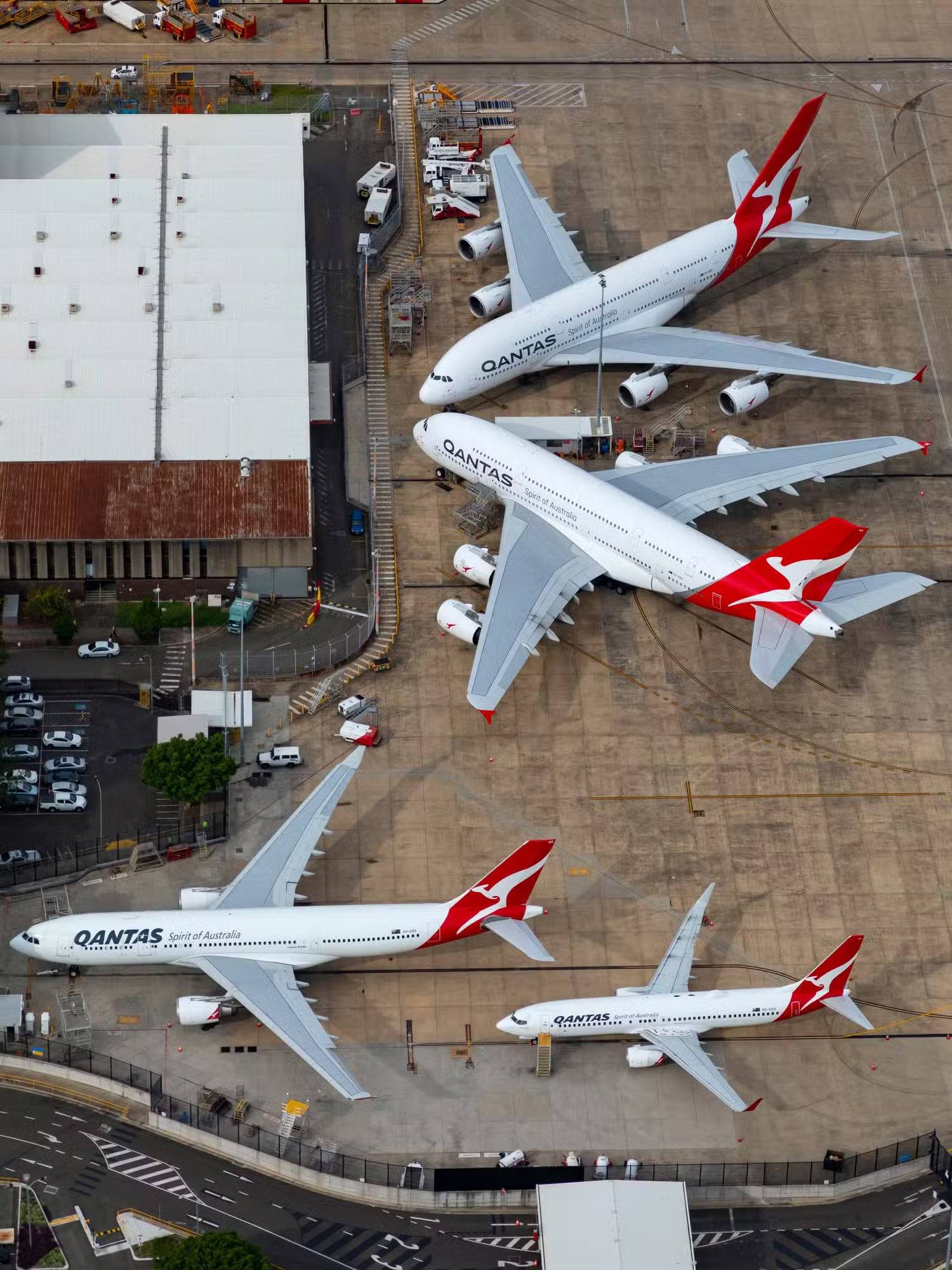
VH-OQC initially served as a spare aircraft during the 2025 Christmas holiday period, and from January 2026, it began operating daily flights from Sydney to Dallas/Fort Worth, while also covering routes to Los Angeles, London Heathrow, Singapore, and Johannesburg. The aircraft effectively increases capacity at slot-constrained airports like Heathrow and provides connections to multiple destinations in North America through its partnership with American Airlines. The average age of the Qantas A380 fleet has exceeded 16 years, but the aircraft type still plays a core role in the airline's international strategy until it is gradually replaced by new-generation widebody aircraft.
Related Products

ZY(J)7(M) Sealed Type Electro-Hydraulic Turnout Machine
TAIYUAN CR JINGFENG EQUIPMENT TECHNOLOGY CO., LTD.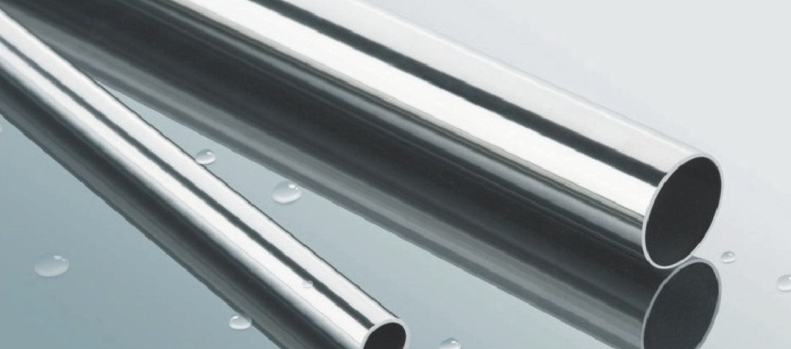
ERW Welded Pipe (Black Pipe and Hot-dip Galvanized Steel Pipe)
Handan Zhengda Steel Pipe Co., Ltd.
Wheel and Track Technology Business
Beijing Research & Design Institute of Rubber Industry Co., Ltd.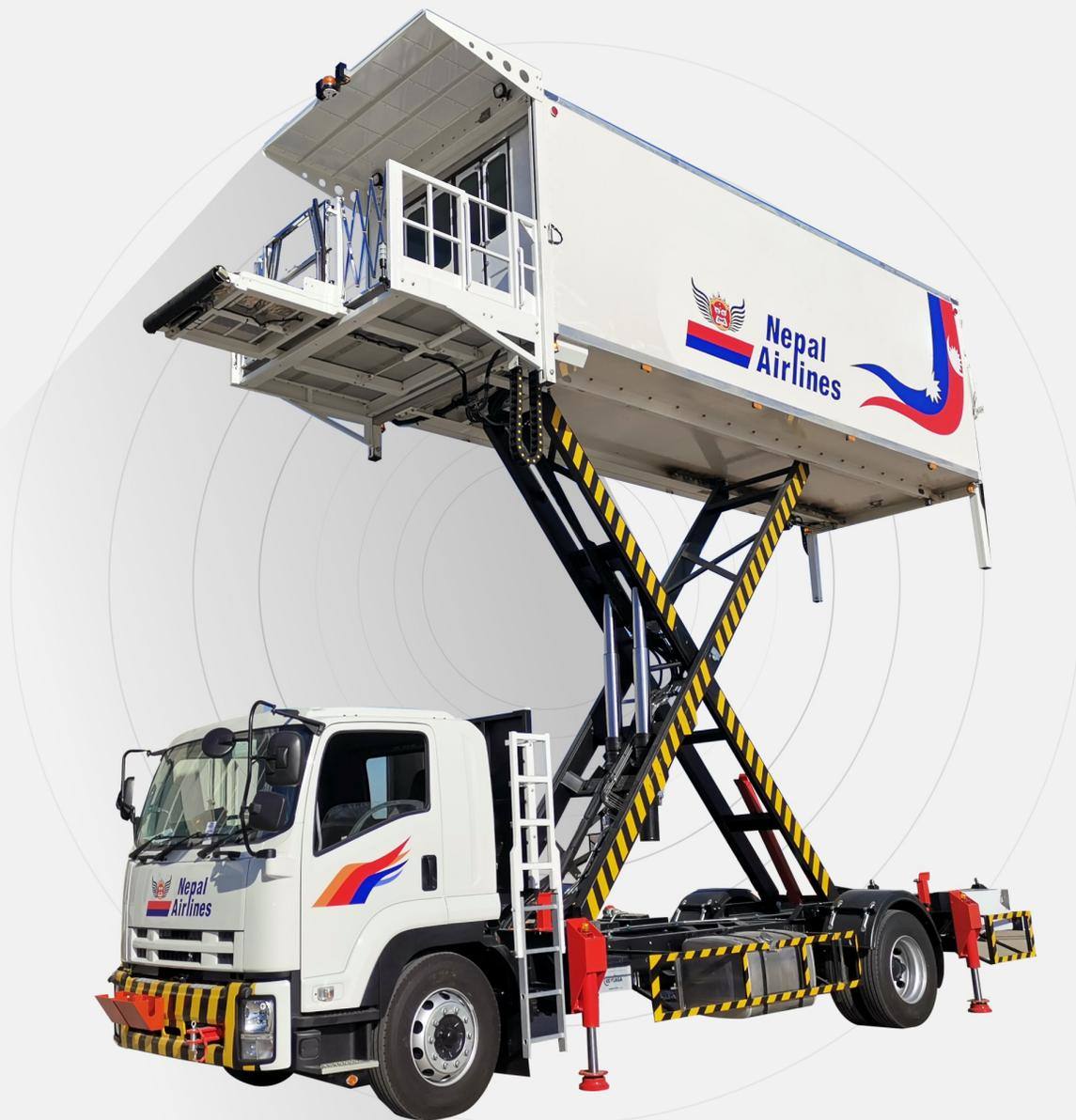
XC-6000e Type Aviation Catering Truck (Fuel Type)
Shenzhen CIMC-TianDa Airport Support Ltd.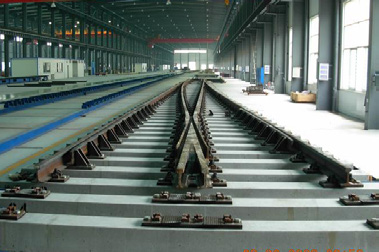
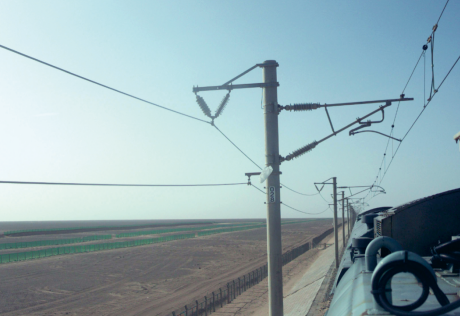
Pantograph-Catenary Comprehensive Detection Device (1C)
CHENGDU TANGYUAN ELECTRIC CO., LTD.
![IVECO Cash-in-Transit [DMT5048XYCL3-AM] - Chongqing Dima Industry Co., Ltd](https://img.wedoany.com/2026/0911/20260911030157582.png)