US SpaceX Plans to Build 13-Kilometer Natural Gas Pipeline to Solve Starship Fuel Bottleneck
en.Wedoany.com Reported - SpaceX CEO Elon Musk has unveiled a new energy infrastructure plan, which includes building a self-owned natural gas pipeline network "Starpipe" up to 13 kilometers long, as well as preliminary plans to drill self-owned natural gas wells, aiming to address the fuel supply bottleneck for large-scale Starship rocket launches. The pipeline is scheduled to be operational in early 2027.

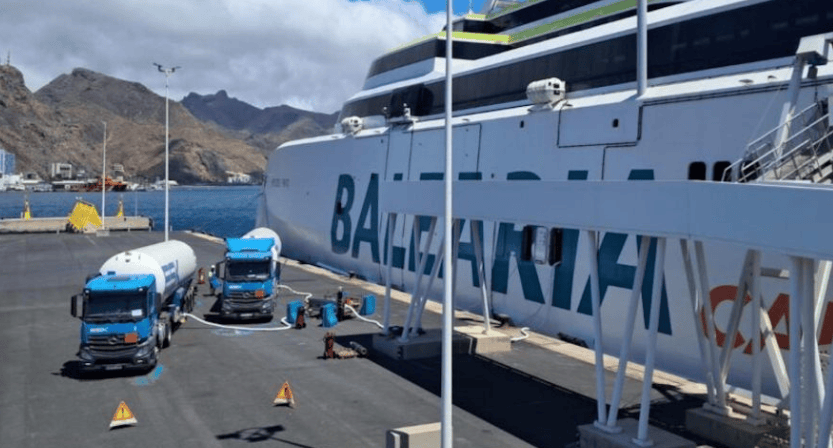
Currently, SpaceX's rocket launch fuel relies on truck fleets transported via coastal highways in southern Texas. As launch frequency grows from the current dozen test flights to hundreds or even thousands per year, this model is considered unsustainable. To avoid transportation congestion, the company has made a rare decision in the aerospace industry, viewing the self-construction of energy infrastructure as the foundation for its strategy to dominate interstellar exploration.
Data shows that each Starship rocket launch consumes approximately 630,000 gallons (about 2.4 million liters) of liquid methane. The Starpipe pipeline, planned with a 16-inch diameter, has a design capacity exceeding the fuel supply required for the 25 annual flights currently permitted by US aviation regulators. Additionally, SpaceX has signed over 100 land lease contracts in Texas to drill self-owned natural gas wells and will build a supporting liquefaction plant at its Starbase.
This vertical integration strategy has also raised questions from industry experts. Some argue that SpaceX lacks operational experience in the natural gas extraction field, while large-scale drilling and methane liquefaction operations face complex engineering and logistical challenges. Meanwhile, the project's location in Boca Chica, a fragile coastal habitat, raises concerns about wetland destruction and large-scale methane handling (whose greenhouse effect is about 28 times that of carbon dioxide), potentially impacting local ecology and communities.
SpaceX's move is seen as a signal to traditional energy companies and government regulators: commercial expansion driven by large tech companies will require enormous amounts of energy, and companies that simultaneously control energy supply networks may dominate the future industrial landscape. From controlling Starlink satellite orbits to planning future orbital data centers, SpaceX is extending its business scope from space launches to a full chain covering natural gas extraction, liquefaction, and infrastructure management.
Related Products




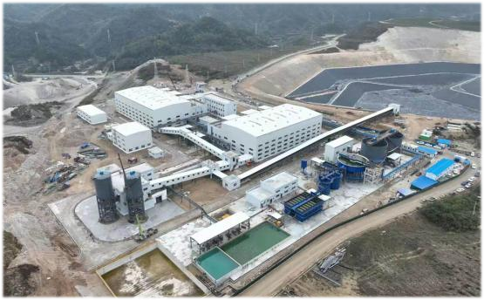
Yingping Mining Section Open-pit Tailings Backfill Treatment of Goaf Ecological Restoration EPC Project
China Bluestar Lehigh Engineering Corporation
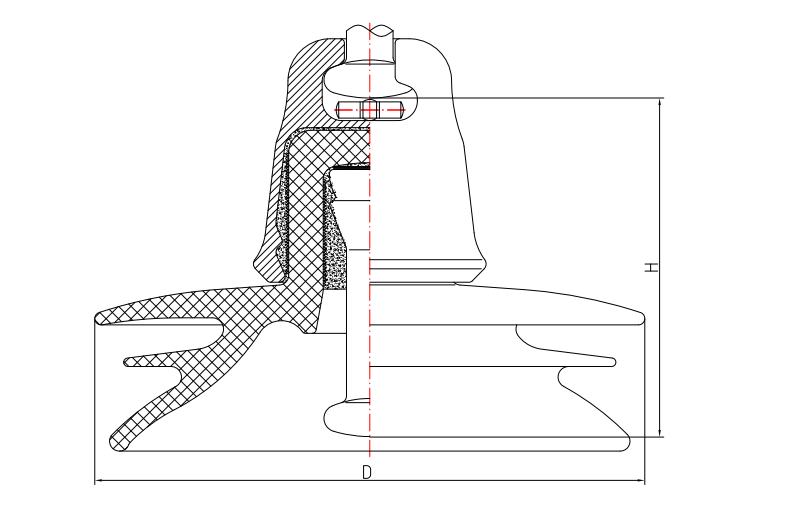
Post-type AC Pollution-resistant Disc Suspension Porcelain Insulator (Triple Umbrella Type)
Shandong High Voltage Insulator Co., Ltd.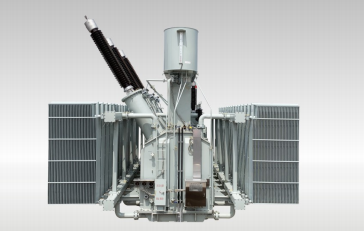
220kV and Below Voltage Level Energy-saving Oil-immersed Power Transformers
FuZhou TianYu Electric Co., Ltd.