China Mobile Hebei and ZTE Deploy 5G-A Three-Carrier Aggregation Private Network on Beijing-Qinhuangdao High-Speed Railway
en.Wedoany.com Reported - China Mobile Hebei and ZTE recently completed the large-scale deployment of a 5G-A network on the Langfang to Qinhuangdao section of the Beijing-Qinhuangdao High-Speed Railway, establishing a three-carrier aggregation (3CC CA) private network covering the entire line and achieving full deployment of intelligent computing board hardware across the route.
As a key railway artery connecting the Beijing-Tianjin-Hebei region, the Beijing-Qinhuangdao High-Speed Railway plays a critical role in regional personnel mobility and industrial coordination. To enhance mobile communication service quality along the railway and strengthen the digital infrastructure for the integrated development of the Beijing-Tianjin-Hebei region, China Mobile Hebei, in collaboration with ZTE, has coordinated the construction of communication infrastructure along this line, carrying out 5G-A technology innovation applications in high-speed mobility scenarios.
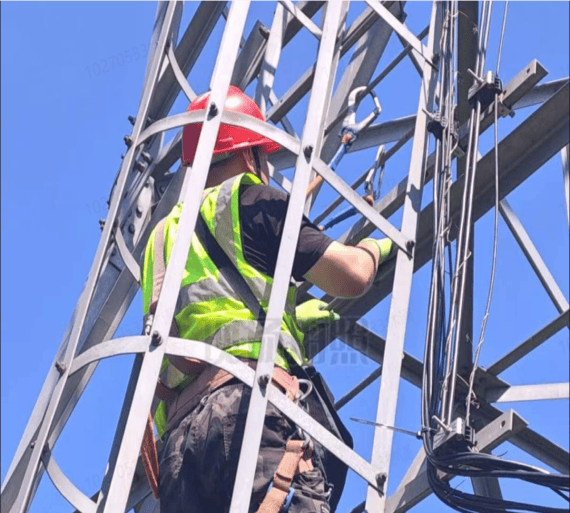
This 5G-A network adopts a three-band carrier aggregation scheme combining 2.6GHz+2.6GHz+700MHz, leveraging the complementary advantages of high-frequency bands for high data rates and low-frequency bands for wide coverage. Specifically, the two 2.6GHz bands provide high-speed capabilities, while the 700MHz band enhances coverage continuity in tunnels and remote areas, improving network stability and user experience in complex environments. The concurrently deployed intelligent computing board hardware features edge intelligent computing capabilities, supporting network intelligent optimization and service awareness enhancement, thereby improving overall network operational efficiency.
During project implementation, the team adhered to a "go-live upon deployment" single-site acceptance standard, conducting comprehensive site parameter checks and performance verification to ensure 100% of sites along the line passed single-site testing. Additionally, a dedicated 700MHz private network was established to further strengthen full coverage along the railway. To ensure construction quality and progress, the project team developed a refined coverage strategy by scientifically planning key parameters such as site layout, antenna height, azimuth, and downtilt angle; coordinated supporting infrastructure including optical cable routes, power supply systems, and pole resources; and organized multiple professional construction and optimization teams for cross-regional collaborative operations, achieving dual compliance in project progress and delivery quality.
To address issues such as weak tunnel signal coverage and interference from public networks along the Qinhuangdao section, the project team conducted multi-dimensional targeted efforts: including phased drive tests from the T0 stage to project delivery, with multiple rounds of full-line drive tests to identify and continuously optimize signal issues point by point; for tunnel coverage enhancement, signal quality in enclosed spaces was improved by adjusting antenna feeder layouts and optimizing transmission power; for backend strategy optimization, ten major optimization measures were implemented, including neighbor cell parameters, inter-network interoperation strategies, and high-speed railway-specific perception baselines.
After multiple rounds of fine-tuning, the 5G-A network along the entire Beijing-Qinhuangdao High-Speed Railway achieved a display rate of 98% and an excellent coverage rate of 99.12%. Test data show that the 5G downlink peak rate can reach 1.2Gbps, with a 5G voice call success rate of 100%, stably supporting high-bandwidth, low-latency services such as HD video, remote conferencing, and ViNR HD calls.
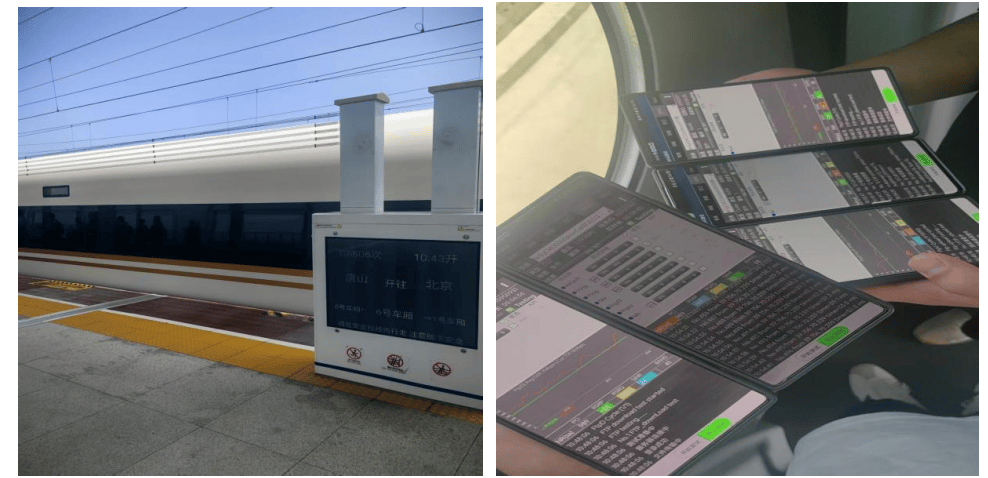
This large-scale deployment of the 5G-A private network has effectively improved network speed, coverage breadth, and connection stability in high-speed mobility scenarios, providing digital support for the construction of a modern comprehensive transportation system in the Beijing-Tianjin-Hebei region.
With the operation of the 5G-A three-carrier aggregation network on the Beijing-Qinhuangdao High-Speed Railway, the digital connectivity capabilities along the Beijing-Tianjin-Hebei high-speed railway corridor have been upgraded.
Related Products


CLW5180TXSD6 Dongfeng Tianjin Washing and Sweeping Truck
ChengLi Special Automobile Co., Ltd.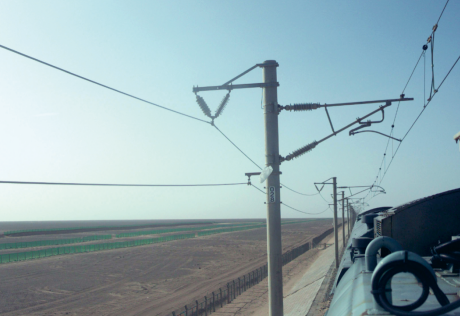
Pantograph-Catenary Comprehensive Detection Device (1C)
CHENGDU TANGYUAN ELECTRIC CO., LTD.
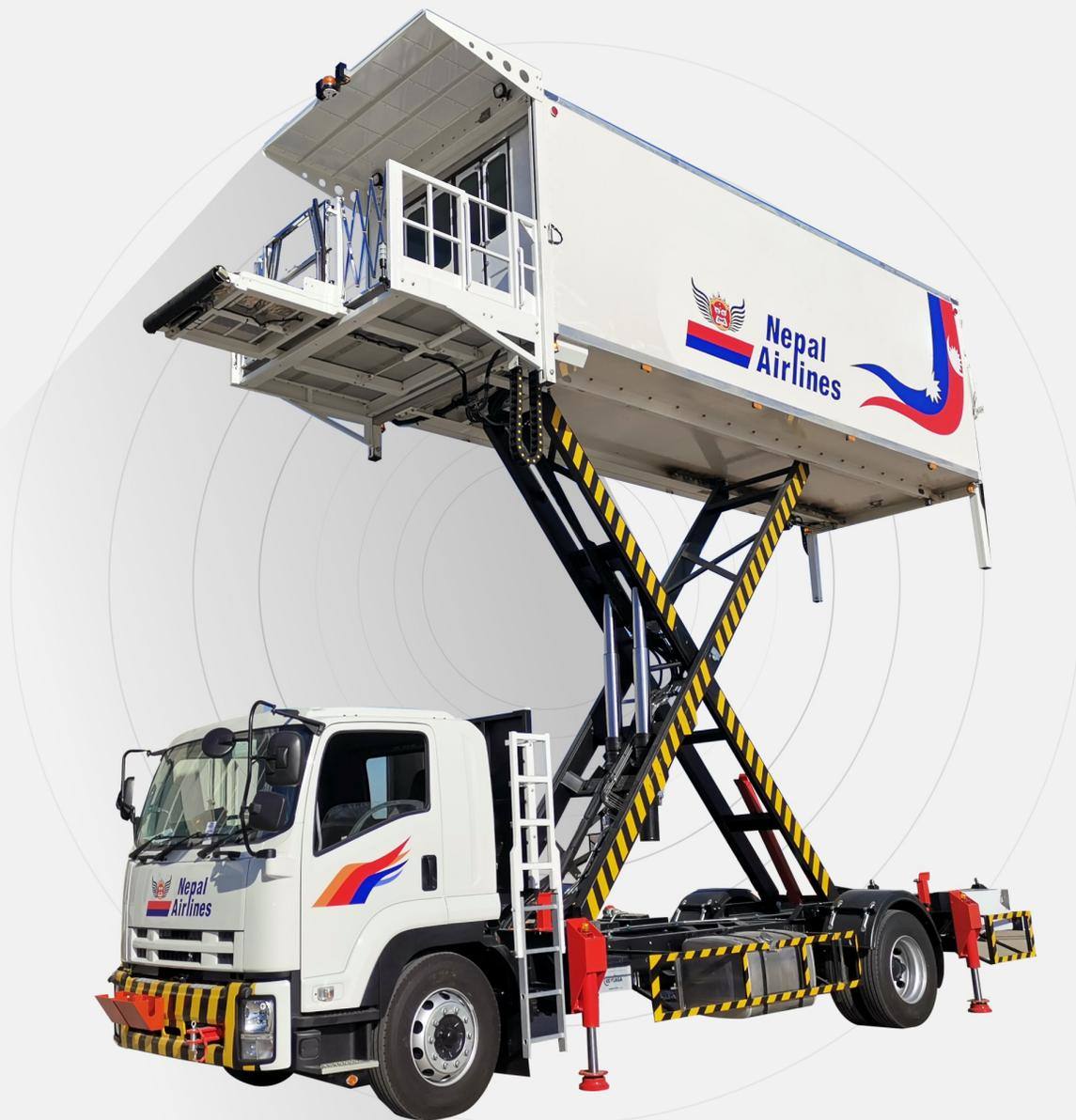
XC-6000e Type Aviation Catering Truck (Fuel Type)
Shenzhen CIMC-TianDa Airport Support Ltd.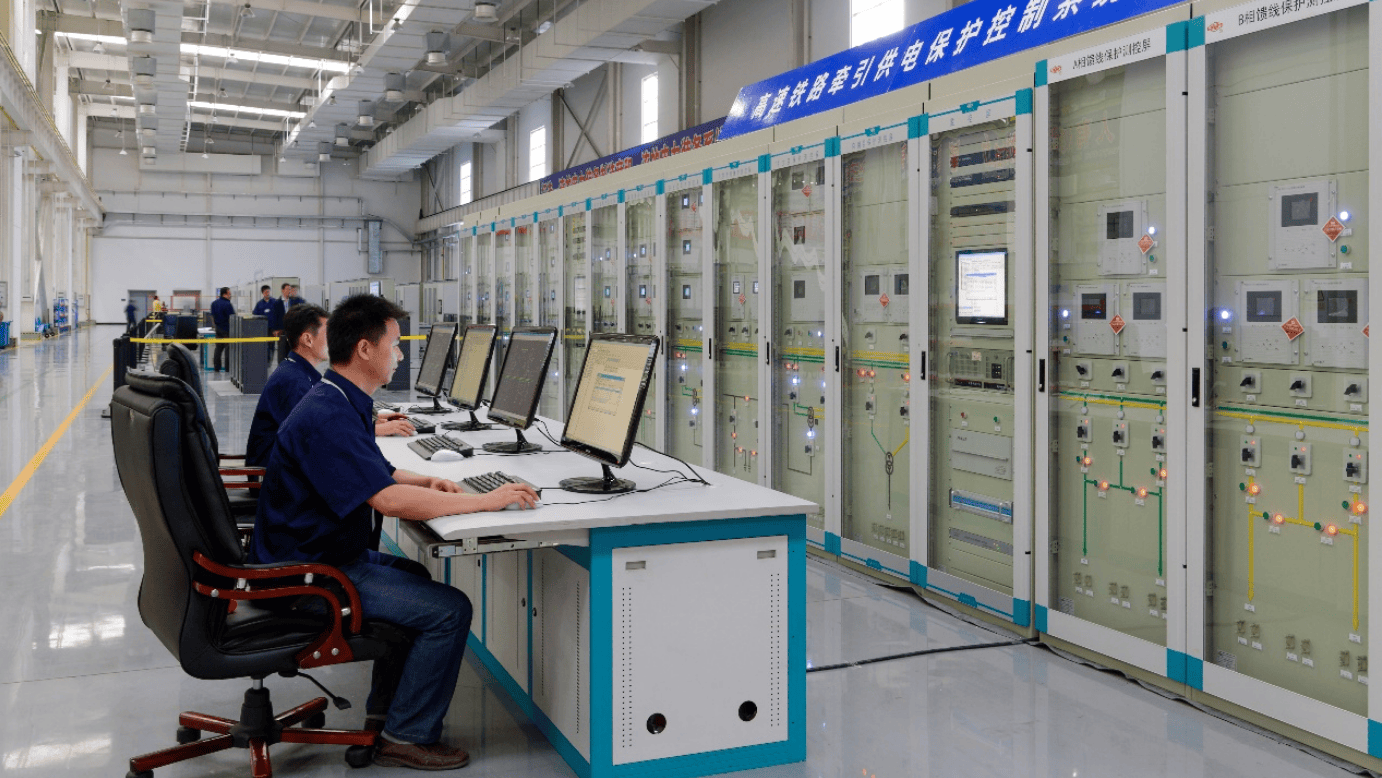
GSR6-27.5kV SF6 Free Gas-insulated Metal-enclosed Switchgear
Zhejiang Juhonkia Intelligent Electric Co., Ltd.
![IVECO Cash-in-Transit [DMT5048XYCL3-AM] - Chongqing Dima Industry Co., Ltd](https://img.wedoany.com/2026/0911/20260911030157582.png)