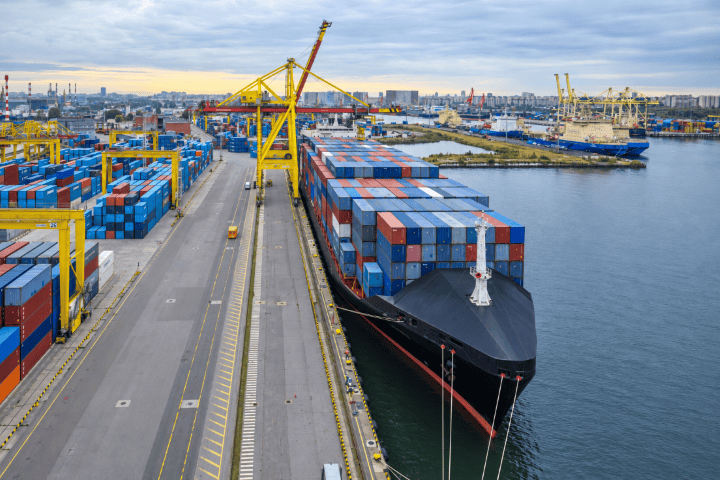
Uruguay's ANP Plans Over $220 Million Investment in Port Dredging and Infrastructure Upgrades
en.Wedoany.com Reported - The National Port Administration (ANP) of Uruguay is advancing a strategy aimed at strengthening technical capabilities, improving operational efficiency, and consolidating the country's position as a regional logistics hub. ANP President Pablo Genta outlined the main management guidelines and challenges for the coming years during a ceremony commemorating the Administration's 110th anniversary and Port Workers' Day. The event was attended by President of the Republic Yamandú Orsi, officials from the Ministry of Transport and Public Works (MTOP), the ANP Board of Directors, and representatives from the port industry.
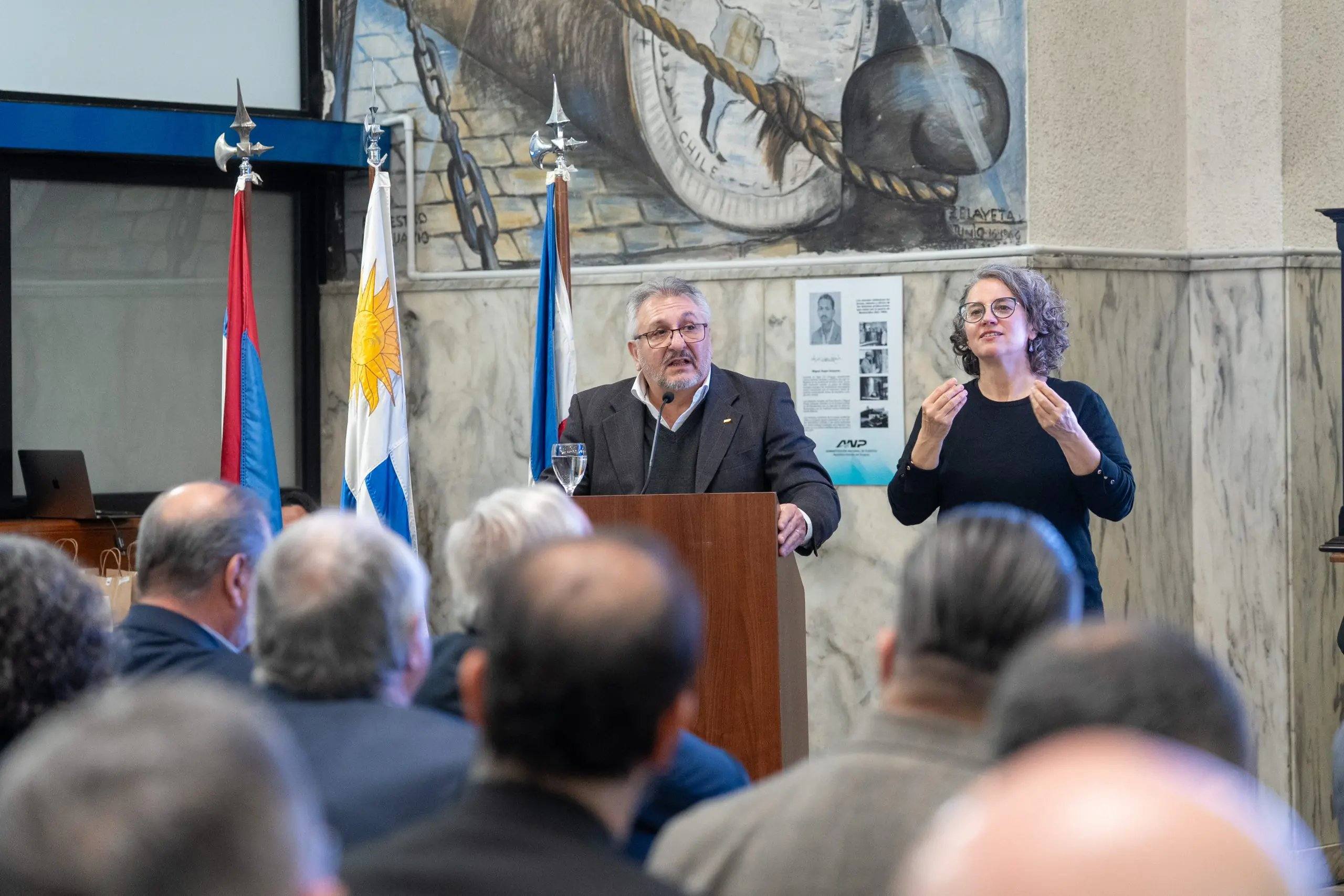
Genta noted that the Board's objective is to strengthen the institution through an organizational redesign process. This effort, supported by the National Civil Service Office (ONSC) and the Office of Planning and Budget (OPP), with participation from employees and unions, aims to adapt the institutional structure to current and future needs, introducing greater transparency, professionalism, and technical rigor in functional roles.
One of the key points of the speech was the restoration of in-house dredging capabilities. Maintaining public dredging capacity is strategically important for the country, as it ensures service continuity and provides a cost reference when negotiating with private contractors. The ANP is developing new protocols for onboard personnel, linking specific subsidies to the actual execution of dredging tasks.
The future growth of the port system depends on the country's ability to attract larger cargo volumes from southern Brazil, Argentina, Paraguay, and Bolivia. The Mercosur-European Union agreement opens up new trade opportunities, and the future Bi-Oceanic Corridor could expand Uruguay's logistics reach. Port competitiveness requires ensuring efficiency, predictability, and operational continuity. While reaffirming respect for union rights, Genta considered it necessary to advance mechanisms to ensure the provision of port services during labor disputes, avoiding delays, cost overruns, and potential loss of calls or routes.
The ANP is developing a master plan with a horizon to 2040 to guide port development beyond government terms. This study will analyze the physical expansion of the Port of Montevideo, the evolution of maritime business, the impact of green hydrogen, new logistics chains, multimodal transport integration, and opportunities arising from the recently awarded dredging project for the Martín García Channel.
Technological transformation is another pillar of management. Initiatives include the ANP's integration into the Single Window for Foreign Trade (VUCE), the development of a future Maritime Single Window, the use of artificial intelligence tools to optimize port planning and management, complemented by a continuous employee training program. Montevideo will receive over $113 million for the construction of a liquid fuel terminal, a floating dry dock for ship repairs, and a specialized krill storage facility. Projects for the renovation of the passenger terminal and the reconstruction of the Maciel dock are expected to be awarded. Dredging investments exceed $115 million, an 81% increase compared to the previous administration, including the reactivation of the dredger D-9 "Alfredo Labadie," which returned to service after nearly three years of inactivity.
In 2025, the ANP achieved a positive result of $57 million, a 32% increase year-on-year, with growth in passenger, bulk cargo, and iron ore volumes. As of May 2026, container, passenger, and vehicle traffic also recorded growth. Genta stated that these indicators reflect the strengthening of the port system, supporting the goal of positioning Uruguay as a more efficient, competitive, and sustainable logistics platform.
Related Products


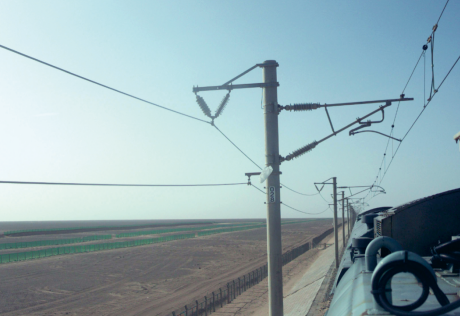
Pantograph-Catenary Comprehensive Detection Device (1C)
CHENGDU TANGYUAN ELECTRIC CO., LTD.
Wheel and Track Technology Business
Beijing Research & Design Institute of Rubber Industry Co., Ltd.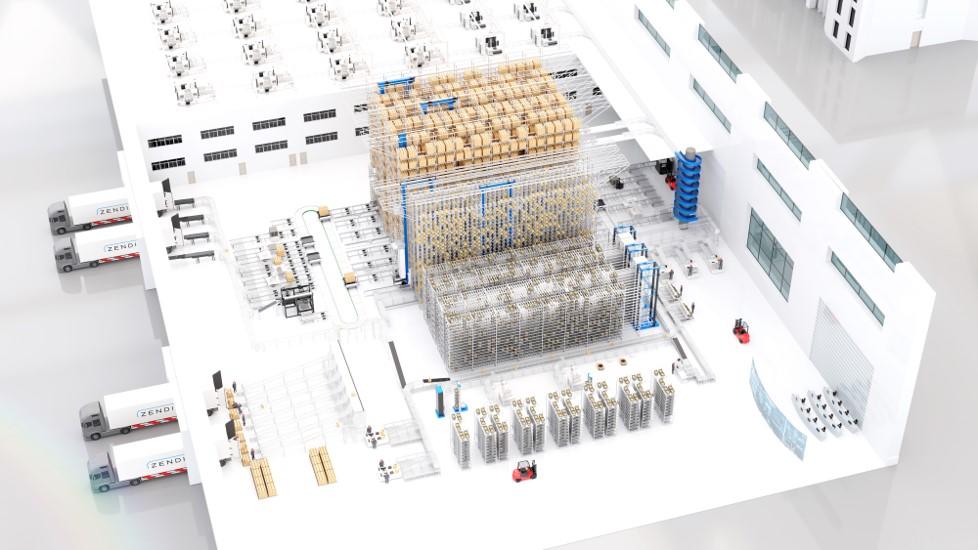
One-Stop Steward Service for the Entire Logistics System Integration Chain
Zhongding Intelligent (Wuxi) Technology Co., Ltd.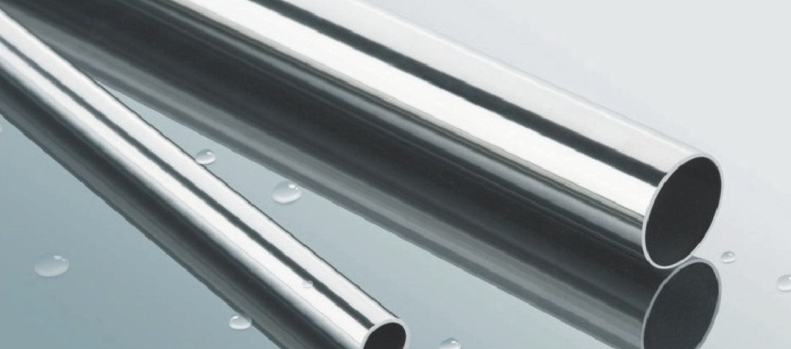
ERW Welded Pipe (Black Pipe and Hot-dip Galvanized Steel Pipe)
Handan Zhengda Steel Pipe Co., Ltd.

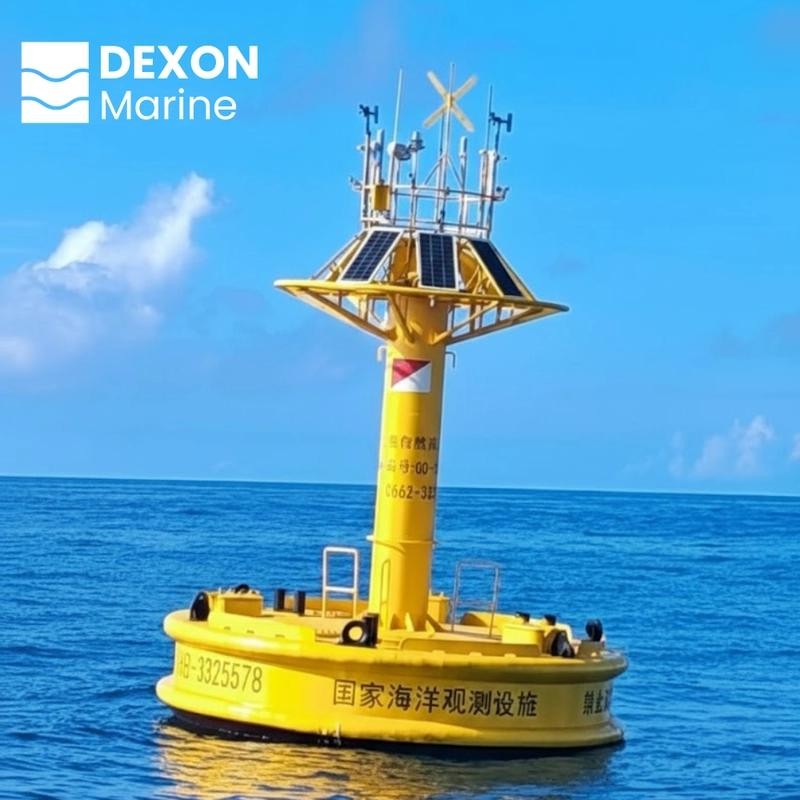
3m intelligent buoy combining navigation safety and real-time marine monitoring integrated navigation and marine monitoring system for real-time maritime data
Chengdu Dixin Technology Co., Ltd.