2026 US Trucking Executives Discuss AI: Handling Thousands of Booking Calls Weekly
en.Wedoany.com Reported - Against the backdrop of artificial intelligence poised to revolutionize business operations, the key challenge facing trucking and logistics industry leaders is how to properly implement this technology within their organizations. During a panel discussion at ACT Expo 2026 held in Las Vegas in May 2026, several industry executives shared their perspectives and practical experiences on this topic.
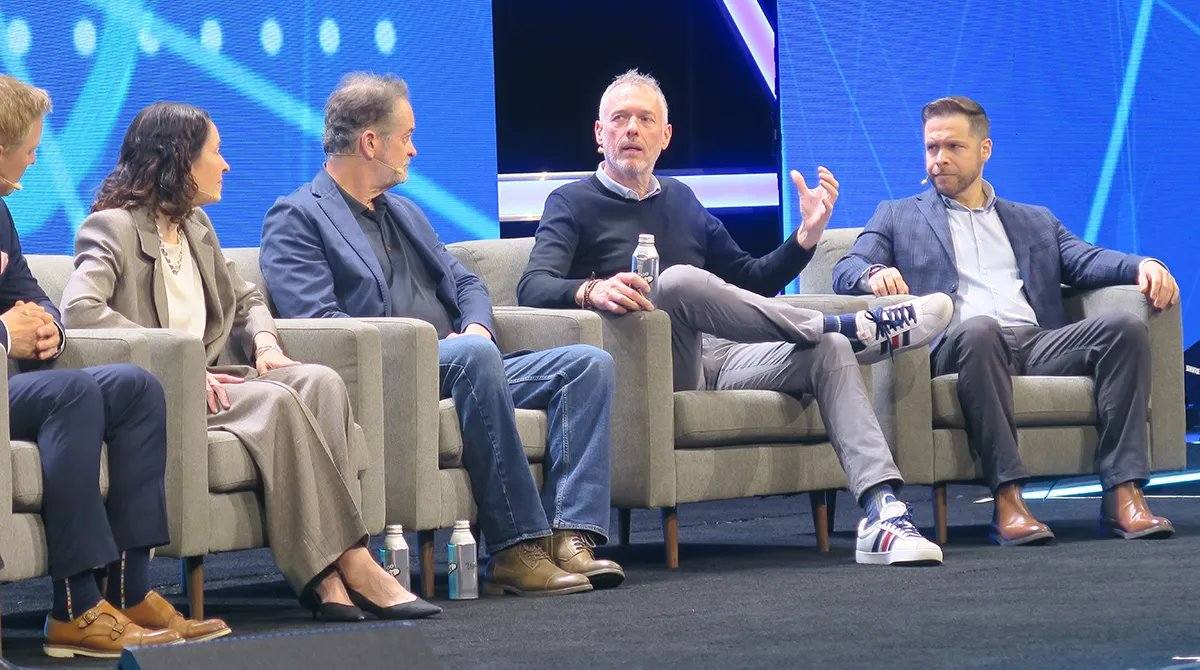
Daragh Mahon, Executive Vice President and Chief Information Officer at truckload carrier Werner Enterprises, said artificial intelligence is already driving operational transformation. "Fundamentally, it makes us faster, helps us make better decisions, and in the long run, it will just become a natural part of operations. I think we'll eventually forget it's there." Mahon specifically noted that AI is expected to enhance decision-making processes in freight. "Honestly, humans are always making a lot of very bad decisions, every day, multiple times a day, and most of those decisions are made because they don't have enough data, experience, or knowledge to make the right call." Werner ranks No. 19 on the Transport Topics Top 100 list of the largest contract carriers in North America. Mahon revealed that Werner recently deployed an AI-powered communications tool that automatically handles thousands of freight booking calls each week. In addition to saving time, the technology has optimized appointment times for Werner's trucks, enabling them to load or unload earlier, get back on the road faster, and improve utilization. He envisioned that seamless integration between applications and platforms will be critical for AI in the future, as it needs to see all relevant data to operate at its highest level. Over time, these data connections may manifest as AI agents communicating with other AI agents.
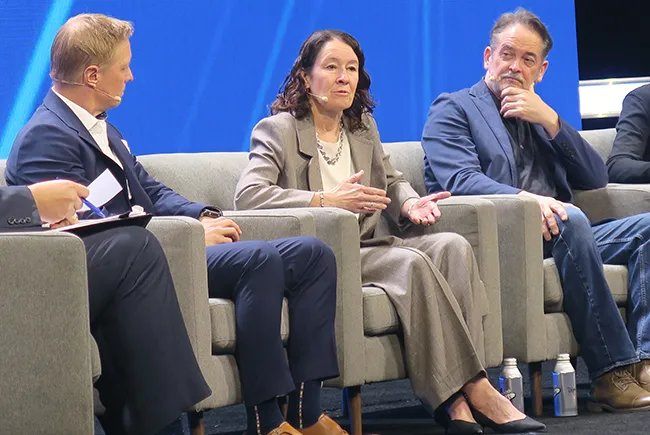
Jack Kennedy, CEO of telematics provider Platform Science, believes the foundation for successful AI deployment is having a clear understanding of your own business. He urged industry leaders to identify what makes their operations unique and where their strengths lie, then focus on selecting the right AI tools that solve the right problems. "The tools will become easier and easier to use, but not understanding your own business won't." Kennedy said companies need to be "ruthless" in asking questions when evaluating potential AI systems and use cases, because "more money will be wasted chasing the wrong rabbit holes, because others are already doing it, someone told you to do it, and you forgot what makes your fleet business unique."
Sherry Sanger, Executive Vice President of Strategy and Marketing at truck leasing and logistics giant Penske Transportation Solutions, said that while AI can automate many processes, it also works well in situations where humans remain involved. "There are many things fleets need assistance with right now, and AI can provide fairly deep assistance." Sanger encouraged fleets to be "very outcome-focused" when considering AI applications, concentrating on solving pain points. She also advised industry leaders to actively test AI and learn about new capabilities, which can be achieved through partnerships with companies like Penske that are investing in the technology. "Don't sit on the sidelines—find ways to experiment and try things on a small scale." She cited examples of Penske using AI to enhance predictive maintenance and proactively notify customers when issues that could lead to breakdowns are detected. The company also uses its Catalyst AI platform to create benchmarks for operational metrics such as fuel economy and asset utilization, with customers using this information to track their performance against comparison fleets and identify improvement opportunities. Penske Logistics ranks No. 13 on the TT100 contract carrier list.
Johan Lundén, CEO of Coretura, said connected vehicle technology will be another driver of future AI applications. Coretura, a joint venture between Daimler Truck and Volvo Group, is developing a software-defined vehicle platform for commercial trucks. Lundén said Coretura's digital platform will simplify data integration and streamline connected vehicle software and services. "This way, you can accelerate a lot of innovation that would otherwise be spent trying to integrate."
Related Products

GSR6-27.5kV SF6 Free Gas-insulated Metal-enclosed Switchgear
Zhejiang Juhonkia Intelligent Electric Co., Ltd.
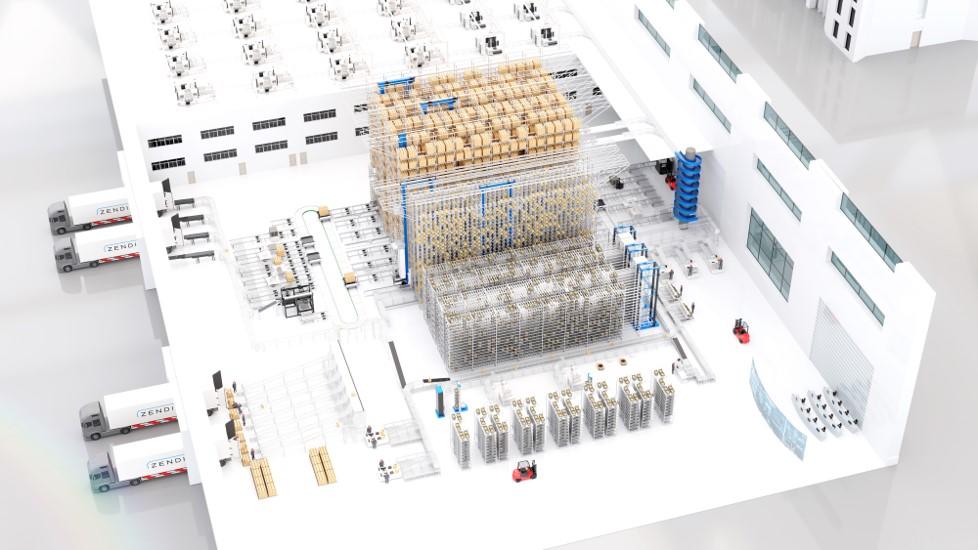
One-Stop Steward Service for the Entire Logistics System Integration Chain
Zhongding Intelligent (Wuxi) Technology Co., Ltd.

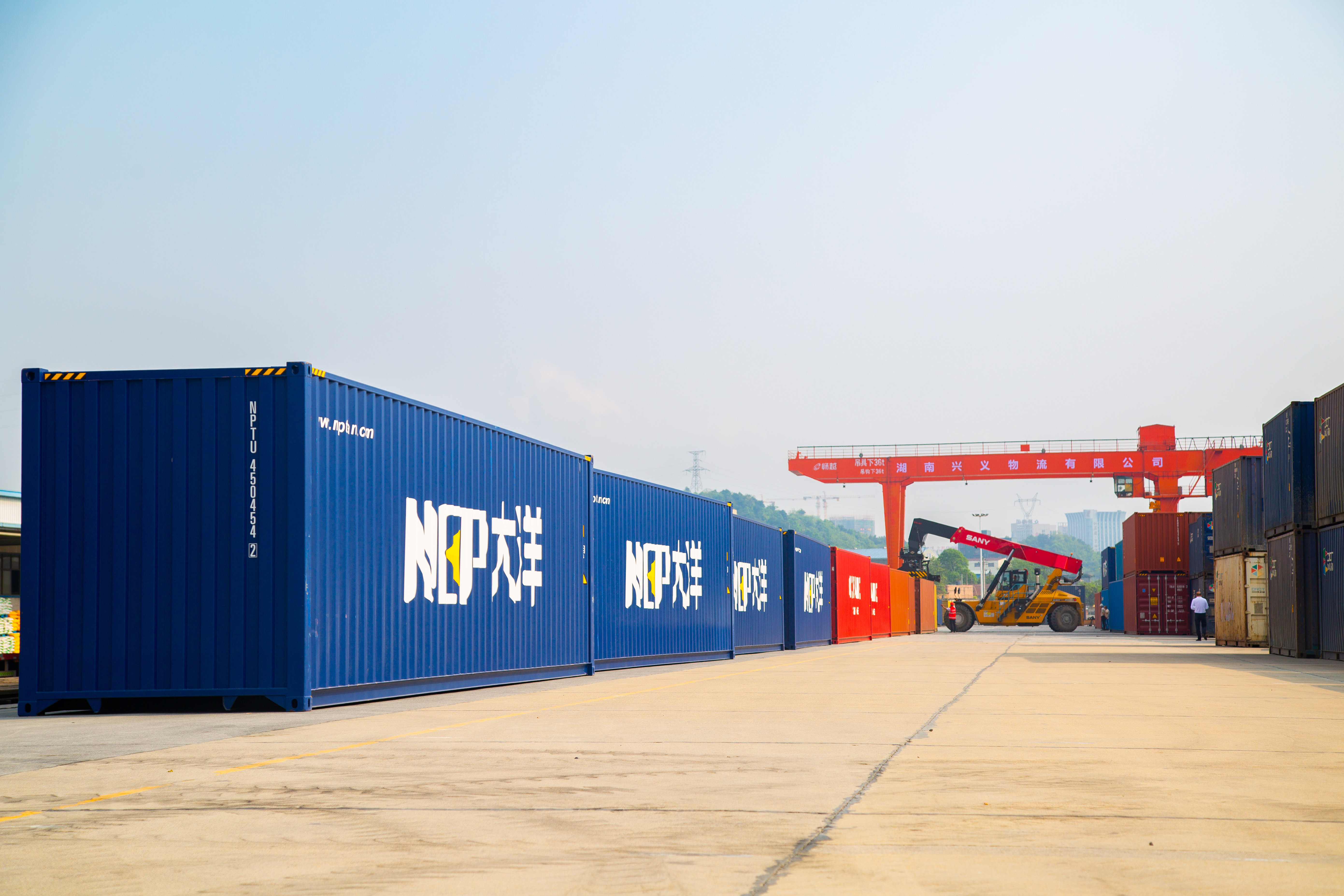
China - Alashankou/Khorgos - Europe Full Range Transportation (Mala/Hamburg/Duisburg/Budapest, etc.)
Shenzhen Neptune Logistics Co., Ltd.
ERW Welded Pipe (Black Pipe and Hot-dip Galvanized Steel Pipe)
Handan Zhengda Steel Pipe Co., Ltd.
CLW5180TXSD6 Dongfeng Tianjin Washing and Sweeping Truck
ChengLi Special Automobile Co., Ltd.