Leixões Port Cruise Terminal to Receive 16 MVA Shore Power System in 2029
en.Wedoany.com Reported - Leixões Port (Porto de Leixões) will be equipped with an Onshore Power Supply (OPS) system at its cruise terminal starting in 2029, allowing docked cruise ships to no longer rely on diesel generators to maintain onboard operations. VINCI Energies is the partner for this infrastructure project, responsible for implementing the shore power solution.
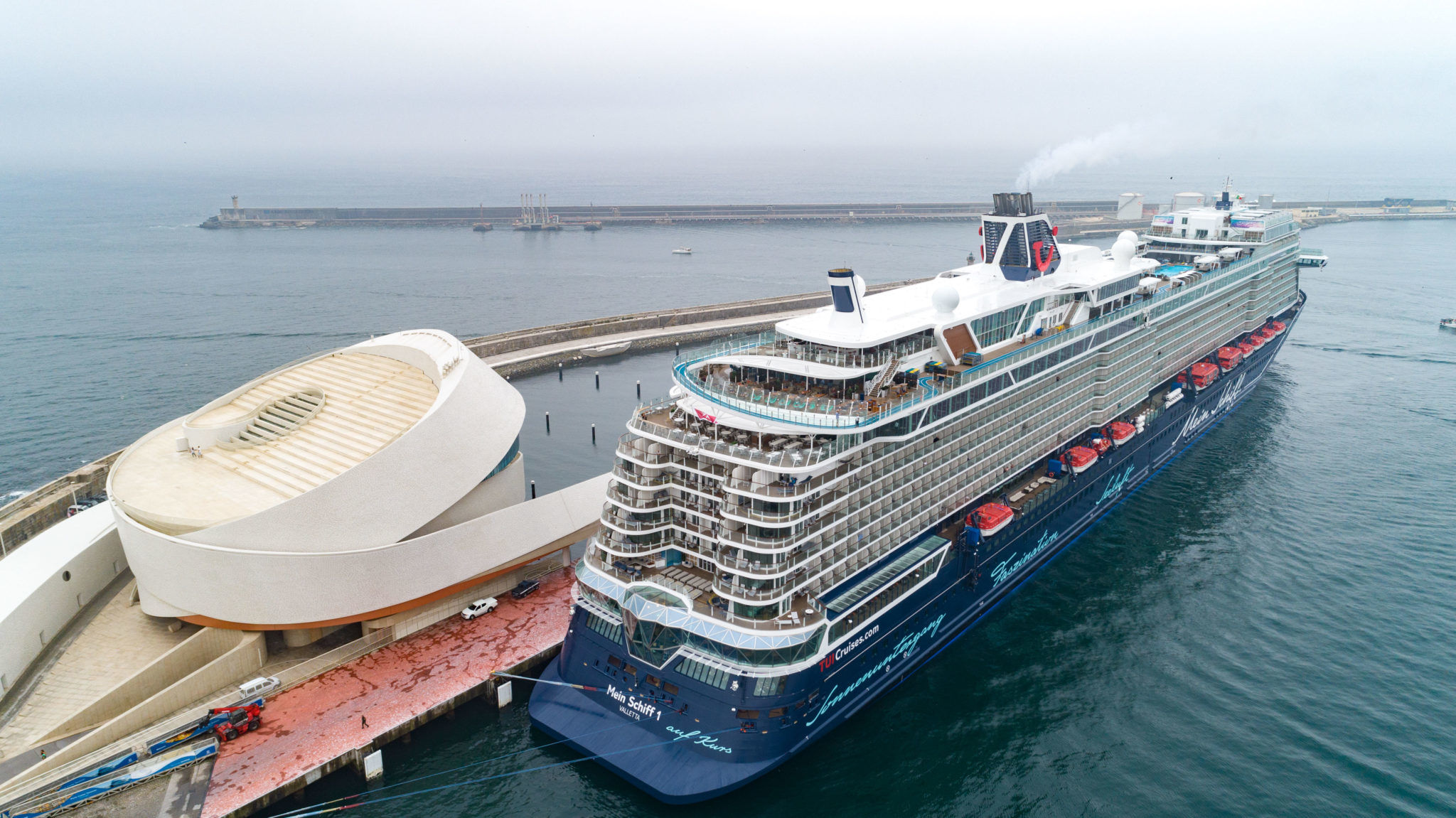
Ships typically need to keep running for several hours while docked at the terminal. According to VINCI Energies, this solution can reduce carbon dioxide emissions by 70% to 90% during each docking period.
The system was jointly developed in Portugal by VINCI Energies' Omexom and Actemium brands, drawing on Actemium's technical expertise in France. Ships will connect directly to the shore-side power grid, supplying electricity to all electrical and operational systems during their stay in port.
A single cruise ship call can consume between 50 and 70 megawatt-hours (MWh) of energy, equivalent to the electricity usage of thousands of households. The shore power system enables ships to meet this demand through the onshore grid, replacing diesel generators.
From 2029, Leixões Port will offer up to 16 megavolt-amperes (MVA) of power supply capacity, enough to power a small town of 5,000 households. Cruise ships will therefore be able to shut down their engines, reducing noise and environmental impact during port calls.
The system is being implemented in phases, with the first stage ensuring 8 MVA of capacity, followed by a gradual increase to the full installed capacity. To accommodate the different vessel types calling at the port, the system operates at 50 or 60 hertz and at 6.6 kV or 11 kV voltages, ensuring compatibility with a wide range of fleets.
Alongside the shore power project, Leixões Port has developed supporting infrastructure, including a shore-side substation utilizing the terminal's existing electrical facilities, frequency and voltage conversion systems, and a mobile cable management system (CMS) for safe and efficient ship-to-grid connections.
The project also integrates automated control and monitoring systems as well as a SCADA platform, supporting real-time monitoring and enabling future integration into the port's centralized management.
Gonçalo Sampaio, Managing Director of Omexom Portugal, stated that this solution represents "the future of ports: cleaner, more efficient, and more technologically advanced operations," reducing emissions, improving local environmental quality, and enhancing the terminal's competitiveness in meeting new requirements from cruise lines.
João Pedro Neves, Chairman of the Board of APDL — Administração dos Portos do Douro, Leixões e Viana do Castelo — emphasized that implementing the OPS system at the cruise terminal is a key step in the port's decarbonization strategy and in improving the relationship between port activities and the city. He noted that connecting ships to the shore-side grid reduces noise and environmental impact during port calls, which will consolidate Leixões' position as a modern port capable of meeting the cruise industry's new environmental requirements and accelerating the energy transition of the maritime port sector.
The OPS project was led by APDL for introduction at Leixões Port, with VINCI Energies responsible for development in Portugal, implemented jointly by the Omexom and Actemium brands.
Related Products
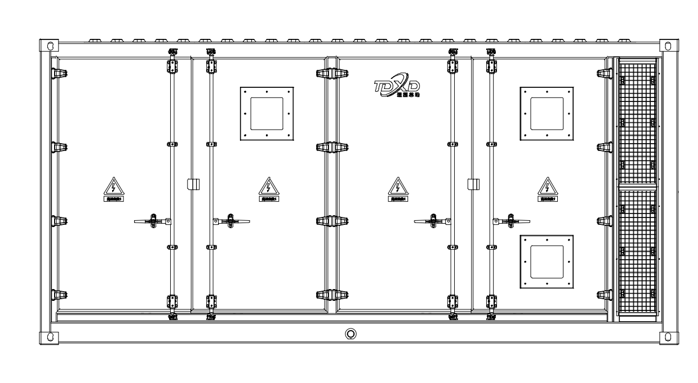

5012kWh DC Energy Storage System TD-EES-5012kWh
Suzhou Tongding Xindong Energy Storage Technology Co., Ltd.
Perfluorinated Ionic Membrane-CM-10N Series Membrane
Guizhou Juneng Century Technology Co., Ltd
Ultrasonic Wind Speed and Direction Instrument
Kingmach Measurement & Monitoring Technology Co., Ltd.

Prefabricated Houses and Electrical Energy Boxes
Chengdu Ruilong Machinery Manufacturing Co., Ltd.
CITIC Heavy Industries Offshore Wind Power Equipment Hydraulic Pile Hammer
CITIC Heavy Industries Co., Ltd.
Standard Nozzle Flowmeter
Jinggong Automatic Control Instrument Complete Technology Development Company