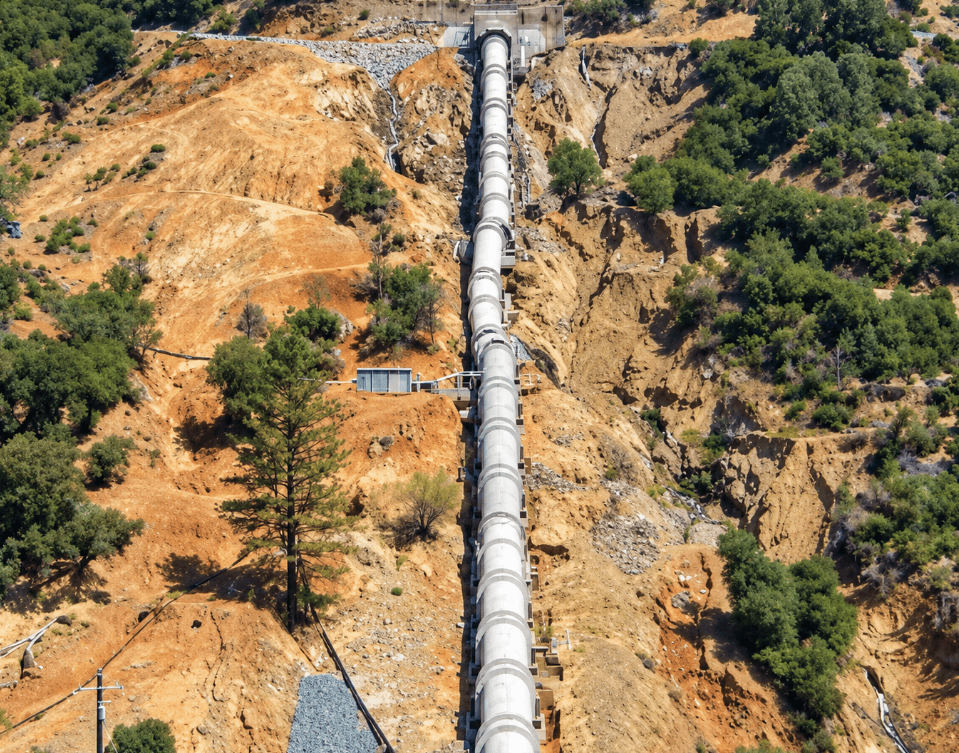
EU deploys 'hybrid hydro' to ease grid congestion bottlenecks
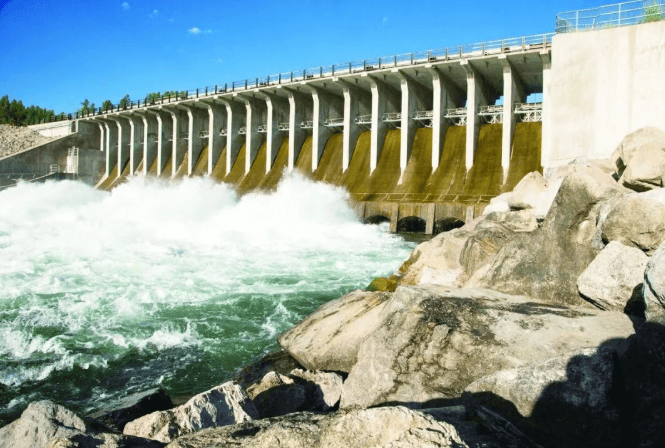
en.Wedoany.com Reported - Difficulty in connecting wind and solar power to the grid has become the norm in Europe. A recent report by UK-based climate and energy think tank Ember points out that the key to solving grid congestion bottlenecks lies within existing infrastructure. Typically, renewable energy projects are treated as standalone facilities, and are rarely seen as resources that can be stacked to generate higher clean electricity output. However, as demand for stable, green power generation grows, hybrid projects are attracting more attention. Among them, developing hybrid renewable energy projects at existing hydropower plant sites holds enormous potential and can serve as an immediate solution to relieve grid pressure and integrate wind and solar power.
An immediate, zero-intervention solution
Over the past four years, Europe has experienced two energy crises. In April this year, the EU unveiled its "Accelerate EU" action plan, emphasizing that clean electrification is the only path to energy independence and reducing the impact of fossil fuel price volatility, elevating renewable energy deployment and accelerated electrification to strategic security priorities for the EU.
However, the grid has failed to keep pace. Ember estimates that by 2030, there will be a gap of at least 120 gigawatts between Europe's existing grid capacity and the expected increase in renewable energy generation capacity. Between 2026 and 2030, seven EU countries—Austria, Bulgaria, France, Italy, Portugal, Romania, and Spain—will add a combined 138 GW of wind and solar capacity. Among them, Austria and Bulgaria already have no spare grid capacity to accommodate new generation, while Portugal and Romania are also approaching the limits of their grid space.
In recent years, as renewable energy projects have surged, many European national grids have struggled to match the grid connection demands of newly added renewable capacity, primarily due to insufficient capacity.
Data from the International Energy Agency shows that the global grid connection queue has reached a record level, with more than 2,500 GW of renewable energy, large-scale load, and energy storage projects currently stalled due to inadequate transmission infrastructure. Many countries are trying to expedite permitting through simplified approval processes, but grid investment still lags far behind investment in generation projects.
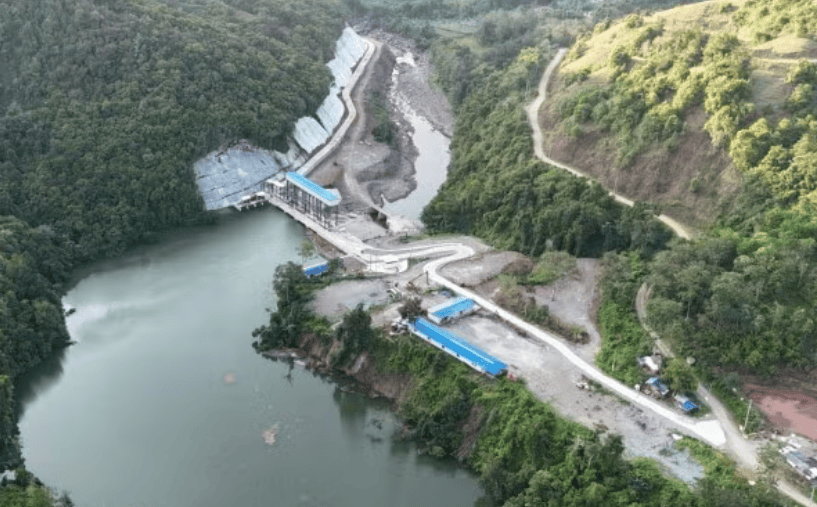
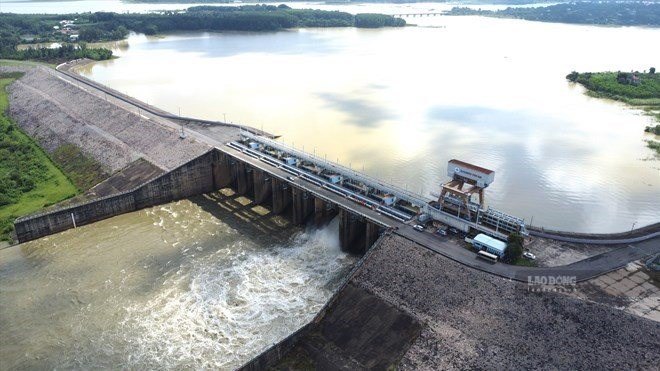
While grid expansion is the fundamental solution, it is time-consuming and costly. In this context, for countries facing grid congestion, adding wind and solar capacity at existing hydropower plant grid connection points—known as "hybrid hydro" projects—offers an immediate, zero-intervention solution.
Improving grid connection utilization
Currently, "hydro-wind-solar multi-energy complementarity" is gaining increasing favor. As a new composite energy production model, it leverages the flexible regulation capability of hydropower to smooth the intermittency and volatility of wind and solar generation, thereby achieving large-scale integration and high absorption. Elizabeth Cremona, head of energy infrastructure at Ember, stated that "hybrid hydro" projects can nearly double the utilization rate of existing grid connections, thereby reducing investment in grid expansion.
"Accelerating grid expansion is crucial, but it takes time," Cremona emphasized. "'Hybrid hydro' projects unlock additional capacity on the existing grid, connecting more clean power faster through shared infrastructure—that is, making fuller use of existing infrastructure to connect renewables more quickly, achieve more reliable power output, and lower grid connection costs."
IEA Executive Director Fatih Birol has likened hydropower to the "forgotten giant of electricity," noting that as the world's third-largest source of electricity, hydropower holds enormous potential that most countries have overlooked, and that "hybrid hydro" projects can maximize renewable output at the same site.
Ember data shows that the EU currently has 131 GW of installed hydropower capacity, with the seven EU countries accounting for a combined 93 GW, or 71 percent. The hydropower plants in these seven EU countries can leverage existing grid connection conditions to accommodate an additional 25 GW of wind and solar capacity, and from now until 2030, they will be able to integrate 18 percent of the expected new renewable capacity.
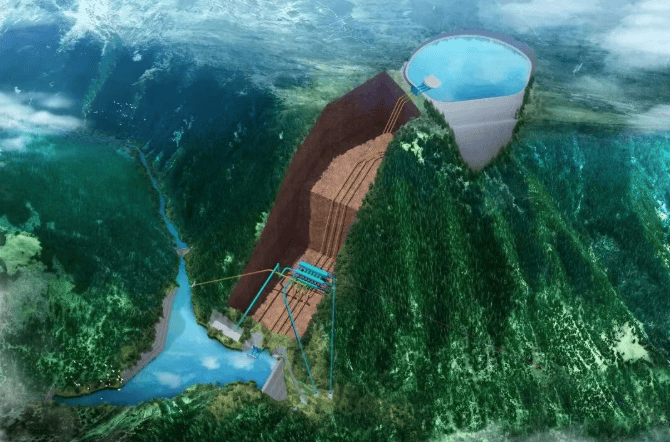
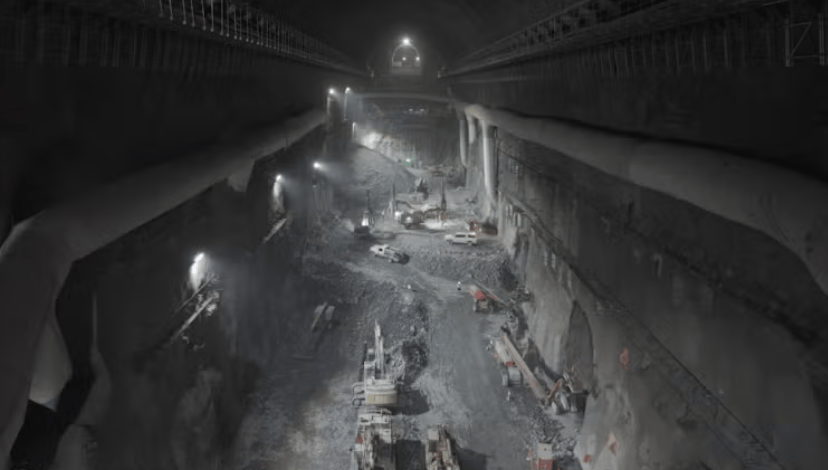
OilPrice.com reported that Portugal's Tamega project is a large-scale hybrid renewable energy project integrating hydro, wind, and storage. The Tamega hydropower plant is one of Europe's largest pumped storage projects, with an installed capacity of 880 MW and an energy storage system capacity of 21 GWh. The associated wind farm is developed in a hybrid format, directly connected to the substation shared with the Tamega hydropower plant, enabling coordinated dispatch of wind, solar, and hydro power.
Dedicated policy support needed
However, it should be noted that among the seven EU countries, only Spain and Portugal have introduced dedicated hybrid project regulations—in 2020 and 2022, respectively—and have continued to refine their policy frameworks. In Spain, hybrid grid connection permits receive priority for grid access, and financial guarantee deposits can also be reduced by 50 percent. In May this year, Portugal issued a public consultation, clearly identifying geographic areas with maximum hybridization potential based on the natural complementarity of wind and solar resources.
Portugal's Expresso noted that the country's energy policy is shifting from pure expansion toward retrofitting and hybrid energy models. Currently, growth in new wind projects in Portugal has slowed markedly, with the country beginning to rely on repowering and capacity upgrades of existing turbines to improve efficiency, making hybrid projects an important pathway for enhancing grid efficiency.
Industry insiders believe that incentive policies at the EU level could further promote the development of "hybrid hydro" projects. The European Commission is advancing legislation on the definition of hybrid projects and hybridization within its "proposal for accelerated permitting procedures," a core component of the "EU Grids Package" aimed at breaking through infrastructure bottlenecks in Europe's energy system by accelerating permit approvals.
It is understood that the EU previously introduced the Renewable Energy Directive. According to the latest revised draft, the repowering and hybridization of existing renewable energy plants are explicitly listed as cases eligible for accelerated permitting procedures. This provides a clear legal framework for hybrid projects, meaning that hybridization projects connecting new energy sources such as wind and solar to existing generation facilities like hydropower will no longer be subject to traditional permitting rules designed for single-technology projects.
Related Products

80kW Megawatt Supercharging Module TH80F10030C9
Shijiazhuang Tonhe Electronics Technologies Co., Ltd.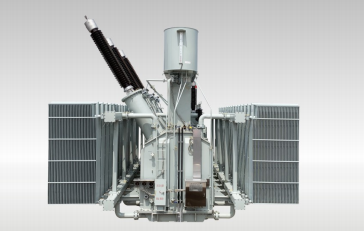
220kV and Below Voltage Level Energy-saving Oil-immersed Power Transformers
FuZhou TianYu Electric Co., Ltd.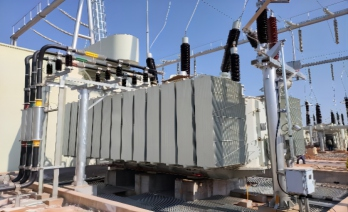
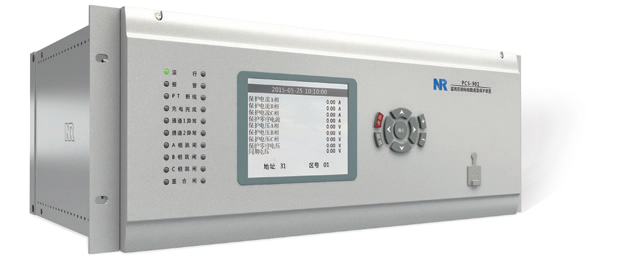
PCS-901 Series Ultra (Extra) High-voltage Transmission Line Complete Protection Device
Nanjing NR Electric Co., Ltd.
40.5kV-1100kV Gas Insulated Metal-Enclosed Switchgear (GIS)
Henan Pinggao Electric Co., Ltd.
Forest and Grassland Heat Source Infrared Monitor
China Huayun Meteorological Technology Group Co., Ltd.