Pingliang City, Gansu, China: 26.267 Million Tons of Coal Output in 2025, Ranking First in the Province
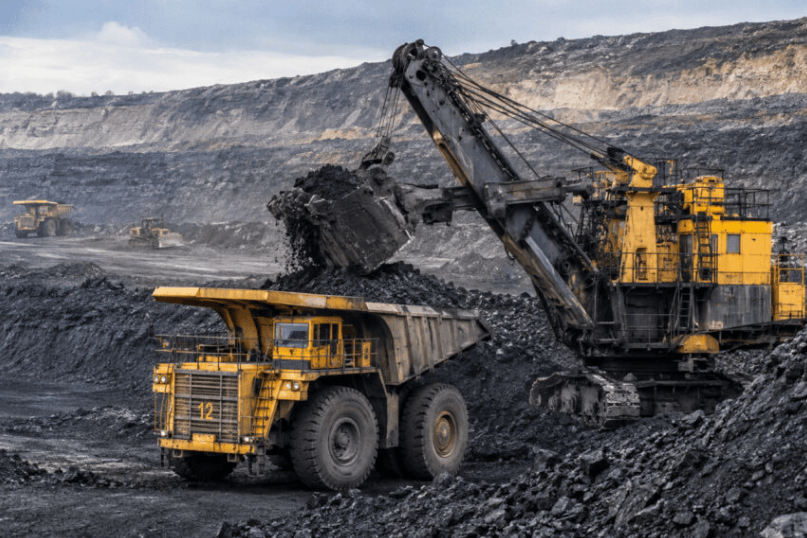
en.Wedoany.com Reported - As an important part of the Huanglong Base, one of China's 14 large-scale coal bases, Pingliang boasts geological coal reserves of 65 billion tons underground, with proven reserves of 11 billion tons. In 2025, the city's total coal output reached 26.267 million tons, accounting for 39.5% of Gansu Province's total coal production, ranking first in the province. The city is home to the province's largest coal-electricity industrial cluster, with thermal power installed capacity accounting for approximately 17.7% of the province's total. It serves as a key pivot for the national "West-to-East Power Transmission" project and a critical power source for the Longdong-to-Shandong ultra-high-voltage direct current (UHVDC) transmission project, making it the core carrier area of the national-level Longdong Comprehensive Energy Base.
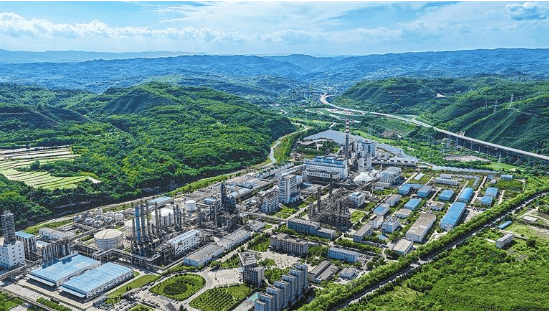
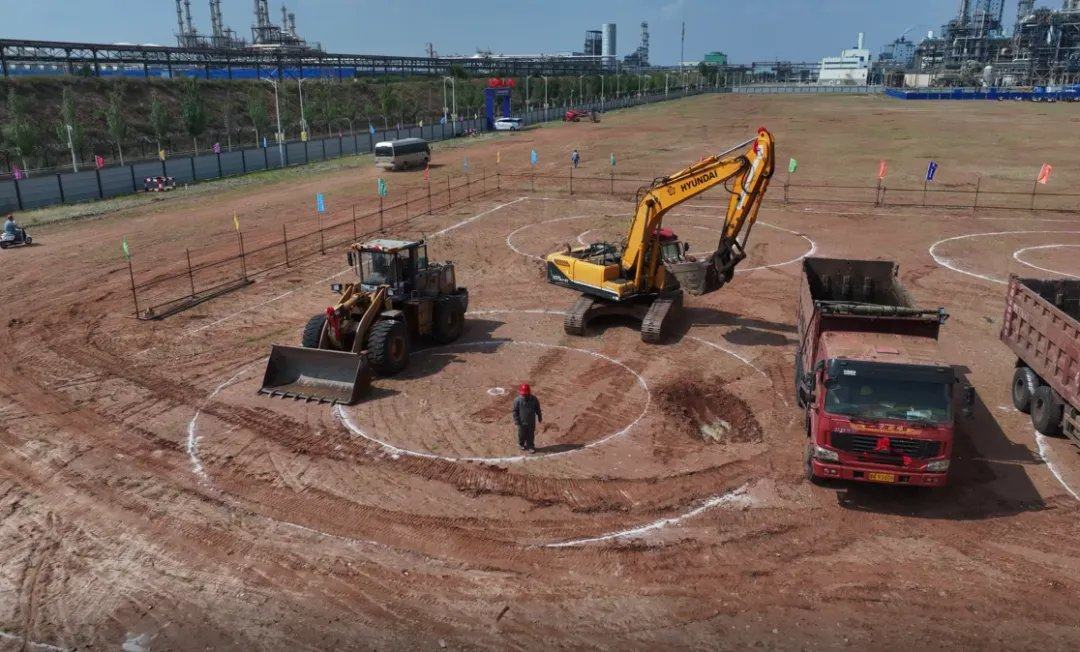
Pingliang's coal industry has developed over a century, and the development trajectory of its core area, Huating City, serves as a model case. Huating was the first region in Gansu to develop coal resources on a large scale. After the founding of the People's Republic of China, major mines were successively put into operation, but during the painful period from the end of the last century to the beginning of this century, the drawbacks of extensive development erupted intensively. The transformation began in 2007 with the groundbreaking of the 600,000-ton coal-to-methanol project. Today, the practice of intelligent, green, and full-chain transformation has become a new pathway.
The intelligent transformation of the industry was first implemented at the underground production frontline. Yanbei Coal Mine in Huating City, a veteran backbone mine, is the province's first Class II intelligent demonstration mine. Its intelligent safety production dispatch and command center, through an integrated comprehensive automation control platform, enables interconnected data exchange across all areas and real-time risk warnings. Dispatch and duty personnel can manage mining faces 10 kilometers away and 600 meters underground without going down the mine. Lu Zujun, deputy mine manager of Yanbei Coal Mine, stated that after completing comprehensive intelligent technological upgrades, the mining area steadily produces 4.8 million tons of high-quality raw coal annually. Currently, the autonomous memory cutting rate of underground shearers reaches 63%, and the automatic follow-up rate of hydraulic supports reaches 77%. Huating City has completed intelligent upgrades for five pairs of mines, maintaining a mechanized coal mining rate of over 90%, with coal mining intelligence levels ranking in the province's first tier.
Industrial innovation extends from underground to the surface. Adjacent to Yanbei Coal Mine, Huating Intelligent Coal Washing and Selection Co., Ltd. was built as a supporting facility, with an annual washing capacity of 10 million tons, centrally processing raw coal from Huating Mine, Yanbei Mine, and Dongxia Mine. The coal washing plant has established an integrated intelligent dispatch large screen, implementing "unmanned and minimally manned" inspections and intelligent closed-loop control operations across the entire site. Li Kang, discipline inspection secretary of Huamei Group's Intelligent Coal Selection Company, explained that through clean coal purification and coal slime recovery, the ash and sulfur content of commercial coal is effectively reduced; the closed-circuit coal slime water system achieves zero wastewater discharge.
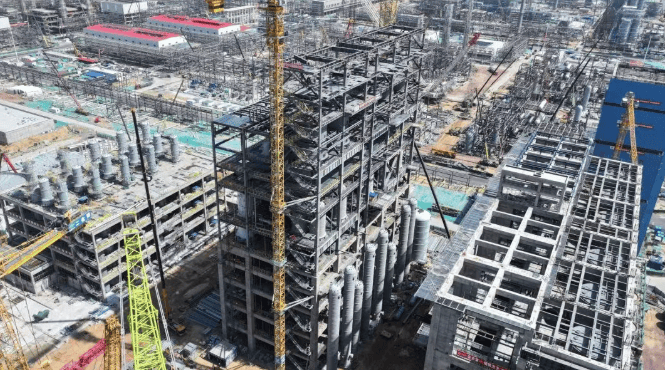
On the green development track, Pingliang addresses development challenges through technological innovation and circular utilization. Huamei Qingneng Coal Chemical Company, a core enterprise in Huating Industrial Park, has built the province's first 600,000-ton coal-to-methanol project and the nation's first fluidized bed methanol-to-propylene 200,000-ton polypropylene technology demonstration project, filling the gap in the province's high-end coal-to-olefin conversion. Dong Guoliang, Party Secretary and Chairman of Huamei Qingneng Coal Chemical Company, stated that the enterprise daily converts 3,300 tons of raw coal through green resource utilization, producing 2,050 tons of refined methanol, establishing an integrated clean and efficient closed-loop industrial chain of "coal-methanol-polypropylene-high-end chemical products." Additionally, Pingliang directly supplies low-calorific-value coal, coal gangue, and washed coal slime from major mines to Huating Power Plant, the province's first to use large circulating fluidized bed boilers, for co-firing power generation, forming a comprehensive industrial cluster through the four-in-one model of "power generation and transmission, deep coal chemical processing, waste heat and solid waste recycling, and multi-energy complementarity." Huating City is also comprehensively advancing the resource-based comprehensive utilization of industrial by-products such as coal gangue, fly ash, coal slime, and aluminum ash slag, supplemented by supporting industries including ceramics, new building materials, metal smelting, and intelligent equipment manufacturing. Chongxin County's power plant promotes a combined heat and power model, delivering low-cost industrial steam to county-level papermaking and food processing enterprises. Pingliang Industrial Park in Kongtong District directly supplies industrial steam and waste heat from coal power and chemical enterprises to bio-manufacturing companies within the park.
From a citywide perspective, Pingliang builds an industrial matrix based on the resource endowments and locational differences of each region. Huating City is anchored to the direction of coal-based fine chemicals, with its coal characterized by high volatility, high chemical reactivity, and high calorific value, as well as low ash, low phosphorus, and low sulfur—the "three highs and three lows" feature. Chen Zhenzhong, deputy director of Huating City Development and Reform Bureau, stated that since 2005, projects targeting the downstream coal industry layout have increased significantly. Chongxin County focuses on the light industry track, following the approach of "steadily expanding coal, accelerating power conversion, breaking through in light industry, and laying out new energy," developing paper products, soy products, and other modern light industries, building the northwest region's production and trade center for household paper, and cultivating emerging industries such as low-altitude economy and new energy storage. Wang Junjun, deputy director of Chongxin County Development and Reform Bureau, stated that the integrated combined heat and power system provides low-cost industrial energy for its papermaking and food processing industries. Pingliang Industrial Park in Kongtong District, leveraging the industrial steam and thermal energy from the coal power industry, develops bio-manufacturing, equipment manufacturing, new materials, and light industries through horizontal coupling. A relevant official from Kongtong District stated that the park, led by Guowei Starch, which processes 800,000 tons of corn annually, converts corn starch into glucose, which is then fermented by enterprises such as Liangwei Biotech to produce pharmaceutical intermediates, deeply integrating agricultural resources with industrial energy.
Related Products
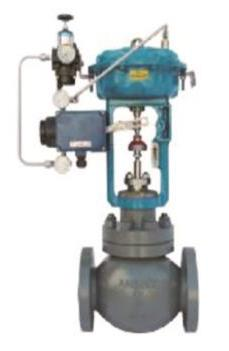

Quick-Change Single-Seat Control Valve / Quick-Change High-Pressure Single-Seat Control Valve
Beijing Consen Automation Technology Co., Ltd.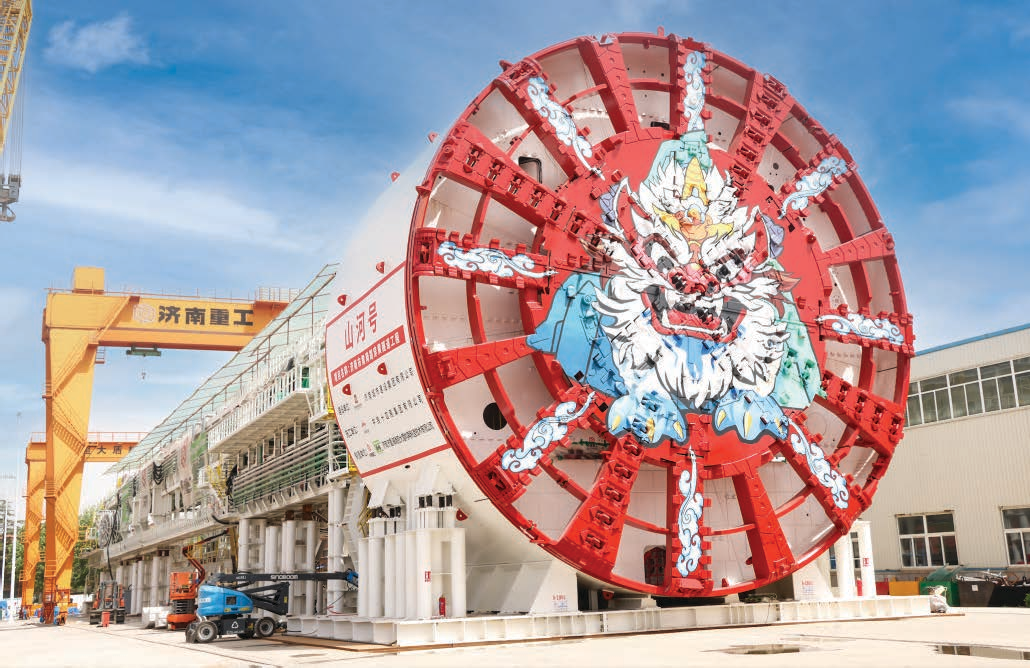

Industrial and Commercial Point-Type Gas Detector
Jinan Benan Technology Development Co., Ltd.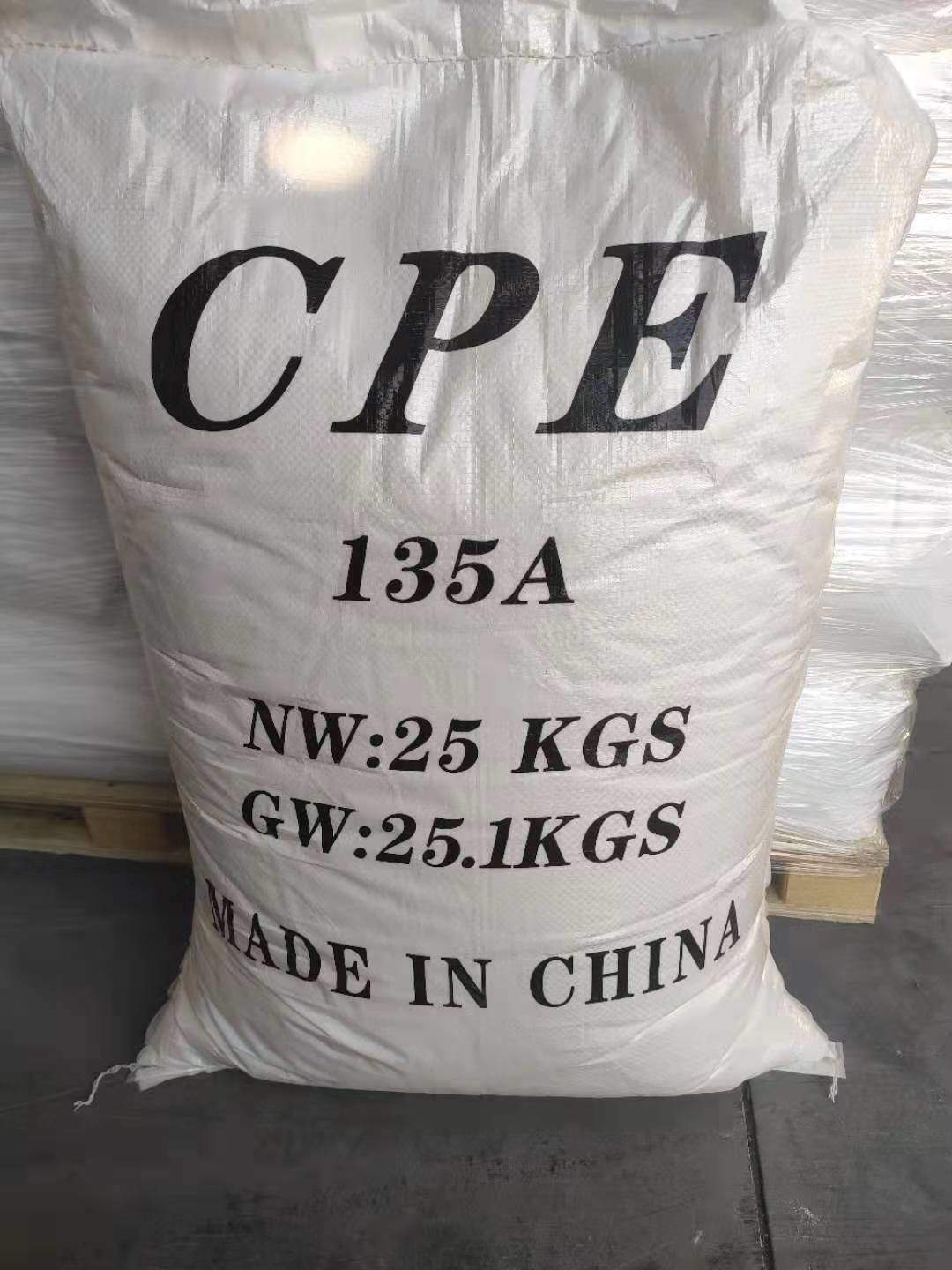
PVC Impact-Modified Chlorinated Polyethylene
Gansu Jinchuan Hengxin Polymer Technology Co., Ltd.