UK's Aurrigo Secures £1.43 Million Grant to Develop Autonomous Airport Safety Technology
en.Wedoany.com Reported - Aurrigo International has secured £1.43 million in funding from the UK government to research ways of enhancing airport safety using autonomous vehicles. The company opened its new Advanced Engineering Centre in Coventry earlier this year, and this grant, awarded under the CAM Pathfinder project, will be used to deploy its Auto-Shuttle vehicles for routine tasks such as security patrols, regular perimeter checks, bird counts, and guided transfers.
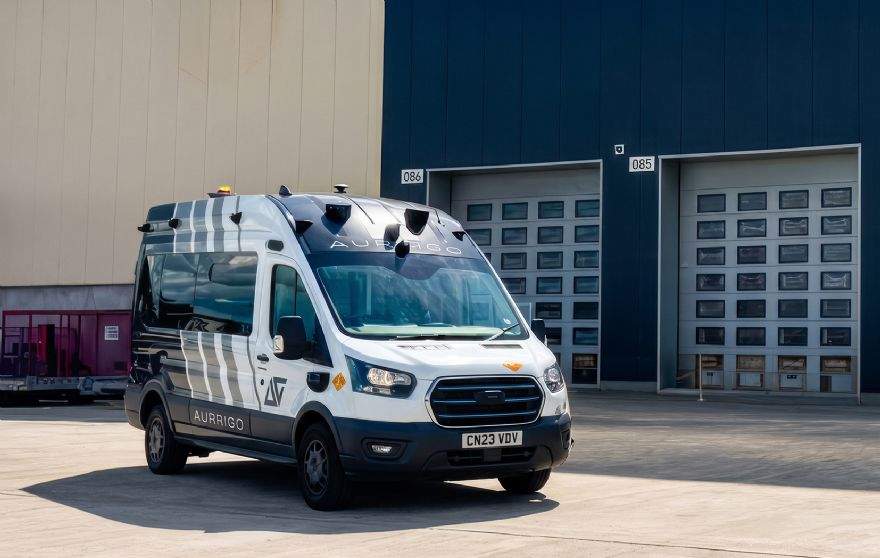
The vehicles will also be used to inspect runway and taxiway surfaces for cracks, wear, or loose objects that could cause serious damage to aircraft. The project, named SENTRY, is supported by expertise from the Warwick Manufacturing Group at the University of Warwick, with guidance from the Civil Aviation Authority (CAA), and testing facilities located near Teesside International Airport.
Simon Brewerton, Chief Technology Officer at Aurrigo International, stated that airport operations are far busier and more hazardous than most passengers perceive. Beyond the terminal, staff spend their days walking or driving around parked aircraft, inspecting taxiways and runways for loose debris, scaring off birds, conducting security patrols, and assessing pavement damage—much of this work takes place in darkness or adverse weather, always amid moving aircraft. The SENTRY project will investigate whether some of these tasks can be carried out by small autonomous vehicles, which will navigate independently, following a set of rules agreed in advance with air traffic control.
Simon Brewerton explained that the team will work with partners to develop the technology and integrate it into the Auto-Shuttle, which will first be deployed in a controlled environment before operating in real airport settings at Teesside International Airport and in Cincinnati, North America. The SENTRY project builds on Aurrigo International's existing aviation business, with its Auto-DollyTug and Auto-Cargo vehicles already in use at eight airports worldwide.
The project's core objective is to improve safety by detecting obstacles, birds, runway damage, and security issues to reduce risk, while also enhancing efficiency through automated inspections and supporting the smooth movement of aircraft within the airport perimeter. For passengers, the likelihood of flight delays due to runway or security inspections will decrease. Simon Brewerton added that the team will quantify the changes brought by autonomous vehicles, including staff time saved, response times for identifying issues, and emissions reduction benefits. The findings will be compiled into a public report, shared with airports, regulators, and the industry, to provide best-practice guidance for wider adoption of autonomous vehicles. He emphasized that Aurrigo's technology is not intended to replace personnel, but rather to remove cold, repetitive, 3 a.m. tasks from the to-do list, allowing experienced staff to focus on work that requires human judgment, offering airports a practical path to raising safety standards.
The SENTRY project will launch in September and is part of the UK government's £150 million CAM Pathfinder programme. The programme is delivered by the Department for Business, Innovation, Science and Trade in partnership with Zenzic and Innovate UK, and all UK government funding is subject to its approval. Mark Cracknell, Programme Director at Zenzic, stated that this announcement builds on the progress already made under CAM Pathfinder, maintaining the UK's existing position in developing and deploying future CAM solutions. These projects span scenarios such as construction, public roads, and airside operations, and have the potential to transform how UK businesses operate, create and safeguard hundreds of jobs, and further strengthen the domestic supply chain.
Related Products


Industrial and Commercial Point-Type Gas Detector
Jinan Benan Technology Development Co., Ltd.

![IVECO Cash-in-Transit [DMT5048XYCL3-AM] - Chongqing Dima Industry Co., Ltd](https://img.wedoany.com/2026/0911/20260911030157582.png)
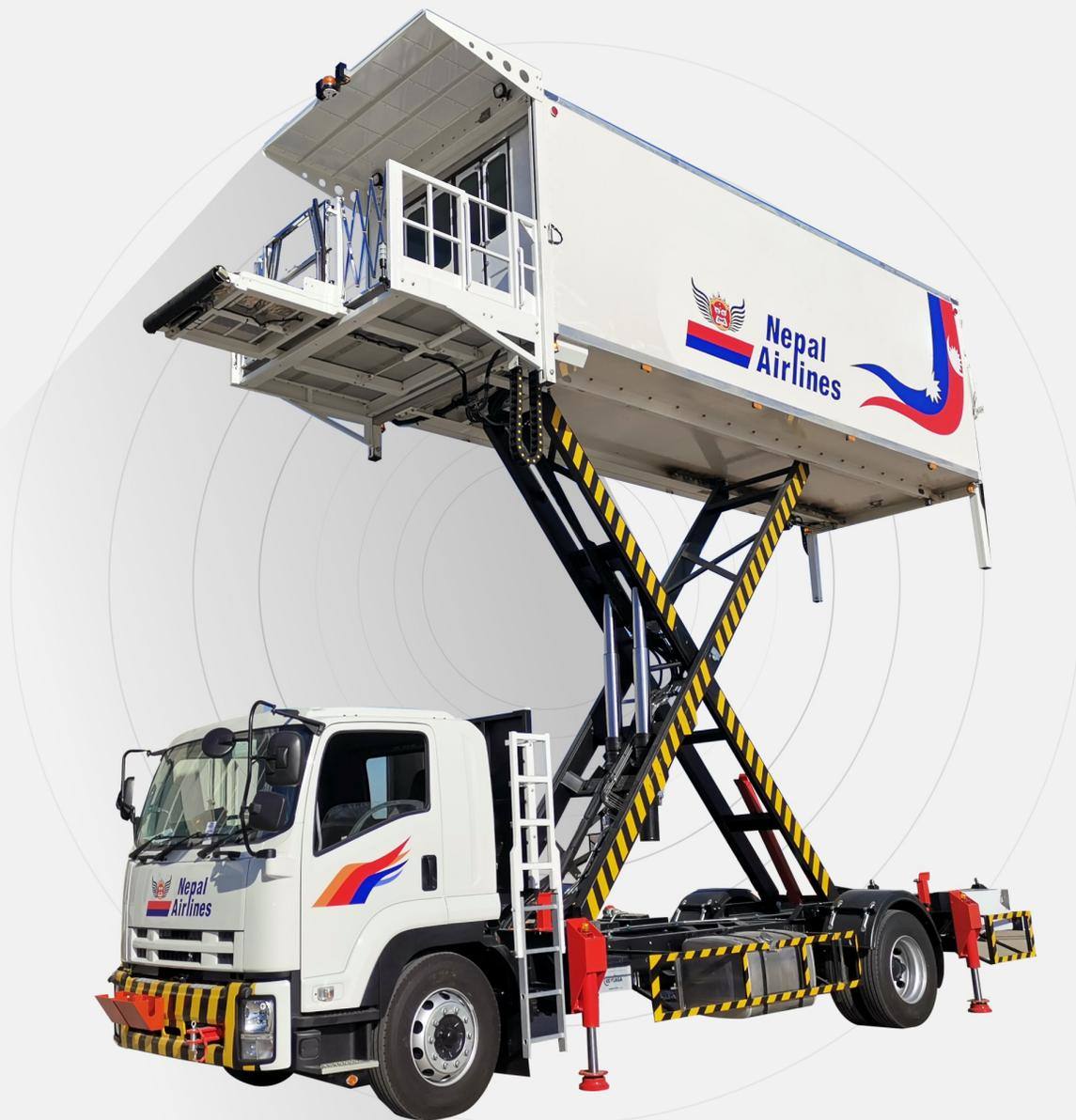
XC-6000e Type Aviation Catering Truck (Fuel Type)
Shenzhen CIMC-TianDa Airport Support Ltd.
"Shunyi 1600" Deep-submerging Bottom-sitting Multi-functional Wind Power Engineering Vessel
Zhengli Offshore Engineering Co., Ltd.
CLW5180TXSD6 Dongfeng Tianjin Washing and Sweeping Truck
ChengLi Special Automobile Co., Ltd.
China - Alashankou/Khorgos - Europe Full Range Transportation (Mala/Hamburg/Duisburg/Budapest, etc.)
Shenzhen Neptune Logistics Co., Ltd.