Nestlé Pilots AI Irrigation System in Brazil, Cutting Coffee Production Water Use by 36%
en.Wedoany.com Reported - Nestlé, in partnership with Smart Irriga, has developed an AI-driven irrigation system that reduced water consumption per kilogram of coffee produced by 36% across 20 participating farms in a pilot project under the Nescafé Plan in Espírito Santo, Brazil. The technology also cut farm electricity expenses by approximately 15% by limiting irrigation pump operation to the actual time crops require. The total investment in the project was around 400,000 Brazilian reais.
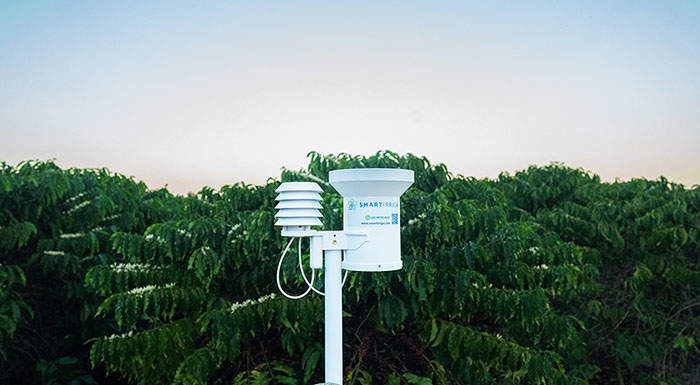
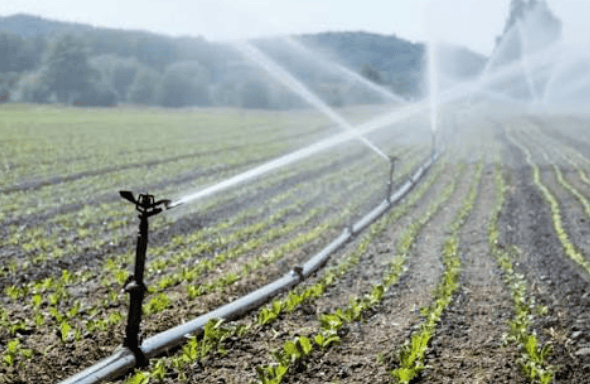
The trial targeted coffee farms already using drip irrigation, with the new smart module adjusting daily irrigation water volumes based on the specific conditions of each planting zone. The system combines weather stations installed within the plots with an AI platform, continuously collecting data on temperature, rainfall, relative humidity, and evapotranspiration to determine irrigation timing and volume. Compared with conventional irrigation based on general parameters, this approach replaces empirical judgment with data-driven decisions: pumps remain off when crops do not need water, and the system automatically adjusts irrigation levels as demand rises.
The reduction in water usage produced a secondary effect—fewer pump activation requirements—resulting in approximately 15% savings on farm electricity bills. Nestlé stated that more precise water management also contributes to uniform coffee cherry maturation, improved flowering conditions, and reduced soil nutrient leaching, benefits that may extend into subsequent production cycles. Rodolfo Clímaco, Nestlé's coffee agriculture manager and head of the Nescafé Plan in Brazil, said that introducing AI into irrigation management delivers both environmental and economic gains, protecting water resources, lowering costs, and preparing farms for periods of more severe climate stress.
The Nescafé Plan is Nestlé's global intervention program for the coffee supply chain, aimed at addressing challenges such as climate change, water availability, and agricultural productivity. In Brazil, the program covers more than 3,800 farms and provides technical assistance, with 97% of participating farms having adopted some form of water-saving technology, drip irrigation being one of them. The application of AI adds further precision to irrigation on top of this foundation. According to Nestlé data, farms participating in the program achieve average productivity 60% higher than traditional farms, and producers adopting social and environmental practices receive additional incentives.
The pilot in Espírito Santo does not mean the technology will be immediately rolled out across the entire supply chain. The next step is to evaluate the trial results and study the feasibility of expanding the solution to other farms. Coffee production is highly sensitive to climate conditions, with water availability, temperature, flowering periods, and rainfall patterns directly affecting crop development and yields. Technology that converts climate data into on-farm decisions has the potential to help producers cope with greater climate variability without increasing resource consumption.
The Brazilian project is part of Nestlé's global strategy. Nestlé has allocated a total of 1 billion Swiss francs to the Nescafé Plan, covering the period through 2030. According to company reports, in 2025, 53% of the brand's purchased green coffee came from farms adopting regenerative agriculture practices.
The project reflects not only water-saving outcomes but also a shift in agricultural management logic. For a long time, water conservation was primarily associated with equipment choices, such as drip irrigation systems. The use of AI adds a second variable: the ability to more precisely determine when to irrigate and how much to apply. In regions where water availability fluctuates and energy costs account for a significant share of production expenses, this capability holds practical value—reducing the volume of pumped water also means reducing electricity consumption. The scale of this trial remains small relative to Brazil's coffee supply chain, but the results from 20 farms provide a concrete indicator that technology can deliver returns in lowering costs, protecting resources, and controlling variables that affect productivity. Scale is the next challenge to address: the more farms connected to the system, the larger the dataset available to optimize decision-making models, thereby transforming environmental benefits from a standalone sustainability goal into an integral component of the production economics equation.
Related Products

4HS-8 High-efficiency Peanut Inverted-laying Harvester
Hebei Yongfa Hongtian Agricultural Machinery Manufacturing Co., Ltd.

714CD Series C-Band Weather Radar
Chengdu Zhongdian Jinjiang Information Industry Co., Ltd.



Industrial and Commercial Point-Type Gas Detector
Jinan Benan Technology Development Co., Ltd.