UK's First Multi-Berth Shore Power System Operational
en.Wedoany.com Reported - The UK's first multi-berth, multi-user, multi-frequency shore power system at Portsmouth International Port has completed final testing and entered service. Ferries and cruise ships can now connect to the onshore grid upon docking, allowing them to shut down onboard engines and use shore-side electricity to maintain ship operations.
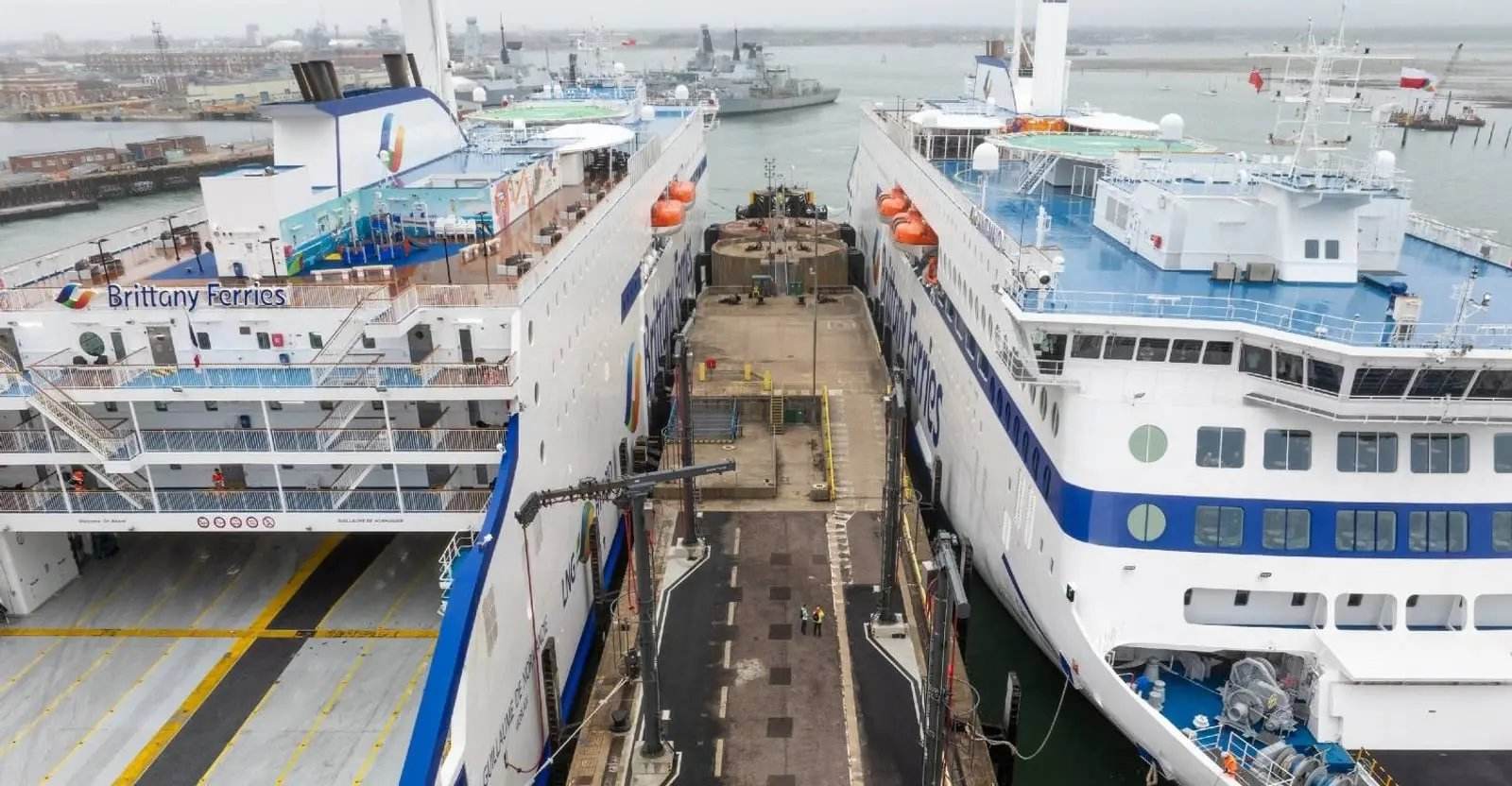
The system covers three main berths at the port and can supply power to up to three vessels simultaneously. The port plans to complete simultaneous shore power connection for three ships within 2026. Currently, all arriving vessels equipped for shore power can use the system, and battery-equipped ships can also charge and enter or leave the port area using electric propulsion.
The hybrid ferries Saint-Malo and Guillaume de Normandie of Brittany Ferries were the first to participate in final testing, both vessels coming from the company's fleet renewal programme with a total investment of €550 million. The cruise ships AIDAsol of Germany's AIDA Cruises and Amera of Phoenix Reisen also completed shore power connection during the commissioning phase.
The project received £19.8 million in funding from the UK Department for Transport, with Portsmouth City Council contributing £4.6 million and providing an additional £3 million for grid power supply capacity, bringing total project construction and grid infrastructure funding to £27.4 million.
According to port estimates, the system is expected to reduce approximately 20,000 tonnes of CO2 equivalent emissions annually from 2027. With shore power in operation, docked vessels no longer need to keep engines running for power generation, simultaneously reducing carbon emissions, nitrogen oxides, and particulate matter around the port area.
The system is part of the "Sea Change" project, implemented jointly by Portsmouth International Port, Brittany Ferries, the University of Portsmouth, and several maritime technology companies. Supporting elements include smart sensors, a digital twin platform, and intelligent energy storage control software. Portsmouth International Port plans to become the UK's first zero-emission port by 2050.
Related Products


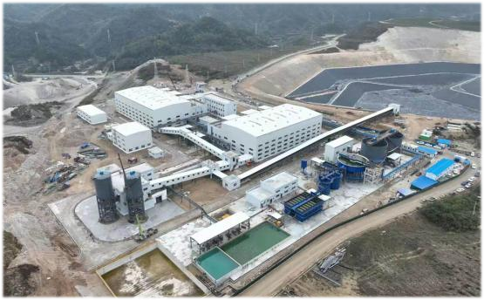
Yingping Mining Section Open-pit Tailings Backfill Treatment of Goaf Ecological Restoration EPC Project
China Bluestar Lehigh Engineering Corporation
Prefabricated Houses and Electrical Energy Boxes
Chengdu Ruilong Machinery Manufacturing Co., Ltd.
714CD Series C-Band Weather Radar
Chengdu Zhongdian Jinjiang Information Industry Co., Ltd.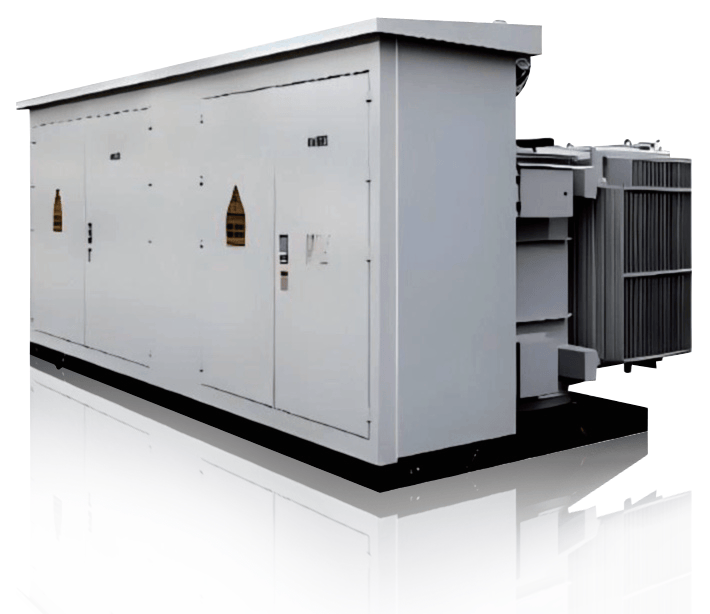
H-40.5/0.4~1.14kV New Energy Power Generation Dedicated High Voltage/Low Voltage Prefabricated Substation
XJ (Xiamen) Intelligent Power Equipment Co., Ltd.