Qatar University Outdoor Validation of 450-Cell Reflector-Assisted Spherical Photovoltaic Prototype
en.Wedoany.com Reported - A team led by Qatar University has developed and experimentally validated a reflector-assisted spherical photovoltaic prototype at the component scale, completing a nine-day proof-of-concept experiment outdoors. The prototype consists of 450 monocrystalline silicon solar cells distributed across a spherical substrate with a diameter of 0.70 meters, equipped with a hemispherical reflector. Testing confirmed the system's outdoor operability, but annual simulations showed that its yearly energy yield remains lower than that of a flat reference module.
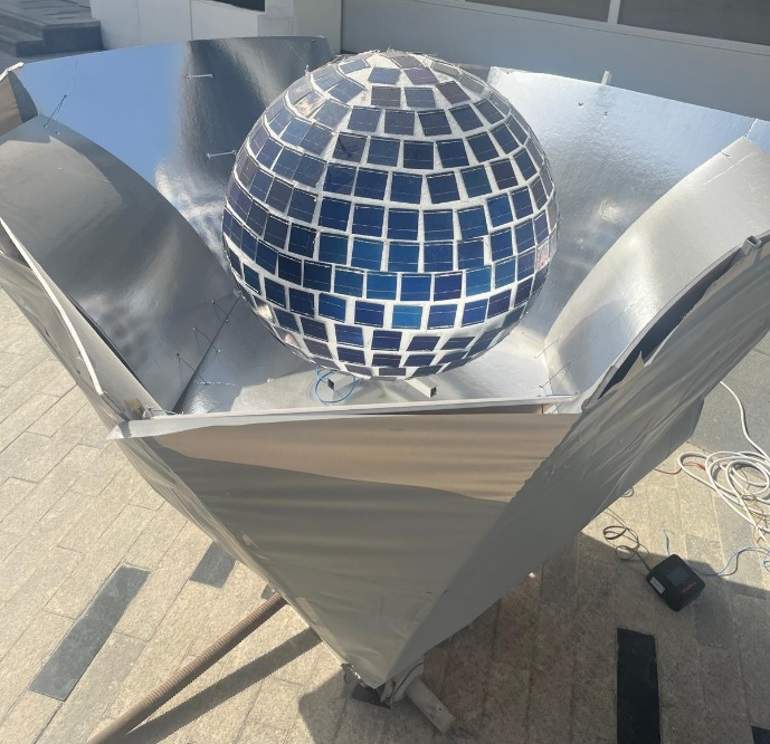
Unlike conventional flat modules, which have only a single dominant surface orientation, the spherical structure distributes photovoltaic cells across a continuous range of tilt angles and azimuths; compared with non-planar configurations such as cylindrical or conical designs, a sphere has no preferred azimuthal direction, allowing it to capture solar radiation as the sun's position changes throughout the day without mechanical tracking. The key innovation is a hemispherical bowl-shaped reflector, which redirects otherwise unusable incident radiation to different regions of the spherical surface. Simulations showed that adding the reflector can increase energy output by approximately 71% compared with the same spherical configuration without the reflector. The research team also developed a geometry-sensitive performance modeling framework to evaluate direction-dependent irradiance on the spherical surface and convert it into temperature-corrected power generation.
Corresponding author Amith Khandakar told pv magazine that the core of this technology is integrating a fully spherical photovoltaic architecture, reflector-assisted irradiance capture, the aforementioned modeling framework, and an actually manufactured and outdoor-tested prototype into a unified framework. The research team believes that potential applications for this module include sites with suboptimal orientations and low solar elevation angles, building-integrated systems, mobile or orientation-constrained installations, and environments with limited cleaning access. The related paper, titled "Reflector-assisted spherical photovoltaic module for solar energy harvesting," was published in the journal Solar Energy.
The reflector-assisted spherical photovoltaic prototype uses 52 mm × 52 mm cells without commercial glass or full encapsulation; the cells are connected in series and mounted on an opaque polystyrene foam spherical core, with approximately 80% of the spherical surface covered by active cells and the remainder used for wiring, interconnections, and mechanical spacing. The optical design includes a polished aluminum hemispherical reflector that directs reflected light to the lower hemisphere without requiring additional photovoltaic cells. The reflector has an effective albedo of 0.95, a radial spacing of 0.40 meters, and a reflective area of approximately 3.07 square meters; the device's projected footprint on the ground is estimated at 1.74 square meters.
Using an ESP32-based monitoring system, the team conducted a nine-day proof-of-concept experiment outdoors, recording voltage, current, power, surface temperature, and environmental parameters, and comparing them with a reference flat panel (configured at a fixed tilt of 25° facing south, with test conditions referencing Doha, Qatar). During the test period, the spherical system generated 183.17 watt-hours of electricity under outdoor conditions differing from standard test conditions (STC), with electrical responses clearly varying with irradiance; after nine days without cleaning, the spherical prototype retained approximately 92% of its initial output, which the research team suggested may indicate soiling resistance, though no quantitative dust measurements were performed. The measured curves followed expected diurnal solar availability trends, providing experimental support for the qualitative behavior predicted by the geometry-sensitive model; surface temperature observations obtained through infrared recording are presented only as indicative thermal trends and are not considered evidence of confirmed thermal advantages.
Simulation results showed that from June to August 2025, the reflector-assisted sphere generated 113.0 kWh per module, compared with 105.3 kWh per module for the flat reference module, an increase of 7.3%. However, subsequent optimized annual simulations reversed this advantage: the reflector-assisted sphere produced 405.5 kWh per module annually, while the flat reference produced approximately 425.0 kWh per year; the sphere outperformed the flat reference in only 4 of 12 months, indicating that the design's primary advantage is broader directional response rather than consistently higher annual energy yield.
Under preliminary economic assumptions, the levelized cost of energy (LCOE) for the spherical system was estimated at $0.0424/kWh, compared with $0.0320/kWh for the flat reference, approximately 32.5% higher. Overall, this study establishes outdoor operability and the optical advantages of the reflector, but has not yet demonstrated superiority in annual energy yield, thermal performance, soiling resistance, or economics. The team concluded that the current work establishes a practical prototype-scale foundation for the development of spherical photovoltaics and identifies key design improvements needed for future optimization, including protective encapsulation, calibrated irradiance measurements, quantitative soiling assessment, durability testing, and longer-term outdoor validation.
Related Products
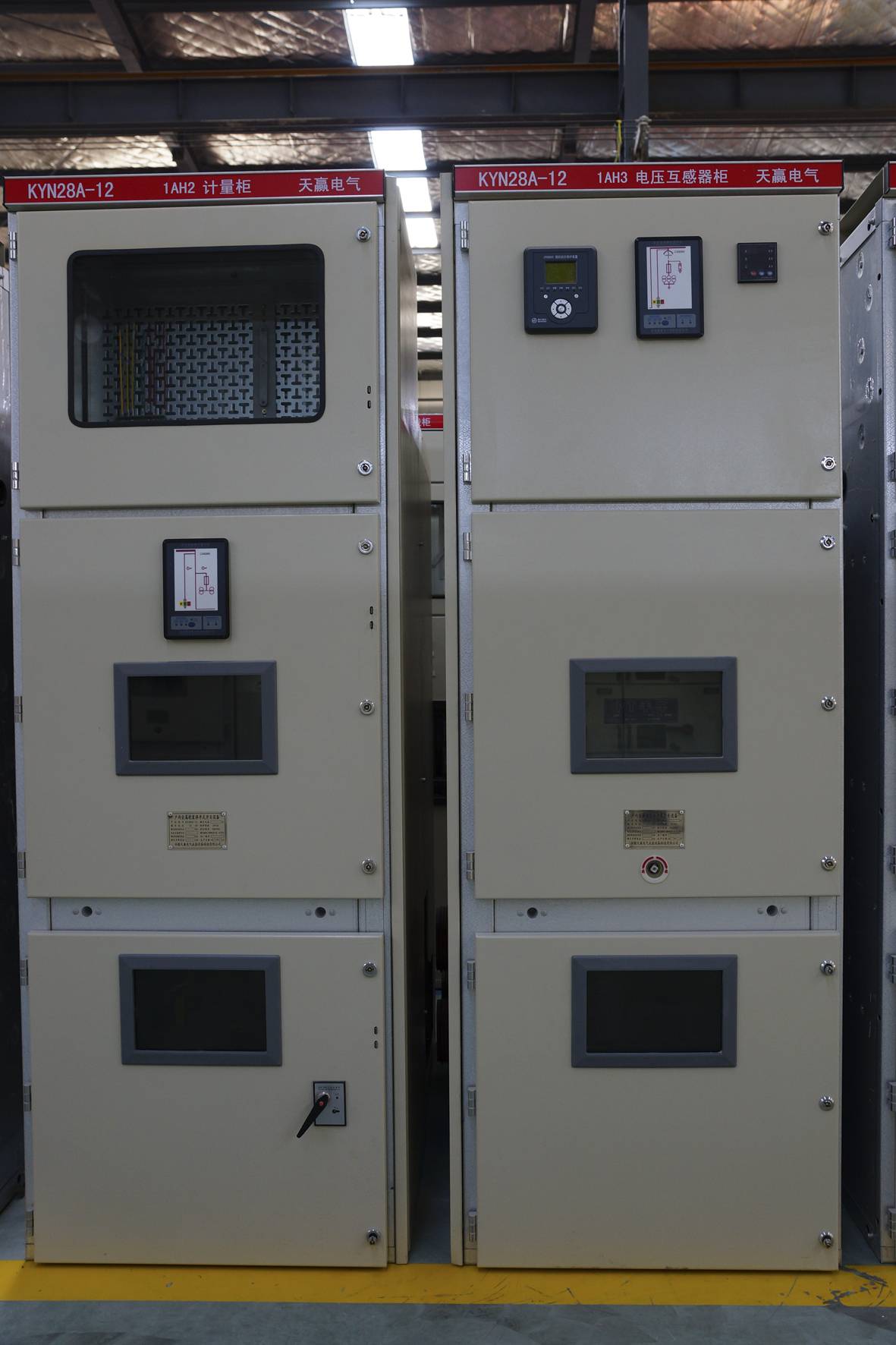

KYN28 - High Voltage Switchgear
Anhui Tianying Electrical Equipment Manufacturing Co., Ltd.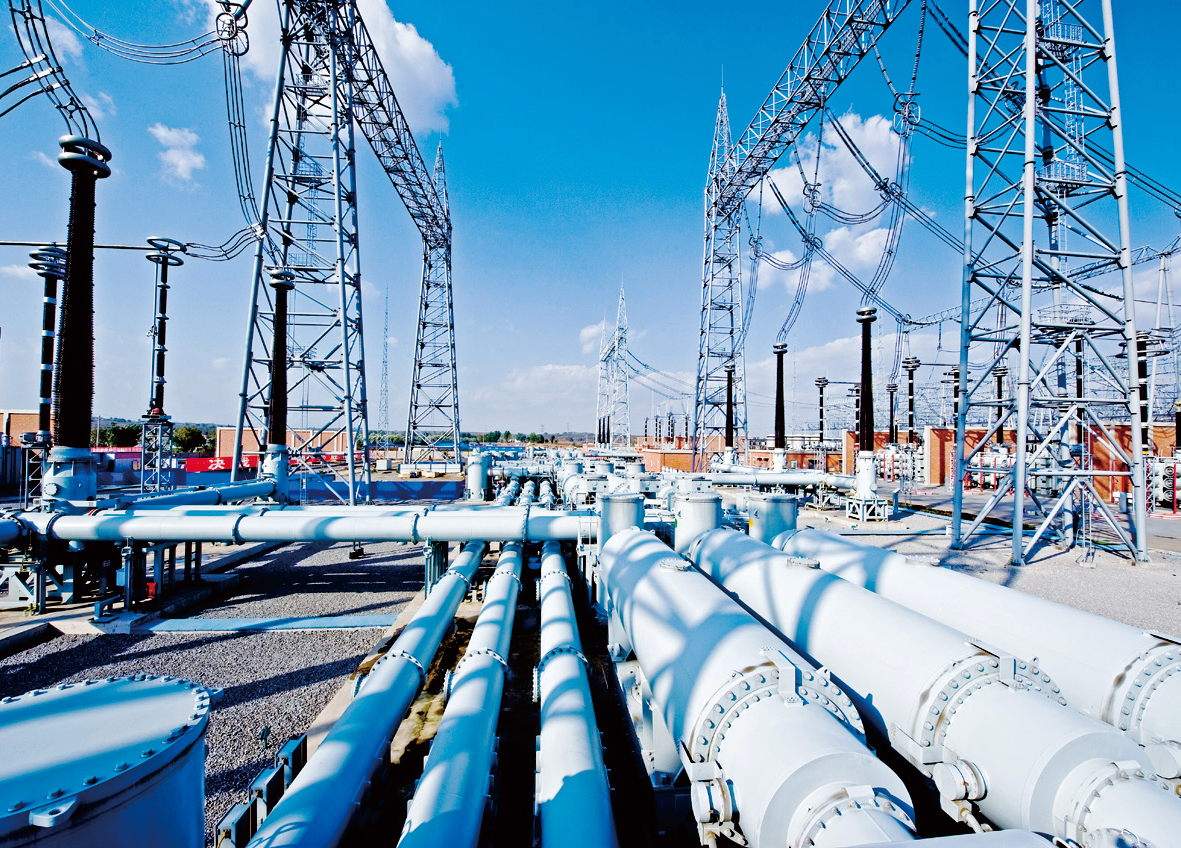
40.5kV-1100kV Gas Insulated Metal-Enclosed Switchgear (GIS)
Henan Pinggao Electric Co., Ltd.
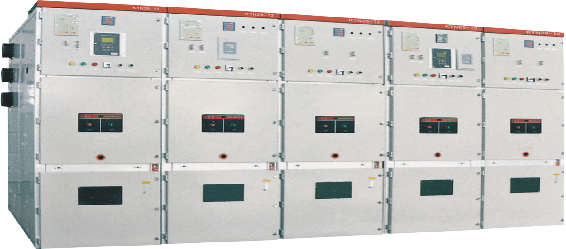
KYN28-12/24 Indoor High-Voltage Metal-Clad Removable Switchgear
Shenzhen Zhaoyang Hui Technology Co., Ltd.
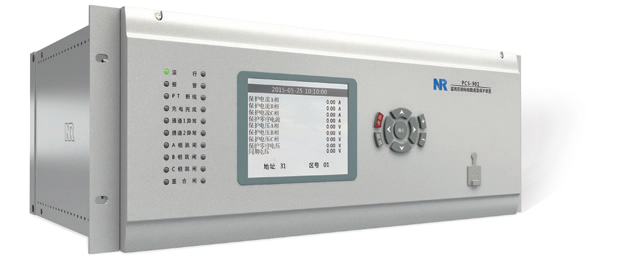
PCS-901 Series Ultra (Extra) High-voltage Transmission Line Complete Protection Device
Nanjing NR Electric Co., Ltd.
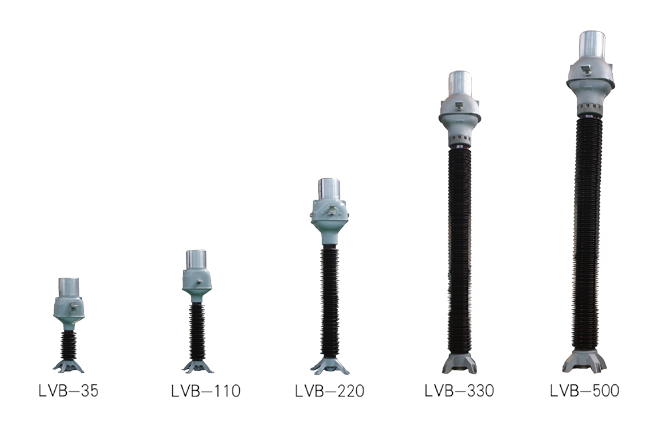
LVB Series 35-500kV Oil-immersed Inverted Current Transformer
Shandong TaiKai Instrument Transformer Co., Ltd.