India Unveils Nuclear Power Roadmap: 100 GW Target by 2047
en.Wedoany.com Reported - On August 12, the Indian government submitted a written reply to the Lok Sabha in New Delhi, unveiling a roadmap for building a self-reliant, globally competitive nuclear energy industry system. India plans to increase its nuclear power installed capacity from the current approximately 8.78 GW to 22.38 GW by fiscal year 2031–2032, and reach 100 GW by 2047.
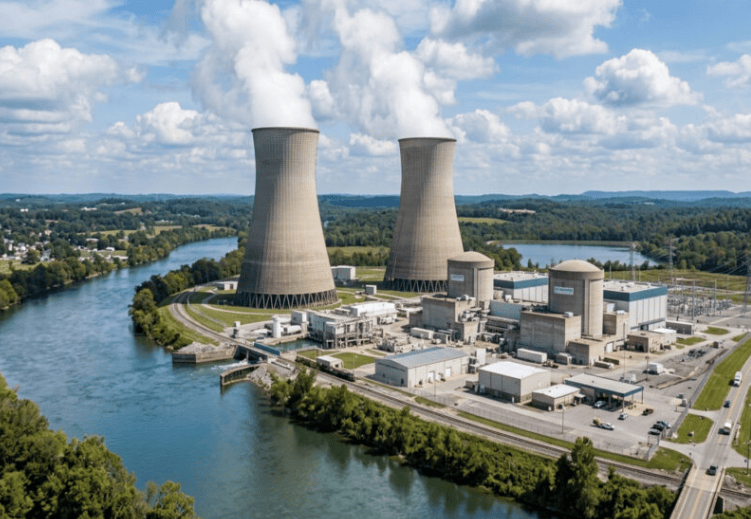
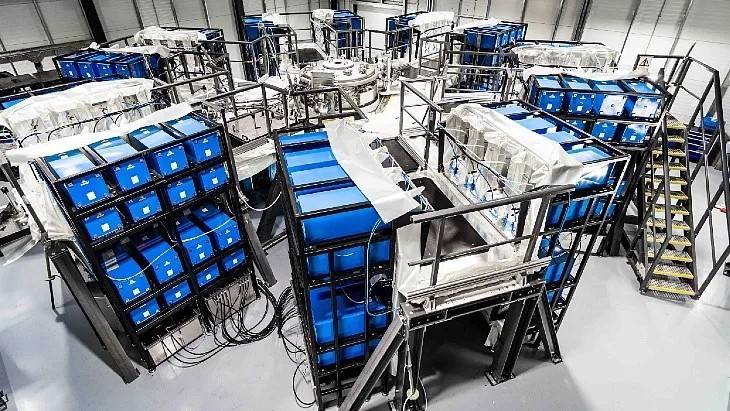
The roadmap adopts a parallel model combining large nuclear power units and small modular reactors: deploying 700 MW-class domestically developed pressurized heavy water reactors and advanced reactors at new sites, and deploying small modular reactors at existing power plants, decommissioned fossil energy stations, and industrial parks to provide captive power for energy-intensive industries such as steel, aluminum, and chemicals, as well as covering remote areas and off-grid scenarios.
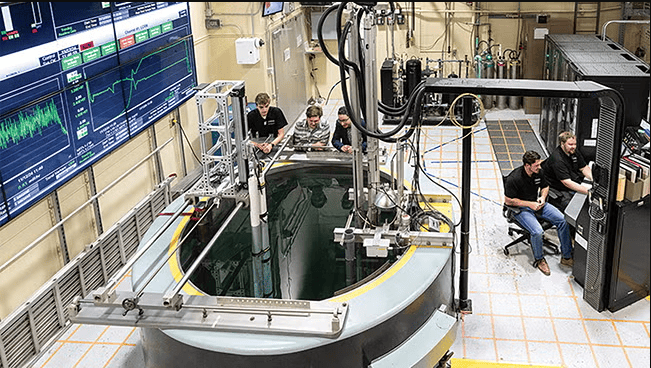
India's Nuclear Energy Mission plans to invest ₹200 billion, with a target of building and commissioning at least five domestically developed small modular reactors by 2033. The Bhabha Atomic Research Centre is developing the 220 MW BSMR-200, the 55 MW SMR-55, and a high-temperature gas-cooled reactor with a thermal power output not exceeding 5 MW, the latter primarily for thermochemical hydrogen production. The BSMR-200 and SMR-55 are planned for Tarapur, Maharashtra, while the high-temperature gas-cooled reactor is slated for Visakhapatnam.
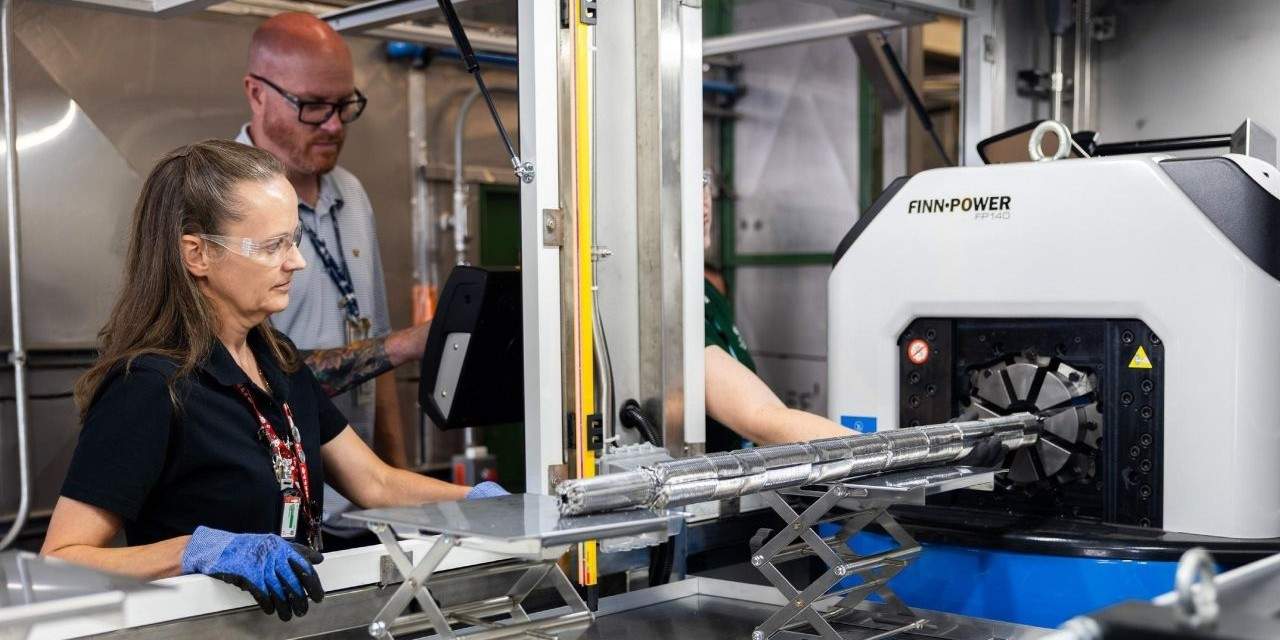
India is also opening up nuclear manufacturing and engineering services to state-owned enterprises, private companies, and joint venture platforms, with industry participation covering reactor equipment manufacturing, engineering design, R&D, the nuclear fuel cycle, and supporting supply chains. Currently, key components such as low-alloy steel forgings for reactor pressure vessels and reactivity control drive mechanisms have achieved domestic manufacturing.
The technical roadmap continues to follow the three-stage nuclear power program based on "uranium–plutonium–thorium": the first stage uses natural uranium pressurized heavy water reactors to produce plutonium, the second stage expands fissile material reserves through fast breeder reactors, and the third stage utilizes thorium conversion to obtain uranium-233. The 500 MW Prototype Fast Breeder Reactor at Kalpakkam achieved first criticality in April 2026, providing the engineering foundation for the second stage.
Related Products
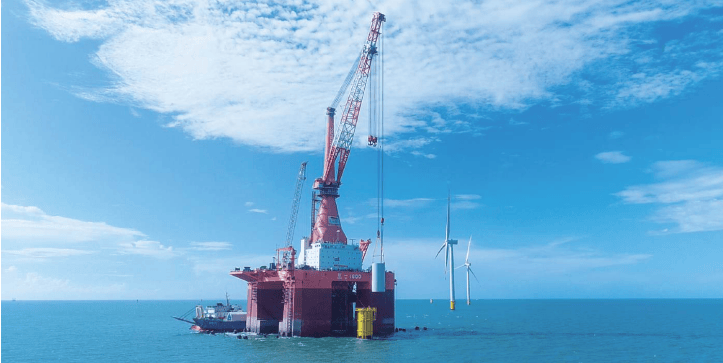

"Shunyi 1600" Deep-submerging Bottom-sitting Multi-functional Wind Power Engineering Vessel
Zhengli Offshore Engineering Co., Ltd.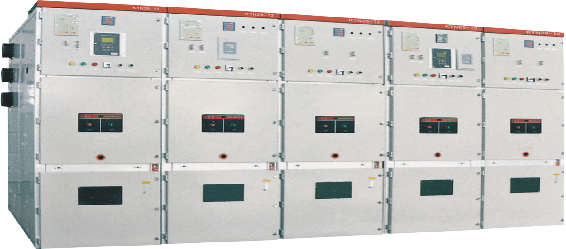
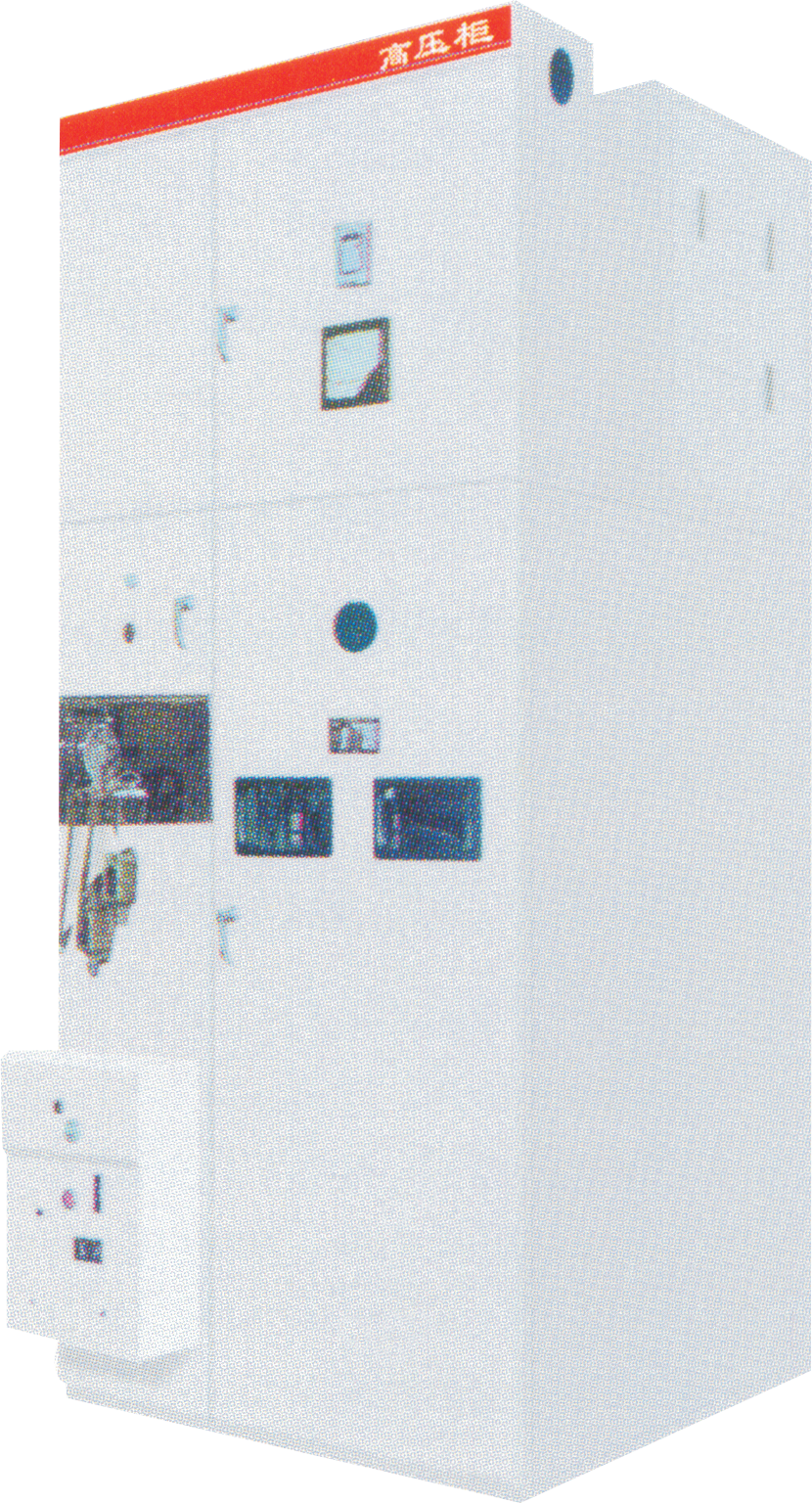
KYN28-12/24 Indoor High-Voltage Metal-Clad Removable Switchgear
Shenzhen Zhaoyang Hui Technology Co., Ltd.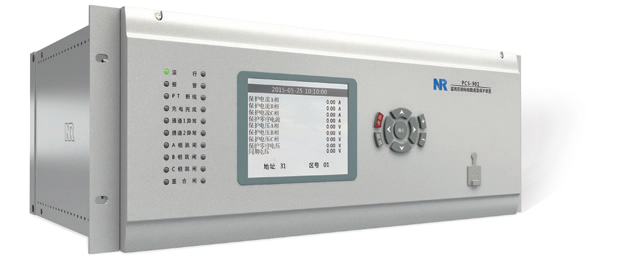
PCS-901 Series Ultra (Extra) High-voltage Transmission Line Complete Protection Device
Nanjing NR Electric Co., Ltd.
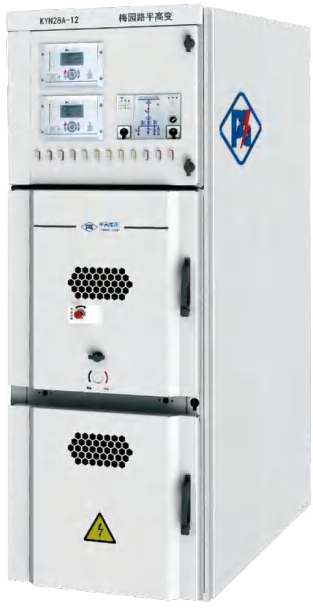
KYN28A-12 Metal Armored Removable Switchgear
Tianjin Ping Gao Intelligent Electric Co., Ltd.
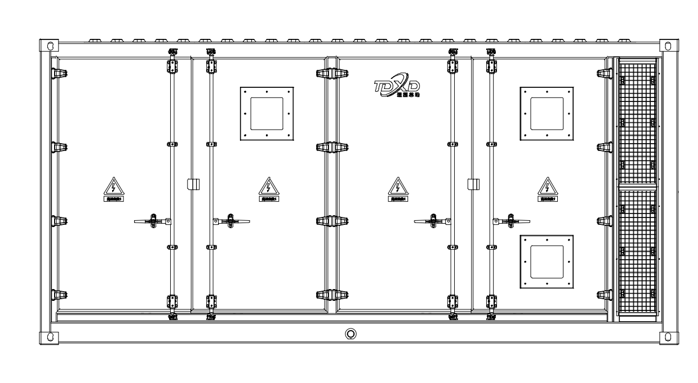
5012kWh DC Energy Storage System TD-EES-5012kWh
Suzhou Tongding Xindong Energy Storage Technology Co., Ltd.
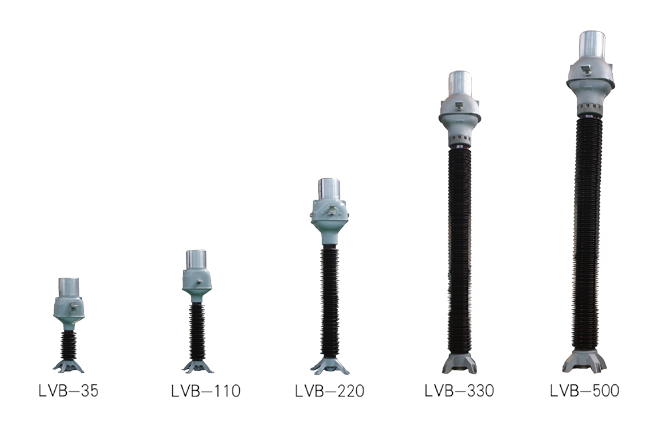
LVB Series 35-500kV Oil-immersed Inverted Current Transformer
Shandong TaiKai Instrument Transformer Co., Ltd.
Jiujiang Pinggang 125MW Subcritical Gas Power Generation Project
Capital Engineering & Research Incorporation Limited