Idaho National Laboratory and MIT Reveal Porosity Distribution in U-10Zr Fuel
en.Wedoany.com Reported - Idaho National Laboratory and the Massachusetts Institute of Technology have jointly completed a three-dimensional study of the radial regions of irradiated U-10Zr (uranium-10% zirconium alloy) fuel, revealing the material's swelling behavior, heat transfer characteristics, and interaction mechanisms with the fuel cladding after in-reactor operation. The U-10Zr alloy was widely used in fuel testing for historical sodium-cooled fast reactors and is currently considered a candidate fuel material for next-generation advanced reactors.
According to MIT, the research samples were taken from fuel previously used in the Fast Flux Test Facility (FFTF) reactor. That reactor operated at the Hanford Site in Washington State from 1982 to 1992. The experiments were conducted at Brookhaven National Laboratory, where the team employed high-energy synchrotron X-ray computed tomography to analyze the pore networks formed under irradiation and the resulting fuel chemical changes.
MIT Professor Ericmoore Jossou stated that this research enables more accurate simulations of pore distribution in the fuel while deepening understanding of the role of pores, which can support the design of safe operation for metallic reactor fuels. In an earlier study published in 2020, a Purdue University team conducted the first three-dimensional characterization of irradiated U-10Zr, examining tiny samples extracted from FFTF fuel pins and determining that 7.2% of the fuel sample's volume consisted of pores, while also identifying three uranium-phase regions: uranium-depleted, intermediate, and uranium-enriched.
In this new study, samples were taken at multiple locations across the entire fuel cross-section, with four regions of varying zirconium content selected for analysis. The researchers bombarded the samples with high-energy X-rays and observed the resulting interactions, reconstructing the internal pore networks of the fuel in three dimensions and clarifying the evolution of porosity, chemical composition, and fuel-cladding interaction along the fuel's radial direction.
According to MIT, the results show that porosity increases moderately from the fuel center toward the edge, while in the fuel edge region near the cladding, pore density exhibits a jump of more than two orders of magnitude. Characterization of pore size and shape indicates that small pores in the central region extend outward, progressively forming large pore networks directed toward the fuel edge.
Jossou explained that fission products, including gases and lanthanides, migrate to the cladding and react with it, causing cladding embrittlement and damaging the fuel system, and that pore networks facilitate this process. However, the study also shows that under high-temperature conditions, pores can serve as flow channels for liquid sodium, improving heat transfer; interconnected pores can also act as release pathways for fission gases, alleviating internal stress within the fuel matrix.
MIT Postdoctoral Fellow Anthony Harrup noted that in current models, pores are simplified as spheres, but the actual situation is far more complex, especially when large numbers of pores coalesce; this phenomenon occurs along the entire direction from the fuel center to the cladding, which explains the specific reactions observed in the cladding and the presence of cladding chemical species found in the fuel.
The researchers believe that pore quantity and distribution are important factors in understanding fuel performance and lifetime. Differences exist between experimental observations and existing models of pore formation and fuel system swelling, and this discrepancy information is expected to drive improvements in simulation methods, thereby supporting the extension of reactor operating lifetimes.
Harrup stated that through advanced computational imaging methods, this study correlates local chemical environments with pore formation, revealing the influence of uranium-enriched or zirconium-enriched environments on pore morphology and channel structures—a phenomenon not previously reported. Oxford University Professor Dong Liu (not involved in this study) commented that the work links three-dimensional porosity to fuel thermal performance, calling the results impressive. Idaho National Laboratory researcher Tiankai Yao stated that directly observing pore connectivity and fuel-cladding interaction in three dimensions provides important references for improving the performance of advanced metallic fuels for sodium-cooled fast reactors.
Related Products


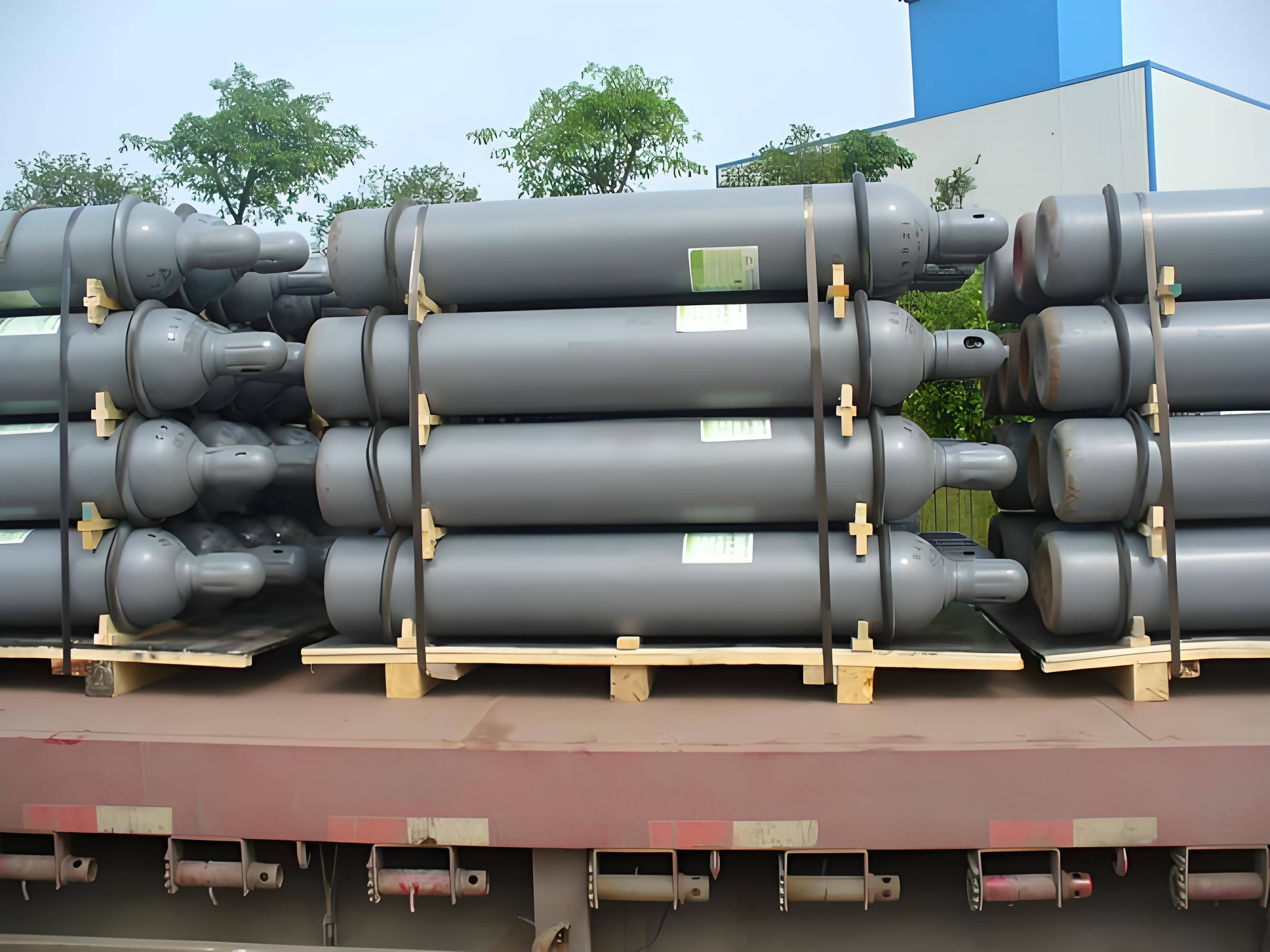
Global Sulfur Hexafluoride Gas Supply and Cylinder Export
Foshan Yuexin Industrial Gas Co., Ltd.
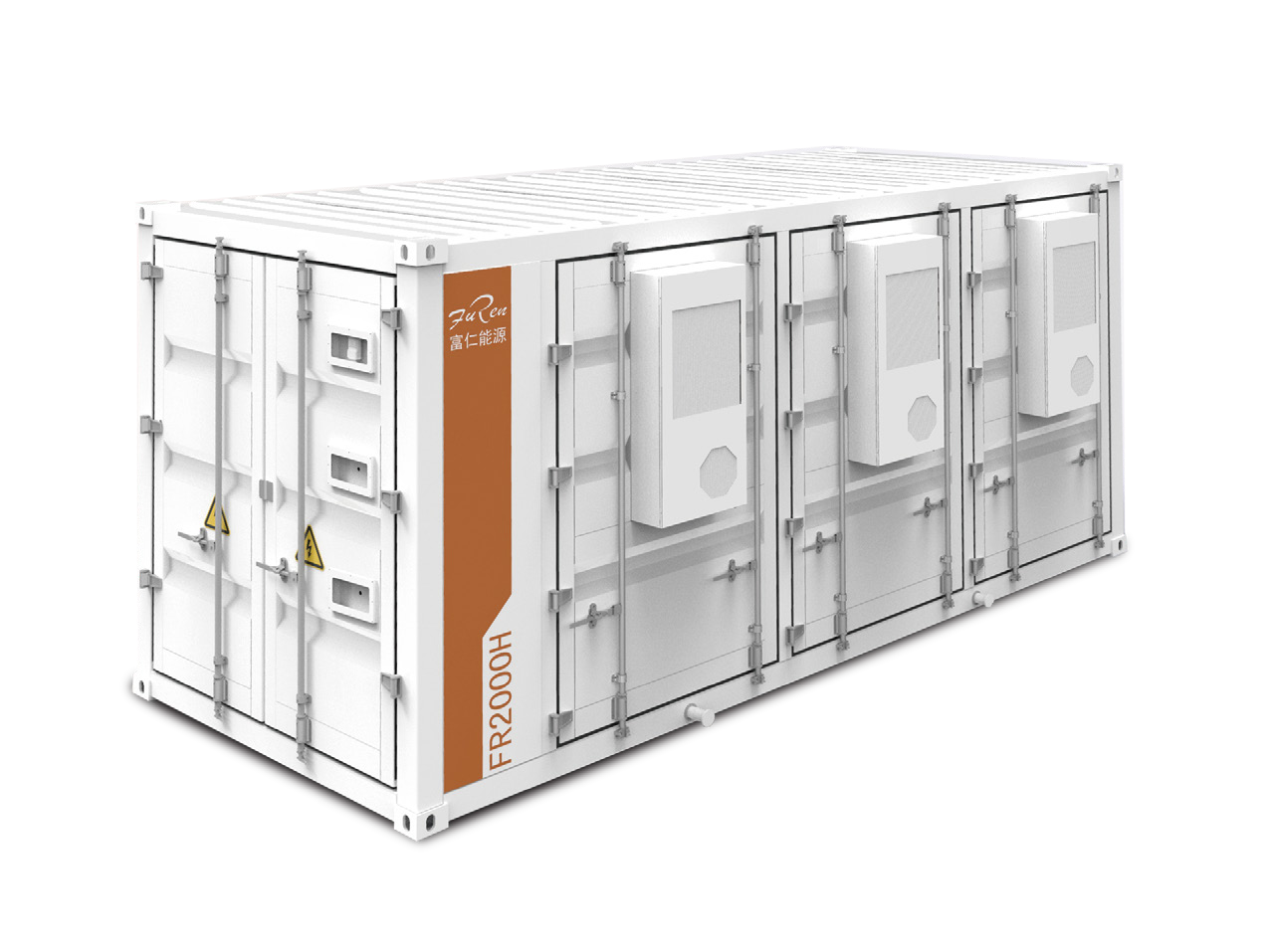
FR2000H 2.15MWh (Air-cooled) 20-foot Containerized Energy Storage System
Jiangyin Furen High-tech Co., Ltd.
714CD Series C-Band Weather Radar
Chengdu Zhongdian Jinjiang Information Industry Co., Ltd.
40.5kV-1100kV Gas Insulated Metal-Enclosed Switchgear (GIS)
Henan Pinggao Electric Co., Ltd.