China and Other Nations' Teams Simulate 1,708 Photovoltaic Waste Recycling Scenarios
en.Wedoany.com Reported - An international research team has developed a comprehensive assessment framework to compare the economic benefits and climate impacts of local versus outsourced recycling of photovoltaic waste. The study covers major recycling technologies, 32 regions, multiple waste trade configurations, and subsidy schemes, evaluating a total of 1,708 recycling scenarios. The findings were published in the journal Nature.
Jian Zuo, the paper's first author, explained that the focus of this research is not on how much photovoltaic waste will be generated, but on how this waste should be managed among regions with markedly different technological and economic conditions. The research team developed a global integrated framework linking material supply constraints, future photovoltaic deployment, and waste generation with region-specific recycling technology pathways, interregional waste flows, and public policy interventions. The framework simultaneously examines the economic and climate benefits of photovoltaic recycling and focuses on the distribution of these benefits across regions.
The researchers first simulated future prices for copper, aluminum, silver, and silicon, and incorporated these projections into the Global Change Analysis Model (GCAM) to estimate photovoltaic deployment scales under different socioeconomic and climate trajectories. The resulting capacity projections were used in dynamic material flow analysis to calculate the total amount of end-of-life photovoltaic waste by 2060. Subsequently, the team combined life cycle assessment with life cycle cost analysis to evaluate the climate and economic impacts of recycling under different technology pathways, waste trade agreements, and subsidy schemes.
The 1,708 scenarios encompass multiple combinations of assumptions regarding future photovoltaic facility decommissioning, recycling technologies, international waste trade, and subsidy policies. Technology pathways include four categories: business-as-usual (BAU), economic priority, carbon priority, and technology diffusion; trade scenarios cover local recycling, extended producer responsibility (EPR)-oriented trade, global trade expansion, and regional trade. Subsidy schemes include five options: no subsidy, sustained subsidy, declining subsidy, low carbon price support, and high carbon price support, with each combination assessed across 28 photovoltaic decommissioning scenarios to compare their impacts on recycling economics, climate benefits, and regional inequality.
Under supply-side material constraints, the framework projects global photovoltaic waste will reach 297 to 402 million metric tons by 2060, with middle-income regions such as China becoming major contributors after 2040. Despite clear expectations of technological progress, global photovoltaic waste recycling is not expected to reach its break-even point for more than a decade. The study also identified a two-way effect: rising prices for materials such as silicon, silver, copper, and aluminum increase the value of recycled materials and enhance recycling profitability, but simultaneously raise the cost of new photovoltaic projects, slowing installation rates and ultimately reducing the total waste generated decades later.
The results show that combining region-specific recycling technologies with outsourced recycling strategies can yield the greatest global net benefits. This approach could reduce greenhouse gas emissions by up to 3.32 billion metric tons of carbon dioxide equivalent by 2060 and generate cumulative net benefits of $529.1 billion to $935.5 billion. However, Zuo noted that this process may concentrate recycling revenues and technological development in a relatively small number of regions, leading to a more unequal distribution of benefits. The study also found that a well-designed declining subsidy scheme—where subsidies are gradually phased out once recycling becomes economically viable—is more effective at reducing regional disparities than sustained subsidies, at only a fraction of the fiscal cost; subsidies tied to high carbon prices, by contrast, may exacerbate regional disparities, as regions with mature carbon markets and advanced recycling industries would receive disproportionately larger benefits.
The study, titled "Towards an equitable future of global photovoltaic waste recycling," was published in the journal Nature. Scientists from Shandong University, Huazhong University of Science and Technology, the University of Hong Kong, and Taiyuan University of Technology in China, the University of Adelaide in Australia, and Linköping University in Sweden jointly contributed to this work.
Related Products


Microcomputer Protection and Substation Automation
Beijing Agent Devote Power Technology Development Co., Ltd.

Oil-immersed Amorphous Alloy Core Distribution Transformer
Pinggao Group Smart Electric Co., Ltd.

PCS-901 Series Ultra (Extra) High-voltage Transmission Line Complete Protection Device
Nanjing NR Electric Co., Ltd.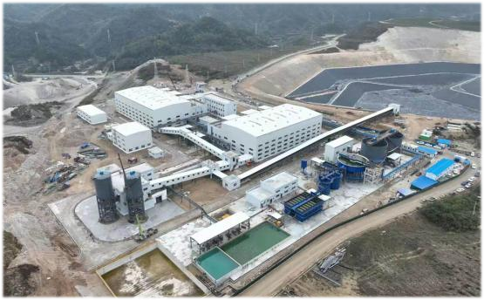
Yingping Mining Section Open-pit Tailings Backfill Treatment of Goaf Ecological Restoration EPC Project
China Bluestar Lehigh Engineering Corporation
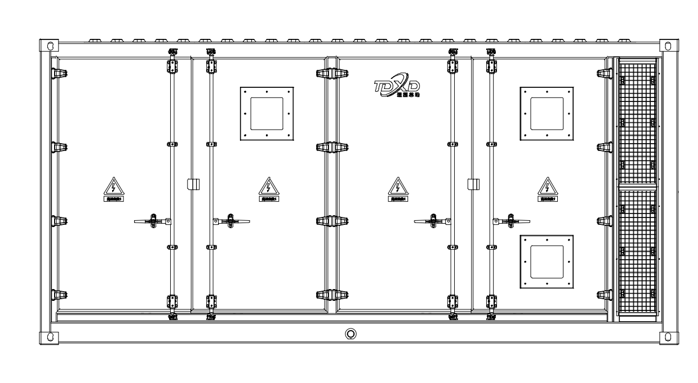
5012kWh DC Energy Storage System TD-EES-5012kWh
Suzhou Tongding Xindong Energy Storage Technology Co., Ltd.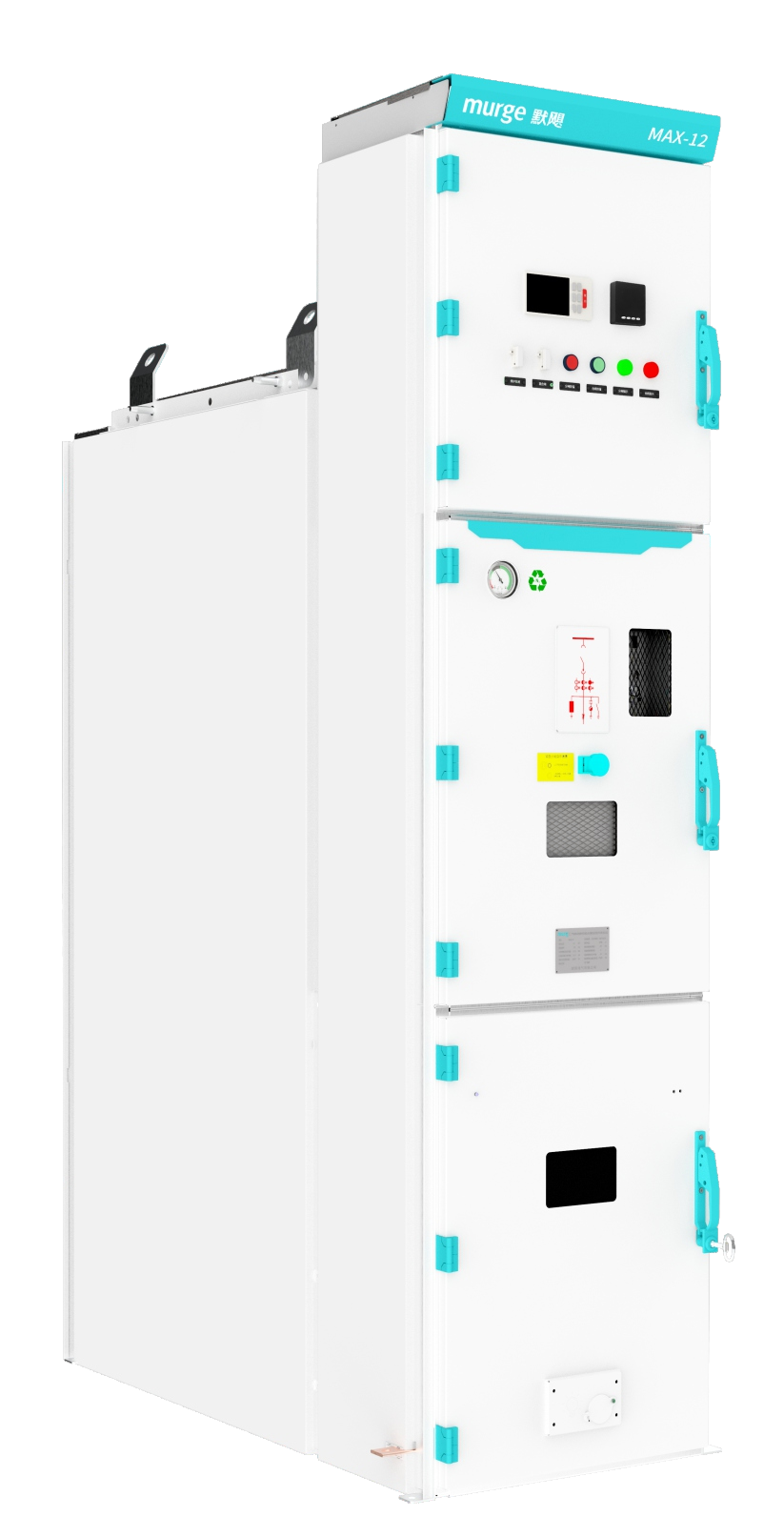
MAX-12 series Environmental Protection/SF6 gas insulated switchgear (C-GIS)
Murge Electric Co.,Ltd.