Evergreen Additive Completes LFAM Equipment Installation and Prints Four Vessels in 2026
en.Wedoany.com Reported - Evergreen Additive completed the installation and commissioning of its first LFAM system from CEAD Group (Delft, Netherlands) in early 2026, and in May of the same year signed an exclusive supply agreement with Airtech Advanced Materials Group (Springfield, Tennessee, USA). Subsequently, the company relocated its robotic printer to a gantry to expand manufacturing capacity and printed four vessels for Exercise Northern Strike.
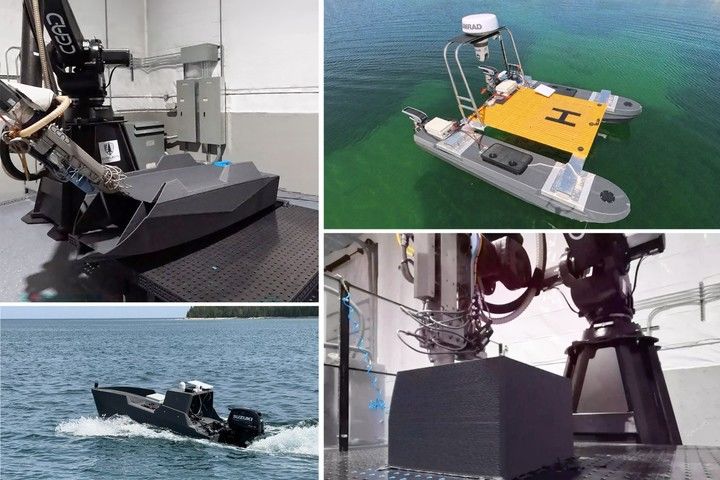
Based in Brunswick, Maine, Evergreen Additive was founded by research leaders from the Advanced Structures and Composites Center at the University of Maine (UMaine). The four co-founders previously led the development and testing of two 6-meter-long unmanned surface vessels (USVs) for the U.S. Office of Naval Research, demonstrating that large-format additive manufacturing (LFAM) can produce large composite structures faster and more efficiently while reducing reliance on scarce skilled labor. The company currently manufactures marine composite tooling and unmanned vessels, and provides engineering services designed for LFAM.
Its operations headquarters and manufacturing facility span 8,000 square feet, with an initial equipment investment of approximately $1 million, and plans to invest an additional $5 million over the next three years.
Under the agreement, Airtech supplies LFAM materials and technical support to Evergreen Additive, which uses Airtech products exclusively across all its LFAM projects. "Our business depends on high-quality materials with a predictable supply chain, which is why we partnered with Airtech," said CEO Kyle Warren.
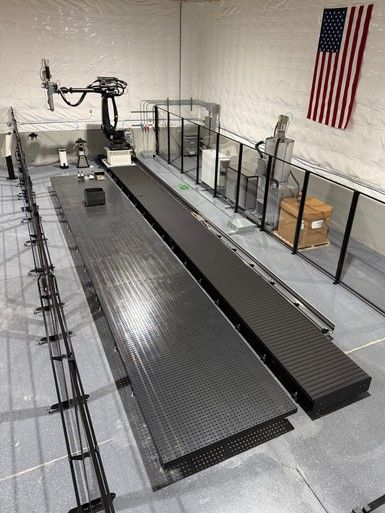
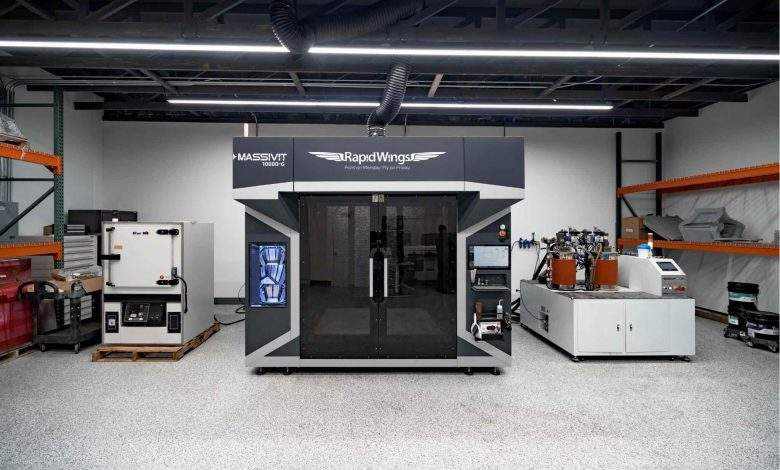
The Flexbot used by Evergreen Additive integrates additive and subtractive operations with a worktable measuring 2 × 12 meters. To prepare for Exercise Northern Strike—reportedly one of the largest multi-domain training exercises in the United States—the company printed four vessels, including a gas-powered monohull, an electric monohull, an electric catamaran, and a 6-foot-long target hull. The four vessels differ in hull form and mission profile but were all produced using the same robotic printing process. Warren noted that this series demonstrates how LFAM can scale in versatility rather than focusing on a single product. One hull was completed in a single day, highlighting the speed advantage of robotic printing over lengthy traditional composite processes and tooling lead times.
Evergreen Additive also built a composite catamaran for unmanned aircraft system (UAS) launch and recovery operations. The vessel features a 4 × 6-foot payload deck capable of accommodating rotary-wing and fixed-wing UAS, and was constructed within weeks without the use of tooling or molds.
Evergreen Additive targets two primary markets: first, marine tooling and manufacturing aids for shipbuilders, including patterns and direct-use molds for hulls, decks, and other large components, delivered 50–75% faster than traditional methods; and second, unmanned surface vessels for the U.S. Department of Defense (DOD). The company secured a $42,000 award through the Defense Innovation Unit's dual-use university accelerator program and received funding support from MTI for business innovation. Recently, the company signed a contract with the DOD to establish LFAM capabilities for maritime applications within Maine's defense industrial base.
Evergreen Additive plans to create at least 10–12 full-time jobs over the next five years while continuing to expand its capabilities.
Related Products

Strip Coating and Plating Production Line Equipment
MCC-SFRE HEAVY INDUSTRY EQUIPMENT CO., LTD.
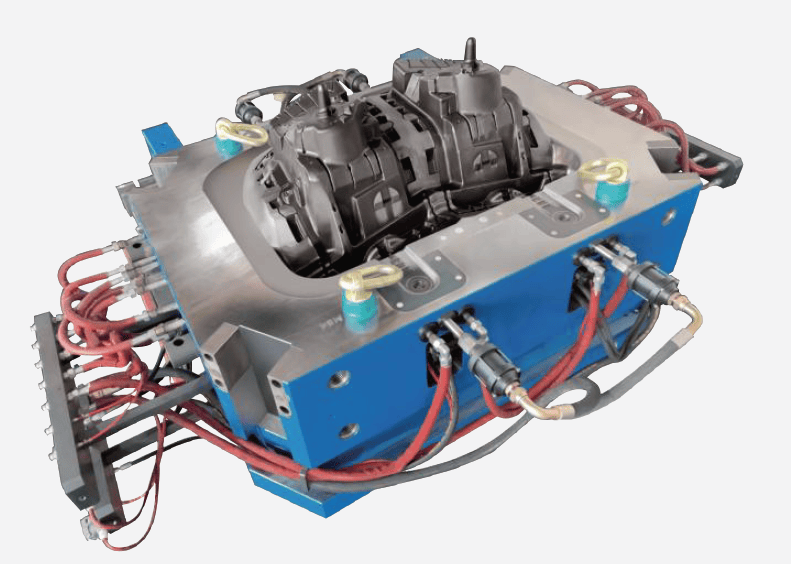
Aluminum-Magnesium Alloy High-Pressure Die-Casting Molds
NINGBO HELI TECHNOLOGY CO., LTD.
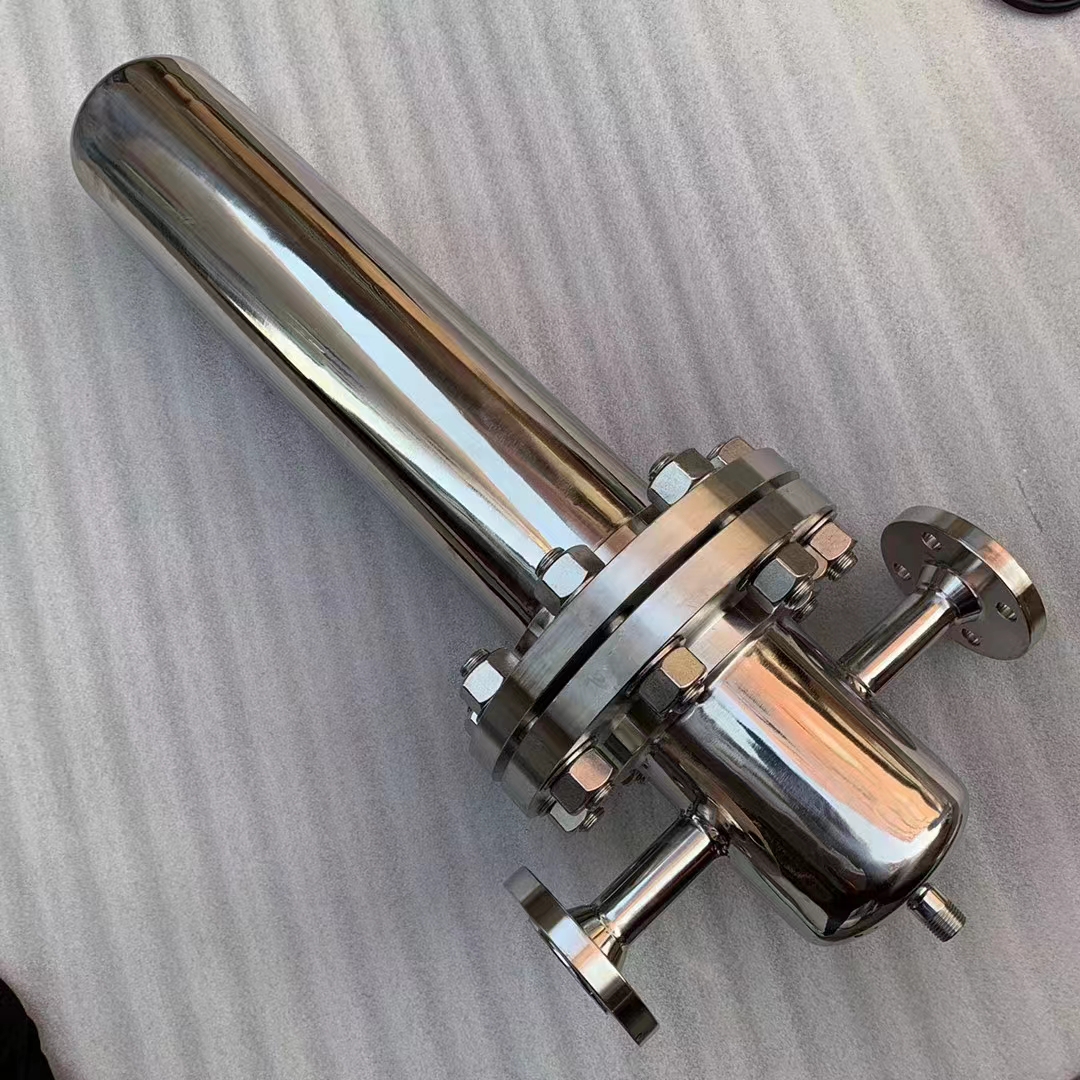

Industrial and Commercial Point-Type Gas Detector
Jinan Benan Technology Development Co., Ltd.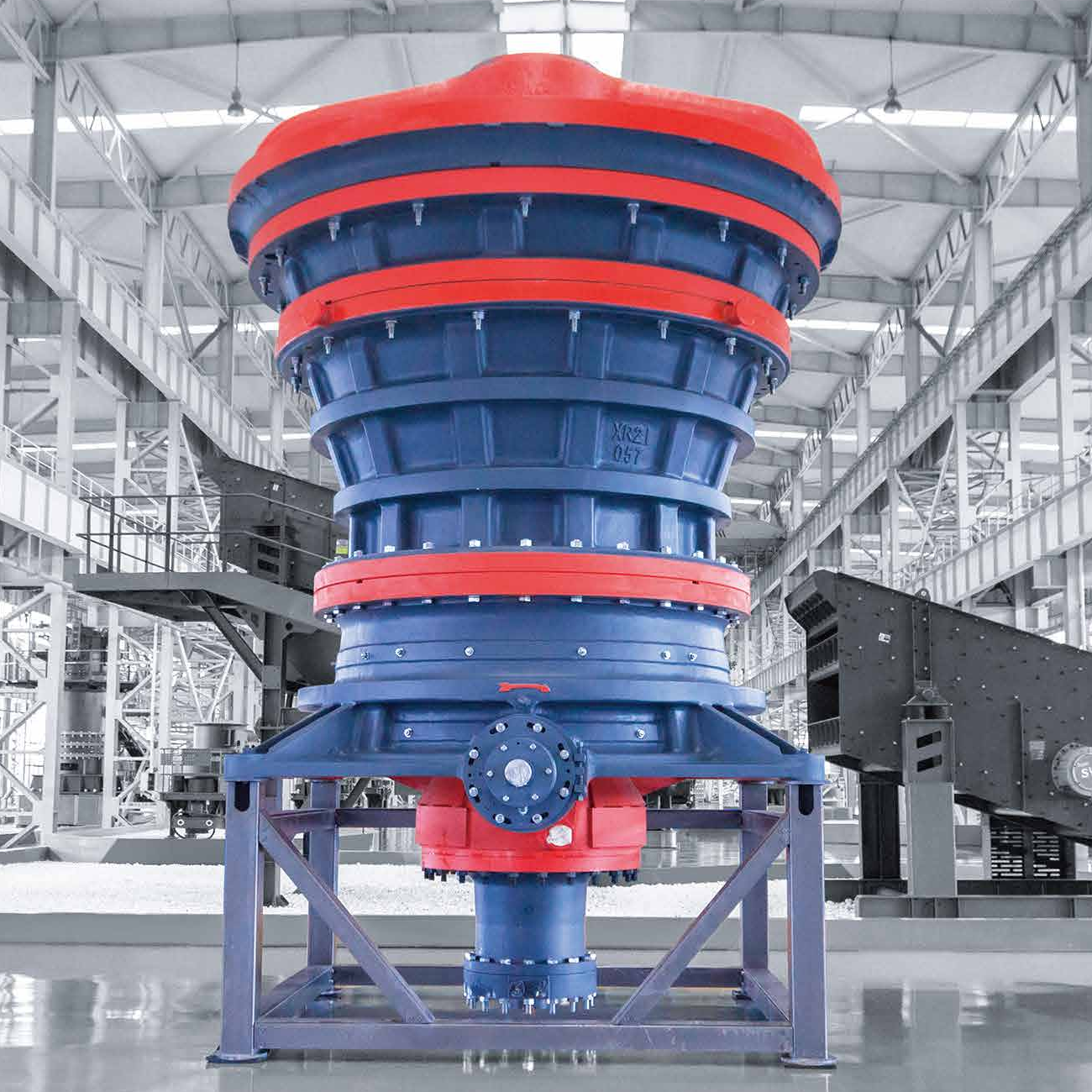
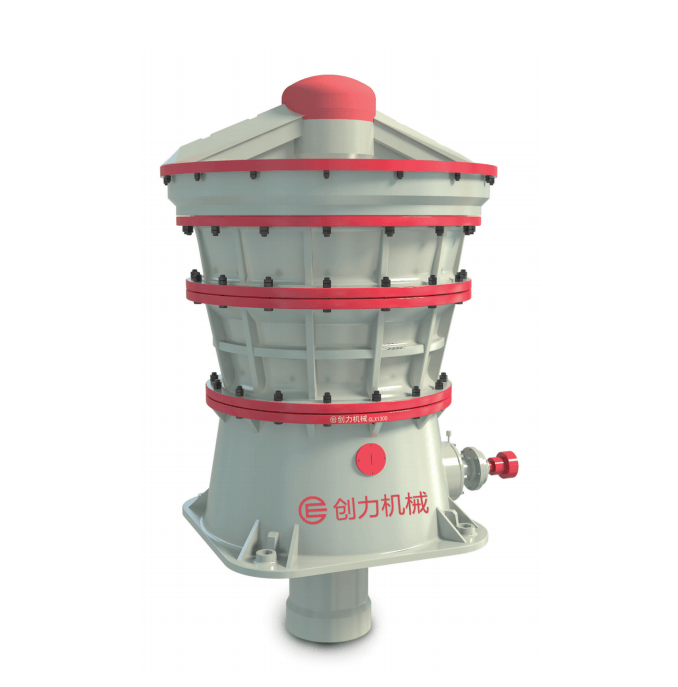
CLX Series Intelligent Hydraulic Gyratory Crusher
Guangdong CHUANGLI intelligent machinery Equipment Co., LTD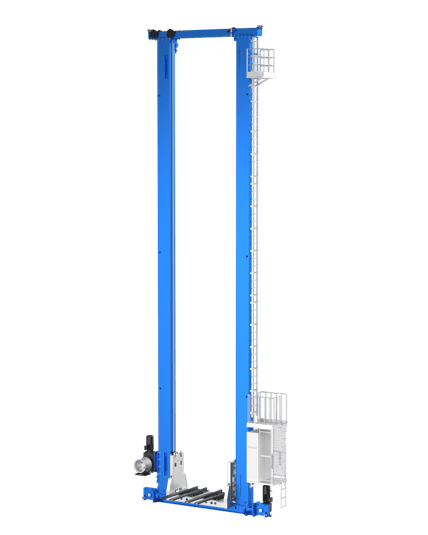
Pallet Solutions Product Line: HD3000 Double-Column Stacker Crane
Zhongding Intelligent (Wuxi) Technology Co., Ltd.