Spain Plans 2.27 GW of Public Charging Capacity by 2030, with 919 MW of New Port Shore Power
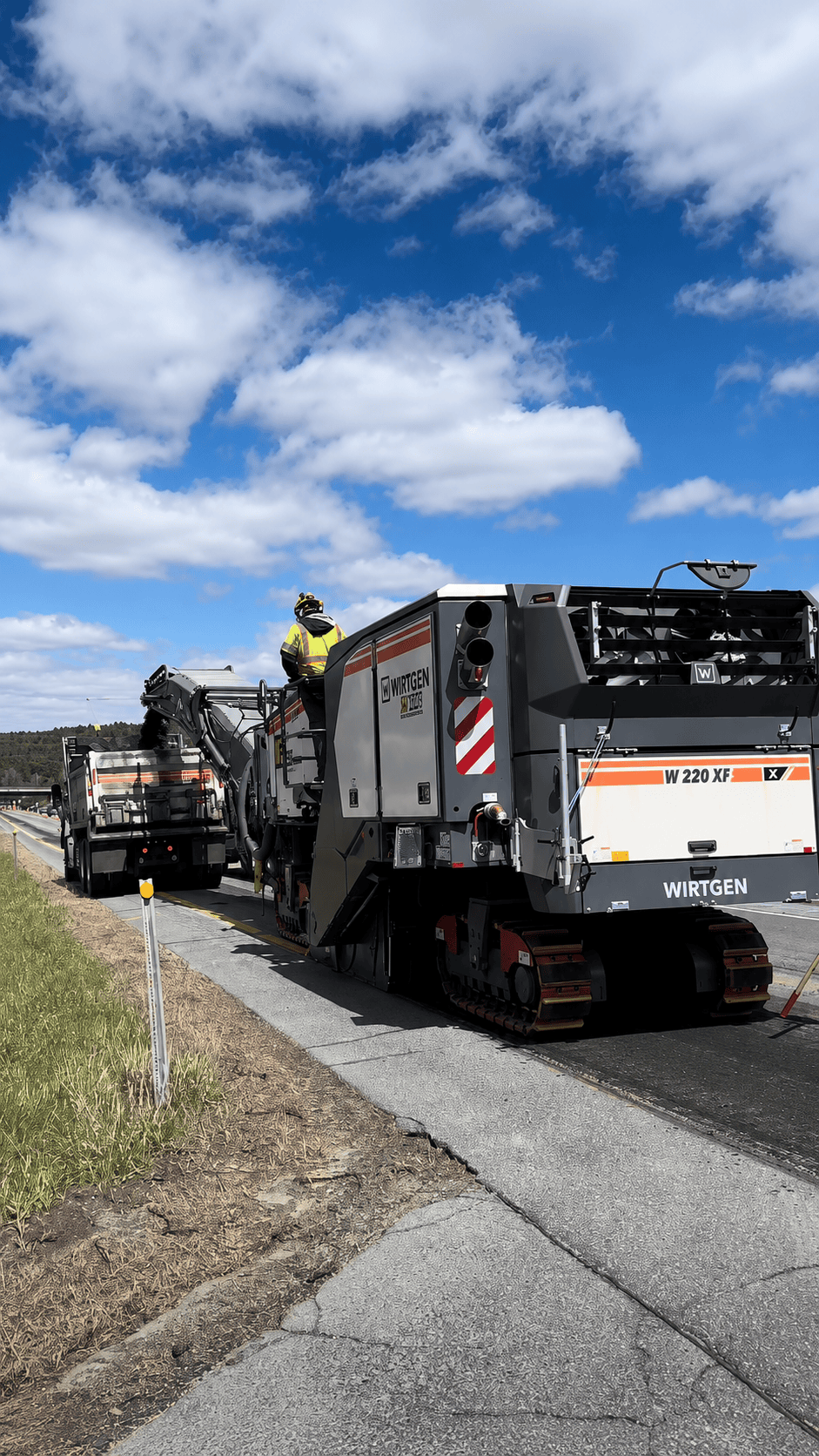
en.Wedoany.com Reported - On September 14, the Spanish government published a new version of the National Policy Framework for Alternative Fuels Infrastructure, planning to continue expanding alternative fuels infrastructure in the road, port, airport, and rail sectors through 2030. Among the targets, the total power of public electric vehicle charging facilities is set to reach approximately 2.27 GW, and the port shore power system is planned to add 919 MW. The document was jointly drafted by Spain's Ministry for Ecological Transition and the Demographic Challenge and the Ministry of Transport and Sustainable Mobility, and is currently in the public consultation stage, with the consultation period closing on October 2.
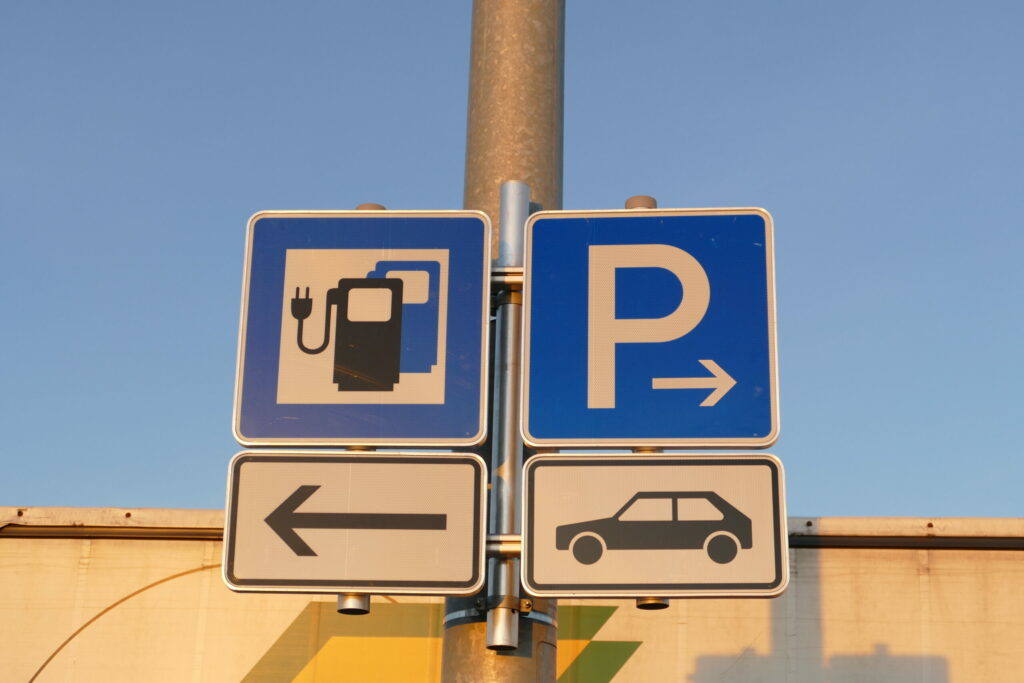
Spain currently has 42,318 public charging points, with a total rated power of approximately 2.269 million kW. The government's next phase of development will shift its focus from simply increasing the number of charging points to enhancing high-speed, high-power charging capacity, with priority coverage of major road corridors of the European trans-national transport network. The National Energy and Climate Plan also proposes that Spain's electrified vehicle fleet reach 5.5 million by 2030.
In terms of road charging infrastructure, the MOVES Corredores program has allocated 200 million euros in funding to support the construction of public charging facilities with a total power of no less than 300 kW. Gas stations with annual gasoline and diesel sales exceeding 10 million liters are required to have at least 400 kW of charging capacity, increasing to 600 kW from 2027 onward; non-residential parking lots with more than 20 spaces are required to provide at least one charging point per 40 spaces, while parking lots in buildings owned by the central government are required to provide one per 20 spaces.
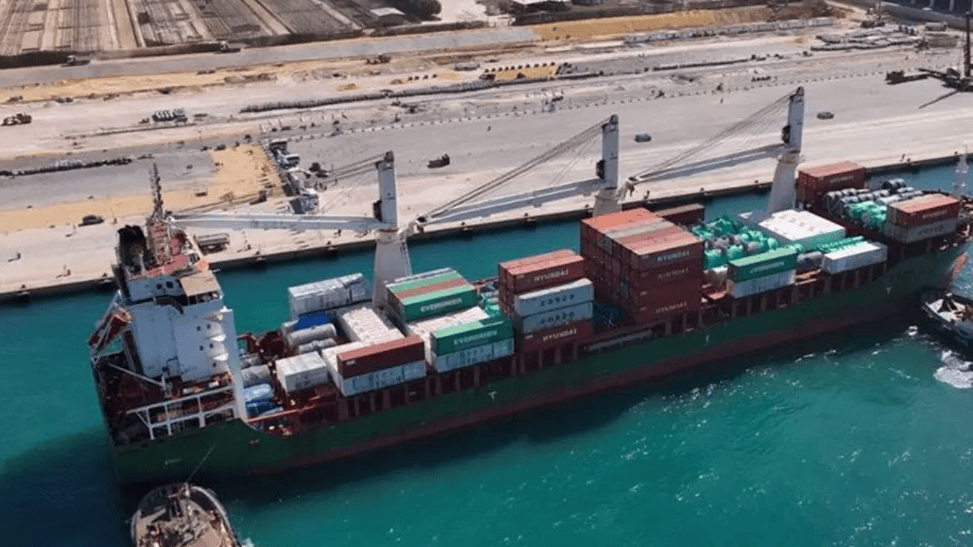
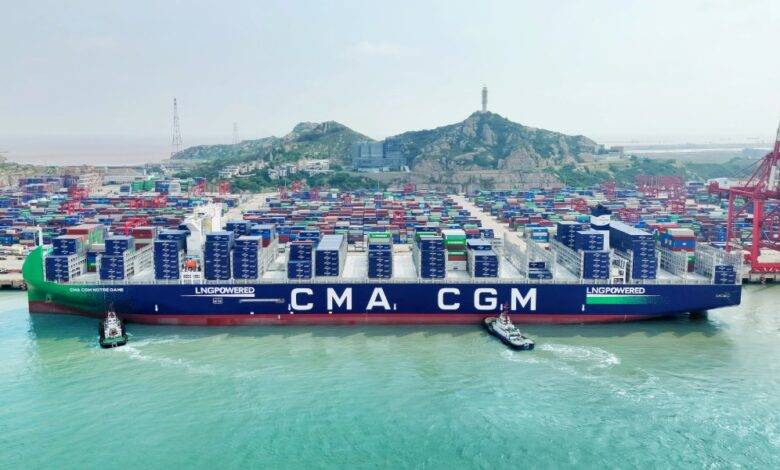
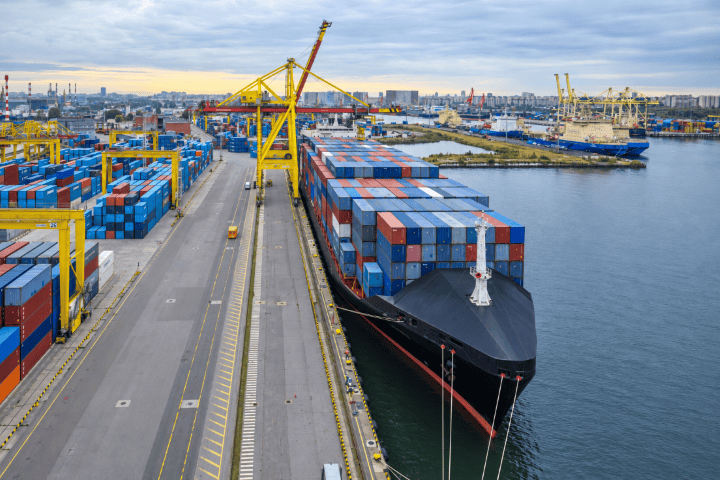
Ports are another major area of large-scale power infrastructure construction in this plan. The National Policy Framework identifies 26 ports that need to build shore power systems in accordance with the EU Alternative Fuels Infrastructure Regulation, planning to add 919 MW of shore power capacity by 2030 to meet at least 90% of the shore-side electricity demand of container ships and passenger ships of 5,000 gross tonnage and above. Spain's port system already had about 200 MW of related power facilities in 2024. During the planning period, including other port electricity demand, overall shore power and related power supply capacity needs to increase to approximately 1.1 GW.
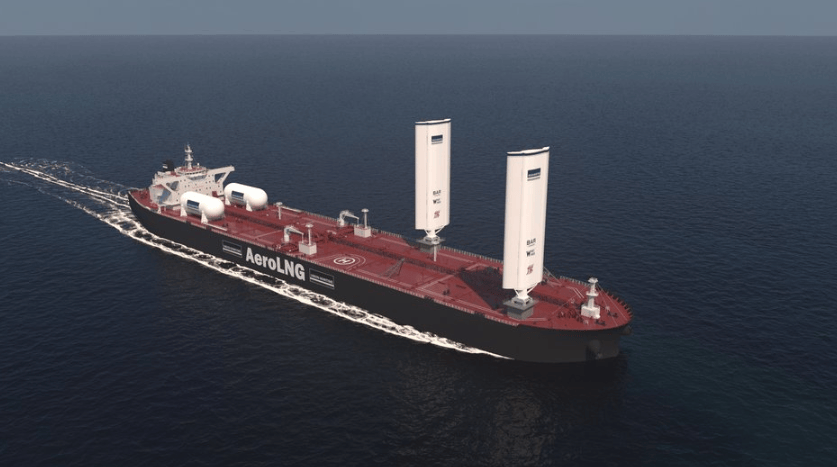
Spain's State Ports authority has allocated approximately 778.7 million euros in its 2025–2029 corporate investment plan for port electrification and alternative fuels infrastructure upgrades. In addition to shore power, the plan involves ship energy supply facilities such as green methanol, renewable ammonia, and advanced biofuels. The EU AFIR regulation requires member states to set out through national policy frameworks the 2030 development path for alternative fuels infrastructure in road, port, airport, and rail sectors, and to establish a 2027 interim milestone.
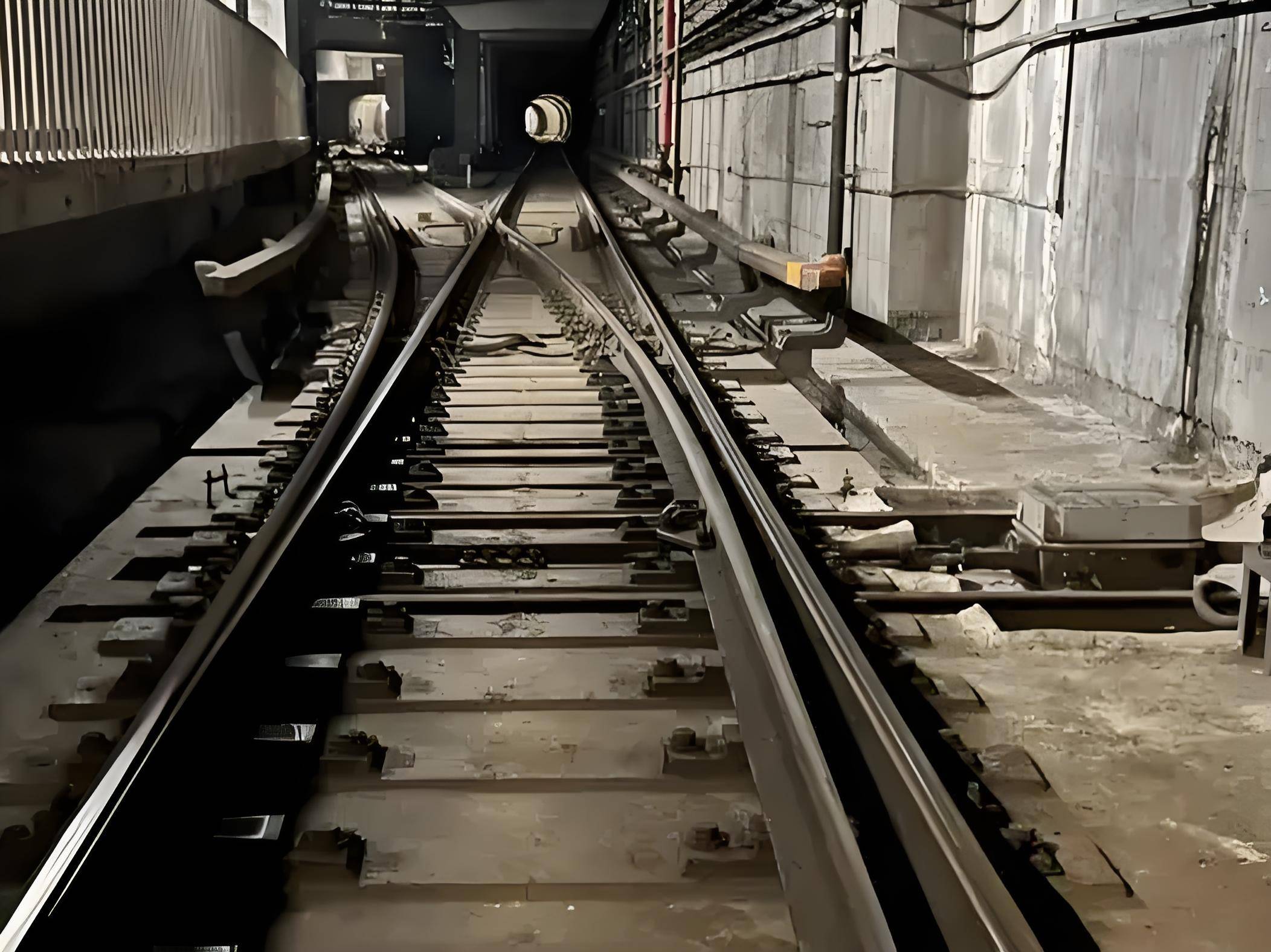
In the rail sector, approximately 67% of Spain's national rail infrastructure is currently electrified, while 5,175 km of lines still use diesel traction. The plan proposes adding approximately 1,700 km of rail electrification, raising the share of electrified lines to approximately 78%; for lines where traditional electrification is not economically feasible, the government is evaluating zero-emission options such as battery trains and hydrogen fuel trains. In the airport sector, fixed ground power supply facilities have already been installed at near-apron positions at airports in the European core and comprehensive transport networks, while remote apron positions are gradually replacing diesel ground power units with electric equipment or equipment using renewable fuels such as HVO.
Related Products




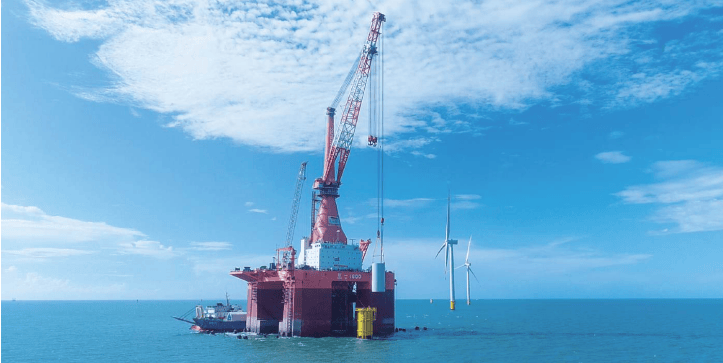
"Shunyi 1600" Deep-submerging Bottom-sitting Multi-functional Wind Power Engineering Vessel
Zhengli Offshore Engineering Co., Ltd.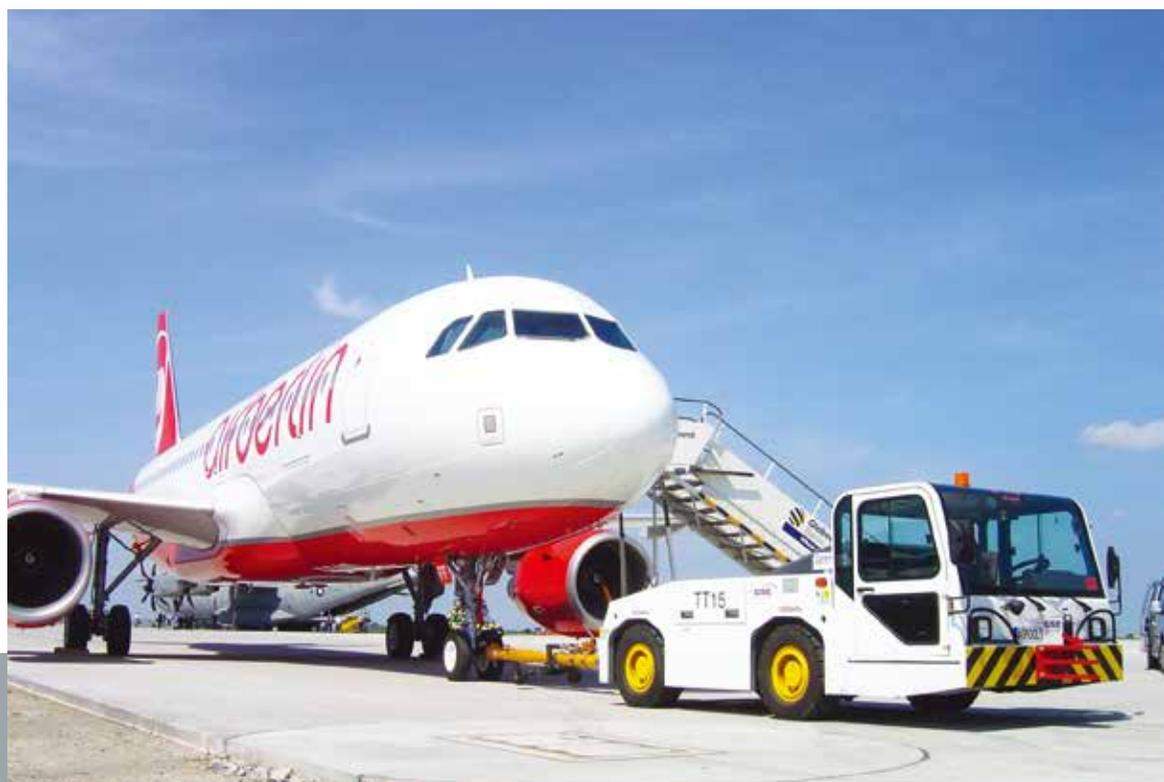
WGQY Series Aircraft Tow Tractor-WGQY15, WGQY27
Weihai Guangtai Airport Equipment Co., Ltd.
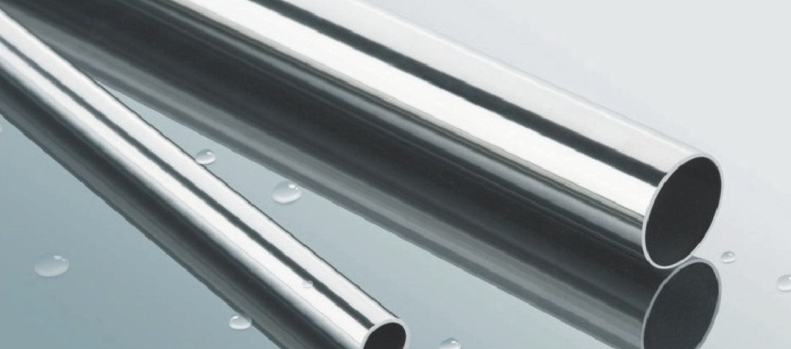
ERW Welded Pipe (Black Pipe and Hot-dip Galvanized Steel Pipe)
Handan Zhengda Steel Pipe Co., Ltd.