P2H2 and Spain's Repsol Say AEM Hydrogen Production Can Be as Low as $3.27/kg
en.Wedoany.com Reported - On September 15, Spanish energy company Repsol and U.S. electrolyzer developer Power to Hydrogen (P2H2) completed testing of hybrid anion exchange membrane (AEM) electrolysis technology, with cumulative testing time exceeding 1,250 hours. The tests were carried out through Repsol's All4Zero industrial innovation platform, focusing on validating the technology's efficiency, dynamic response, durability, and high-pressure hydrogen production capability under fluctuating renewable energy conditions.
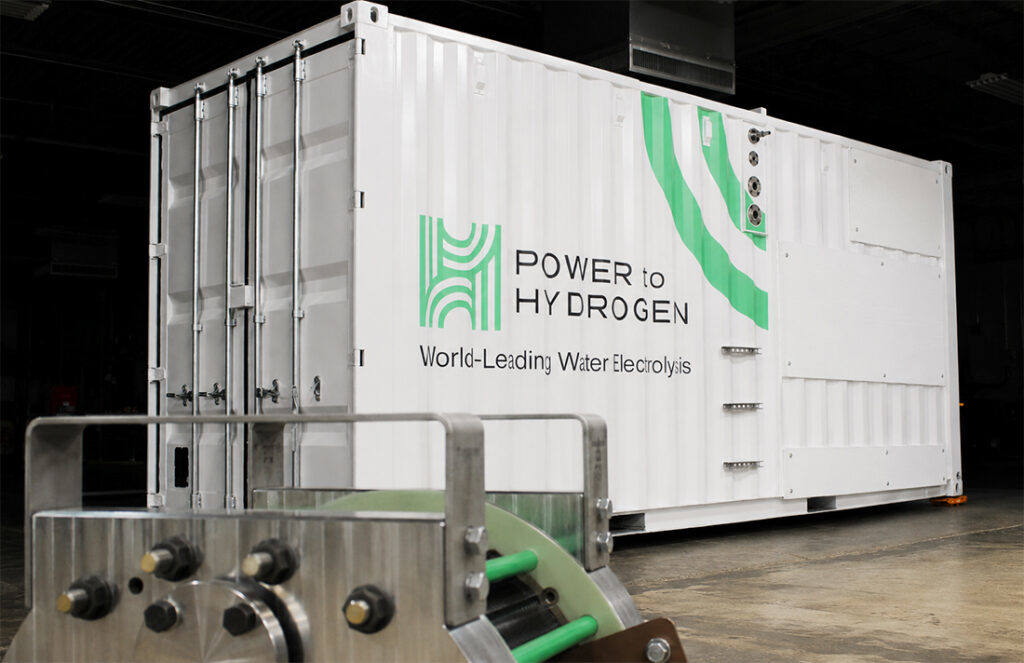
According to P2H2, the hybrid AEM architecture can deliver performance and response speed approaching that of proton exchange membrane (PEM) systems, while using a significantly lower-cost material platform and reducing reliance on scarce platinum group metals such as iridium. Based on Repsol's specific operating assumptions and using the U.S. Department of Energy's H2A-Lite cost modeling framework, P2H2 estimates a levelized cost of hydrogen (LCOH) of approximately EUR 3.86 ($4.47)/kg, about 16% lower than existing electrolyzer technologies; under an optimized renewable energy scenario using a hybrid power purchase agreement, the cost could potentially drop to approximately EUR 2.82 ($3.27)/kg. The company emphasized that these LCOH figures are modeled projections, not costs directly verified during the 1,250-hour pilot. Following the release of the pilot results, P2H2 and Repsol are exploring a potential 500 kW to MW-scale demonstration as the next step toward commercial deployment.
Two Indian researchers from Alagappa University published findings in Scientific Reviews stating that elements such as cerium, lanthanum, neodymium, and praseodymium possess unique redox, electronic, and oxygen storage properties that can enhance catalytic activity, reaction kinetics, stability, and hydrogen yield, making them valuable in the hydrogen energy field. The researchers believe that ensuring the sustainability of rare earth elements (REEs) in green hydrogen requires advancing recycling, recovery, and reuse within a circular economy framework.
Research led by University of Oregon chemist Paul Kempler found that dissolved iron impurities are a key factor in the degradation of alkaline water electrolyzers during power interruptions. The related paper was published in Chem Catalysis, titled "Reverse polarization degradation of nickel iron oxyhydroxide anodes in alkaline water electrolysis." The paper noted that anode degradation during reverse polarization is closely related to shutdown duration and the degree of iron retention in the catalyst; when shortening shutdown time is not feasible, electrolyte engineering by adjusting dissolved metal content may offer a solution.
A team from the Massachusetts Institute of Technology (MIT) demonstrated an electrochemical method for extracting pure hydrogen from hydrogen carrier molecules, which they say can improve process efficiency. The system uses molten hydroxide as the electrolyte and couples a palladium-based separation membrane with a hydrogen-producing electrode. The researchers said the separation membrane selectively transports hydrogen while blocking other components in the reaction mixture from passing through. Ammonia is first dehydrogenated using a catalyst containing ruthenium and cesium, and the resulting hydrogen then reaches the separation membrane, with the other side of the membrane in contact with the molten hydroxide electrolyte. The team said the electrochemical gradient across the membrane effectively creates a "vacuum" for hydrogen, forming a strong driving force for transmembrane transport; the process also converts hydrogen into protons and electrons, which pass through the molten electrolyte and an external circuit respectively, before recombining at a second electrode to form hydrogen. The researchers added that the method eliminates the need for a separate downstream hydrogen purification process.
The China Hydrogen Alliance said a recent study in China discovered a natural hydrogen deposit in southern Chengdu in the Sichuan Basin. The organization said the hydrogen mole fraction found is comparable to some of the highest-purity natural hydrogen reservoirs globally and sets a new record for natural hydrogen content in China. The hydrogen mole fraction in the deposit is 97.33% to 98.24%. The China Hydrogen Alliance classified the natural hydrogen as "deep inorganic origin."
Boston-based hydrogen technology company Siltrax has launched a commercialization program in the Americas, planning to develop a network of demonstration units to showcase its technology. The company focuses on proton exchange membrane (PEM) fuel cells and electrolyzers based on proprietary silicon bipolar plate technology. Newly appointed Commercial Director Roberto Iriti said silicon bipolar plate technology represents a significant step forward for the hydrogen industry, offering a path to lighter, more efficient, and more scalable fuel cells and electrolyzers without sacrificing performance.
Romania has approved hydrogen regulations, establishing principles, requirements, and regulatory rules for activities across the hydrogen value chain. The new regulations do not introduce new technical requirements for equipment or installations, nor do they create new investment obligations. The Romanian Energy Regulatory Authority (ANRE) said the new framework establishes general regulatory principles and requirements applicable to each activity.
Related Products

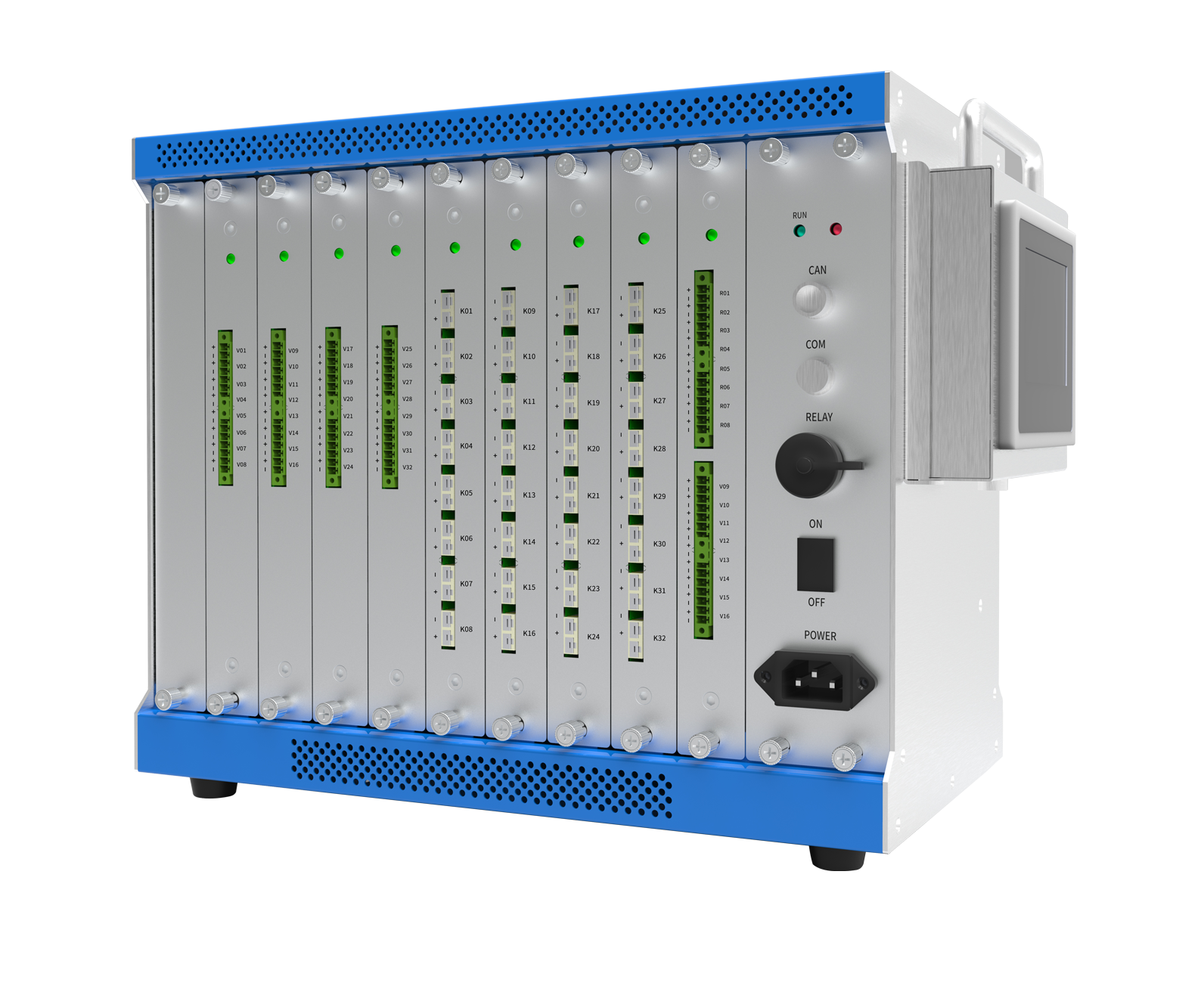
Optional Accessory - Auxiliary Sampling Module
Beijing Soaring Electric Technology Co., Ltd.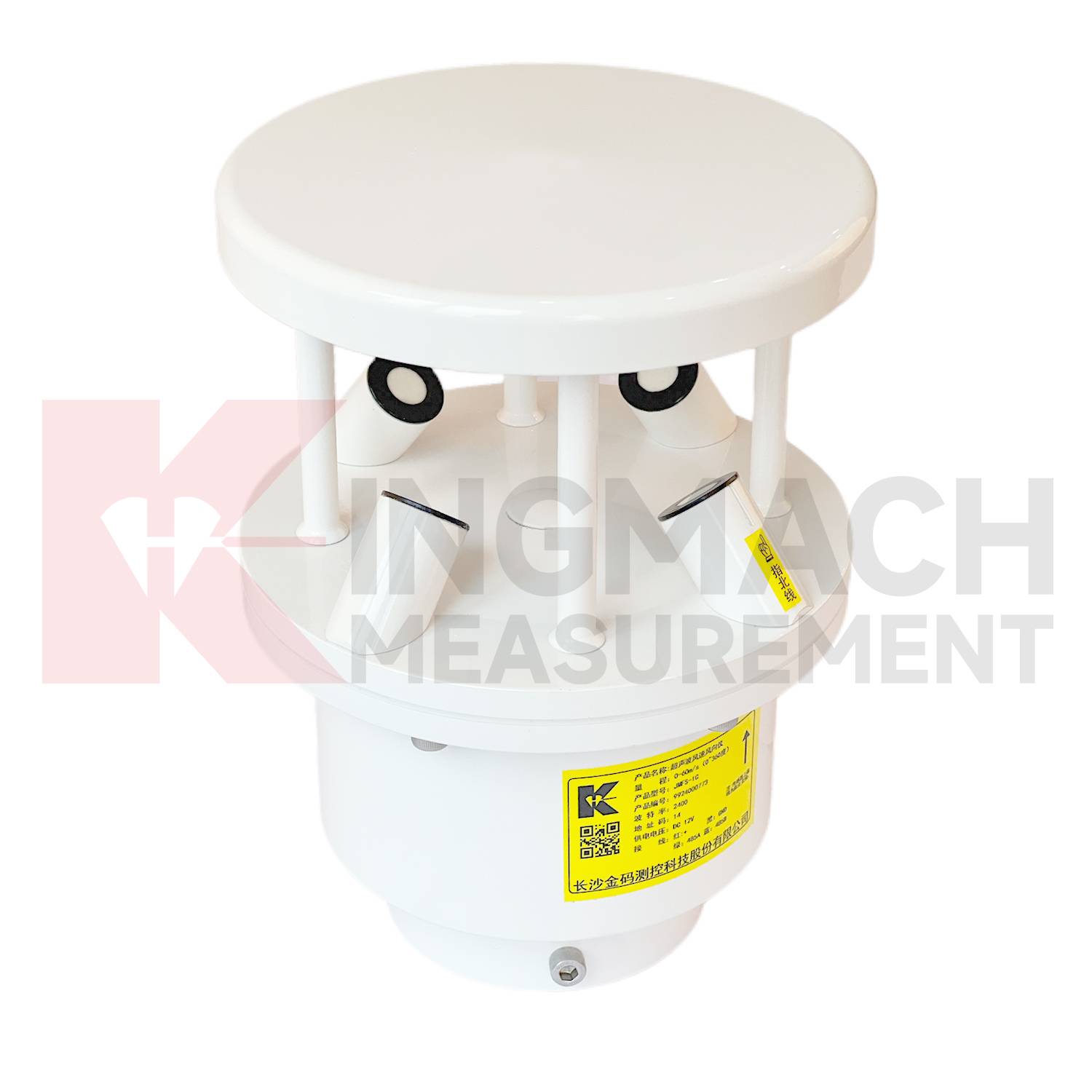
Ultrasonic Wind Speed and Direction Instrument
Kingmach Measurement & Monitoring Technology Co., Ltd.
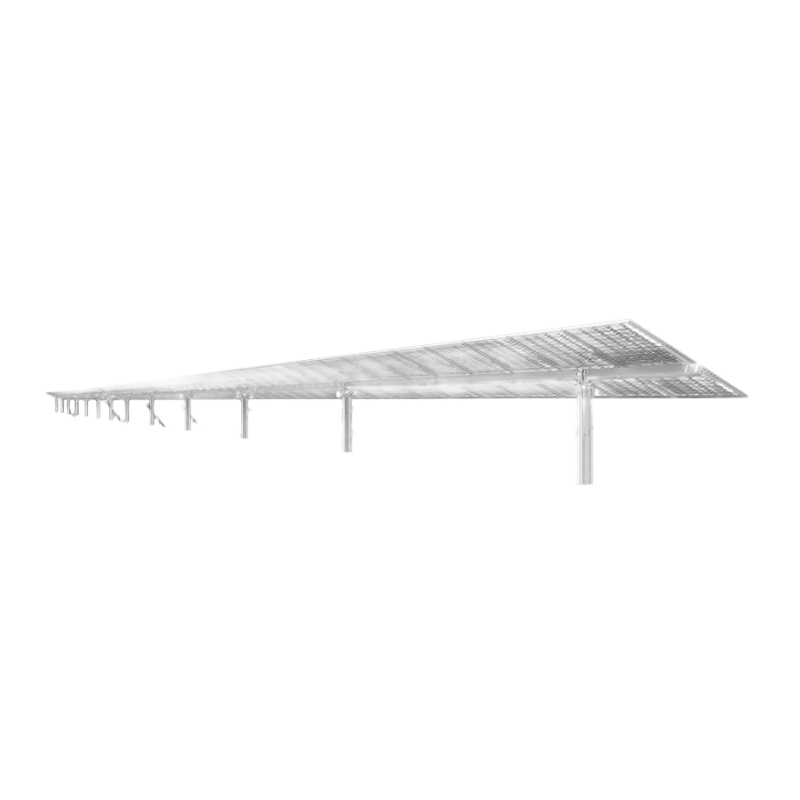
TAI Slew-drive Single-axis Independent 1P Tracking Bracket System
ANTAI TECHNOLOGY CO., LTD.

Off-Grid Fuel Cell Supercharging Station (180kW Configuration)
Shanghai REFIRE Group Limited