Lithuania's Renewable Energy Installed Capacity Expected to Exceed 7 GW Within the Year
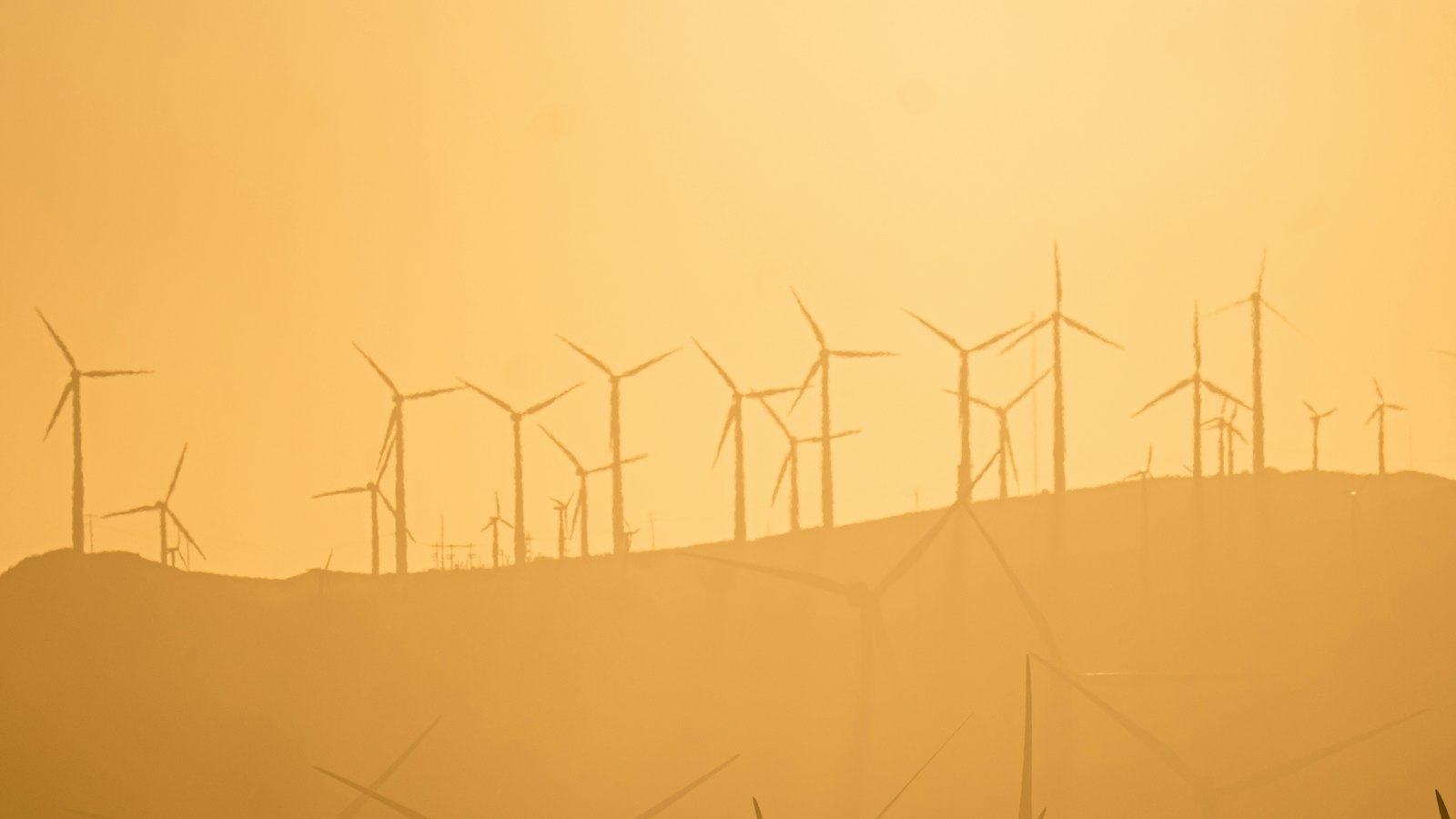
en.Wedoany.com Reported - By June 2026, Lithuania's total installed renewable energy capacity had reached 6.5 GW, and the Ministry of Energy expects it to exceed 7 GW by the end of the year. The new capacity mainly comes from onshore wind, solar PV, and distributed generation, while energy storage, grid upgrades, and port supporting facilities are entering the next round of investment. The Lithuanian government has submitted a sustainable renewable energy development policy package to parliament and is simultaneously adjusting the prosumer system to continue unlocking additional grid-connected capacity.
Lithuanian state-owned energy group Ignitis is one of the main developers of the current centralized new energy expansion. As of the end of 2025, the group's green installed capacity had increased from 1.2 GW three years earlier to 2.1 GW, with approximately 0.7 GW of new capacity commissioned in 2025 alone. Its 2026–2029 strategic plan involves investing EUR 2.5–3 billion, of which approximately EUR 1–1.2 billion is for green power generation and flexibility assets, with plans to further increase green installed capacity to 2.8–3.2 GW by 2029.
Ignitis has begun shifting its investment focus from simply adding wind and solar capacity to "generation + storage + grid." The group is currently building three large-scale battery energy storage projects in Kelmė, Kruonis, and Mažeikiai, with a total power of 291 MW and storage capacity of 584 MWh. Among them, the Kelmė energy storage project has a scale of 147.4 MW, Kruonis 99.2 MW, and Mažeikiai 45.1 MW. Final investment decisions have been made for the relevant projects.
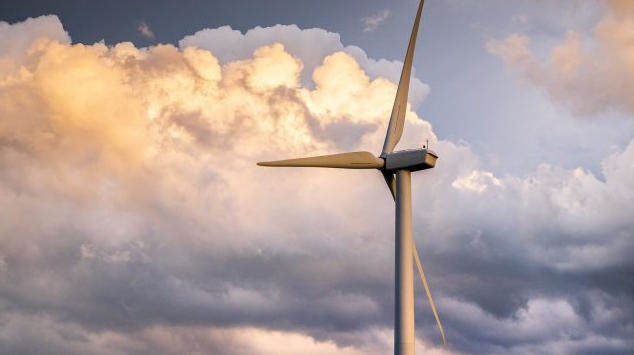
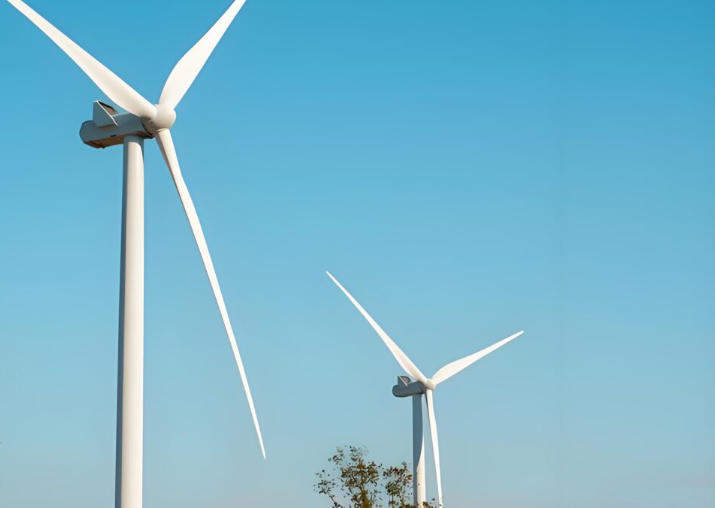
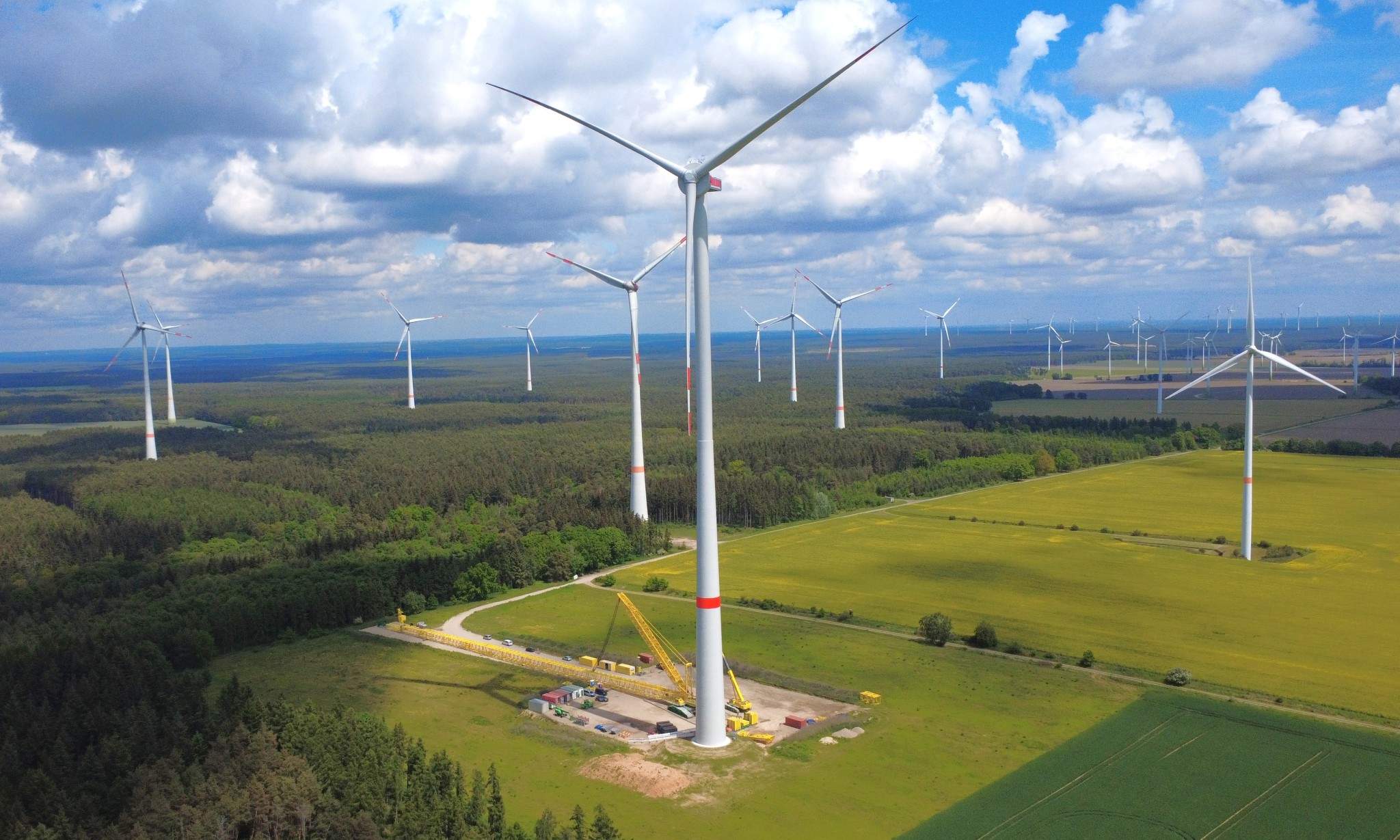
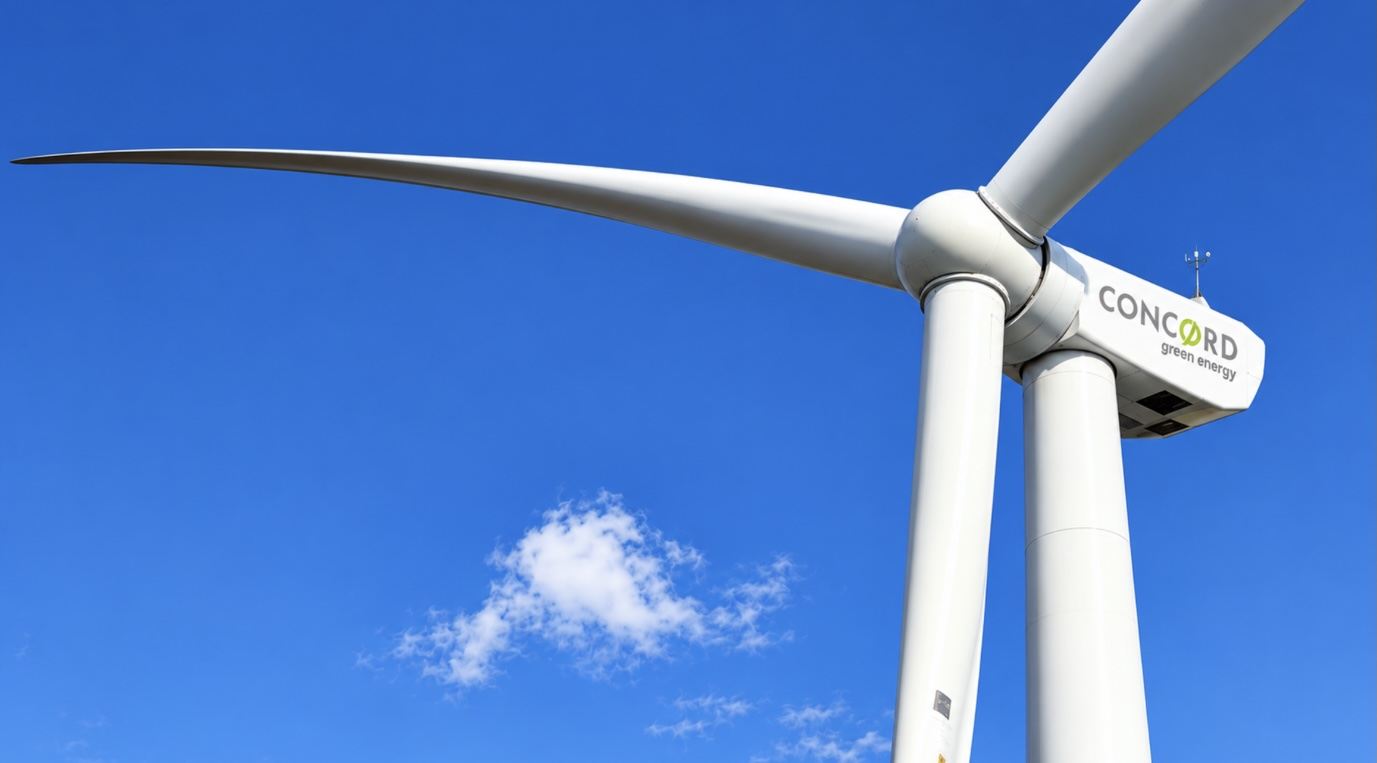
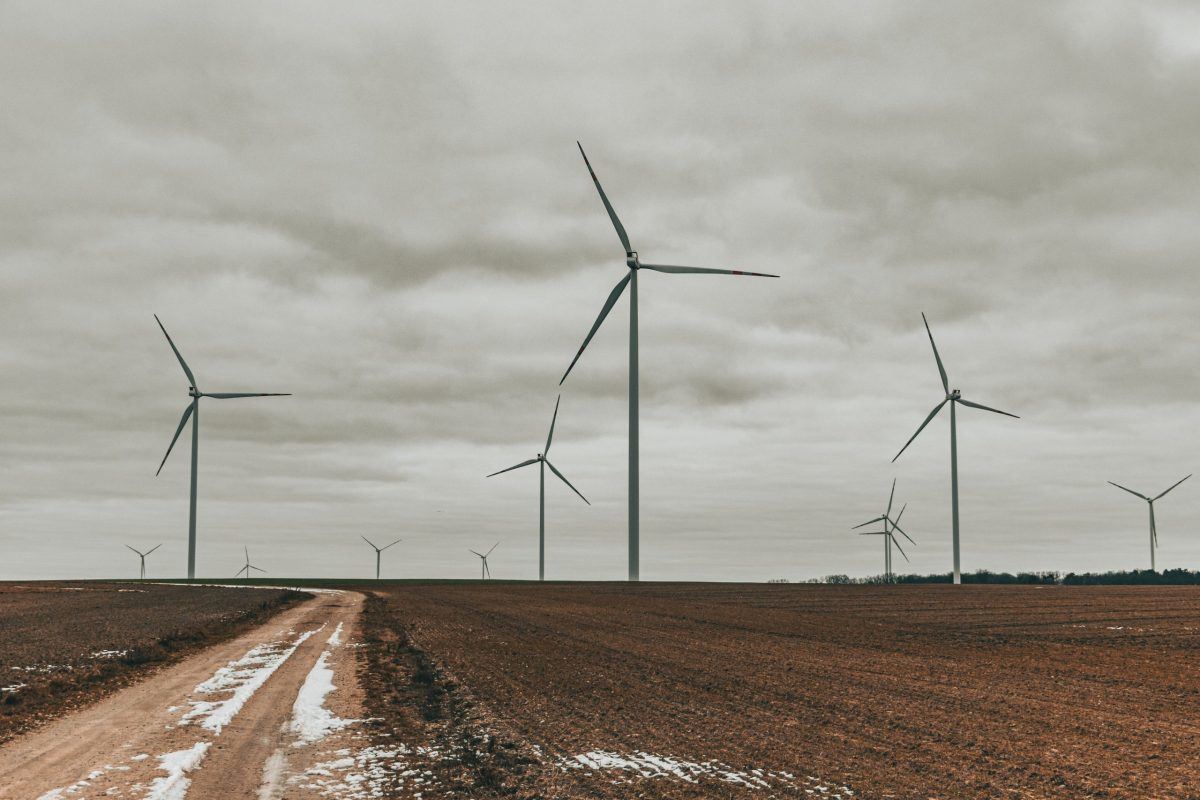
The Kelmė wind farm has become an important commissioned asset in Lithuania's onshore wind expansion. The project has a total installed capacity of 314 MW, was developed by Ignitis Renewables, entered full commercial operation in June 2025, and represents a total investment of approximately EUR 550 million. The European Investment Bank provided two loans totaling EUR 250 million for the project. According to the project developer, its annual power generation can cover the electricity demand of approximately 250,000 households.
The growth rate of distributed generation is equally notable. As of mid-2026, the number of prosumers in Lithuania had exceeded 193,000, and the government expects it to reach 200,000 by the end of the year, approximately two years ahead of the original 2028 target. The new prosumer policy continues to retain the bidirectional metering mechanism for residents and introduces a "5 kW solar PV + 10 kWh storage" support scheme for households with limited grid connection capacity. Ignitis data shows that by early 2026, the number of prosumers connected to its distribution network had reached approximately 170,000.
The grid side has become the investment focus of the next stage. Ignitis plans to invest EUR 1.4–1.6 billion, accounting for approximately 55% of the group's total investment over the same period, in the expansion and modernization of its distribution network during 2026–2029, in order to increase new energy connection capacity, enhance distribution grid flexibility, and support energy storage and new load connections. Compared with the previous expansion phase focused mainly on adding wind and solar capacity, the group's current capital expenditure structure has significantly increased the share of network and flexibility assets.
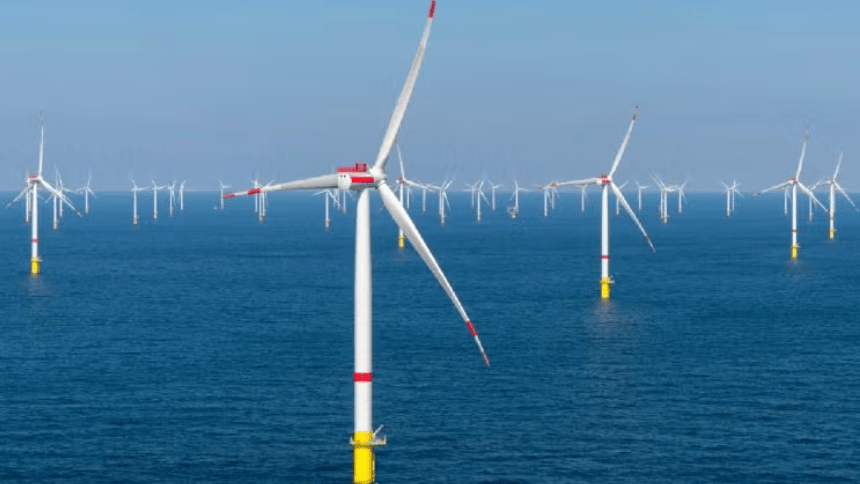
Port infrastructure is also being developed in parallel to support offshore wind development. The Klaipėda State Seaport Authority is implementing a EUR 775 million investment plan through 2029, of which nearly EUR 600 million is for the southern expansion of the port area. The port is also advancing the construction of wind turbine component assembly and storage infrastructure, with plans to develop Klaipėda into an equipment distribution and construction base for future Lithuanian offshore wind projects, while simultaneously investing in shore power, green hydrogen, and related energy infrastructure.
Lithuania's Ministry of Energy proposes that renewable energy account for at least 55% of total final energy consumption by 2030. As total installed capacity approaches 7 GW, current new projects have begun to include more supporting battery energy storage, distribution grid expansion, and port construction capacity. The Kelmė, Kruonis, and Mažeikiai energy storage projects, as well as the Klaipėda Port offshore wind infrastructure, have all entered the implementation phase.
Related Products

80kW Megawatt Supercharging Module TH80F10030C9
Shijiazhuang Tonhe Electronics Technologies Co., Ltd.
TAI Slew-drive Single-axis Independent 1P Tracking Bracket System
ANTAI TECHNOLOGY CO., LTD.
IS(B)□-M·RL Series Oil-immersed 3D Transformer (Planar / 3D Wound Core)
Guangdong Kehua Electric Power Technology Co., Ltd.
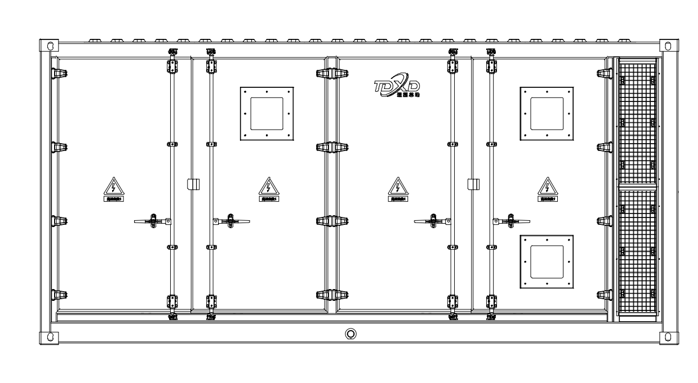
5012kWh DC Energy Storage System TD-EES-5012kWh
Suzhou Tongding Xindong Energy Storage Technology Co., Ltd.
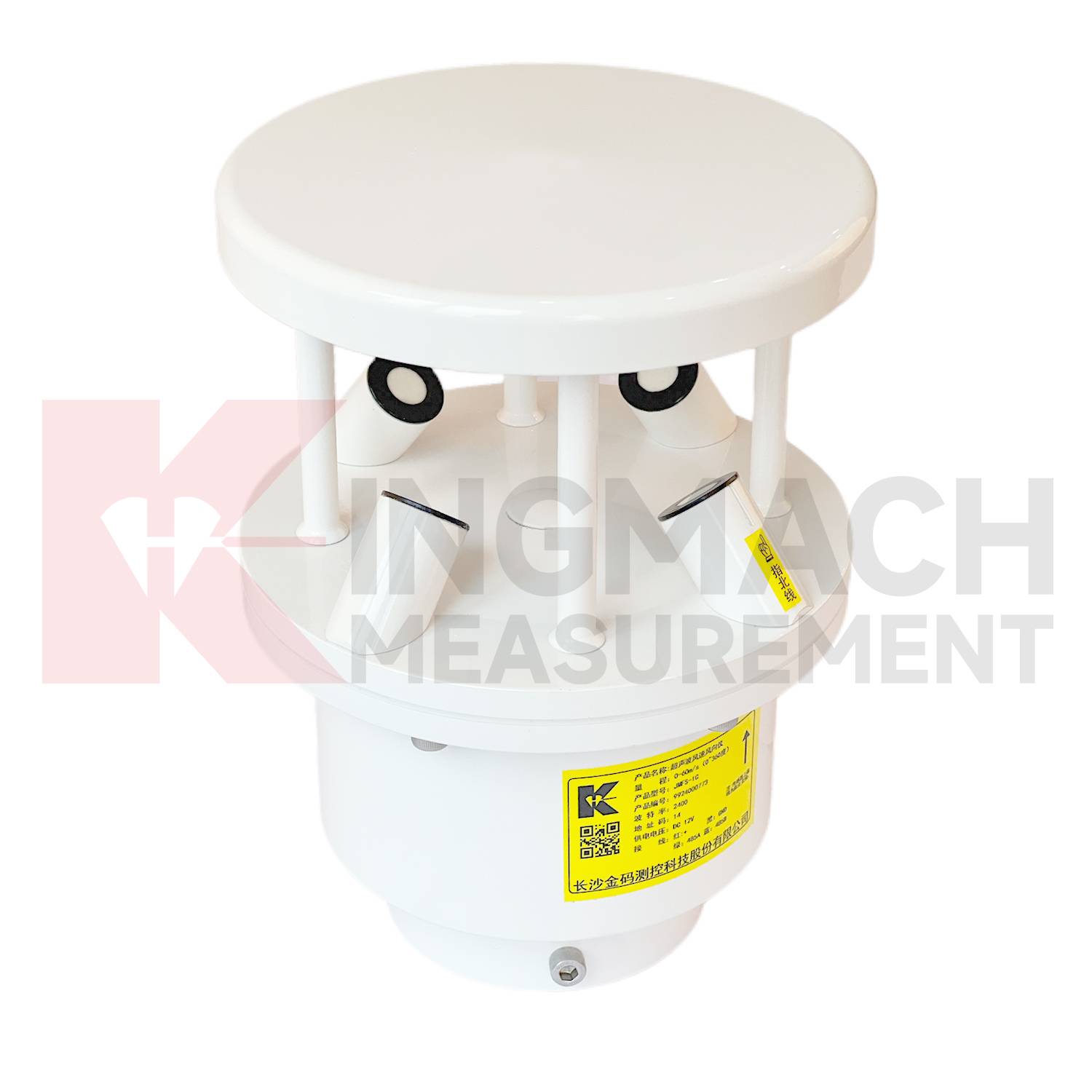
Ultrasonic Wind Speed and Direction Instrument
Kingmach Measurement & Monitoring Technology Co., Ltd.