Germany Accelerates Digital Upgrade of Medium-Voltage Substations as SF6 Equipment Faces Replacement Pressure
en.Wedoany.com Reported - On September 22, Thomas Dürr, Head of Standards and Regulations at Siemens Smart Infrastructure, published an article on Enlit stating that Europe's medium-voltage distribution networks are entering a concentrated upgrade cycle, with secondary substations becoming a key link in this process. Germany currently has approximately 600,000 such substations, but the digitalization rate is less than 10%; at the same time, the service life of medium-voltage secondary substation equipment typically reaches 40 years, and a large number of existing devices still need to be retrofitted with sensors, remote control, and new switchgear.
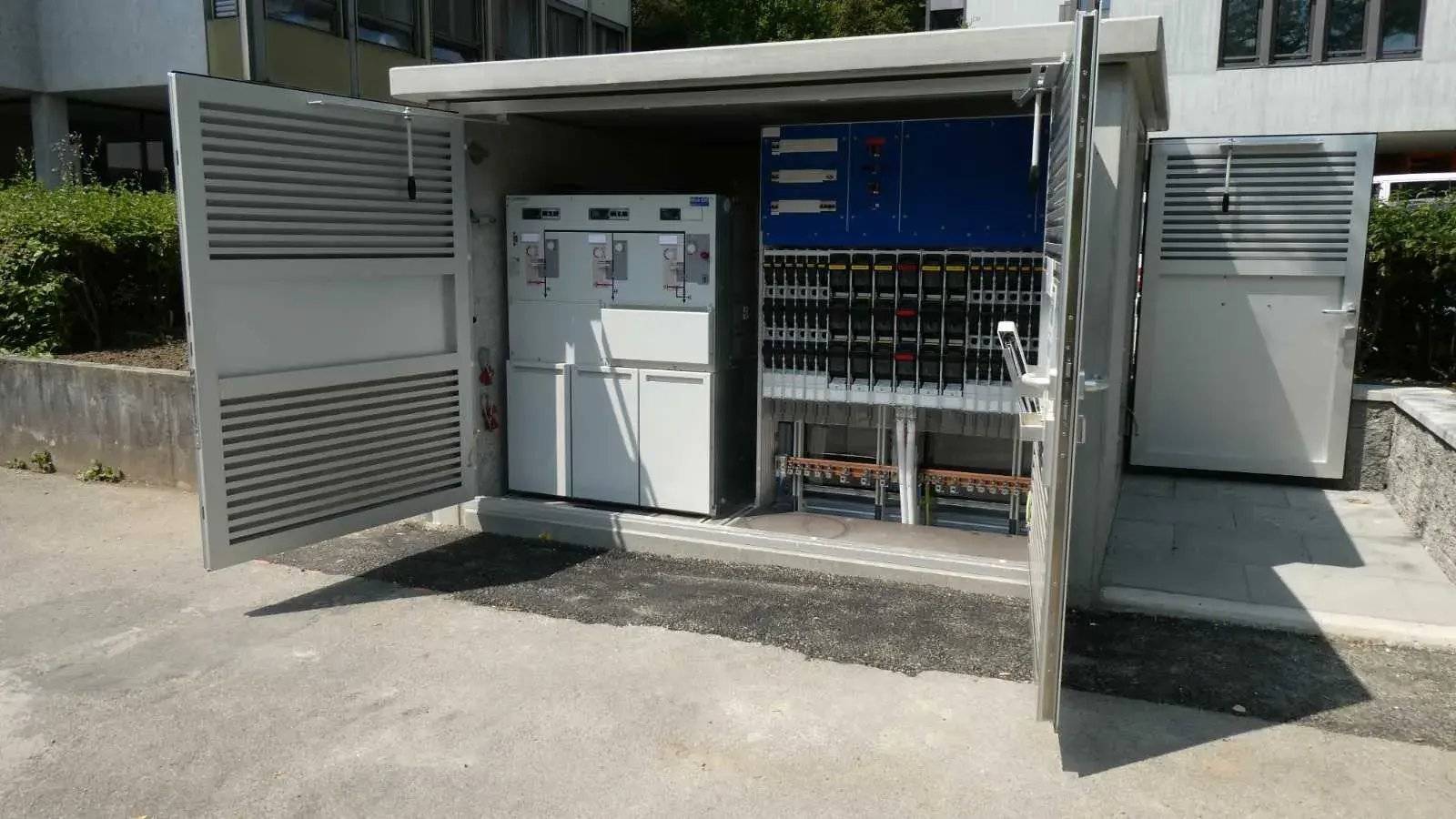
The current upgrade focus is primarily on distribution network observability. With the increase of distributed renewable energy, electric vehicles, and prosumers, bidirectional power flows are beginning to appear in distribution networks, making it difficult for traditional secondary substations to continue operating in isolation. Siemens proposes that new and retrofitted substations need to add smart sensors for current, voltage, and other parameters, and collect parameters such as active power, reactive power, apparent power, power factor, and frequency through remote terminal units, then connect the data to the grid control system for operational monitoring and subsequent control.
In terms of digital equipment, low-power instrument transformers under the IEC 61869 standard are increasingly entering medium-voltage systems. Such devices can be directly integrated into the cable entry bushings of gas-insulated medium-voltage switchgear, and combined with temperature sensors to continuously monitor the cable connection status, reducing additional sensor installation and subsequent maintenance work. The article also points out that current and voltage measurement, directional short-circuit and ground fault indication, as well as remote fault reporting and control functions, are gradually transitioning from optional configurations of the past to standard capabilities of the new generation of secondary substations.
Medium-voltage switchgear in Europe also faces an SF6 replacement timetable. Following the EU's new fluorinated gas regulations introduced in 2024, stricter restrictions began to apply to new equipment with rated voltages not exceeding 24 kV from January 1, 2026; by 2030, the scope will expand to 52 kV. Traditional SF6 gas has a global warming potential approximately 24,300 times that of carbon dioxide, and subsequent medium-voltage switchgear will increasingly shift to fluorine-free insulation solutions with a GWP below 1. Siemens currently uses Clean Air insulation medium composed of natural air components to replace traditional fluorinated gases.
Equipment miniaturization has also become an important constraint for retrofit projects. Urban secondary substations typically lack additional space, while the new generation of systems needs to simultaneously add sensing, communication, remote control, and monitoring functions. Siemens believes that gas-insulated switchgear occupies less space under the same technical parameters, allowing upgrades to be completed without expanding the original substation building area. Future digital substations will further introduce motorized operation panels, standardized pre-wiring, unified interfaces, VDIS voltage detection systems, and online monitoring of key grid parameters.
At the operational level, cloud platforms and AI analytics will gradually be integrated into the secondary substation data system. Through centralized processing of equipment status and grid operation data, this can be used to identify peak loads in advance, schedule maintenance, and formulate investment plans. Siemens also proposes that medium-voltage switchgear will need further standardization in the future, including unifying auxiliary and control voltages, reducing equipment model variations, standardizing interfaces, and simplifying type tests, thereby shortening the delivery cycle of digital substations.
Related Products


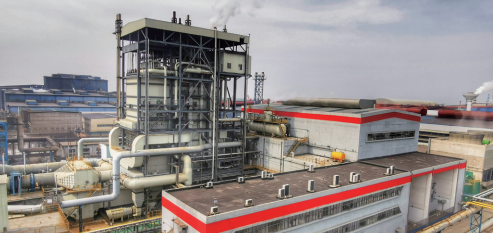
Jiujiang Pinggang 125MW Subcritical Gas Power Generation Project
Capital Engineering & Research Incorporation Limited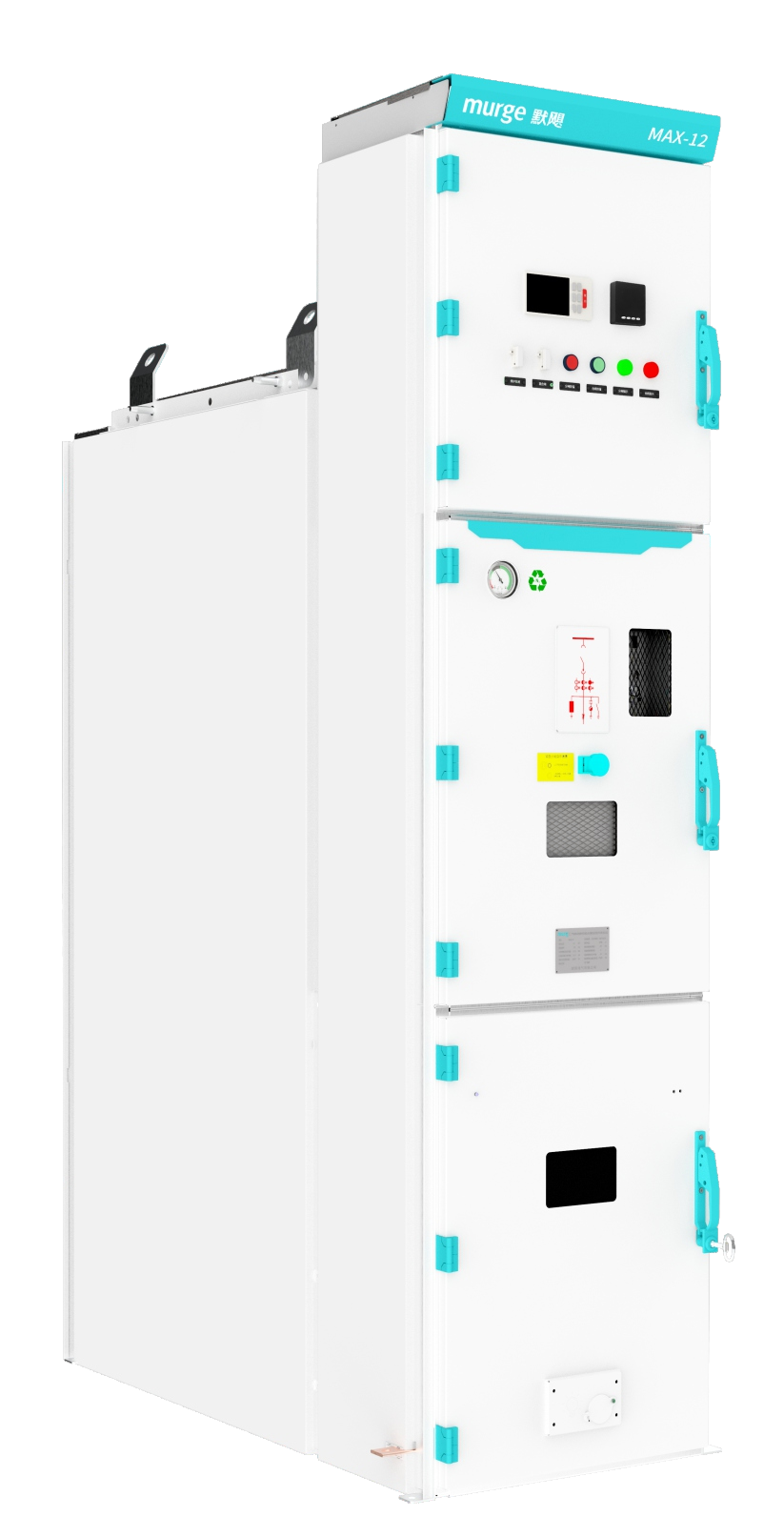
MAX-12 series Environmental Protection/SF6 gas insulated switchgear (C-GIS)
Murge Electric Co.,Ltd.
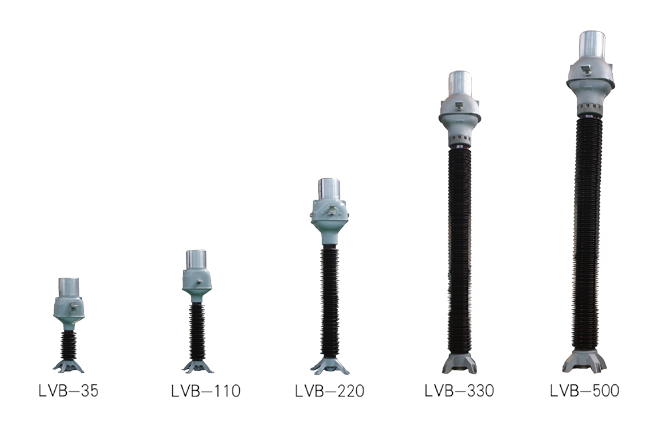
LVB Series 35-500kV Oil-immersed Inverted Current Transformer
Shandong TaiKai Instrument Transformer Co., Ltd.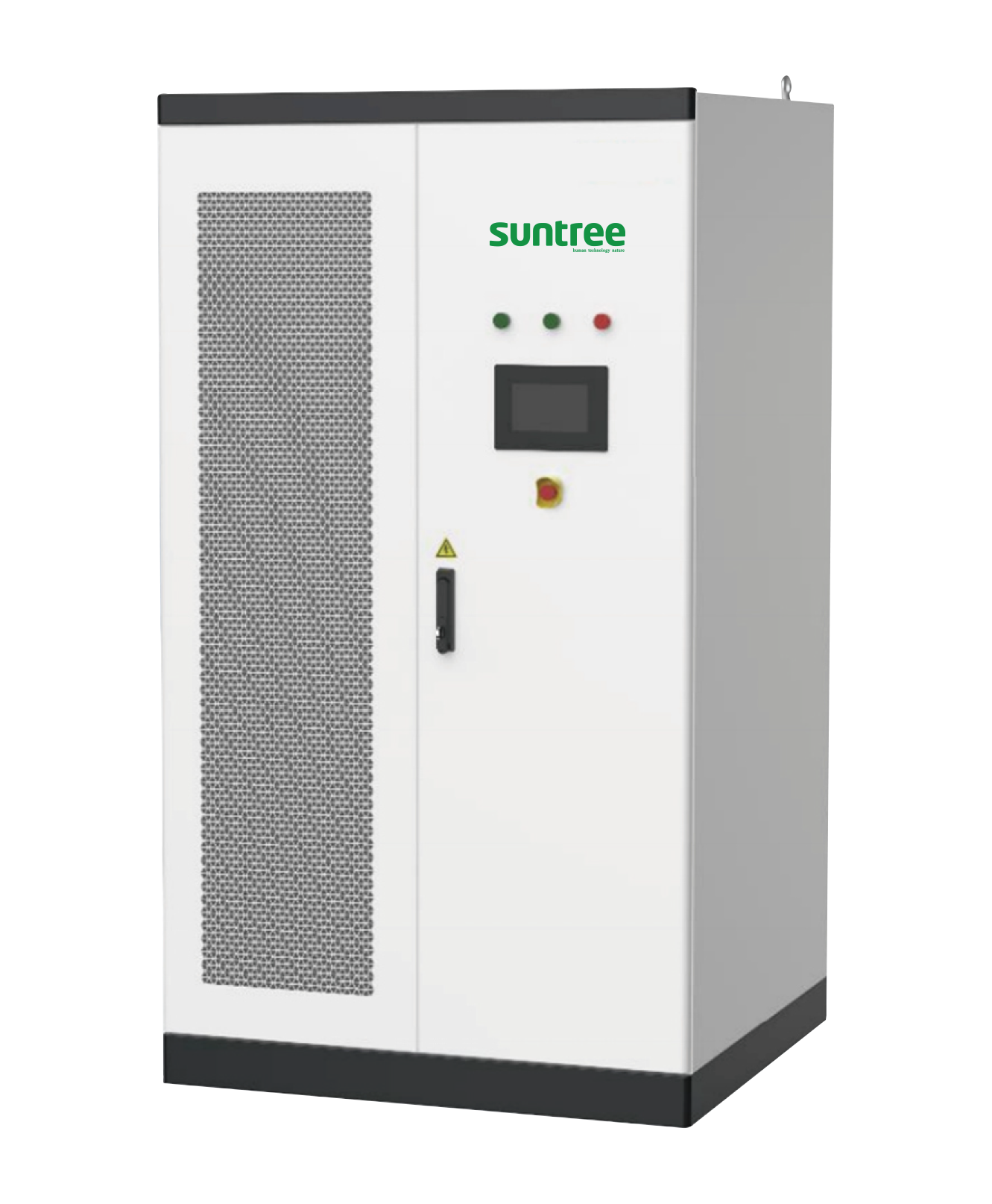
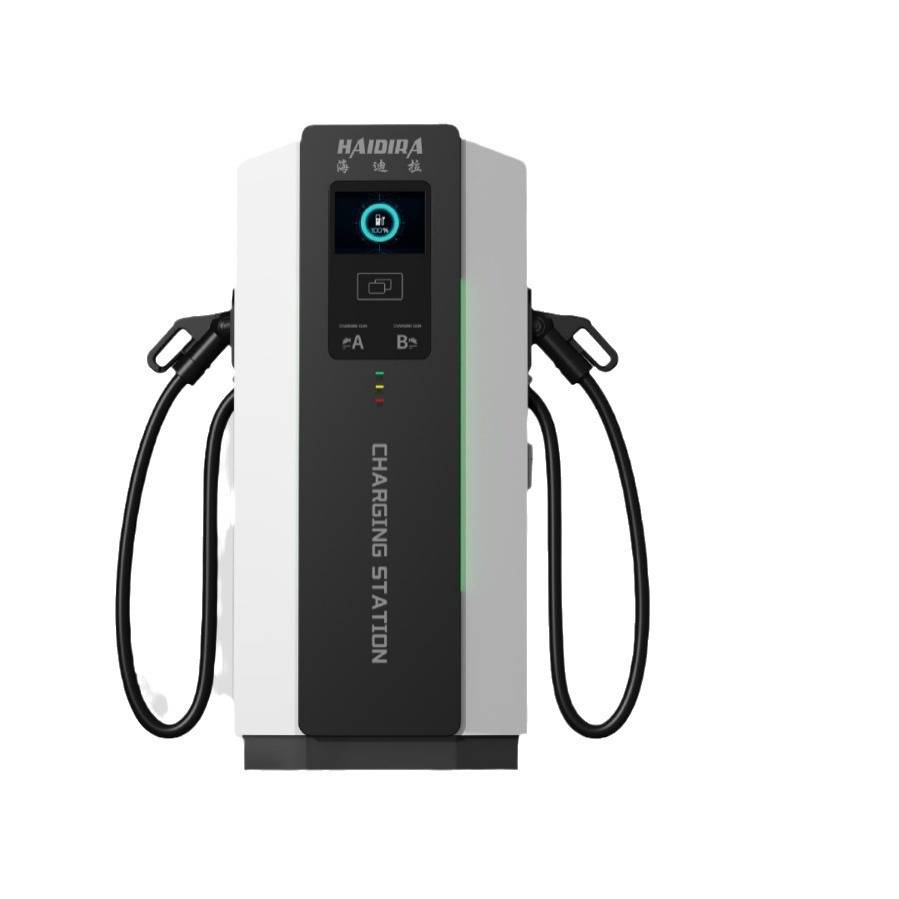
Manufacturer Direct Sales Tesla New Energy Electric Vehicle Universal DC 180kW Dual-gun Charging Pile Commercial Fast Charger
Anhui Haidira Electric Technology Co., Ltd.
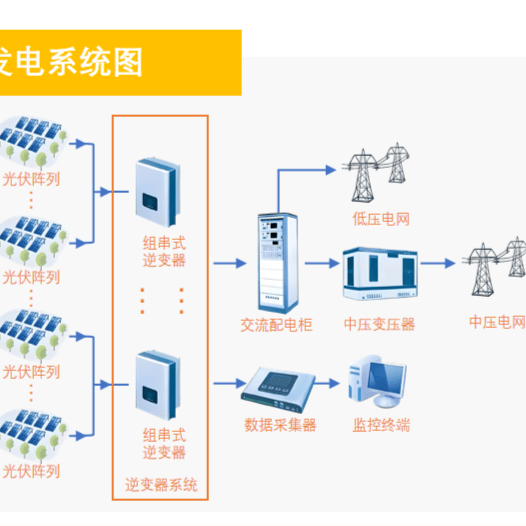
Photovoltaic and Wind Power Generation Technology
Beijing Boqi Electric Power SCI-TECH Co., Ltd.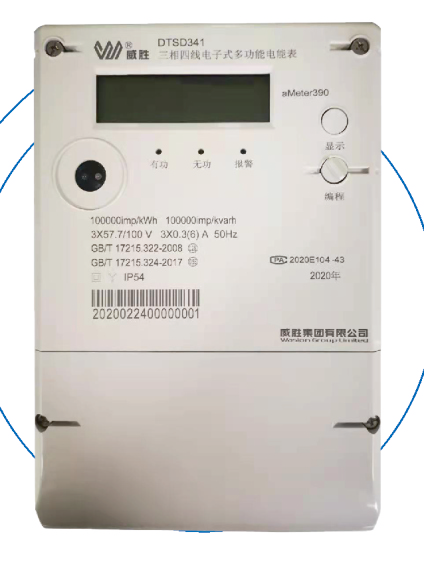
Overseas IEC Gateway Energy Meter - DTSD341/DSSD331-aMeter390
Wasion Group Limited Co., Ltd.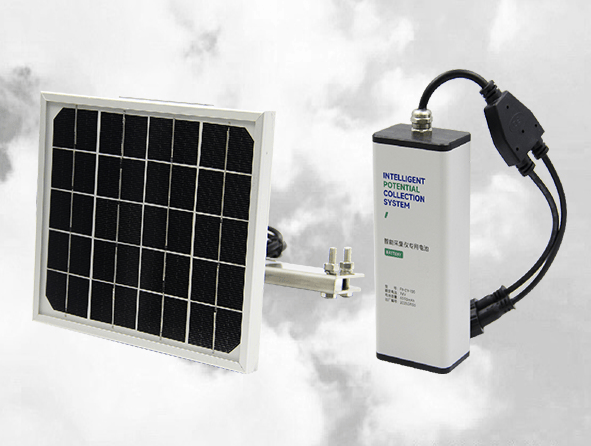
Inductive Power Harvesting Self-Powered Device - Safuneng
SELF ENERGY TECHNOLOGY (SHENZHEN) CO., LTD.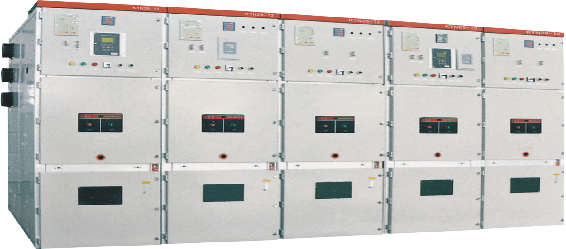
KYN28-12/24 Indoor High-Voltage Metal-Clad Removable Switchgear
Shenzhen Zhaoyang Hui Technology Co., Ltd.