India's Ministry of Power and EDF Discuss EPR Nuclear Power Deployment Plans
en.Wedoany.com Reported - Pankaj Agarwal, Secretary of India's Ministry of Power, held high-level bilateral talks with Bernard Fontana, Chairman and CEO of Électricité de France (EDF), in New Delhi. The two sides held in-depth discussions focusing on the deployment of France's EPR (European Pressurised Reactor) Generation III+ nuclear power technology in India, advancing the localization of India's nuclear power industry chain, reform of the nuclear energy regulatory framework, and deepening cooperation on pumped hydro storage projects.
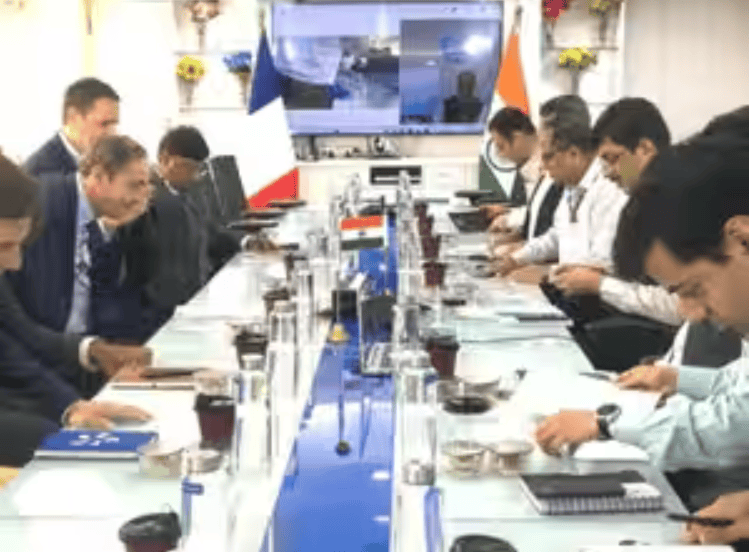
Senior officials from India's Ministry of External Affairs, the Central Electricity Authority (CEA), NTPC, the Nuclear Power Corporation of India Limited (NPCIL), and the French Embassy in India jointly attended the talks.
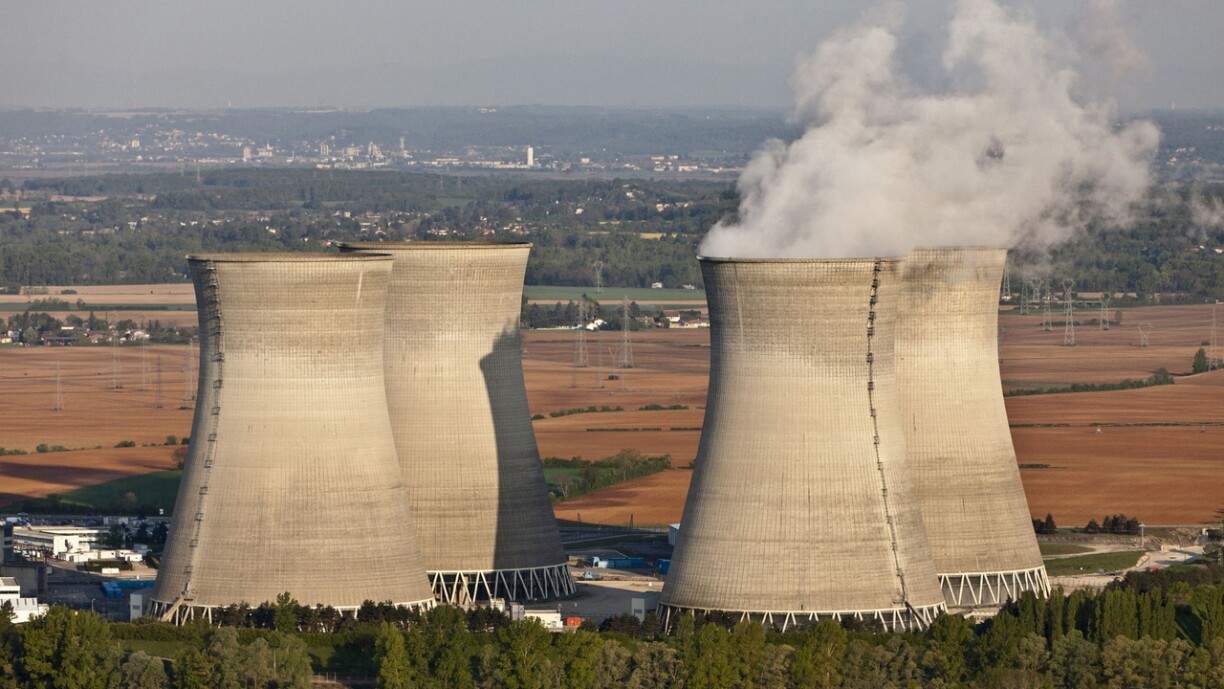
On the nuclear power cooperation front, EDF briefed the Indian side on its progress in cultivating a nuclear power industry ecosystem and supply chain locally in India, aiming to achieve large-scale localized manufacturing of EPR reactor equipment. EDF emphasized that a scaled fleet construction project encompassing multiple reactors will give domestic suppliers greater certainty and fully mobilize India's high-end manufacturing capabilities to unlock economies of scale. Currently, EDF is jointly advancing the Jaitapur nuclear power project in Maharashtra with NPCIL. The site is planned to deploy 6 EPR units with a total installed capacity of 9,900 megawatts (MWe), but preliminary commercial negotiations have been delayed due to issues including grid tariff costs and civil nuclear liability.
Regulatory mechanism reform was one of the core backdrops of this meeting. Agarwal briefed the French side on the latest legislative progress regarding India's civil nuclear regulatory framework, particularly the draft SHANTI Bill (Sustainable Harnessing and Advancement of Nuclear Energy for Transforming India) recently released by India's Department of Atomic Energy (DAE) for public consultation. The bill proposes to relax long-standing monopoly restrictions in the civil nuclear energy sector, establish a standardized, time-limited licensing procedure for nuclear facilities, and formally clear institutional obstacles for direct participation by private capital, captive power, and overseas reactor type suppliers.
In addition to nuclear power generation, the two sides also held in-depth discussions on the joint development and implementation of large-scale pumped hydro storage, building on the proposed joint venture between NTPC and EDF. To achieve the national strategic goal of leapfrogging India's domestic civil nuclear installed capacity to 100 gigawatts (GWe) by 2047, India is pursuing a dual-track approach of "fleet-scale batch construction of indigenous 700 MW Pressurised Heavy Water Reactors (PHWRs)" and "introduction of foreign advanced pressurised water reactor/light water reactor technologies." The coordinated deployment of pumped hydro storage and long-duration energy storage facilities will provide critical support for the efficient absorption of large-scale nuclear baseload power and grid frequency stability.
Related Products

220kV and Below Voltage Level Energy-saving Oil-immersed Power Transformers
FuZhou TianYu Electric Co., Ltd.
Hydraulic Turbine Genset
Dongfang Electric Corporation Dongfang Electric Machinery Co., Ltd.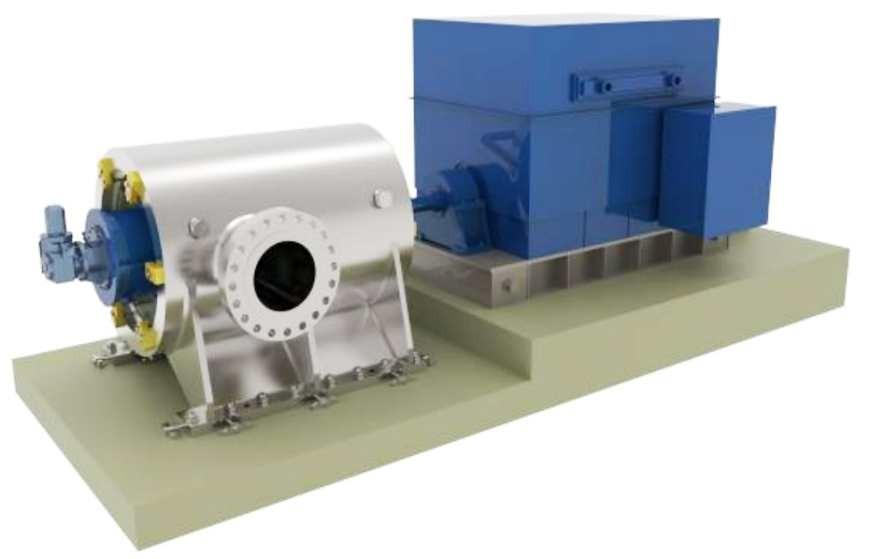
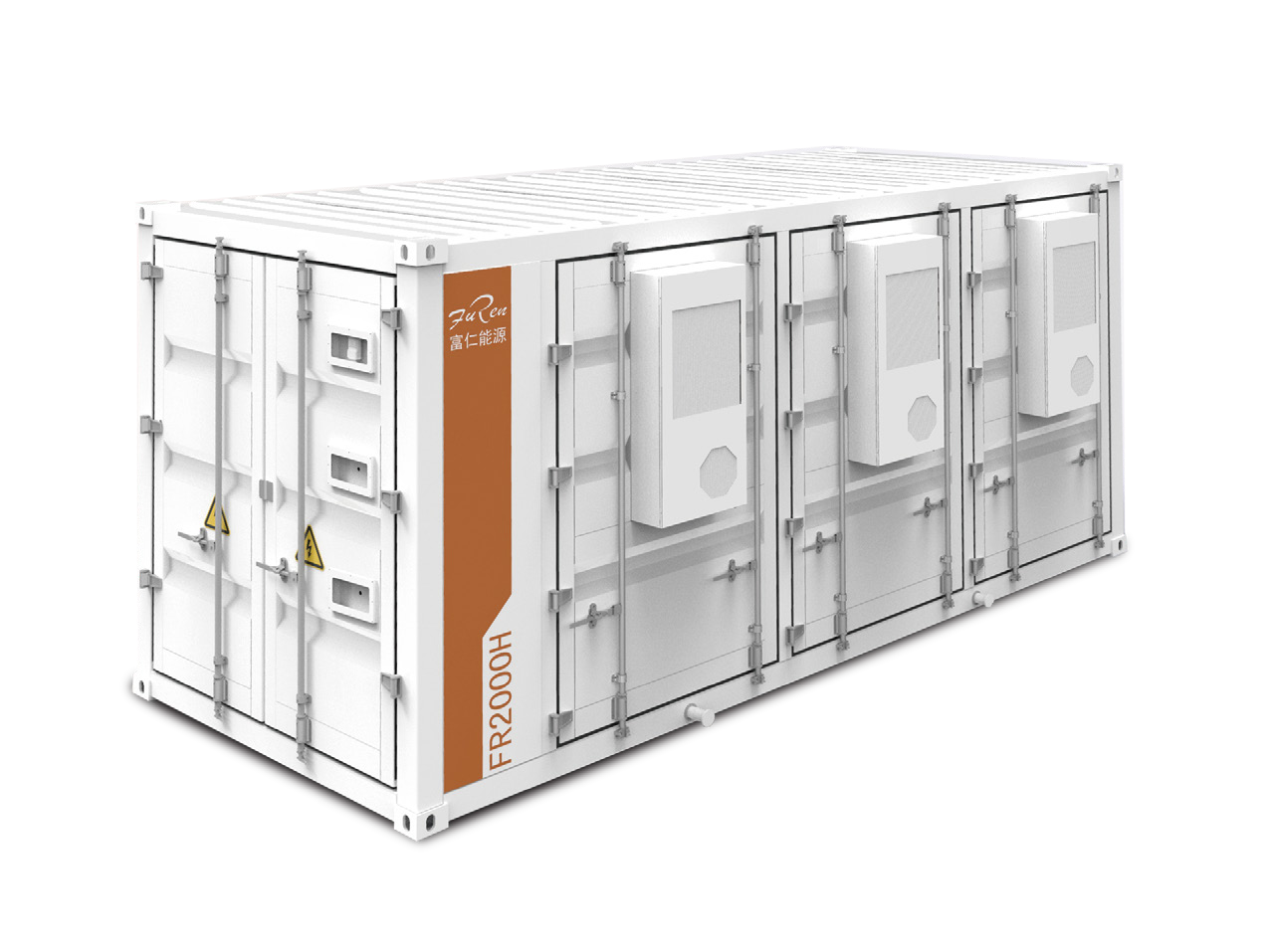
FR2000H 2.15MWh (Air-cooled) 20-foot Containerized Energy Storage System
Jiangyin Furen High-tech Co., Ltd.

Industrial and Commercial Point-Type Gas Detector
Jinan Benan Technology Development Co., Ltd.
Electromagnetic Fluid Seawater Floating Oil Separation and Recover Equipment
Huate Magnet Group Co., Ltd.
CAP1400 main feedwater flow nozzle flowmeter.
Jiangsu Hongda Instrument Technology Co., LTD.